Side-by-Side IQ Profile: Standard Schnauzer vs. Harrier
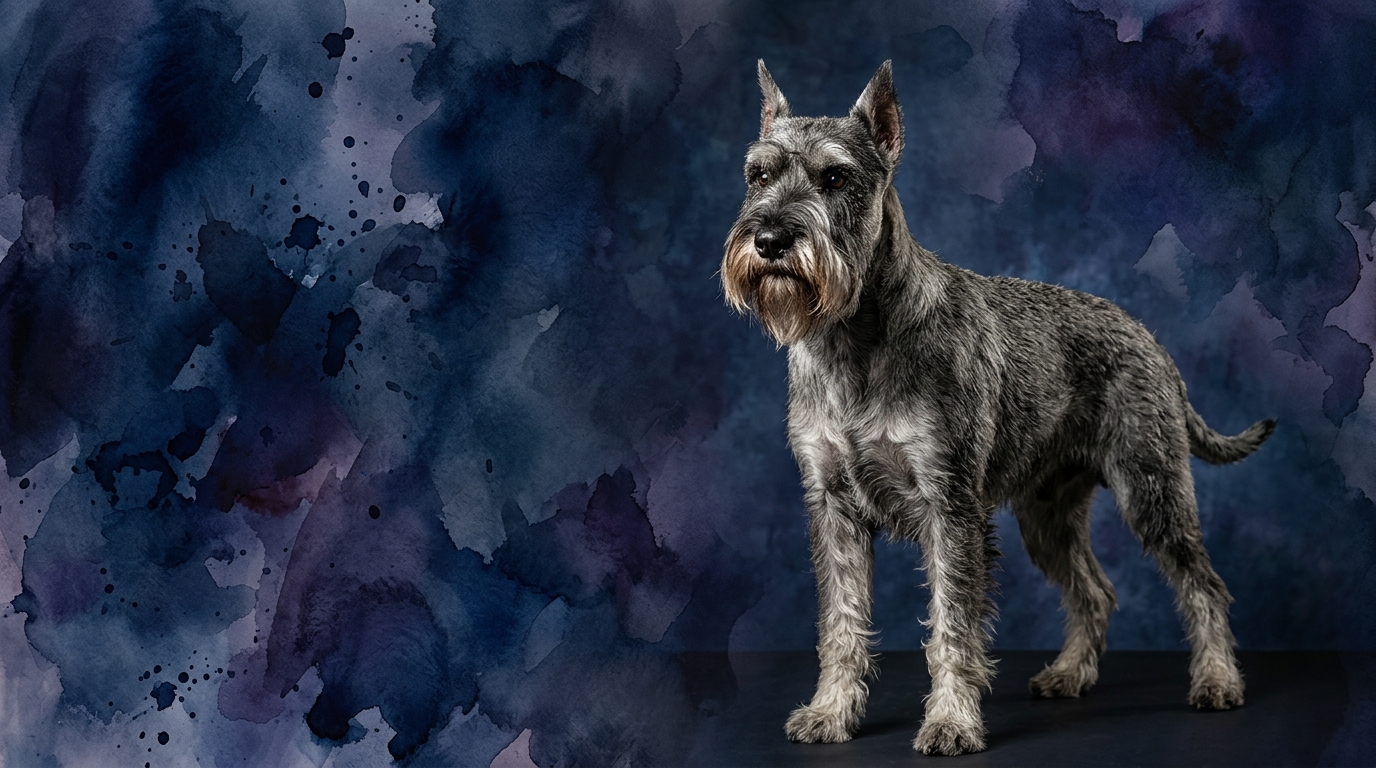
The Cosmic Pet Pet IQ Lab offers a detailed framework for understanding canine intelligence, moving beyond simple rankings to assess specific cognitive dimensions. For the Standard Schnauzer, a Working group dog ranked #22 by Coren, its profile highlights a robust and versatile mind. Its Problem Solving is rated 4/5, indicating an adeptness at navigating novel situations and figuring out complex tasks. Training Speed also scores 4/5, suggesting a quick grasp of new commands and responsiveness to instruction. Social Intelligence is 3/5, reflecting a capable understanding of human cues and a capacity for strong bonds, albeit with a degree of independence. Instinctive Drive stands at 3/5, representing a balanced drive that supports their working roles without being overwhelming. Finally, Memory is 4/5, demonstrating a strong ability to retain learned behaviors and routines over time.
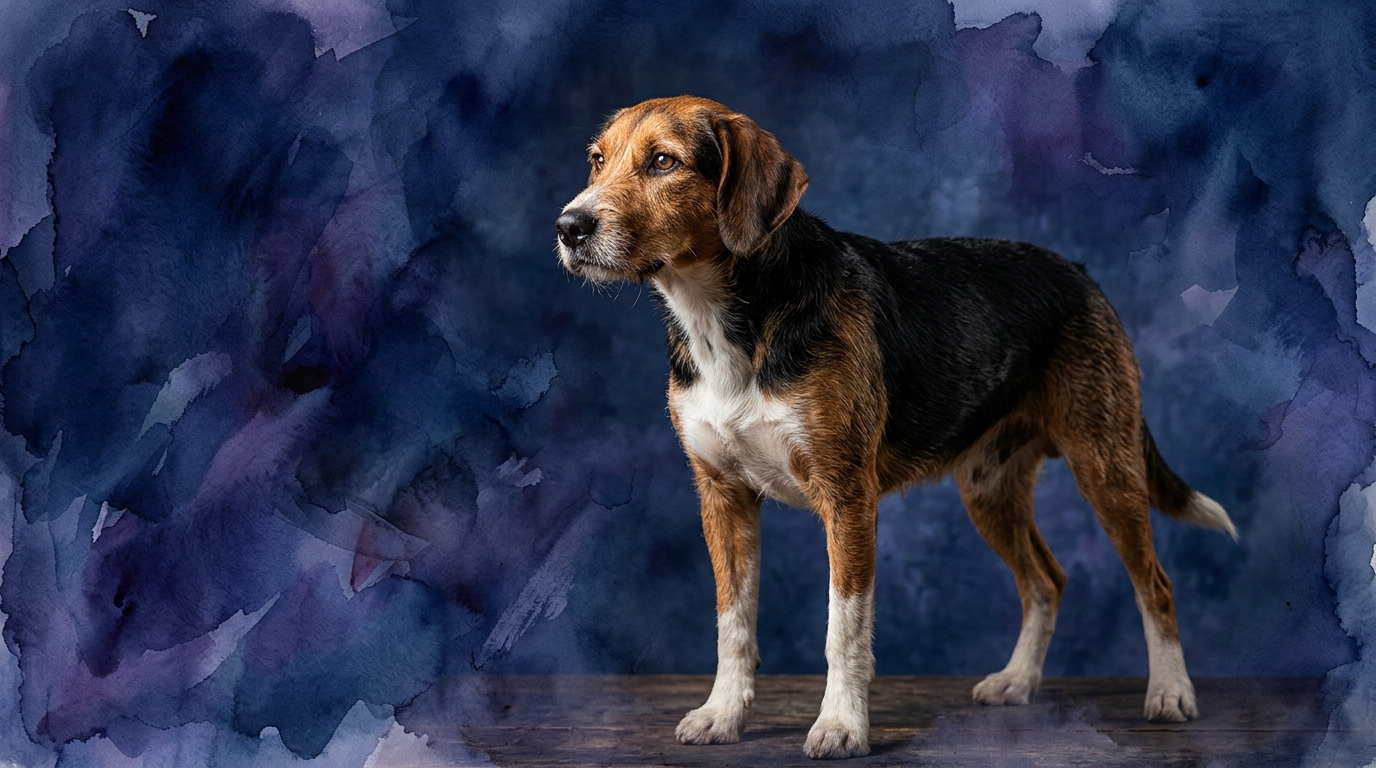
In contrast, the Harrier, a Hound group dog not featured in Coren's ranking, presents a profile rooted in its historical purpose. Its Problem Solving is 3/5, meaning it can tackle challenges but might rely more on learned patterns or trial-and-error rather than abstract reasoning. Training Speed is also 3/5, indicating that consistent, patient effort is needed for commands to solidify. Social Intelligence matches the Schnauzer at 3/5, showing a capacity for connection but perhaps with a focus on pack dynamics. Instinctive Drive is 3/5, specifically highlighting a strong prey and scenting drive that is central to its being. Memory is 3/5, suggesting it retains information, though perhaps not with the same precision for complex sequences as the Schnauzer.
Where the Standard Schnauzer Excels Cognitively
The Standard Schnauzer's cognitive strengths are particularly evident in its superior Problem Solving (4/5) and Training Speed (4/5), complemented by a strong Memory (4/5). This combination makes them exceptionally proficient at tasks requiring sequential learning and adaptive thinking. For instance, a Schnauzer can quickly grasp multi-step commands, such as navigating an agility course that demands specific actions in a particular order, or figuring out how to open a complex puzzle toy after minimal exposure. Their memory allows them to build efficiently on prior experiences, leading to rapid skill acquisition and consistent performance in structured environments.
This breed's aptitude for processing new information quickly and applying it to solve environmental puzzles reflects its history as a versatile farm dog, where independent decision-making and rapid learning were crucial. They don't just follow instructions; they often anticipate and understand the underlying logic of a task, making them excellent candidates for advanced obedience, dog sports, and even service work where intricate cognitive processing is required.
Unique Cognitive Strengths of the Harrier
While the Harrier's scores across the board are 3/5, its cognitive profile reveals a specialized form of intelligence deeply intertwined with its sensory perception, especially olfaction. Their ability to meticulously follow complex scent trails, differentiate subtle odors, and maintain focus on a distant target over extended periods showcases a unique cognitive strength that is often overlooked in general intelligence metrics. This isn't just a simple instinct; it involves a sustained, goal-oriented cognitive effort, requiring immense concentration and memory for scent patterns, which is a different kind of 'problem solving' than a Schnauzer's.
The Harrier's Instinctive Drive (3/5), while moderate in score, is a powerful and defining aspect of its cognition. It fuels a relentless pursuit and an unwavering dedication to a task once a scent is engaged. Their social intelligence, also rated 3/5, often manifests as exceptional cooperation within a pack, demonstrating a nuanced understanding of canine social dynamics and coordinated effort during hunts. This group-oriented intelligence, while not always focused on human cues, is a sophisticated form of social cognition vital to their historical role.
Trainability: Schnauzer's Responsiveness vs. Harrier's Perseverance
When it comes to trainability, the Standard Schnauzer generally presents a more straightforward experience due to its higher Training Speed (4/5) and Problem Solving (4/5). These dogs are quick to connect actions with consequences, understand verbal cues, and generalize learned behaviors to new situations. Their working dog background means they often seek purpose and find satisfaction in mastering tasks, making them highly responsive to structured training. A Schnauzer often requires fewer repetitions to solidify a command and is more likely to engage enthusiastically in diverse training disciplines, from competitive obedience to agility, driven by a desire to perform and please.
Conversely, the Harrier, with its 3/5 Training Speed, requires more patience and consistent effort. Their robust Instinctive Drive (3/5), particularly their powerful scenting instinct, means they can be easily distracted by environmental stimuli that engage their primary sense. A compelling scent can quickly override a command, demanding a trainer who can maintain engagement through highly rewarding methods and structured environments. Training a Harrier often involves competing with their natural inclinations, requiring creative strategies to channel their drive into desired behaviors rather than relying solely on rapid compliance. Their perseverance in following a scent needs to be redirected into perseverance in training tasks.
Matching Breeds to Lifestyles: Active Engagement
Neither the Standard Schnauzer nor the Harrier are suited for truly 'relaxed' owners; both require active engagement, though the nature of that activity differs significantly. The Standard Schnauzer thrives with owners who can provide consistent mental stimulation as much as physical exercise. Their high Problem Solving and Memory scores mean they enjoy learning new skills, participating in dog sports like rally or agility, and engaging in interactive games that challenge their intellect. An active owner for a Schnauzer is someone committed to regular training sessions, varied tasks, and opportunities for purposeful work, preventing boredom that can lead to undesirable behaviors.
The Harrier, on the other hand, demands significant physical exertion to satisfy its endurance and hunting instincts. An active owner for a Harrier is someone who enjoys long walks, runs, hikes, or activities like tracking, lure coursing, or even participating in organized pack walks. Their physical stamina and scent-driven nature mean they need ample opportunities to explore and expend energy in a constructive way. Without sufficient outlets for their considerable drive, a Harrier can become restless and vocal, making them a challenging fit for a sedentary lifestyle.
The Verdict
Choose the Standard Schnauzer if you desire a versatile companion who thrives on mental challenges, learns rapidly, and enjoys a variety of structured activities and purposeful engagement.
Choose the Harrier if you appreciate a dog with exceptional sensory abilities and boundless endurance, and are committed to channeling their hound instincts through sustained physical activity and patient, consistent training.
🧠 Find Your Pet's IQ Score
Our Pet IQ Lab assessment covers 25+ tests across 5 cognitive dimensions — personalized to your breed.
Take the Full IQ Test →Frequently Asked Questions
Does the Coren rank indicate overall intelligence?
The Coren rank primarily assesses a dog's working intelligence and obedience, reflecting their trainability and ability to follow commands. It doesn't encompass the full spectrum of cognitive abilities, such as specialized sensory intelligence or problem-solving independent of human instruction, which hounds often excel at.
Are Harriers difficult to live with due to their instincts?
Harriers possess a strong scent drive and need significant physical exercise, which can be challenging if not properly managed. However, with consistent training, ample opportunity for physical and mental stimulation (like scent games), and understanding of their hound nature, they can be wonderful, affectionate companions.
Can a Standard Schnauzer adapt to apartment living?
A Standard Schnauzer can adapt to apartment living provided their substantial needs for daily exercise and mental engagement are consistently met. Their intelligence and energy require regular structured activities, training sessions, and opportunities for social interaction to prevent boredom and destructive behaviors.