Side-by-Side IQ Profile
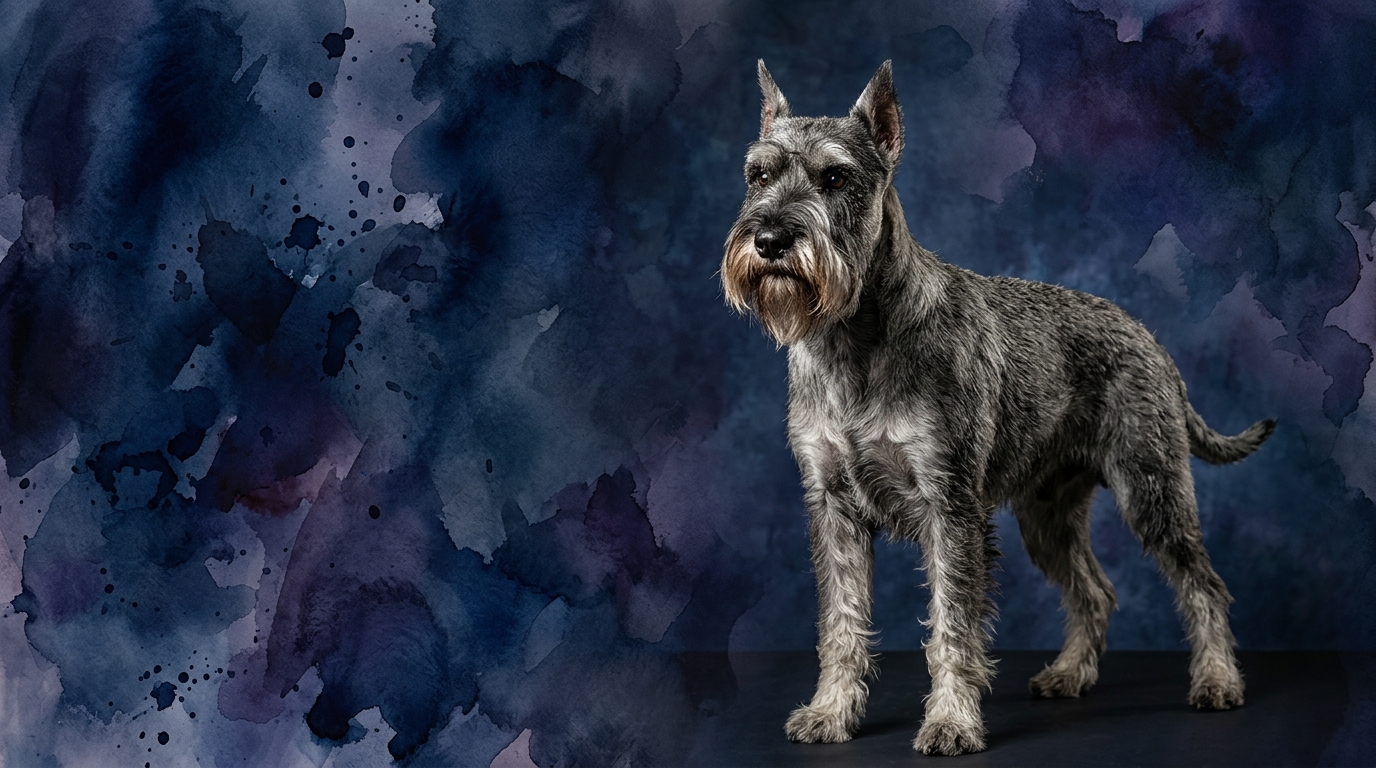
The Standard Schnauzer, with a Coren rank of #22, exhibits a cognitive profile geared towards versatile utility and responsiveness. Their Problem Solving is rated 4/5, indicating an agile mind capable of quickly assessing and navigating new situations or complex tasks, often with a keen interest in figuring things out. Training Speed, also 4/5, highlights their eagerness and aptitude for rapid learning, making them receptive to new commands and routines. Social Intelligence, at 3/5, reflects their ability to read human cues and form strong, discerning bonds, though they can be reserved with strangers. An Instinctive Drive of 3/5 points to their historical roles in pest control and guarding, manifesting as alertness and a moderate prey drive. Finally, their Memory, at 4/5, ensures excellent retention of learned behaviors and environmental details, allowing them to build a vast repertoire of skills.
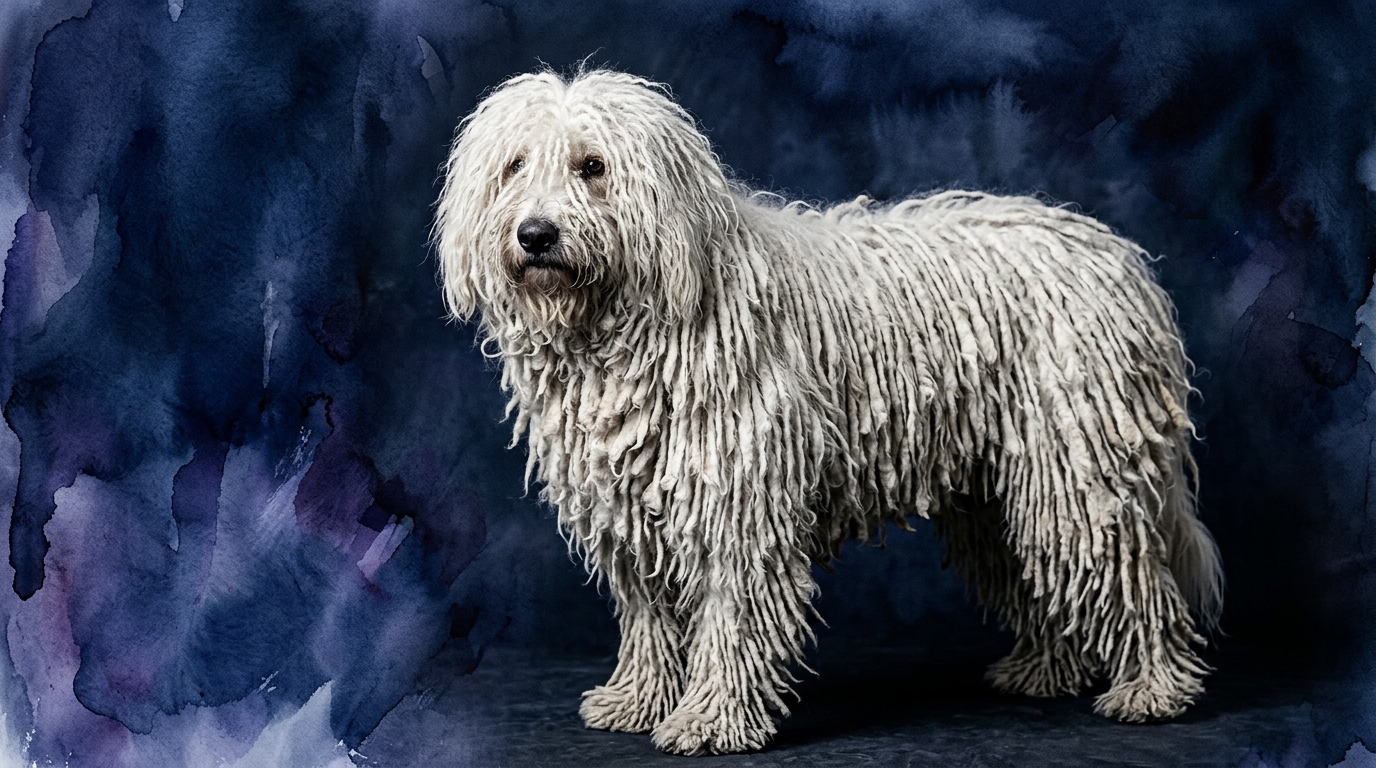
Ranking #67 on the Coren scale, the Komondor presents a more specialized cognitive architecture, honed for independent guardianship. Their Problem Solving is rated 3/5, meaning they are capable strategists, but often prefer a deliberate, observational approach to challenges rather than immediate action, crucial for assessing threats over time. Training Speed, also 3/5, indicates they learn at a steady pace, but their independent nature often requires more patience and understanding from trainers, as they tend to evaluate commands before complying. Social Intelligence, 3/5, is profoundly tuned to their protective role; they are deeply bonded to their “flock” (family) and highly suspicious of outsiders, interpreting subtle environmental shifts as potential threats. Their Instinctive Drive, 3/5, is overwhelmingly focused on guarding and territoriality, a powerful inherent motivation to protect. Memory, at 3/5, supports their ability to recall routines and the layout of their territory, essential for effective long-term vigilance.
Where Standard Schnauzer Wins Cognitively
The Standard Schnauzer's cognitive strengths truly shine in areas demanding quick, interactive engagement and rapid skill acquisition. Their 4/5 rating in Problem Solving enables them to excel in activities like agility courses, where they must quickly assess obstacles and execute complex sequences with precision. This agility extends beyond physical tasks to mental puzzles, as they often relish figuring out treat dispensers or novel environmental challenges. Coupled with a 4/5 Training Speed, Schnauzers absorb new commands and behaviors with remarkable alacrity, making them ideal candidates for advanced obedience, rally, or even trick training. Their superior Memory (4/5) solidifies these gains, allowing them to retain a vast vocabulary of commands and recall intricate routines reliably, building a deep and versatile skill set over time. This combination makes them highly adaptable and eager partners in a wide array of human-directed activities.
Where Komondor Wins Cognitively
The Komondor's unique cognitive victories are rooted deeply in their ancient role as a livestock guardian, demanding independence and unwavering vigilance. While their Problem Solving is rated 3/5, this strength manifests as deliberate, long-term strategic assessment rather than immediate, rapid reactions. A Komondor excels at observing its environment for extended periods, processing subtle changes, and making independent decisions about potential threats without constant human input. Their Social Intelligence (3/5), though equal in rating, differs significantly from the Schnauzer's, being acutely focused on identifying intruders and protecting its family or “flock.” This specialized social cognition allows them to discern friend from foe with profound accuracy, often without needing explicit instruction. Their Instinctive Drive (3/5) is a powerful, intrinsic motivation for guarding, meaning they are self-driven to perform their protective duties, demonstrating a sustained commitment to their charge that few other breeds can match. This self-reliance and deep-seated protective wisdom are where the Komondor's intellect truly distinguishes itself.
Which Is Easier to Train and Why
When considering ease of training, the Standard Schnauzer generally presents a more straightforward path for owners due to inherent behavioral differences. Their 4/5 Training Speed and eagerness to engage mean they typically grasp new commands and concepts with fewer repetitions and greater enthusiasm. Standard Schnauzers often possess a strong “work ethic” and a desire to please their human companions, making them highly responsive to positive reinforcement and structured training sessions. They thrive on having a job and appreciate the mental stimulation that training provides, which translates into a willing participant. In contrast, the Komondor, with its 3/5 Training Speed, requires a significantly different approach. Their independent, self-thinking nature, bred for autonomous decision-making in the field, means they are less inclined to simply follow orders. Komondors often evaluate a command's necessity or relevance before complying, making training a marathon of patience, consistency, and clear communication. Their motivation stems more from fulfilling their perceived role as a guardian than from a desire for human approval, demanding an owner who understands and respects this unique cognitive independence.
Which Suits Active Owners vs Independent Guardian Seekers
Understanding the distinct cognitive profiles of these breeds is crucial for matching them with the right lifestyle. The Standard Schnauzer is an ideal companion for active owners who thrive on daily engagement and seek a highly interactive canine partner. Their robust problem-solving skills, rapid learning, and excellent memory mean they flourish with consistent mental stimulation through training, dog sports like agility or obedience, and engaging puzzle toys. They require owners who are prepared to dedicate time to structured activities and provide ample opportunities for both physical exercise and cognitive challenges. Conversely, the Komondor is better suited for experienced owners who appreciate and can manage an independent, self-reliant guardian. While not “relaxed” in terms of responsibility, Komondor owners must understand that their dog's mental engagement often revolves around vigilance and protection, rather than constant human-directed activities. They need secure, expansive environments where they can patrol and observe, fulfilling their deep-seated guarding instincts. Such owners must be confident in guiding a dog with strong, independent decision-making capabilities, providing consistent leadership without stifling their inherent purpose.
The Verdict
Select a Standard Schnauzer if you desire an engaging, quick-witted canine partner eager for diverse training, dog sports, and interactive mental challenges, thriving on a close working relationship.
Opt for a Komondor if you are an experienced owner seeking a steadfast, independent guardian with a profound protective instinct, understanding that their intelligence manifests in self-reliant vigilance and deliberate judgment.
🧠 Find Your Pet's IQ Score
Our Pet IQ Lab assessment covers 25+ tests across 5 cognitive dimensions — personalized to your breed.
Take the Full IQ Test →Frequently Asked Questions
Is the Komondor truly less intelligent than the Standard Schnauzer?
No, their intelligence manifests differently based on their historical roles; the Komondor's cognitive strengths lie in independent judgment and long-term vigilance, essential for guarding, while the Schnauzer excels in quick problem-solving and rapid learning in human-directed tasks.
How does a Schnauzer's "social intelligence" differ from a Komondor's?
The Schnauzer's social intelligence often involves reading human cues and adapting to family dynamics, fostering a close bond and responsiveness to its human pack, while the Komondor's is geared towards assessing threats and protecting its perceived “flock” from outsiders, making them more discerning and wary of strangers.
What kind of mental stimulation do these breeds need?
Standard Schnauzers thrive on varied training, puzzle toys, and interactive games that challenge their problem-solving and memory, requiring consistent human engagement. Komondors benefit from tasks that allow them to exercise their natural guarding instincts, like monitoring property, combined with consistent, patient obedience training that respects their independent nature.