Side-by-Side Cognitive Profiles: A Detailed Look
To understand the cognitive strengths of these two distinct breeds, we examine five key dimensions of intelligence: problem-solving, training speed, social intelligence, instinctive drive, and memory. These scores, rated on a scale of 1 to 5, provide a framework for appreciating their unique mental aptitudes.
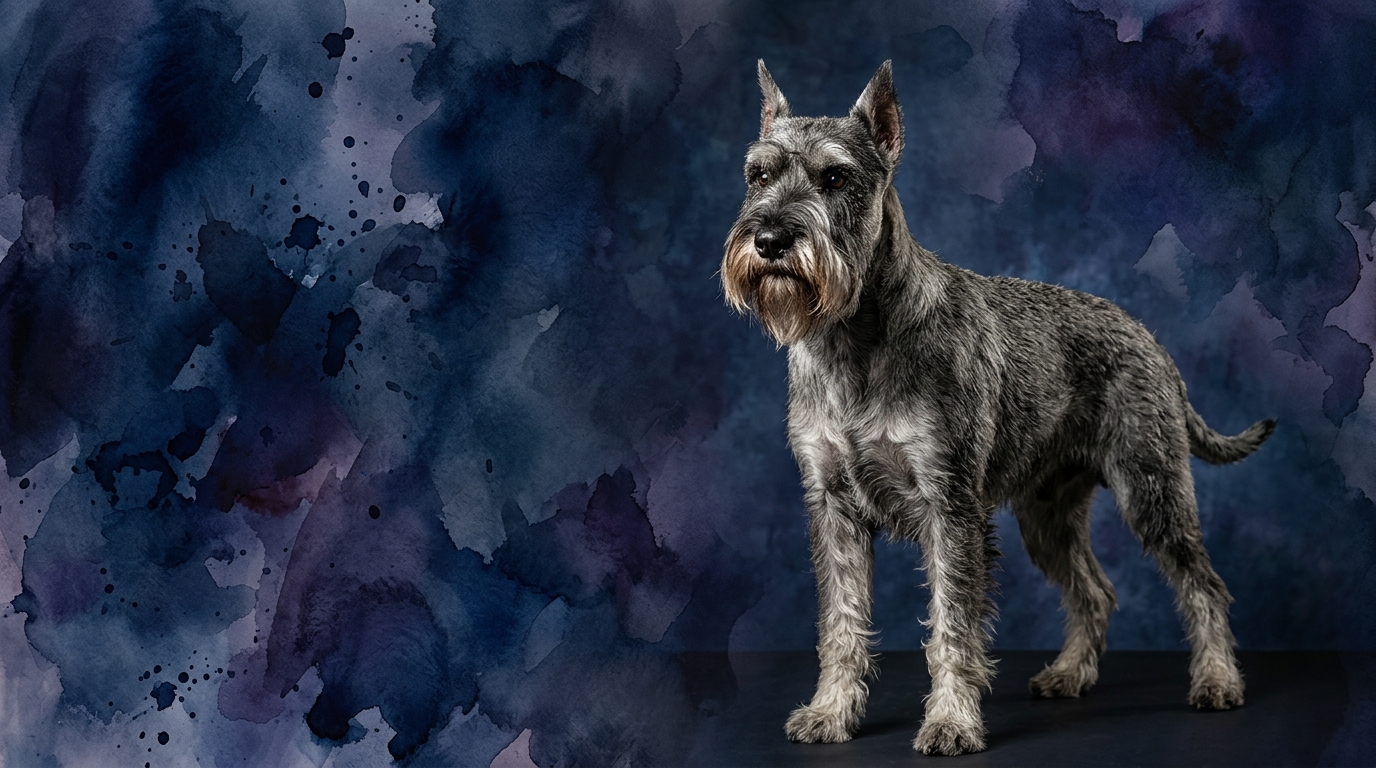
The Standard Schnauzer, a member of the Working group and Coren-ranked #22 among dog breeds, exhibits a robust cognitive profile. It scores 4/5 in Problem Solving, indicating a strong capacity to analyze novel situations and devise effective solutions. Its Training Speed is also 4/5, suggesting a quick grasp of new commands and routines, often thriving on structured learning. Social Intelligence stands at 3/5, reflecting an ability to understand human cues and social dynamics within its immediate family, though perhaps with a reserved approach to strangers. Instinctive Drive is 3/5, manifesting as a strong sense of purpose and vigilance, characteristic of its historical roles as a guard and vermin catcher. Finally, its Memory is 4/5, indicating excellent retention of learned behaviors and experiences, which aids in consistent performance over time.
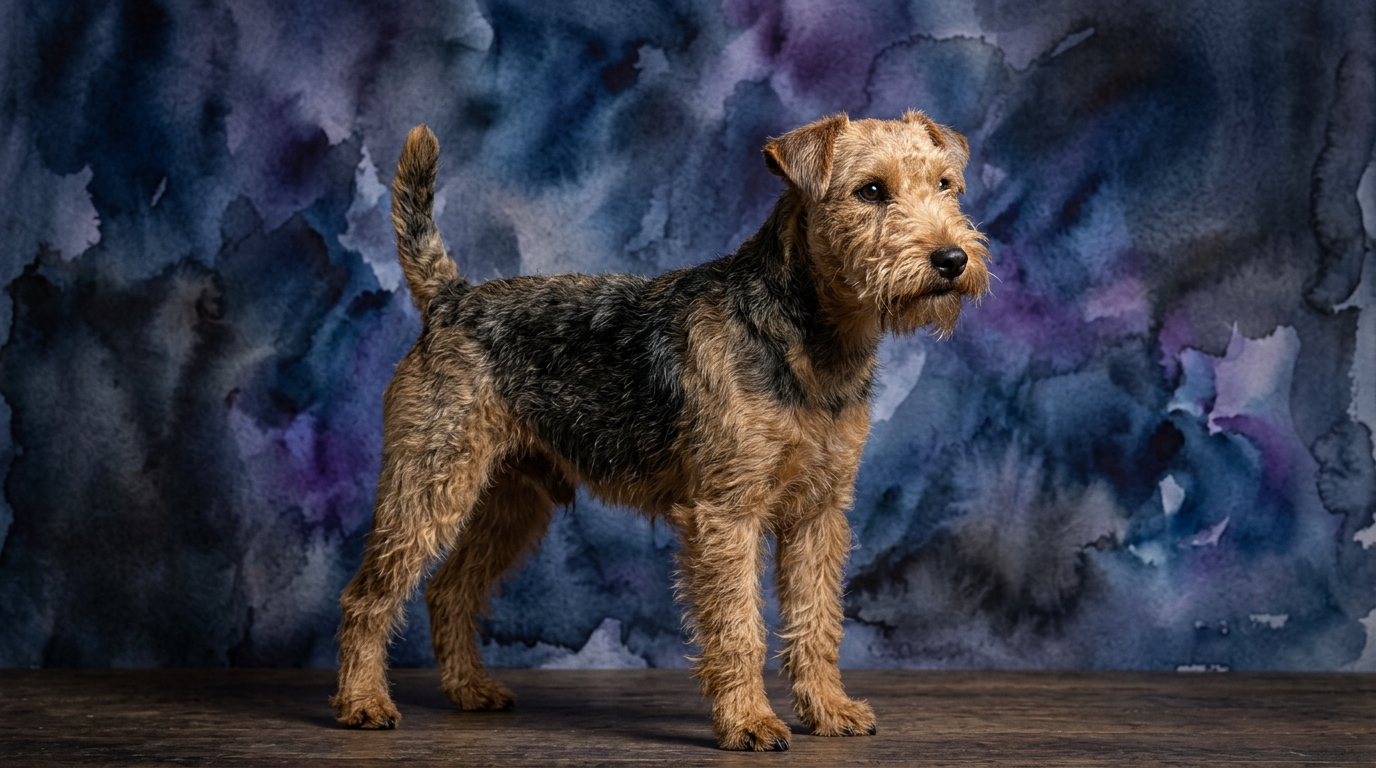
In contrast, the Lakeland Terrier, a spirited member of the Terrier group and not Coren-ranked, presents a more uniformly balanced, yet distinct, cognitive picture. It scores 3/5 across all five dimensions: Problem Solving, Training Speed, Social Intelligence, Instinctive Drive, and Memory. This consistent scoring suggests a resilient and adaptable intellect, where no single area is a significant weakness, but also where its strengths are often expressed through the lens of terrier tenacity and independence. Its problem-solving is practical and goal-oriented, often related to its original purpose of hunting vermin. Training Speed, while moderate, reflects a capacity to learn, albeit with a stronger will. Social intelligence is typically directed towards its inner circle, and its instinctive drive is potent, guiding its determined pursuits. Its memory, while not as rapid as the Schnauzer's, is sufficient for retaining crucial information and experiences.
It's crucial to remember that Coren's ranking primarily assesses 'working and obedience intelligence,' which heavily favors breeds that are eager to please and quick to follow commands. A lack of Coren ranking or lower scores in certain areas does not imply a lack of intelligence; rather, it highlights differing cognitive priorities and expressions, often rooted in a breed's historical function and inherent temperament.
Where the Standard Schnauzer Excels Cognitively
The Standard Schnauzer's cognitive strengths are particularly evident in its capacity for structured learning and retention. With a Problem Solving score of 4/5, these dogs demonstrate a superior ability to navigate complex environments, figure out intricate puzzle toys, or understand multi-step commands. This translates into a dog that can often independently assess a situation and arrive at a solution, rather than simply relying on learned responses.
Their 4/5 score in Training Speed means they acquire new skills and commands with impressive efficiency. This quick uptake is often coupled with a desire to collaborate, making them highly receptive to positive reinforcement methods. An owner might find a Schnauzer mastering a new trick or obedience sequence in significantly fewer repetitions compared to many other breeds. Furthermore, their 4/5 Memory score ensures that once a behavior is learned, it is retained effectively over long periods. This consistency makes them reliable partners in advanced obedience, dog sports, or any activity requiring a sequence of precise actions, as they recall instructions and routines with precision.
Where the Lakeland Terrier's Cognition Shines
While the Lakeland Terrier's scores are consistently 3/5, these moderate ratings belie a practical, resilient, and highly effective cognitive profile for its intended purpose. Its Problem Solving at 3/5 means it's adept at practical, often independent, problem-solving, particularly when it involves navigating terrain or figuring out how to achieve a goal related to its strong prey drive. They might not be solving complex abstract puzzles, but they are exceptionally resourceful in real-world scenarios, like finding a way around an obstacle to reach a specific scent.
The Lakeland's Social Intelligence, also 3/5, fosters a deep, albeit selective, bond with its family. This isn't about eager-to-please compliance, but a sturdy independence coupled with a keen understanding of its immediate human companions. They read family dynamics with a confident self-assurance, appreciating companionship on their own terms. Their consistent 3/5 across the board points to a balanced and robust cognitive make-up, suggesting an adaptable dog that can handle various challenges without significant cognitive strain, emphasizing a pragmatic, tenacious intelligence rather than one focused on human-directed performance.
Trainability: Schnauzer's Eagerness vs. Lakeland's Tenacity
When it comes to ease of training, the Standard Schnauzer generally holds an advantage due to its higher Training Speed (4/5) and Memory (4/5). These traits, combined with their Working group heritage, mean they typically possess a greater desire to collaborate with their human partners and learn structured tasks. They respond well to consistent positive reinforcement, often showing a focused attention span during training sessions and thriving on the mental engagement of learning new commands or sequences.
The Lakeland Terrier, with its 3/5 Training Speed, requires a more patient and creative approach. Their terrier independence and strong instinctive drive (3/5) mean they can be more self-directed and less inclined to follow commands if something more stimulating captures their attention, like a tantalizing scent or a perceived 'prey.' While they are capable of learning and retaining commands (Memory 3/5), owners must be prepared for more repetition and to make training highly engaging and rewarding to maintain their focus. Their behavioral difference lies in their inherent tenacity; they are less likely to simply comply out of a desire to please and more likely to weigh the 'what's in it for me' factor, demanding a consistent, firm yet fair, and often humorous training style.
Lifestyle Match: Active Engagement vs. Independent Exploration
The Standard Schnauzer is an ideal companion for active owners who enjoy structured activities and mental challenges. Their high Problem Solving (4/5) and Training Speed (4/5) make them excellent candidates for dog sports like agility, obedience, rally, or even Schutzhund. These dogs thrive on having a 'job' and need consistent mental stimulation to prevent boredom, making them a good match for individuals or families who are committed to daily training sessions and engaging their dog's mind regularly. Their social intelligence (3/5) means they form strong bonds but are not typically clingy, appreciating family involvement without constant demanding attention.
The Lakeland Terrier, also suited for active owners, appeals to those who appreciate a dog with a strong independent streak and a passion for exploration. Their consistent 3/5 scores across the board indicate a robust and capable dog that derives mental engagement from investigating their surroundings and pursuing their natural instincts. Owners interested in earthdog trials, long varied walks where scent work is encouraged, or agility will find a willing, albeit self-directed, partner. While they need an outlet for their energy and drive, their engagement often comes from their own initiative rather than solely human-directed tasks. A relaxed owner might struggle with their innate tenacity and need for outlets for their instinctive drive, which can manifest as digging or determined pursuits if not properly managed.
The Verdict: Choosing Your Intelligent Companion
The Verdict
Choose the Standard Schnauzer if you seek a highly collaborative, fast-learning companion eager for structured training, dog sports, and consistent mental challenges within a family setting.
Opt for the Lakeland Terrier if you appreciate an independent, resilient, and tenacious companion for active exploration and earthdog-type pursuits, understanding they require patient, creative, and consistent guidance.
🧠 Find Your Pet's IQ Score
Our Pet IQ Lab assessment covers 25+ tests across 5 cognitive dimensions — personalized to your breed.
Take the Full IQ Test →Frequently Asked Questions
Does Coren ranking tell the whole story of a dog's intelligence?
No, Coren ranking primarily assesses 'working and obedience intelligence,' which focuses on trainability and command following. It doesn't fully capture problem-solving in natural environments, social nuance, or instinctive drives, all of which contribute to a dog's overall cognitive profile.
Are terriers less intelligent than working dogs?
Not necessarily 'less intelligent,' but their cognitive strengths often lie in different areas. Terriers, like the Lakeland, excel at independent problem-solving related to their original purpose, showing tenacity and resourcefulness, rather than the eager-to-please cooperation often seen in working breeds.
How does instinctive drive impact a dog's daily life?
Instinctive drive dictates a dog's innate motivations, like a strong prey drive, herding instinct, or guarding tendency. For the Lakeland Terrier, its moderate instinctive drive (3/5) means it will naturally pursue small critters, dig, and be persistent, requiring owners to manage these innate behaviors with training and appropriate outlets.