Side-by-Side IQ Profile: Standard Schnauzer vs. Lhasa Apso
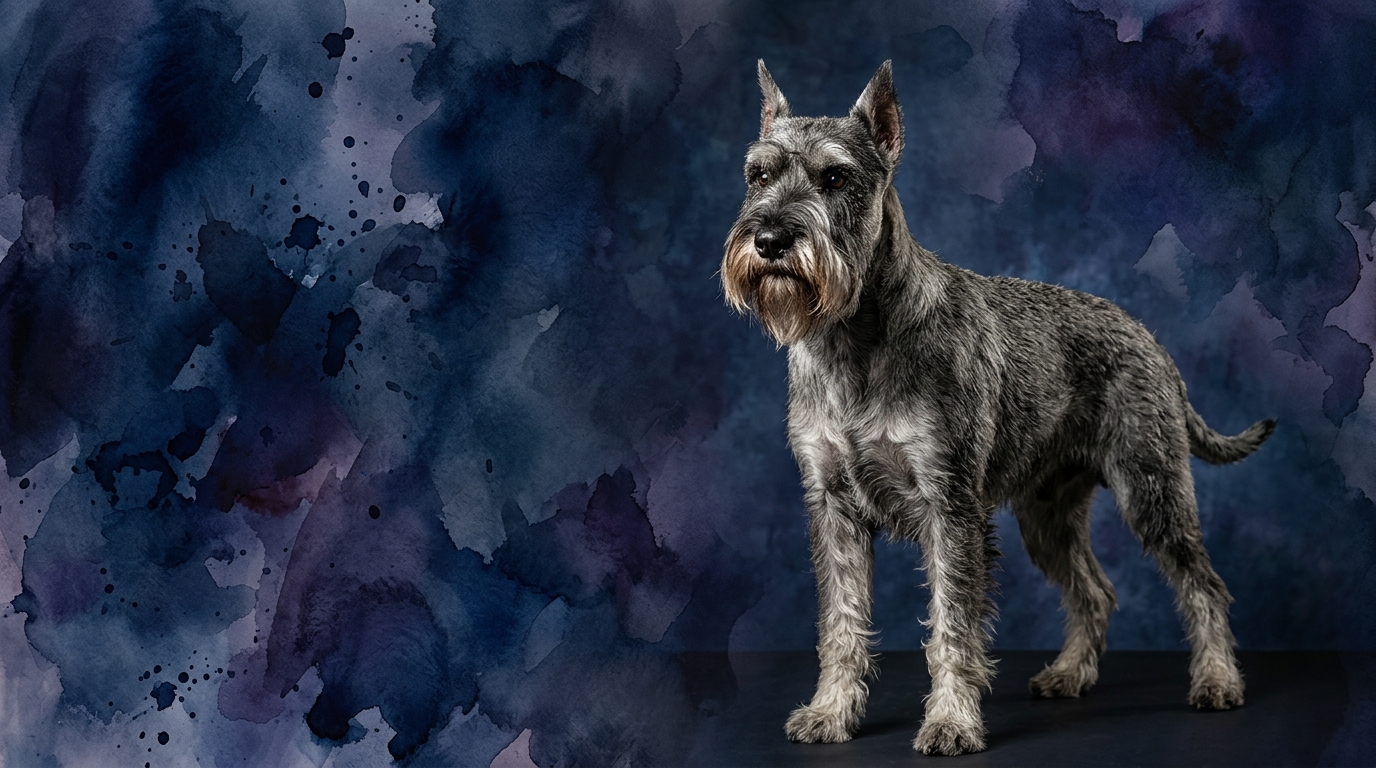
The Standard Schnauzer, a Working Group dog with a Coren rank of #22, exhibits a formidable cognitive profile. Its Problem Solving is rated 4/5, indicating a robust capacity for analytical thought and devising effective solutions to navigate obstacles or achieve goals, a trait honed by its historical roles in guarding and vermin control, manifesting in their ability to figure out complex toy puzzles or open latches. Training Speed is 4/5; possessing a keen desire to learn and a quick grasp of new commands, this breed typically picks up new skills with impressive alacrity, making training sessions productive and engaging. Social Intelligence is 3/5; while capable of forming deep bonds and understanding human cues, their social intelligence leans towards discerning loyalty within their established family unit, sometimes exhibiting a reserved demeanor with strangers rather than an immediate, universal affability. Instinctive Drive is 3/5; their instincts are primarily geared towards protection, vigilance, and a strong prey drive, reflecting their historical duties as farm dogs and ratters, fueling their alertness and readiness to act when perceived threats arise. Finally, Memory is 4/5; the Standard Schnauzer exhibits a formidable memory, retaining commands, routines, and experiences over long periods, which greatly contributes to their reliability and consistency in learned behaviors, rarely forgetting a lesson or a person.
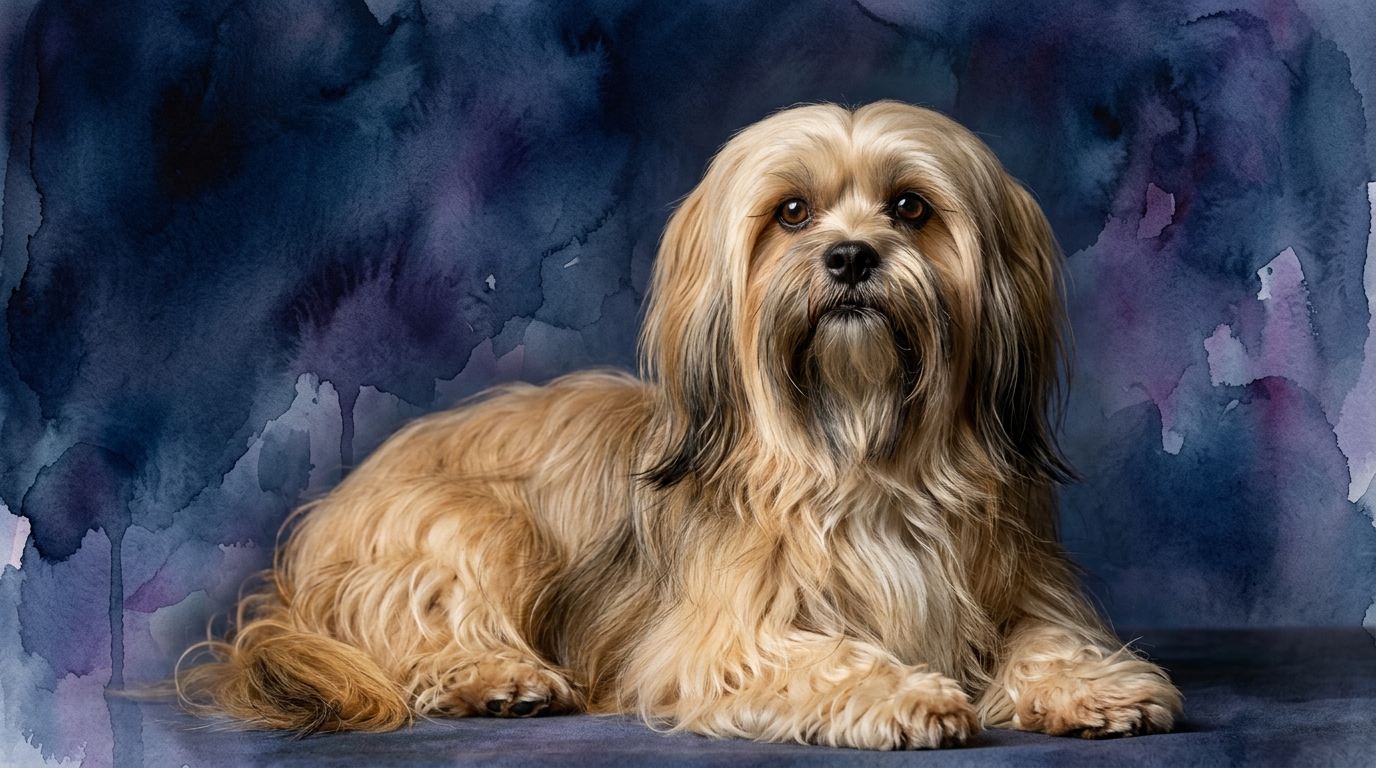
The Lhasa Apso, a Non-Sporting Group dog with a Coren rank of #68, presents a unique cognitive blend. Its Problem Solving is rated 3/5, approaching challenges with a blend of independence and practicality, often relying on tenacity and observational skills to navigate its environment rather than seeking complex solutions, perhaps finding a workaround rather than a direct answer. Training Speed is 3/5; while capable of learning, the Lhasa Apso's training speed is often tempered by an independent streak and a strong sense of self-preservation, requiring patience and consistent, positive reinforcement to fully engage their learning capabilities, meaning they learn at their own pace. Social Intelligence is 3/5; their social intelligence is characterized by a discerning nature, forming strong, often exclusive bonds with their inner circle but tending to be aloof or wary towards outsiders, carefully assessing new interactions. Instinctive Drive is 3/5; the breed's instinctive drive is rooted in its historical role as a sentinel dog, manifesting as a sharp awareness of their surroundings, an alert barking tendency, and a protective instinct towards their home and family. Memory is 3/5; Lhasas possess a solid memory for routines, commands, and key individuals, contributing to their consistency within their established environment, though perhaps not with the same immediate recall as some working breeds.
Where the Standard Schnauzer Wins Cognitively
The Standard Schnauzer clearly excels in areas demanding active engagement and rapid processing, particularly in problem-solving and training speed. Their 4/5 rating in problem-solving indicates a dog that doesn't just react but actively thinks through challenges, whether it's navigating an agility course or figuring out how to retrieve a hidden toy. This cognitive agility allows them to adapt quickly to new situations and learn complex sequences of behaviors with relative ease, a direct benefit of their working heritage where problem-solving was essential for their roles.
Furthermore, their superior memory (4/5) reinforces their training prowess, ensuring that once a lesson is learned, it tends to stick. This robust recall makes advanced training and consistent performance across various tasks more attainable, a direct benefit of their working heritage where reliability was paramount. Owners will find this breed less prone to 'forgetting' previously mastered commands, even after a break, making long-term training efforts highly rewarding.
Where the Lhasa Apso Wins Cognitively
While the Lhasa Apso's scores might appear numerically lower, their cognitive profile represents a distinct set of strengths perfectly suited to their historical purpose as sentinels. Their 3/5 in problem-solving, combined with their 3/5 social intelligence, translates into a discerning and independent thinker. Rather than seeking to please or solve for human approval, the Lhasa often problem-solves for self-preservation or to effectively guard its territory, displaying a cleverness rooted in caution and resourcefulness.
Their consistent 3/5 across all categories, especially in instinctive drive and memory, speaks to a balanced and resilient cognitive architecture that prioritizes awareness and self-sufficiency. This isn't a dog that requires constant direction; instead, it processes its environment with a quiet vigilance, remembering threats and safe zones, and making independent judgments about new stimuli. This particular blend of cognitive attributes makes them exceptionally effective watchdogs, where an independent assessment of situations is often more valuable than immediate obedience.
Which is Easier to Train and Why
When comparing trainability, the Standard Schnauzer generally offers a more straightforward experience. With a training speed of 4/5 and a strong problem-solving ability (4/5), they are eager to engage, quick to grasp new concepts, and retain information efficiently thanks to their 4/5 memory. Their working background instilled a desire for purpose and cooperation, making them highly responsive to consistent, positive reinforcement and often thriving on mental challenges presented during training sessions. They are typically motivated by praise, food, or toys and enjoy the collaborative aspect of learning.
The Lhasa Apso, with its 3/5 training speed, presents a different training dynamic. While capable of learning, their inherent independence and sentinel mindset mean they process information at a more deliberate pace and require a trainer who understands their motivations. Their problem-solving (3/5) is often directed towards their own goals rather than immediately aligning with human directives, necessitating patience and creative methods to make training rewarding from their perspective. Owners must understand that a Lhasa Apso might 'know' a command but choose to obey only if it aligns with their current assessment of the situation, a reflection of their historical role where independent judgment was key.
Which Suits Active Owners vs. Relaxed Owners
The Standard Schnauzer, with its higher scores in problem-solving, training speed, and memory, coupled with a 3/5 instinctive drive, is an ideal match for active owners who relish mental and physical engagement. This breed thrives on structured activities like agility, obedience, or even scent work, which tap into their problem-solving prowess and desire to learn. Their working heritage means they require consistent stimulation to prevent boredom and channel their considerable mental energy constructively, making them excellent companions for owners who enjoy an active, participatory lifestyle with their dog.
Conversely, the Lhasa Apso's cognitive profile, marked by consistent 3/5 scores and a strong independent streak, tends to suit owners seeking a more relaxed yet discerning companion. While they still benefit from mental enrichment and regular walks, their needs are less about high-intensity activity and more about a secure environment where they can exercise their vigilant nature. Owners who appreciate a dog with a strong personality and a capacity for independent thought, content with observing their surroundings and offering companionship on their own terms, will find the Lhasa Apso a rewarding partner. They do not demand constant interaction but value their space and routine.
The Verdict
Choose the Standard Schnauzer if you desire a highly trainable, mentally agile companion eager for collaborative challenges and consistent engagement in a variety of activities.
Opt for the Lhasa Apso if you value an independent, discerning companion with a strong sense of self, content with a more relaxed routine yet possessing a keen awareness of its surroundings.
🧠 Find Your Pet's IQ Score
Our Pet IQ Lab assessment covers 25+ tests across 5 cognitive dimensions — personalized to your breed.
Take the Full IQ Test →Frequently Asked Questions
Does Coren rank directly correlate with the Pet IQ Lab scores?
The Coren rank, which primarily assesses obedience and working intelligence, often aligns with our Training Speed and Problem Solving scores, but our IQ Lab offers a more nuanced breakdown of specific cognitive dimensions, providing a broader understanding beyond just trainability.
Can a Lhasa Apso excel in dog sports despite its lower training speed score?
Absolutely. While their training speed is rated 3/5, a patient and consistent owner can certainly train a Lhasa Apso for success in various dog sports; their tenacity and independent problem-solving can be an asset, though it might require more time and creative motivation than with a Schnauzer.
How does the 'instinctive drive' score impact daily life for these breeds?
For the Standard Schnauzer, its 3/5 instinctive drive means a notable prey drive and protective tendencies, requiring consistent training and management around small animals or strangers. For the Lhasa Apso, its 3/5 drive manifests as strong territoriality and alert barking, ideal for a watchdog but needing early socialization to prevent excessive wariness towards visitors.