Side-by-Side Cognitive Profiles: Standard Schnauzer vs. Parson Russell Terrier
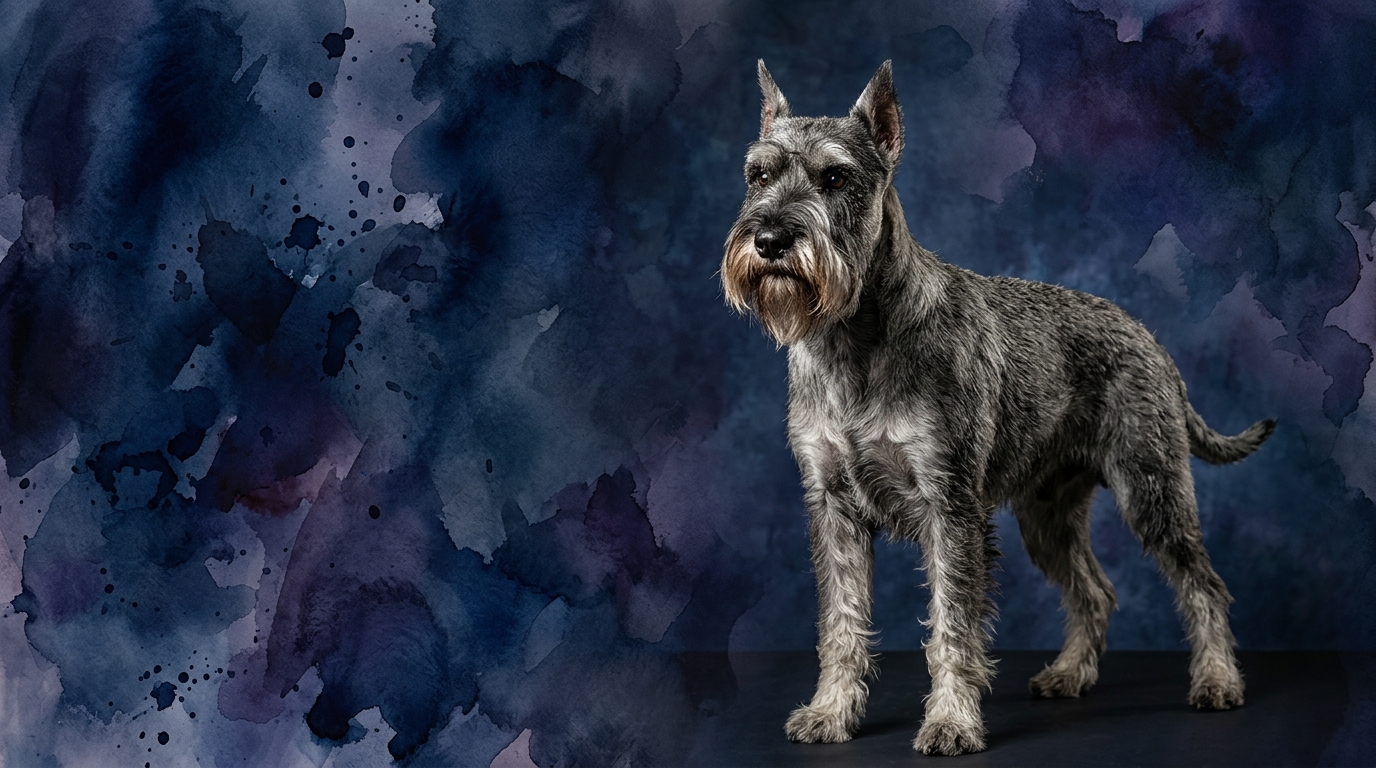
The Standard Schnauzer, a working breed, exhibits a well-rounded and elevated cognitive capacity, reflected in its Coren rank of #22. Their Problem Solving is rated at 4/5, indicating an aptitude for figuring out novel situations and overcoming obstacles, often with a logical approach. Training Speed also stands at 4/5, meaning they grasp new commands and behaviors with impressive quickness, requiring fewer repetitions than many other breeds. Social Intelligence is 3/5, suggesting they possess a reasonable understanding of human cues and social dynamics within their pack, though perhaps not as acutely sensitive as some companion breeds. Their Instinctive Drive is 3/5, manifesting as a balanced inclination towards their historical roles of guarding and vermin control, without being overwhelmingly obsessive. Finally, Memory is strong at 4/5, allowing them to retain learned behaviors and past experiences over extended periods.
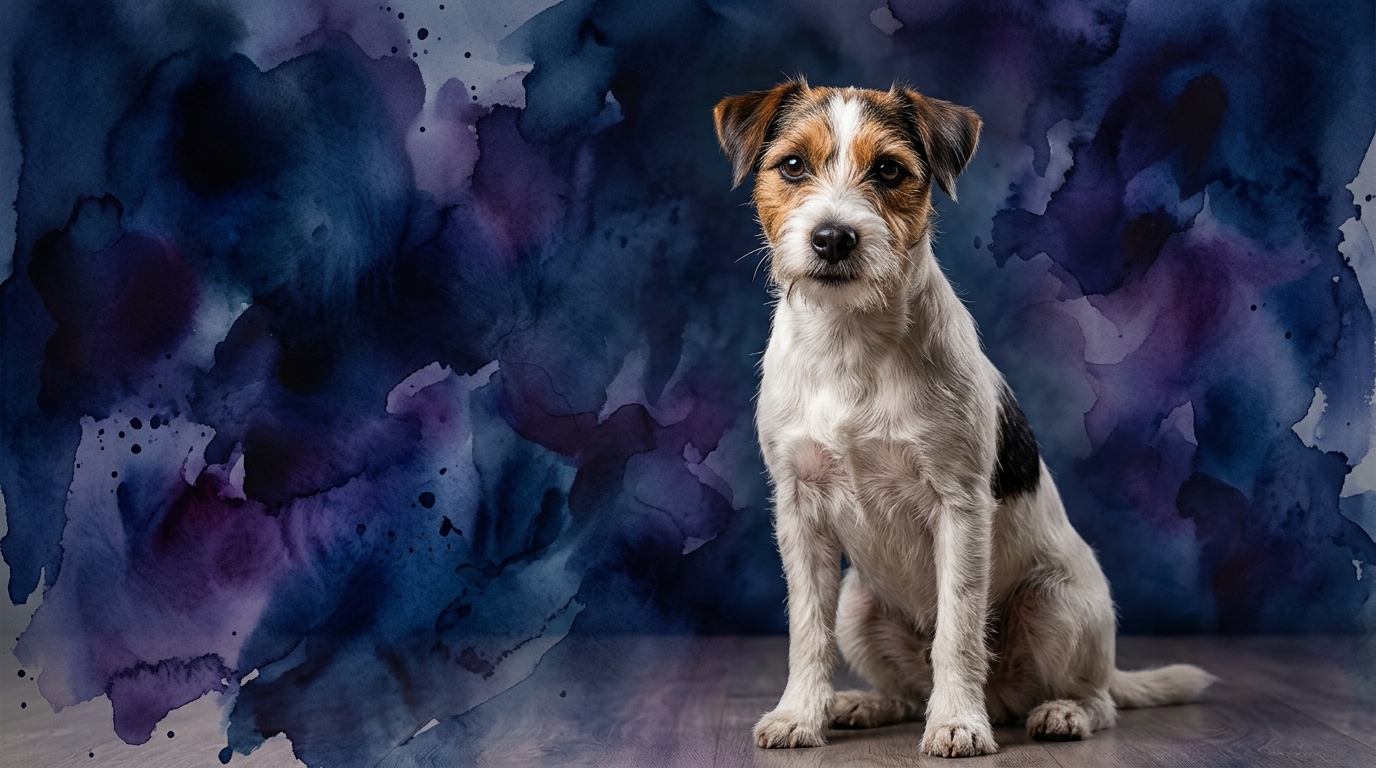
The Parson Russell Terrier, a tenacious terrier breed, presents a different cognitive blueprint, reflecting its heritage in demanding hunting roles, and is not specifically listed in Coren's rankings. Their Problem Solving is rated 3/5, indicating they can devise solutions to challenges, often through persistence and resourcefulness, especially when related to their prey drive. Training Speed also sits at 3/5, meaning they learn at a steady pace, but their independent nature might require more consistent and engaging training methods to maintain focus. Like the Schnauzer, their Social Intelligence is 3/5, enabling them to navigate their human household dynamics effectively, though they tend to be more independent in their decision-making. Instinctive Drive is a solid 3/5, strongly geared towards hunting and exploring, which is central to their being. Memory is rated 3/5, meaning they retain information adequately, though perhaps not with the same depth or duration as the Standard Schnauzer for complex, multi-step commands.
Where the Standard Schnauzer Excels Cognitively
The Standard Schnauzer's cognitive strengths distinctly shine in areas demanding rapid acquisition of information and complex task execution. Their 4/5 rating in Training Speed means they absorb new obedience cues, agility sequences, or service dog tasks with notable efficiency. Owners often report fewer repetitions are needed for a Schnauzer to master a new command compared to many other breeds, making them highly responsive in structured learning environments. This quick uptake is coupled with a 4/5 Memory, allowing them to retain a vast repertoire of commands and routines over time, making advanced training or competitive dog sports particularly suitable for them. They are less likely to 'forget' their training even after a break.
Furthermore, their 4/5 Problem Solving capability equips them to analyze and navigate novel situations effectively. For instance, a Schnauzer might quickly figure out how to open a childproof gate or devise a strategy to retrieve a toy stuck under furniture. This isn't just about brute force; it involves a sequential thought process and adaptability. Their working dog background fostered an ability to understand and execute multi-step commands, from herding to guarding, which translates into a cognitive flexibility that allows them to excel in roles requiring independent decision-making within a framework of learned rules. This cognitive edge makes them adept at adapting to new environments and unexpected challenges, often finding solutions that might elude breeds with lower problem-solving scores.
Where the Parson Russell Terrier Shows Its Unique Cognitive Strengths
While the Parson Russell Terrier might not match the Standard Schnauzer's scores in all areas, their 3/5 ratings across the board are not indicative of a lack of mental prowess but rather a specialized intelligence honed for their specific purpose. Their 3/5 Problem Solving is often demonstrated through incredible persistence and cunning when pursuing a goal, particularly one driven by instinct. For a Parson Russell, 'problem-solving' might mean devising creative ways to locate and flush out prey, navigating complex underground tunnels, or overcoming physical barriers through sheer determination rather than intellectual analysis. They exhibit a 'can-do' attitude, often finding solutions through trial and error, driven by their innate curiosity and drive.
The Parson Russell Terrier’s 3/5 Instinctive Drive is a profound cognitive strength, dictating much of their behavior and mental engagement. This drive is not merely physical; it involves a sharp focus and unwavering determination that allows them to stay on task, whether it's tracking a scent or engaging in vigorous play. This single-mindedness, while sometimes challenging for owners, is a testament to their cognitive prioritization. Their Social Intelligence at 3/5, combined with this drive, means they are observant of their human companions and often learn what behaviors yield desired outcomes for them, even if it requires a bit of charming manipulation. Their memory, also 3/5, is sufficient to remember hunting routes and the locations of interesting smells, showing a practical, environmentally-focused retention of information.
Training Dynamics: Which Breed Is Easier and Why?
When considering ease of training, the Standard Schnauzer generally presents a more straightforward path for most owners. Their 4/5 Training Speed means they quickly connect a command to an action, and their 4/5 Memory ensures these connections are retained. This breed thrives on structure and responds well to consistent, positive reinforcement, often eager to please and quick to pick up new tasks. They are adept at understanding complex sequences, making them excellent candidates for advanced obedience, rally, or agility. Behavioral differences such as their inherent desire to work alongside their human and their ability to maintain focus for longer periods contribute significantly to their trainability.
The Parson Russell Terrier, with 3/5 in both Training Speed and Memory, requires a different approach. While capable of learning, their strong independent streak and high instinctive drive can make training more challenging. They may grasp commands, but their focus can easily be diverted by scents, sounds, or the prospect of a 'hunt.' Training a Parson Russell often means making it highly engaging, game-like, and varied to prevent boredom and harness their natural drive. Consistency is paramount, but so is patience and a sense of humor, as their terrier tenacity means they might test boundaries or offer alternative interpretations of commands. Their historical role demanded independent action, not constant compliance, which is reflected in their training personality.
Matching Breeds to Lifestyles: Active vs. Relaxed Owners
Neither the Standard Schnauzer nor the Parson Russell Terrier is suited for a truly relaxed, sedentary owner, as both breeds possess significant energy and a need for mental stimulation. However, the *type* of activity and engagement they require differs. The Standard Schnauzer, with its working dog background and higher cognitive scores, thrives with owners who can provide structured activities that engage both body and mind. This includes advanced obedience classes, competitive dog sports like agility or flyball, or even roles as therapy or assistance dogs. They need a job to do and will channel their energy into purposeful activities, making them ideal for active owners who enjoy training and challenging their canine companions with complex tasks and consistent routines.
The Parson Russell Terrier, while equally active, requires outlets that speak to its terrier soul. Their strong instinctive drive means they excel in activities like earthdog trials, lure coursing, or long, vigorous hikes where they can explore and follow scents. Owners who enjoy outdoor adventures, have a secure yard for digging, and are prepared for a dog with boundless energy and a spirited personality will find a compatible companion. They need ample physical exercise to prevent boredom and destructive behaviors, but their cognitive needs are often met by engaging their prey drive and allowing them to 'hunt' or explore. They are best for active owners who appreciate a dog with independent spirit and a zest for life, even if it means a bit more management of their natural instincts.
The Verdict
Choose the Standard Schnauzer if you desire a highly trainable companion eager to learn complex tasks and participate in structured activities, appreciating their consistent cognitive performance. They are an excellent match for owners who enjoy a dog that readily integrates into a multi-faceted lifestyle with clear guidance.
Opt for the Parson Russell Terrier if you seek an endlessly energetic, tenacious companion whose intelligence shines through independent problem-solving and an unwavering drive for exploration. They are best for active owners who appreciate a spirited dog with a strong personality and can provide ample outlets for their natural instincts.
🧠 Find Your Pet's IQ Score
Our Pet IQ Lab assessment covers 25+ tests across 5 cognitive dimensions — personalized to your breed.
Take the Full IQ Test →Frequently Asked Questions
Do Standard Schnauzers make good family dogs considering their social intelligence?
With a social intelligence rating of 3/5, Standard Schnauzers can integrate well into families, often forming strong bonds with their primary caregivers. They are generally protective and observant, but early socialization is crucial to ensure they are comfortable and polite with children and other pets, helping them navigate complex family dynamics smoothly.
Is a Parson Russell Terrier's lower training speed a significant hindrance for a first-time dog owner?
A Parson Russell Terrier's 3/5 training speed, coupled with their independent nature, can present challenges for a first-time owner, as they require consistent, patient, and engaging training methods. While not impossible, a novice owner should be prepared to invest significant time and effort in positive reinforcement and creative training to manage their strong instincts effectively.
How does the instinctive drive difference impact daily life with these breeds?
The 3/5 instinctive drive in both breeds manifests differently; the Standard Schnauzer's drive leans towards guarding and general working tasks, making them watchful and purposeful. The Parson Russell Terrier's 3/5 drive is intensely focused on hunting and prey, meaning they will be highly motivated by scents and movement, which requires secure environments and careful management during walks to prevent chasing.