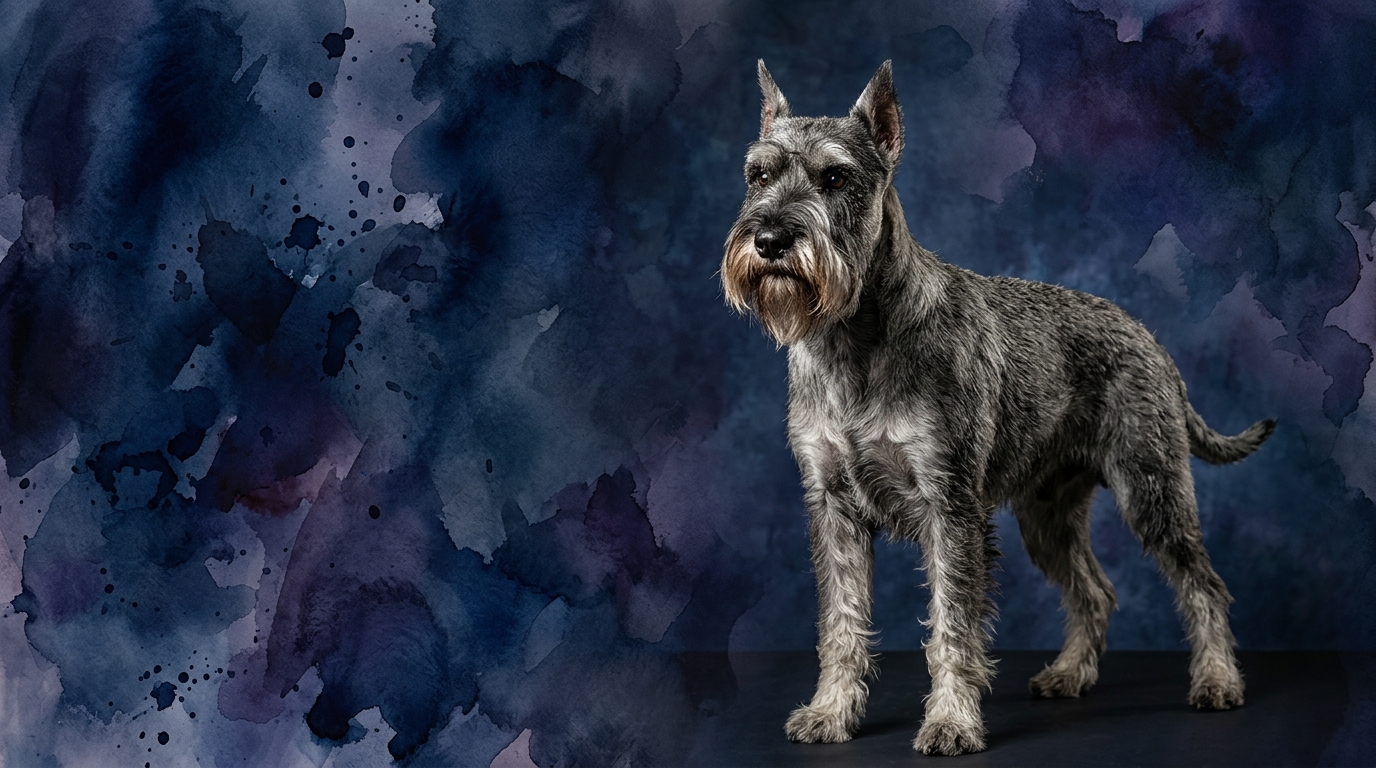
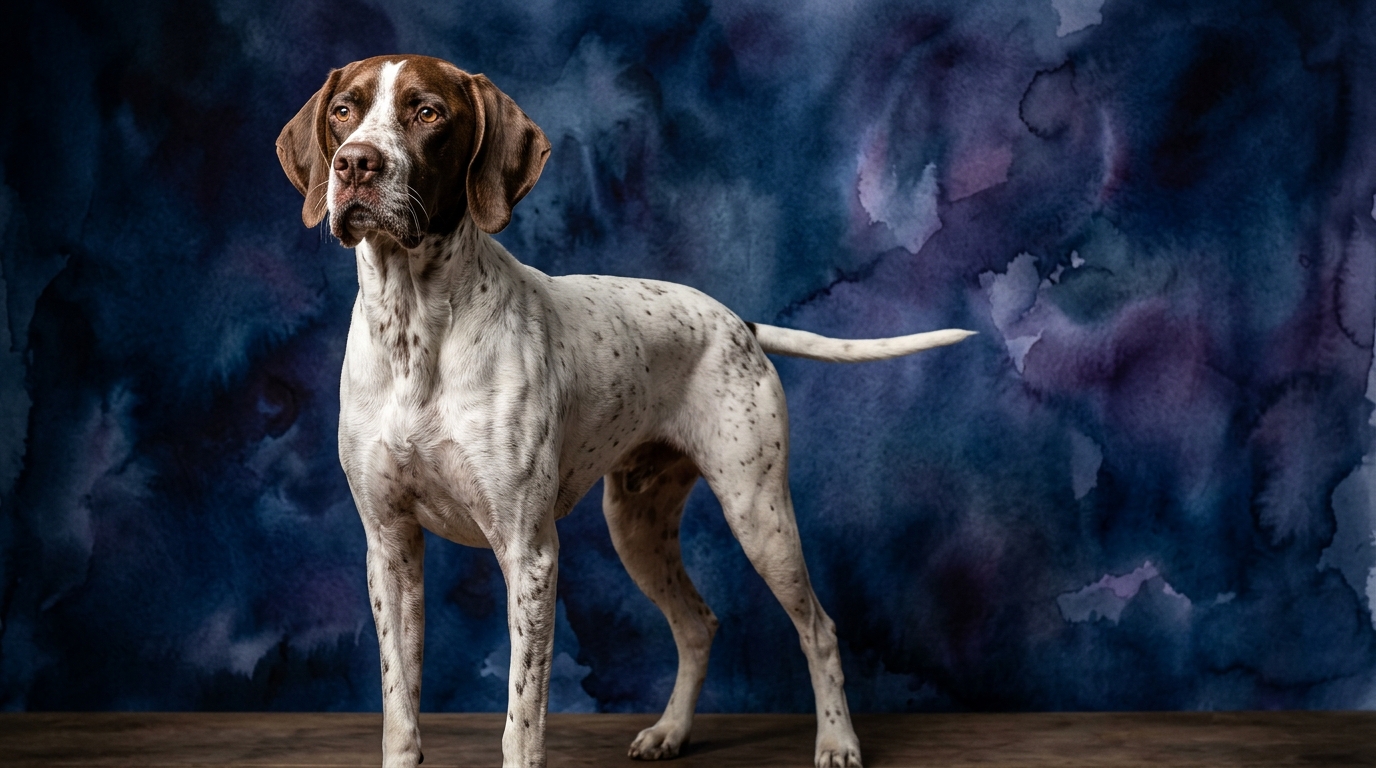
Side-by-Side IQ Profile: Standard Schnauzer vs. Pointer
At The Cosmic Pet Pet IQ Lab, we analyze canine intelligence across five key dimensions, offering a nuanced perspective beyond simple rankings. The Standard Schnauzer, a robust member of the Working Group, presents a formidable cognitive profile, reflected in its impressive Coren rank of #22 among dog breeds. This breed scores a strong 4 out of 5 in both Problem Solving and Training Speed, indicating a keen ability to navigate complex situations and absorb new commands with remarkable efficiency. Their Memory also stands at a commendable 4 out of 5, suggesting they retain learned behaviors and information over extended periods. In terms of Social Intelligence and Instinctive Drive, the Standard Schnauzer registers a balanced 3 out of 5. This score suggests they possess adequate social awareness and a moderate, yet directed, inherent drive, perhaps less overtly intense than some specialized hunting breeds but certainly present and purposeful in their actions.
In contrast, the Pointer, an athletic representative of the Sporting Group, showcases a more consistent, balanced cognitive aptitude across our metrics, though it does not hold a specific Coren rank. This breed consistently scores 3 out of 5 in Problem Solving, Training Speed, Social Intelligence, Instinctive Drive, and Memory. A score of 3/5 in Problem Solving indicates they can handle routine challenges effectively but might require more guidance or repetition for novel, complex puzzles compared to their Schnauzer counterpart. Their 3/5 in Training Speed suggests they learn at a steady pace, capable of mastering commands with consistent reinforcement. A Memory score of 3/5 means they will remember what they've learned, though perhaps not with the same immediate recall or long-term retention of intricate sequences as the Schnauzer. The Pointer's 3/5 in Social Intelligence points to an amiable nature, generally cooperative and responsive to human interaction, while their 3/5 in Instinctive Drive highlights a focused, inherent urge, predominantly geared towards their specialized role in pointing game, rather than a broad spectrum of working tasks.
Where the Standard Schnauzer Wins Cognitively
The Standard Schnauzer's cognitive strengths distinctly shine in areas requiring independent thought and rapid acquisition of knowledge. Their 4/5 Problem Solving ability means they are adept at figuring things out, whether it's navigating complex environments, deciphering puzzle toys, or even outsmarting a gate latch. This isn't just about brute force; it's about applying previous experiences and logic to new scenarios, making them excellent candidates for advanced obedience, agility, or even search and rescue work where novel challenges are common. Furthermore, their 4/5 Training Speed is a significant advantage. A Standard Schnauzer can grasp new commands and concepts remarkably quickly, often requiring fewer repetitions than many other breeds. This rapid learning curve, coupled with their 4/5 Memory, allows them to build a vast repertoire of skills and behaviors, retaining complex command sequences and routines over long periods. Owners can teach them intricate tricks or multi-stage tasks, confident that the Schnauzer will not only learn but also remember the entire process, demonstrating a robust and enduring cognitive capacity.
Where the Pointer Wins Cognitively
While the Pointer may not boast higher scores in individual cognitive dimensions, its strength lies in the cohesive and purposeful application of its balanced intellect, making it a specialized master of its domain. The Pointer’s consistent 3/5 across Problem Solving, Training Speed, Social Intelligence, and Memory, particularly when integrated with its 3/5 Instinctive Drive, creates a highly focused and effective working partner in the field. Rather than excelling in independent problem-solving for abstract tasks, the Pointer's cognitive profile is optimized for sustained attention and responsiveness to its handler in a dynamic hunting environment. Their moderate problem-solving allows them to navigate terrain and follow scent without being overly distracted by peripheral stimuli, while their training speed and memory are perfectly sufficient for mastering and consistently executing complex field commands like 'whoa' or retrieving. The Pointer's true cognitive victory is its unwavering dedication and singular focus on its primary task—locating and pointing game—requiring a steady, cooperative intelligence rather than a divergent, independent one. This breed excels at being a reliable, consistent partner, executing learned behaviors with precision and stamina, making them unparalleled in their specialized sporting role.
Which is Easier to Train and Why
When evaluating ease of training, the Standard Schnauzer generally presents a more straightforward path for owners seeking a versatile, quick learner. Their 4/5 Training Speed means they absorb new commands rapidly, often connecting cause and effect with fewer repetitions. This efficiency, combined with their 4/5 Memory, allows for the quick establishment of a broad behavioral repertoire, from basic obedience to complex tricks and competitive dog sports. However, their 4/5 Problem Solving can sometimes translate into an independent streak; if a Schnauzer perceives a more efficient way to achieve a goal, they might opt for it, requiring a trainer who is consistent and engaging to channel their intellect constructively.
The Pointer, with a 3/5 Training Speed and Memory, will certainly learn, but typically requires more consistent repetition and patience. They are less likely to 'figure out' a command on their own and thrive on clear, structured guidance. Their 3/5 Instinctive Drive, however, is highly focused on game and can be a powerful motivator in training, especially when integrated with activities like scent work or retrieving. While they might take longer to master a command, once learned, a Pointer often executes it with unwavering consistency, particularly in their intended field. For an owner looking for a dog that picks up a wide range of commands quickly, the Standard Schnauzer has a cognitive edge; for specialized, consistent field work, the Pointer's steady learning and directed drive are highly effective.
Which Suits Active Owners vs. Relaxed Owners
Both the Standard Schnauzer and the Pointer are breeds that thrive with active engagement, making neither an ideal choice for a truly 'relaxed' or sedentary owner. However, the nature of the activity they require differs, reflecting their cognitive profiles.
The Standard Schnauzer, with its high problem-solving and memory scores, demands significant mental stimulation alongside physical exercise. These dogs need a 'job'—whether it's advanced obedience, agility, tracking, or even complex puzzle toys and regular training sessions that challenge their intellect. Owners who enjoy teaching new skills, participating in dog sports, or engaging in interactive games that require thought will find the Schnauzer a rewarding and eager partner. Neglecting their mental needs can lead to boredom and potentially destructive behaviors, as their clever minds will seek their own entertainment.
The Pointer, while also requiring substantial physical activity due to its sporting heritage and 3/5 instinctive drive, might be more content with sustained physical exertion focused on its innate purpose rather than constant novel mental challenges. Long runs, extensive hikes, and especially field work or scent games are paramount for a Pointer. Their cognitive profile, though not as high in independent problem-solving, is perfectly suited for repetitive, focused tasks that require endurance and a keen sense of smell. An active owner who enjoys daily long walks, runs, or has access to open spaces for off-leash exploration and field training will find the Pointer an excellent, tireless companion. While they benefit from training, their primary need is often physical exertion that aligns with their natural instincts, rather than the constant intellectual 'puzzles' a Schnauzer craves.
The Verdict
Choose the Standard Schnauzer for owners seeking a highly engaged, intellectually stimulating canine partner capable of diverse tasks, willing to invest in consistent mental challenges and advanced training.
Choose the Pointer for owners passionate about outdoor activities, especially field sports, who value a cooperative, focused companion for sustained physical endeavors and consistent, task-oriented work.
🧠 Find Your Pet's IQ Score
Our Pet IQ Lab assessment covers 25+ tests across 5 cognitive dimensions — personalized to your breed.
Take the Full IQ Test →Frequently Asked Questions
Is the Standard Schnauzer prone to stubbornness?
While not inherently stubborn, the Standard Schnauzer's high problem-solving ability and independent nature (a facet of their working heritage) can sometimes lead them to make their own decisions if they perceive a task differently or if training isn't consistent. They are intelligent enough to 'outthink' an inconsistent handler.
Do Pointers require extensive exercise daily?
Yes, Pointers absolutely thrive on extensive daily exercise. Their strong instinctive drive and sporting background mean they need significant physical activity, ideally involving running or exploring large areas, to stay mentally and physically content. Without it, they can become restless or develop undesirable behaviors.
How do these breeds typically interact with children?
Both breeds, with their 3/5 social intelligence, can be good with children when properly socialized and supervised. The Standard Schnauzer might be more protective and require careful introductions, while the Pointer is generally amiable and patient, though their size and energy mean supervision is always key to prevent accidental tumbles.