Side-by-Side IQ Profile: Standard Schnauzer vs. Rat Terrier
The Cosmic Pet Pet IQ Lab employs a five-dimensional framework to assess canine cognition, providing a nuanced understanding of each breed's mental strengths. Let's look at how the Standard Schnauzer and Rat Terrier measure up.
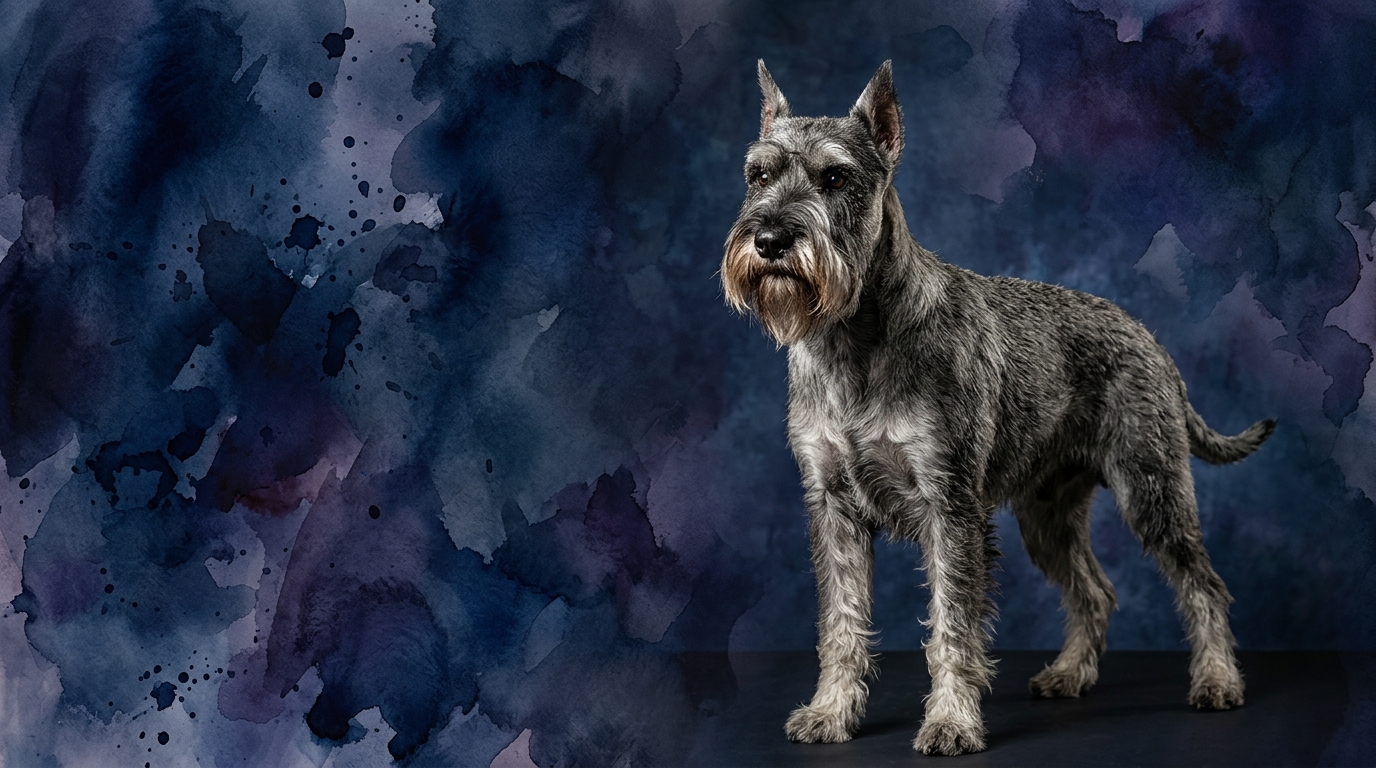
For the **Standard Schnauzer** (Working Group, Coren Rank #22): Problem Solving (4/5): This breed demonstrates a notable capacity for independent thought, often analyzing novel situations and devising effective solutions without direct human intervention. Their ability to strategize, whether it's figuring out how to access a coveted toy or navigating a complex obstacle course, reflects a high cognitive flexibility. This strong problem-solving skill makes them adept at learning intricate tasks and understanding complex sequences of commands. Training Speed (4/5): Standard Schnauzers are remarkably quick learners, typically grasping new commands and routines with fewer repetitions than many other breeds. Their inherent desire to engage and work alongside their handler, combined with their sharp focus, contributes significantly to this rapid acquisition of skills. This makes them highly responsive to positive reinforcement training and enjoyable partners in various dog sports. Social Intelligence (3/5): While capable of forming deep bonds within their primary family unit, the Standard Schnauzer possesses a moderate level of social intelligence. They observe and interpret social cues, both from humans and other canines, but their independent nature means they might not always seek constant social validation. They tend to be reserved with strangers, preferring to assess new social dynamics before fully engaging, showcasing a discerning social approach. Instinctive Drive (3/5): Rooted in their historical roles as farm dogs, guardians, and vermin hunters, their instinctive drive is well-balanced and purposeful. This manifests as a keen alertness, a natural protective instinct towards their family and home, and a propensity for engaging in activities that require focus and determination. It's a drive that seeks constructive outlets rather than being overwhelming. Memory (4/5): The Standard Schnauzer exhibits an excellent capacity for long-term memory, retaining learned commands, routines, and even specific past experiences with remarkable clarity. This strong recall ensures consistency in their trained behaviors and allows them to build upon previous learning, making advanced training a cumulative and rewarding experience. They remember both positive and negative associations, which informs their interactions.
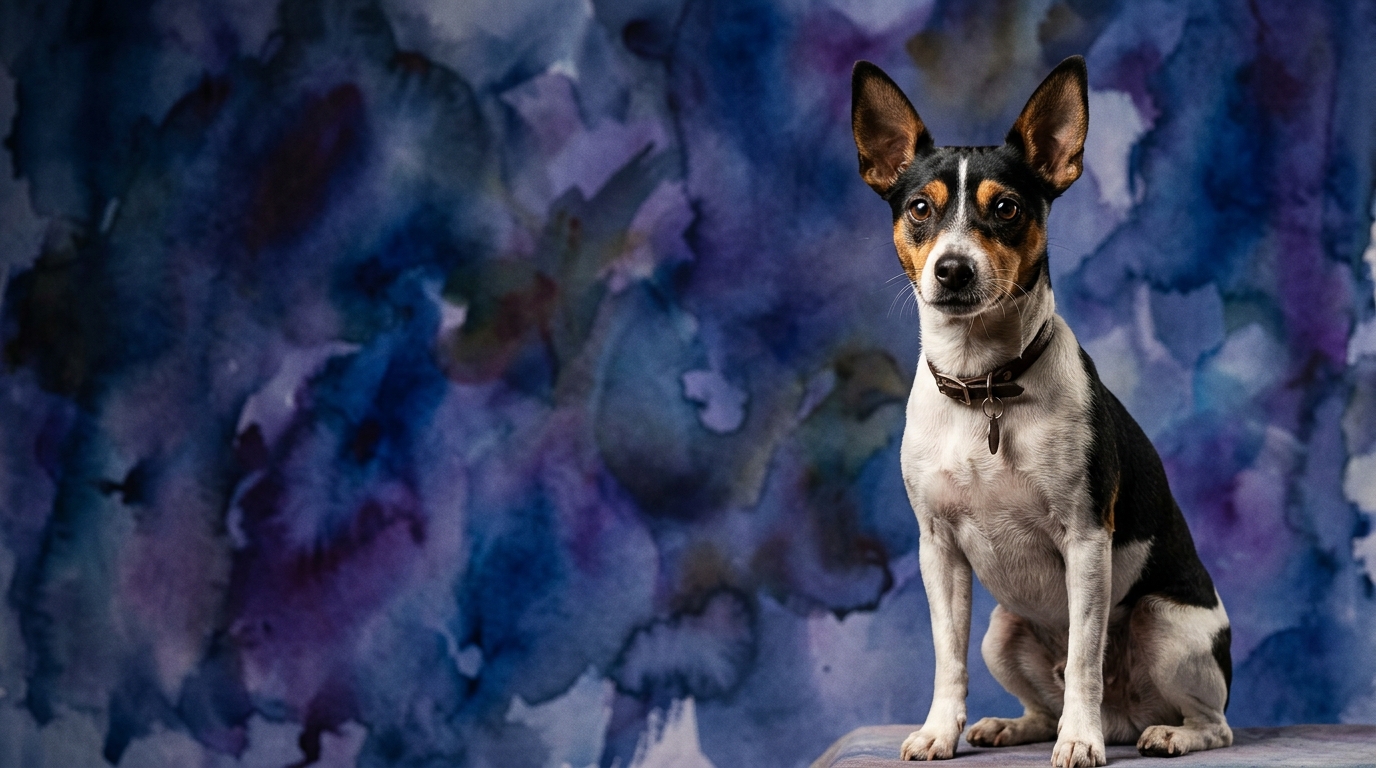
For the **Rat Terrier** (Terrier Group, Not Coren-ranked): Problem Solving (3/5): Rat Terriers exhibit a respectable problem-solving ability, often approaching challenges with a combination of persistence and intelligent trial-and-error. While they might take a bit longer or require more guidance than breeds with higher scores, they are certainly capable of figuring out moderate puzzles and navigating new environments. Their tenacity often compensates for a slightly lower analytical score. Training Speed (3/5): This breed learns at a steady pace, capable of mastering a wide range of commands with consistent and engaging reinforcement. However, their strong terrier independence and occasional stubborn streak mean that training sessions need to be kept fun, varied, and highly motivating to maintain their focus. Patience and creativity are key to unlocking their full training potential. Social Intelligence (3/5): Similar to the Schnauzer, Rat Terriers possess a solid understanding of social dynamics, forming incredibly loyal and affectionate bonds with their chosen family members. They can be wary of strangers, often taking time to evaluate new people or animals before offering their full trust, reflecting a cautious yet discerning social approach. Their loyalty within their inner circle is profound. Instinctive Drive (3/5): As true terriers, their instinctive drive is robust, primarily centered around scent and prey. This translates into an energetic and focused pursuit of small critters, a love for digging, and an eagerness for activities that simulate hunting. This drive is a powerful motivator and needs appropriate outlets to prevent boredom or frustration. Memory (3/5): Rat Terriers possess a good memory for routines, learned commands, and established boundaries, ensuring they generally remember what they've been taught. While perhaps not as profound as the Schnauzer's long-term recall, consistent reinforcement helps solidify their learning, allowing them to perform reliably in familiar situations.
Where the Standard Schnauzer Wins Cognitively
The Standard Schnauzer's distinct cognitive edge lies significantly in its superior problem-solving (4/5) and exceptional memory (4/5). This combination allows them to not only quickly grasp complex concepts but also to retain that knowledge over extended periods, making them incredibly reliable in their learned behaviors. They excel at tasks requiring multi-step thinking, such as advanced obedience sequences, navigating intricate agility courses, or even understanding nuanced household routines. Their ability to independently analyze and react to new situations, coupled with their long-term recall, means they are often a step ahead, making them highly adaptable and capable partners for various intellectual challenges. This cognitive profile makes them particularly suited for owners seeking a dog that can truly engage in sophisticated mental work.
Where the Rat Terrier Wins Cognitively
While the Standard Schnauzer generally scores higher across several IQ dimensions, the Rat Terrier truly shines in the practical application of its robust instinctive drive (3/5) seamlessly integrated with its problem-solving abilities (3/5) within specific, often prey-related, contexts. Their terrier heritage endows them with an unwavering focus and tenacity when engaging with scent work, small game pursuit, or activities that simulate hunting. This drive, while not numerically superior, is acutely honed and incredibly potent for tasks that tap into their natural instincts. They possess an almost single-minded determination to follow a scent or pursue a 'critter' (a toy, for example), demonstrating a specialized form of intelligence geared towards their historical purpose. This makes them exceptional in activities like barn hunt or earthdog trials, where their specific cognitive strengths are paramount.
Which is Easier to Train and Why
When considering ease of training, the Standard Schnauzer generally holds an advantage due to its higher training speed (4/5) and excellent memory (4/5). They tend to absorb new commands and routines with remarkable efficiency, often requiring fewer repetitions to achieve mastery and demonstrate consistency. Their working breed background instills a natural inclination to cooperate and engage in purposeful activities with their handler, making them highly receptive and eager students. This inherent focus and desire to please significantly streamline the training process.
In contrast, the Rat Terrier's training speed (3/5) is commendable, but their independent terrier spirit and potent instinctive drive (3/5) can introduce challenges. They may be more prone to distraction when their instincts kick in, or they might exhibit a stubborn streak if they don't perceive the immediate value of a command. Therefore, training a Rat Terrier often demands more creativity, patience, and a diverse range of high-value motivators to maintain their engagement and ensure consistent learning. While both breeds are highly trainable, the Schnauzer's cognitive profile often makes the initial learning phase more straightforward and efficient for the average owner.
Suitability for Active vs. Relaxed Owners
Both the Standard Schnauzer and the Rat Terrier are energetic breeds that thrive with active owners who can meet their substantial needs for physical and mental stimulation. However, the *nature* of that activity differs.
The Standard Schnauzer, with its high problem-solving (4/5) and training speed (4/5), flourishes with owners who can provide consistent mental challenges alongside physical exercise. They require more than just a walk; they need engagement in advanced obedience, agility, tracking, or a 'job' that stimulates their keen minds. Owners who can commit to regular structured training and intellectual games will find a highly fulfilled Schnauzer. A relaxed owner who cannot provide this level of mental engagement might inadvertently foster a bored Schnauzer, leading to self-invented, potentially destructive, forms of entertainment.
The Rat Terrier, while equally energetic, can potentially adapt to owners whose activity style is perhaps less formally structured, provided their core needs for vigorous exercise and outlets for their instinctive drive (3/5) are met. They excel in activities like fetch, flirt pole, long hikes, and scent work that tap into their prey drive. While they also appreciate mental games, their primary need is often physical exertion and opportunities to 'hunt' (even if it's just a squeaky toy). A truly sedentary owner would struggle with either breed, as both possess significant energy and cognitive demands that require dedicated attention and an outlet for their innate capabilities.
The Verdict
Choose the Standard Schnauzer if you seek a canine partner for advanced training, complex problem-solving activities, and a reliable companion whose learned behaviors persist over time, thriving on mental engagement and a clear purpose.
Opt for the Rat Terrier if you appreciate a spirited, tenacious companion with a strong prey drive, suited for active games, scent work, and an owner who can channel their independent energy into focused, engaging activities without requiring the same level of formal 'work'.
🧠 Find Your Pet's IQ Score
Our Pet IQ Lab assessment covers 25+ tests across 5 cognitive dimensions — personalized to your breed.
Take the Full IQ Test →Frequently Asked Questions
Are Standard Schnauzers good for first-time dog owners?
Standard Schnauzers, with their intelligence and independent streak, can be a good fit for dedicated first-time owners who are prepared for consistent training and socialization. Their quick learning (4/5 training speed) is a benefit, but their need for mental stimulation requires commitment.
Do Rat Terriers get along with other pets?
Rat Terriers can coexist with other pets, especially if socialized from a young age, but their innate prey drive (3/5 instinctive drive) means careful introductions and supervision are crucial with smaller animals. They typically bond well with their immediate canine or feline housemates once established.
What kind of mental stimulation do these breeds need?
Standard Schnauzers benefit from puzzle toys, advanced obedience, and learning complex tricks due to their 4/5 problem-solving and memory. Rat Terriers thrive on scent games, flirt poles, and structured play that satisfies their instinctive drive and moderate problem-solving abilities.