Side-by-Side IQ Profile
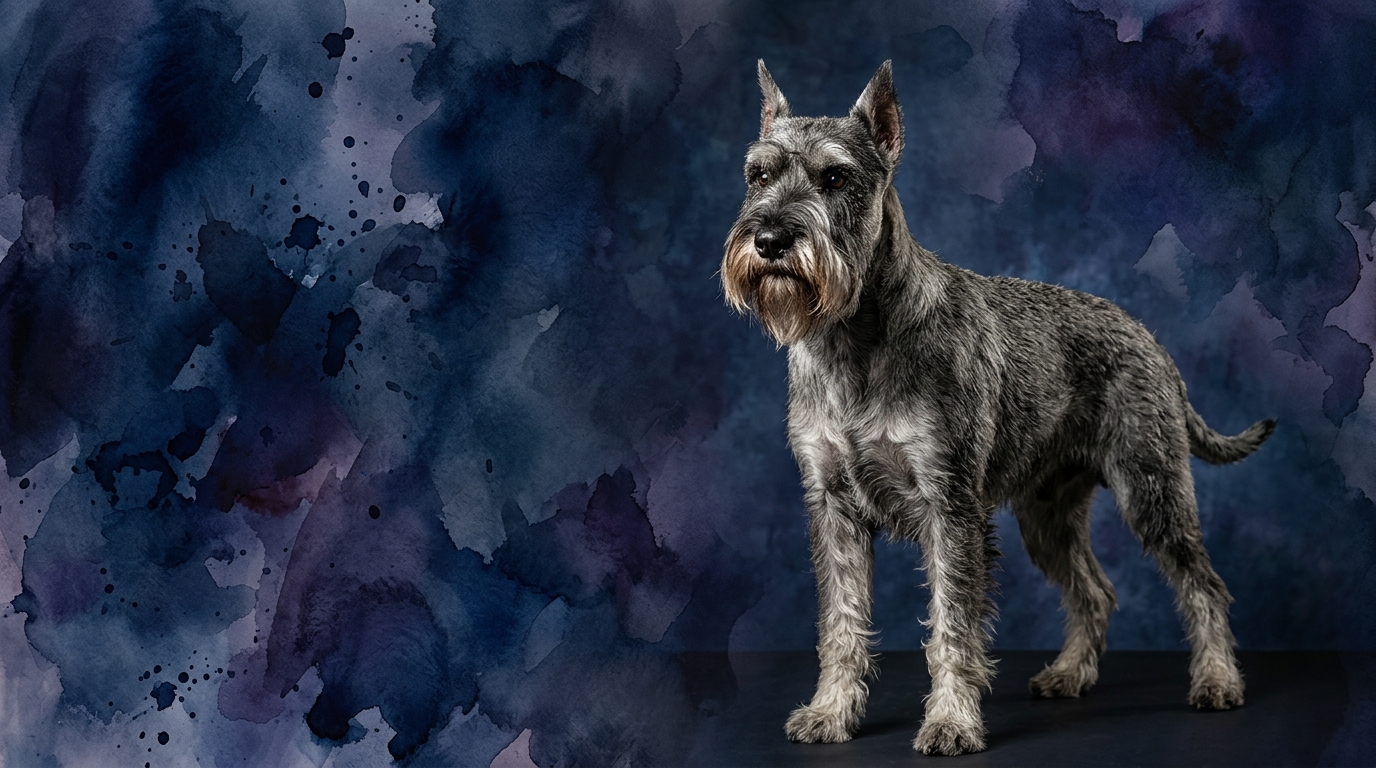
The Cosmic Pet Pet IQ Lab utilizes a five-dimensional framework to assess canine cognition: problem-solving, training speed, social intelligence, instinctive drive, and memory. The Standard Schnauzer, a breed renowned for its working acumen and ranked #22 by Stanley Coren, exhibits a robust cognitive profile. Its Problem Solving and Training Speed both score 4/5, indicating a strong capacity for independent thought and rapid learning. Social Intelligence and Instinctive Drive are rated 3/5, reflecting a solid understanding of group dynamics and a moderate, directed working inclination. Its Memory stands at 4/5, signifying excellent retention of learned information.
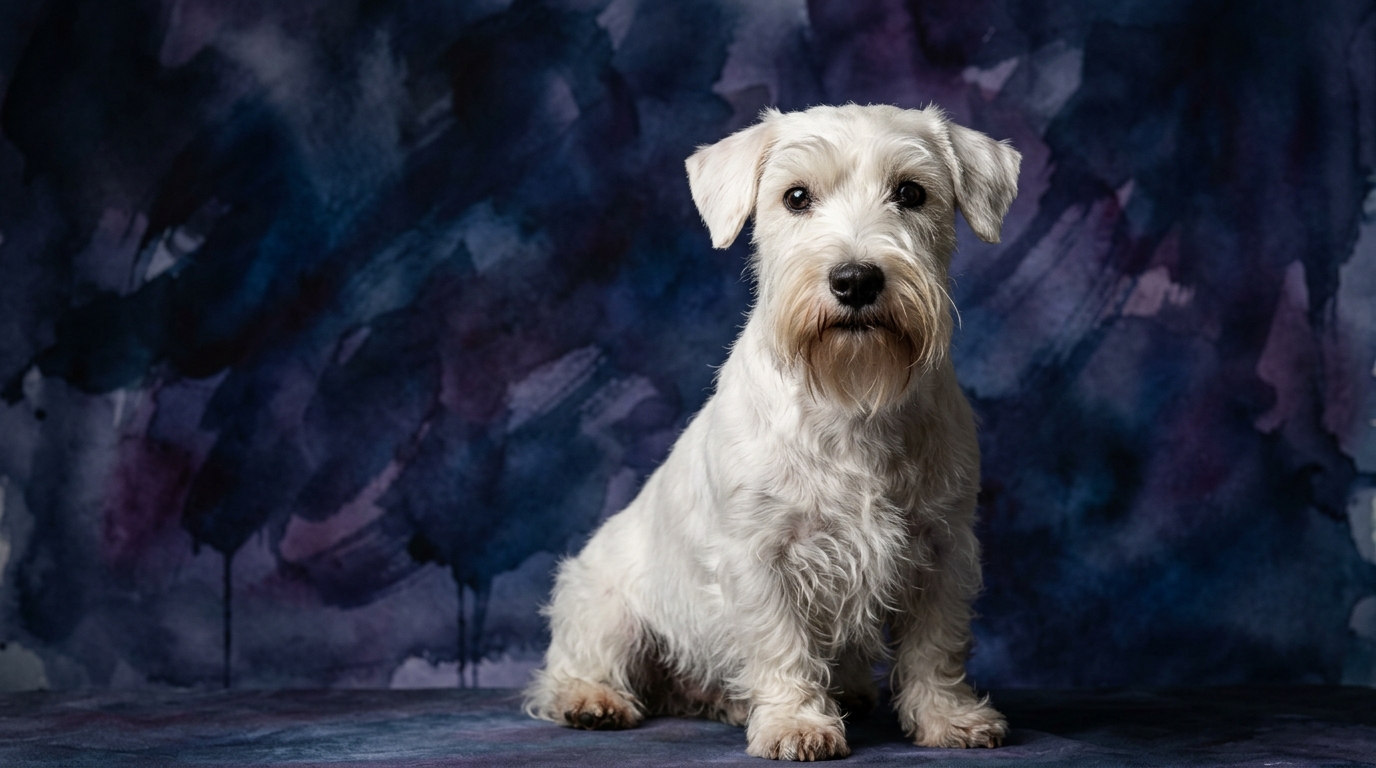
In contrast, the Sealyham Terrier, a dedicated member of the Terrier group and not specifically Coren-ranked, presents a consistent cognitive blueprint across its metrics. Its Problem Solving, Training Speed, Social Intelligence, Instinctive Drive, and Memory all receive a 3/5 rating. This indicates a competent approach to puzzles, a reasonable pace for acquiring new commands, an adequate grasp of social cues, a focused terrier drive for tasks like scenting, and reliable retention of experiences, though perhaps without the same depth as a 4/5 rated breed.
Where Standard Schnauzer Wins Cognitively
The Standard Schnauzer's cognitive strengths are particularly evident in its capacity for advanced learning and application. Its 4/5 Problem Solving rating means it can independently assess and strategize, whether navigating an obstacle or figuring out novel challenges. This cognitive strength allows it to anticipate situations and learn quickly from its environment, reducing reliance on constant human direction. The 4/5 Training Speed, reinforced by its #22 Coren ranking, highlights an exceptional ability to form rapid associations between commands and actions. This mental agility allows the Schnauzer to generalize learned concepts across varied contexts. Furthermore, its superior 4/5 Memory ensures that lessons are retained effectively over time, leading to consistent performance and reduced need for re-teaching. This combination makes the Standard Schnauzer highly adaptable and capable of mastering intricate tasks and multi-step commands.
Where Sealyham Terrier Wins Cognitively
While the Sealyham Terrier’s individual cognitive scores are consistently 3/5, this specific blend fosters unique strengths, especially suited to its terrier heritage. Its Instinctive Drive, rated 3/5, manifests as tenacious focus on tasks involving scent and pursuit, showcasing a specialized, task-oriented intelligence rather than broad problem-solving. This drive allows the Sealyham to maintain remarkable perseverance on a target. Its 3/5 in Problem Solving and Memory contributes to a practical, grounded intelligence; it learns effectively through repetition and direct experience, without the tendency to overthink or develop intricate 'schemes.' This straightforward cognitive style means it's often less prone to subtly outsmarting its owner. The consistent 3/5 across metrics suggests a balanced mental temperament – capable of learning, socially aware, and driven by instinct, yet without the intense mental demands that might accompany higher-scoring breeds. This makes the Sealyham a robust and predictable companion for owners who appreciate clear motivations and a less convoluted mental landscape.
Which Is Easier To Train And Why
Ease of training involves more than willingness; it encompasses cognitive mechanics. The Standard Schnauzer, with its 4/5 Training Speed and high Coren ranking, is generally easier to train due to its rapid association and generalization abilities. A Schnauzer often grasps new commands with fewer repetitions and applies them consistently across different environments. They thrive on mental stimulation, viewing training as collaborative problem-solving, and their strong memory solidifies learning quickly.
The Sealyham Terrier, with a 3/5 Training Speed, requires more consistency and patience. Its terrier heritage gives it independence and a strong self-preservation instinct, sometimes perceived as stubbornness. They assess if a request aligns with their immediate motivations. Training a Sealyham benefits from engaging, varied, and highly rewarding lessons to capture their attention and leverage their instinctive drive. While not as lightning-fast, their memory of learned behaviors, once solid, is reliable. Thus, the Schnauzer offers faster formal obedience learning, while the Sealyham demands a creative, persistent approach respecting its independent spirit.
Which Suits Active Owners vs. Relaxed Owners
Owner lifestyle significantly influences the ideal breed choice. The Standard Schnauzer, a Working group dog, suits active owners prepared for consistent mental and physical stimulation. Its 4/5 problem-solving and training speed mean it thrives on having a 'job,' excelling in dog sports, challenging hikes, or complex puzzle toys. An insufficiently challenged Schnauzer can become bored, potentially developing undesirable behaviors as it seeks mental outlets. They require an owner who can channel their cognitive strengths productively.
The Sealyham Terrier, while active, often fits moderately active owners or those appreciating a robust but less mentally demanding companion. Its 3/5 instinctive drive is focused, satisfied with regular walks, scent games, or play. While enjoying activity, its cognitive profile doesn't demand the same intensity of complex mental challenges as the Schnauzer. Its independent streak allows for periods of self-entertainment, given basic exercise and companionship. Adaptable to various living situations, the Sealyham suits owners who enjoy activity but prefer a dog less prone to constantly seeking the next mental puzzle. For a relaxed owner desiring a sturdy, engaging companion without intense cognitive demands, the Sealyham is compelling.
The Verdict
Choose the Standard Schnauzer if you are an active individual or family who thrives on engaging a dog in mental challenges, enjoys consistent training, and desires a highly capable, quick-learning companion for sports or complex tasks.
Choose the Sealyham Terrier if you appreciate a resilient, independent spirit in a dog, are prepared for a consistent but potentially more patient training approach, and seek a robust companion whose drive is focused rather than broadly demanding of constant intellectual stimulation.
🧠 Find Your Pet's IQ Score
Our Pet IQ Lab assessment covers 25+ tests across 5 cognitive dimensions — personalized to your breed.
Take the Full IQ Test →Frequently Asked Questions
What does the Coren rank mean for the Standard Schnauzer compared to the Sealyham Terrier?
Stanley Coren's ranking primarily assesses working and obedience intelligence, indicating a breed's ability to understand and obey commands. The Standard Schnauzer's #22 rank suggests it excels in formal training and obedience tasks, whereas the Sealyham Terrier, not being ranked, is not necessarily less intelligent overall but may not conform as readily to traditional obedience structures, reflecting its independent terrier nature.
Is one breed more adaptable to different living environments based on their IQ profile?
Both breeds possess a 3/5 social intelligence, suggesting good adaptability to family life. However, the Standard Schnauzer's higher problem-solving and training speed mean it might adapt faster to new routines and environments, provided it receives sufficient mental engagement. The Sealyham Terrier's focused instinctive drive makes it adaptable to various settings as long as its need for exploration and secure boundaries is met, though it might take a bit longer to settle into new patterns.
How do their memory scores impact their suitability for different activities?
The Standard Schnauzer's 4/5 memory makes it excellent for retaining complex sequences, crucial for advanced obedience, agility, or service work. The Sealyham Terrier's 3/5 memory is perfectly adequate for remembering commands and routines for pet companionship, but might mean it requires more consistent practice to master intricate, multi-step tasks compared to the Schnauzer.