Side-by-Side IQ Profile: Standard Schnauzer vs. Soft Coated Wheaten Terrier
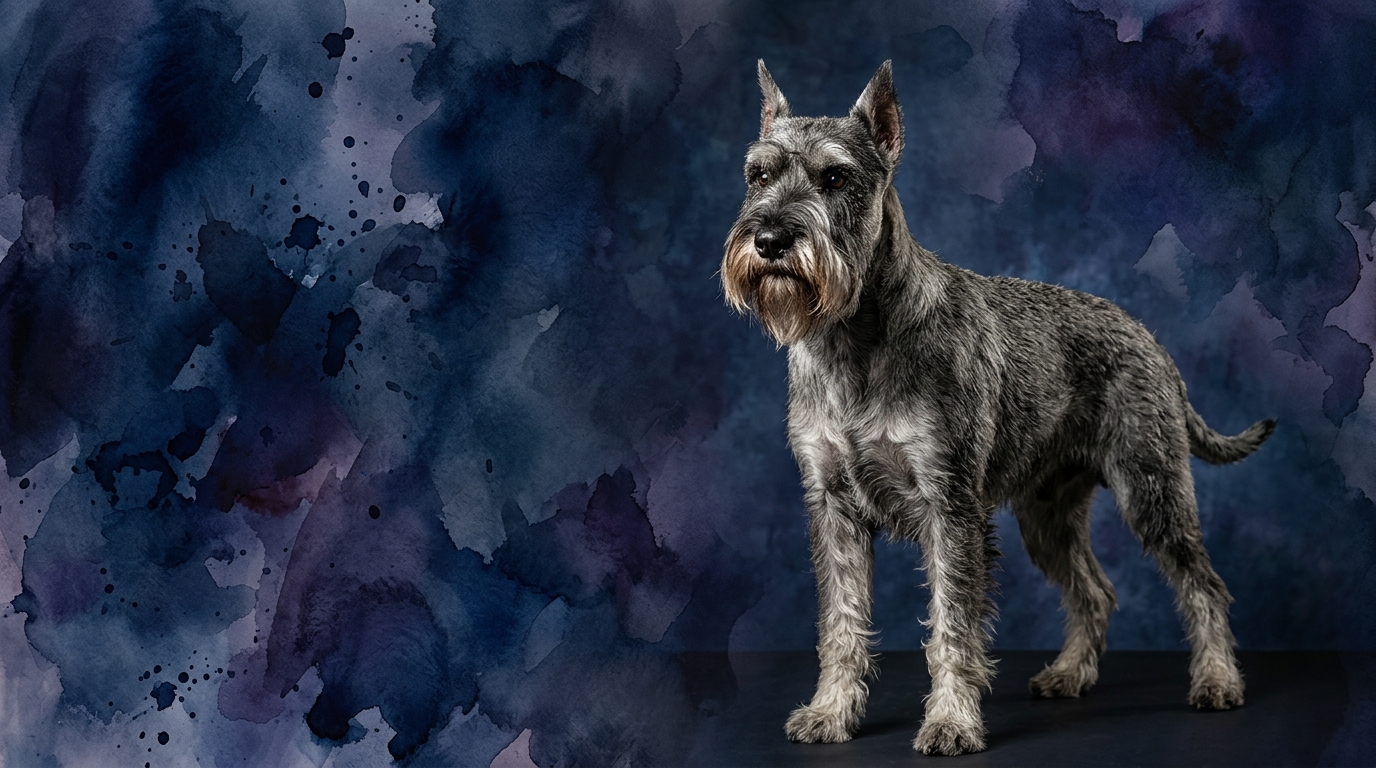
The Standard Schnauzer, a distinguished member of the Working Group, registers at Coren rank #22, indicating a notable capacity for understanding and executing commands. Our Pet IQ Lab assessment rates their problem-solving ability at 4/5, signifying a strong aptitude for navigating complex situations and devising effective solutions. Their training speed also scores 4/5, reflecting a rapid grasp of new concepts and an eagerness to learn. Social intelligence is rated 3/5, suggesting they are attuned to human cues within their familiar circle but can be more reserved with outsiders. An instinctive drive of 3/5 points to a balanced drive for work and engagement, while their memory stands at an impressive 4/5, allowing for long-term retention of learned behaviors and experiences.
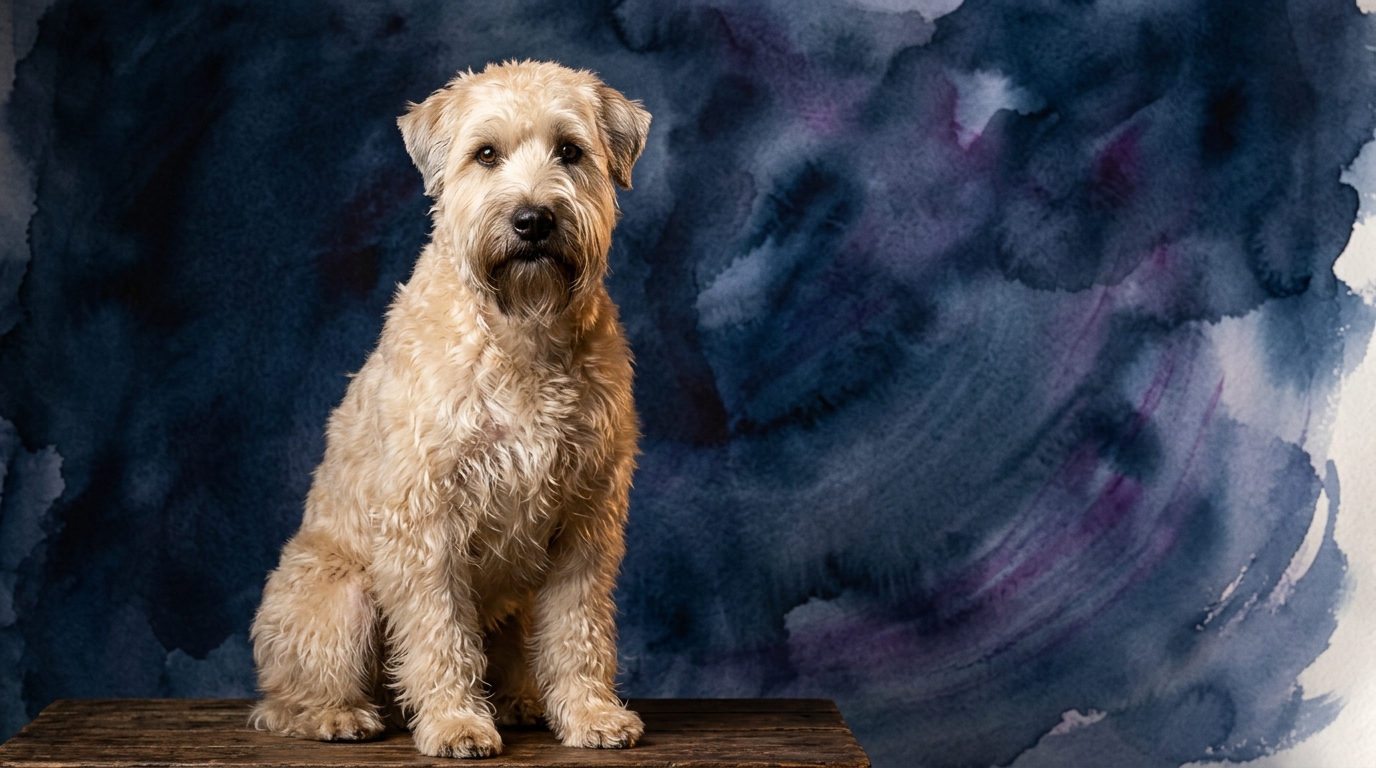
In contrast, the Soft Coated Wheaten Terrier, hailing from the lively Terrier Group, is not currently Coren-ranked, yet possesses a unique blend of charm and cognitive function. Our IQ Lab data places their problem-solving at 3/5, indicating they can tackle challenges, often through persistent effort and a cheerful trial-and-error approach rather than intricate strategy. Their training speed is also 3/5, meaning they learn steadily but may require more consistent reinforcement and patience. Social intelligence mirrors the Schnauzer at 3/5, manifesting as an affectionate, engaging nature with loved ones, though sometimes with a boisterous enthusiasm that needs channeling. An instinctive drive of 3/5 suggests a moderate prey drive and an inherent love for playful interaction. Their memory is rated 3/5, implying they retain information and routines, but might benefit from periodic refreshers for less frequently used commands.
Where the Standard Schnauzer Wins Cognitively
The Standard Schnauzer demonstrates clear cognitive advantages, particularly in areas demanding structured thought and rapid acquisition of knowledge. Their 4/5 problem-solving score means they are adept at analyzing novel situations and constructing multi-step solutions, rather than merely reacting. This manifests in their ability to quickly understand and navigate complex tasks, such as figuring out how to open specific latches or mastering intricate agility courses. This strategic depth is a hallmark of their cognitive approach. Coupled with a 4/5 training speed, Schnauzers absorb new commands and routines with remarkable efficiency, often requiring fewer repetitions to solidify a behavior. This makes them exceptionally responsive to advanced obedience training, competitive dog sports, or any activity that demands a precise understanding of sequential commands. Furthermore, their 4/5 memory ensures that these learned skills and solutions are not fleeting; they are retained over long periods, allowing for consistent performance and the continuous building upon an established knowledge base. This sustained retention minimizes the need for re-teaching and maximizes their potential for complex, long-term learning endeavors.
Where the Soft Coated Wheaten Terrier Wins Cognitively
While the Wheaten Terrier's raw cognitive scores might appear lower than the Schnauzer's, their cognitive strengths lie in different, yet equally valuable, dimensions. Their 3/5 problem-solving ability, while less strategic, is often characterized by an indomitable optimism and persistence. A Wheaten might not devise the most efficient path, but they will cheerfully try multiple approaches until a solution is found, a trait that can be highly effective in less structured environments. This 'never give up' attitude, combined with their inherent exuberance, allows them to adapt playfully to challenges. Their 3/5 social intelligence, though numerically similar to the Schnauzer, frequently translates into a more overtly affectionate and engaging demeanor, particularly with their inner circle. They possess a keen ability to attune to the emotional atmosphere of their family, fostering deep, empathetic bonds. This makes them incredibly responsive to positive reinforcement, leveraging their innate desire for connection and joy. While their memory is 3/5, their strong positive associations with people and experiences can make them highly receptive to reward-based training, where their enthusiasm for interaction fuels their learning, even if it requires more consistent repetition.
Which Is Easier to Train and Why
Based on our IQ Lab data, the Standard Schnauzer generally proves to be the easier breed to train. Their 4/5 scores in both training speed and memory mean they grasp new commands quickly and retain them over time, streamlining the entire training process. Schnauzers often possess an innate desire to understand and execute tasks, a remnant of their working dog heritage, which makes them highly receptive to structured learning. They excel when given clear direction and thrive on having a 'job,' making them adept at advanced obedience, agility, and other complex disciplines. Their ability to quickly form associations between commands and actions, and then reliably recall those associations, reduces the effort required from the trainer.
Conversely, the Soft Coated Wheaten Terrier, with 3/5 in training speed and memory, typically requires more patience and consistency. While certainly capable of learning, their spirited terrier nature can lead to distractions and an independent streak that may challenge a trainer. Wheatens respond best to positive reinforcement, engaging methods, and a lighthearted approach that keeps their attention. Repetitive drills might bore them, necessitating a more creative and varied training regimen to maintain their focus and ensure long-term retention. A Wheaten's training journey is often more about channeling their joyful exuberance and persistence, whereas a Schnauzer's is about honing their natural aptitude for precise execution.
Suitability for Active vs. Relaxed Owners
The Standard Schnauzer, with its working group background and higher cognitive scores, is an ideal companion for active owners who can commit to providing consistent mental and physical stimulation. Their 4/5 problem-solving and training speed mean they require engaging activities to prevent boredom and channel their considerable energy constructively. Owners who enjoy structured training, dog sports like agility or obedience, or even advanced puzzle toys will find the Schnauzer a highly rewarding partner. They thrive on purpose and thrive when given tasks to complete, making them less suitable for relaxed owners who cannot meet these high demands, as unmet needs can lead to frustration and undesirable behaviors.
The Soft Coated Wheaten Terrier, while undeniably energetic and playful (instinctive drive 3/5), offers more adaptability for a range of owners, provided their core needs for exercise are met. Their enthusiasm for play makes them excellent companions for active individuals or families who enjoy long walks, fetch sessions, or romps in a secure area. While they still require daily physical activity, their 3/5 problem-solving and memory scores suggest they may not demand the same intensity of intricate mental work as a Schnauzer. A more relaxed owner who is committed to daily exercise and enjoys a cheerful, affectionate, and sometimes boisterous companion might find a Wheaten a suitable fit, as long as they appreciate their spirited nature and understand the need for consistent, positive guidance.
The Verdict
Choose a Standard Schnauzer if you seek a highly trainable companion who excels in structured learning and complex problem-solving, thriving on purpose and consistent mental engagement.
Opt for a Soft Coated Wheaten Terrier if you desire an exuberantly affectionate dog with a persistent, cheerful approach to life, who thrives on playful interaction and a loving family environment.
🧠 Find Your Pet's IQ Score
Our Pet IQ Lab assessment covers 25+ tests across 5 cognitive dimensions — personalized to your breed.
Take the Full IQ Test →Frequently Asked Questions
Are Standard Schnauzers difficult to manage due to their intelligence?
While Standard Schnauzers possess significant cognitive abilities, they are not inherently difficult; rather, they require consistent training and mental stimulation. Their quick learning and memory mean they benefit greatly from having a job or regular challenging activities to keep them engaged and well-behaved. Without adequate outlets, their cleverness might lead them to find their own "entertainment."
Do Soft Coated Wheaten Terriers have a strong prey drive?
Soft Coated Wheaten Terriers have a moderate instinctive drive (3/5), which can include a prey drive typical of terriers. They enjoy chasing and often have a keen interest in small, fast-moving objects. Consistent recall training and secure environments are important to manage this natural instinct, ensuring their safety during outdoor activities.
How do their social intelligence scores of 3/5 compare in practice?
Both breeds share a 3/5 social intelligence score, but it manifests differently. Standard Schnauzers are often more discerning, forming deep bonds with their family but being reserved with strangers, prioritizing their perceived 'duty.' Wheatens are typically more overtly friendly and expressive with their inner circle, though they can still be selective and may display a characteristic "Wheaten Greetin'" jump of joy, which requires management.