Side-by-Side Cognitive Profiles
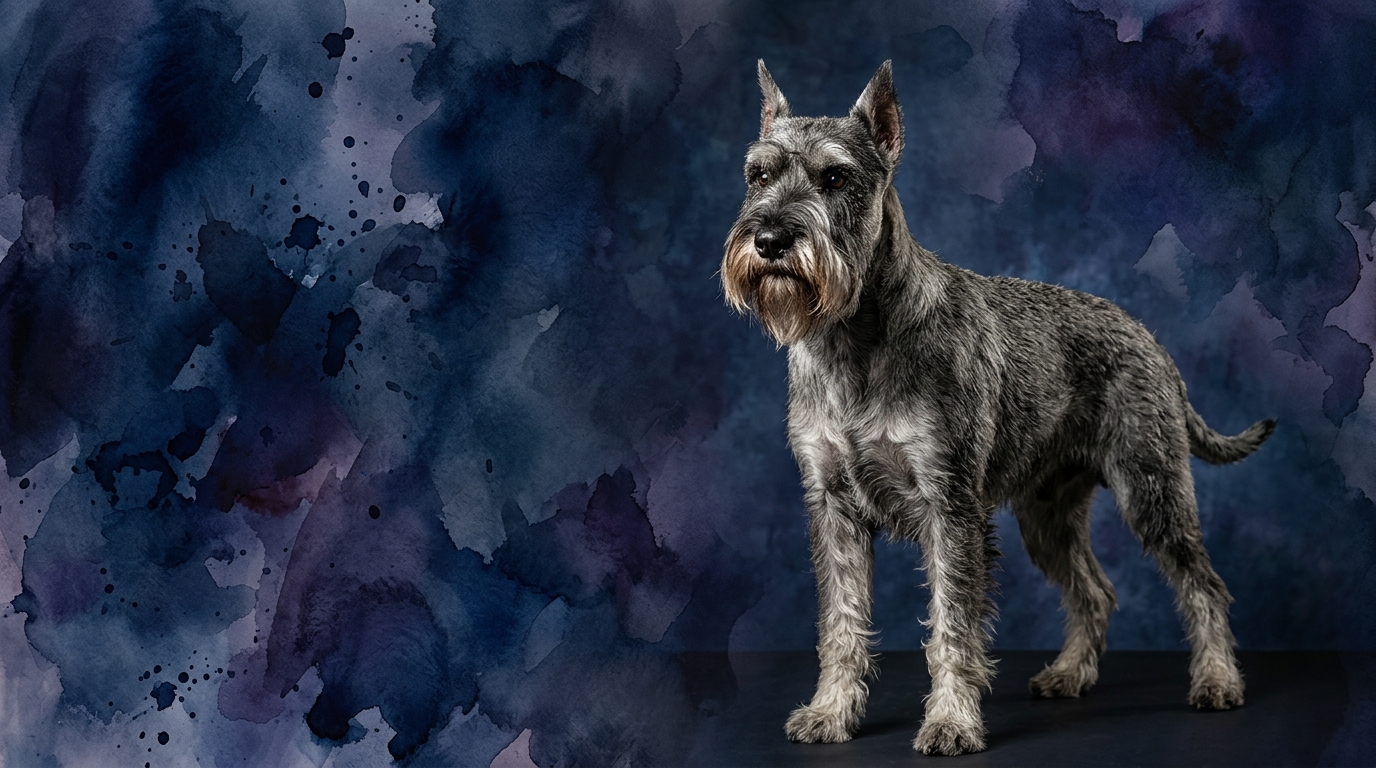
Ranked #22 by Coren, the Standard Schnauzer showcases a formidable cognitive makeup, scoring 4/5 in Problem Solving, 4/5 in Training Speed, 3/5 in Social Intelligence, 3/5 in Instinctive Drive, and 4/5 in Memory. This profile points to a dog capable of complex thought and rapid learning, often applying these skills in independent decision-making and task mastery. Their strong memory supports retention of commands and routines, making them reliable partners in various roles. The 4/5 in Problem Solving allows them to assess novel situations and devise solutions, which is a valuable trait for a working dog tasked with guarding or pest control. Their 3/5 in Social Intelligence means they form strong, discerning bonds, often exhibiting a reserved demeanor with strangers but deep loyalty to their family. The 3/5 in Instinctive Drive is present but controllable, focused more on vigilance and protection rather than an overwhelming prey drive.
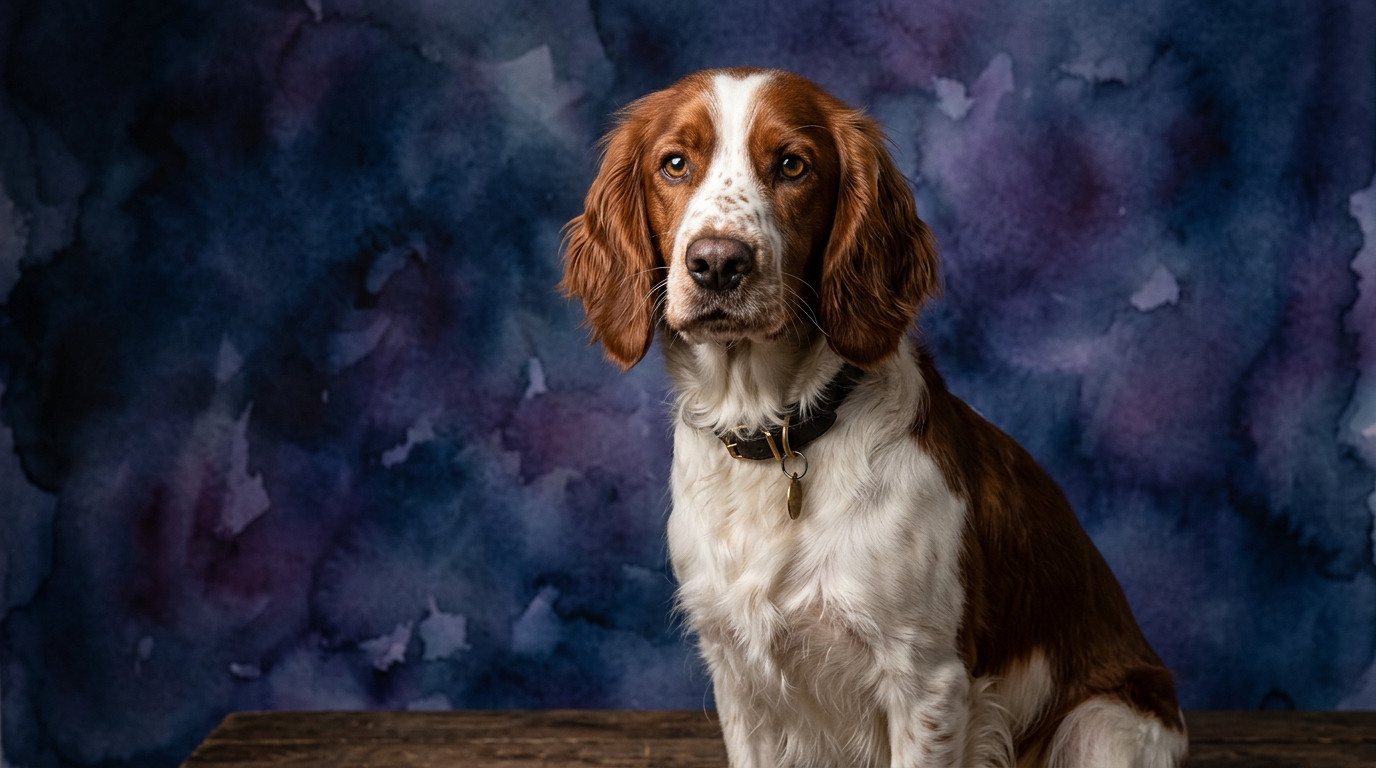
The Welsh Springer Spaniel, holding Coren's #31 rank, presents an identical raw cognitive score breakdown: 4/5 for Problem Solving, 4/5 for Training Speed, 3/5 for Social Intelligence, 3/5 for Instinctive Drive, and 4/5 for Memory. This parity in individual dimensions suggests that, at their core, Welsh Springers possess the same foundational cognitive strengths as the Schnauzer, though applied differently. Their problem-solving (4/5) is frequently observed in their ability to navigate complex terrain or strategically locate game during a hunt. A 4/5 in Training Speed means they absorb new information quickly, especially when it pertains to their field work. A robust memory (4/5) aids in recalling vast areas of scent, past training experiences, and the precise location of fallen game. Their 3/5 in Social Intelligence facilitates a strong, cooperative bond with their handler, essential for effective teamwork in the field, and they are generally amiable within their family unit. The 3/5 in Instinctive Drive is strongly channeled towards their sporting purpose, influencing their overall engagement and focus on scent and movement.
Where the Standard Schnauzer Wins Cognitively
The Standard Schnauzer's slightly higher Coren rank (#22 vs #31), despite identical scores in the individual cognitive dimensions, suggests a nuanced advantage in consistent obedience and a more direct, purposeful application of their cognitive strengths. Their historical role as a versatile farm dog and guard animal has cultivated a strong desire for a 'job,' channeling their 4/5 problem-solving and 4/5 training speed into focused execution of commands and problem-solving within a structured framework. This breed often exhibits a more consistent willingness to comply with established rules, making their impressive memory (4/5) particularly effective for retaining complex routines and exhibiting reliability in varied environments. For instance, a Schnauzer might more readily apply its problem-solving to figuring out a new agility course or understanding a multi-step obedience command sequence, driven by a desire to master the task for its own sake or to please its handler in a formal setting. Their cognitive approach leans towards analysis and a practical, results-oriented execution, making them exceptionally capable at understanding and performing intricate tasks with precision once trained.
Where the Welsh Springer Spaniel Wins Cognitively
The Welsh Springer Spaniel, while sharing identical raw cognitive scores, often demonstrates its intellectual prowess in a different, more fluid and environmentally integrated context, particularly within its sporting heritage. Their 4/5 problem-solving and 4/5 training speed are frequently applied to intricate field challenges, such as tracking elusive scents across varied terrain, navigating dense cover, or creatively flushing game from hiding. Their 3/5 instinctive drive, though numerically similar, is profoundly expressed through their keen hunting instincts, leading to a highly engaged and persistent approach to environmental exploration and discovery. This breed's memory (4/5) is exceptional for recalling the layout of a vast field, the precise location of game birds, or the subtle cues from a handler during a hunt, allowing them to adapt and learn from experiences in dynamic outdoor settings. Their social intelligence (3/5) facilitates a strong, cooperative bond with their handler in the field, where communication is often more intuitive and less formal than in some obedience disciplines, relying on shared purpose. The Welsh Springer's cognitive strengths truly shine in scenarios requiring adaptability, keen sensory perception, and a joyful, enthusiastic engagement with their environment, making them masters of their natural domain and highly effective partners for field work.
Which is Easier to Train and Why
Despite both breeds scoring 4/5 in training speed, the Standard Schnauzer generally presents as marginally 'easier' to train for formal obedience, a distinction reflected in its higher Coren rank. This difference stems not from a slower learning capacity in the Welsh Springer, but from a divergence in primary motivators and focus during structured sessions. The Schnauzer, originating from a working background, often possesses a strong desire to engage with its handler in a task-oriented manner, valuing structure and consistency. Their independent problem-solving (4/5) is often channeled into understanding and executing human directives, making them quick to grasp commands and eager to perform them reliably with sustained attention. The Welsh Springer Spaniel, conversely, while learning commands just as swiftly, can be more prone to distraction due to their powerful hunting instincts (instinctive drive 3/5). Their focus in a training session might be easily diverted by interesting smells, moving objects, or the sheer excitement of their surroundings, particularly outdoors. This means that while they *understand* quickly, maintaining their undivided attention and ensuring consistent execution in varied environments requires more consistent effort, patience, and creative motivational strategies. Training a Welsh Springer often benefits from incorporating play, scent work, and field-like scenarios to leverage their natural drives, whereas a Schnauzer might thrive on precision and a clear sense of purpose in their training regimen.
Which Suits Active Owners vs Relaxed Owners
For owners seeking a highly engaged partner for consistent activity and mental stimulation, both breeds offer excellent companionship, but with distinct lifestyle alignments. The Standard Schnauzer suits active owners who appreciate a dog with purpose and structure. Their need for regular physical exercise is moderate to high, but their mental stimulation requirements are equally significant; they thrive on training, puzzle toys, and roles that allow them to utilize their problem-solving and memory. They can adapt to a more relaxed home environment once their daily needs are met, often content to observe and guard their domain, but they will become restless and potentially destructive without sufficient mental and physical engagement. Conversely, the Welsh Springer Spaniel is unequivocally suited for highly active owners who embrace outdoor adventures and can provide extensive physical outlets. Their sporting heritage imbues them with high stamina and a persistent desire to explore, run, and engage with the natural world for extended periods. While they are equally capable of mental tasks, their primary drive is often physical, making them ideal companions for hiking, running, field sports, or long walks in varied, stimulating terrain. A more relaxed owner might find the Welsh Springer's boundless energy and strong instinctive drive challenging to manage, potentially leading to unwanted behaviors if their innate needs for vigorous activity and exploration are not adequately channeled. Both breeds are affectionate and enjoy companionship, but the *type* and *intensity* of activity they require differs significantly, with the Welsh Springer demanding a more consistently vigorous and outdoor-focused lifestyle.
The Verdict
Choose the Standard Schnauzer if you seek a versatile, purposeful companion who thrives on structured training and enjoys a 'job,' offering reliable obedience and a keen protective instinct.
Opt for the Welsh Springer Spaniel if you lead a highly active, outdoor-oriented lifestyle and desire an enthusiastic, adaptable partner for adventures, valuing their boundless energy and intuitive field intelligence.
🧠 Find Your Pet's IQ Score
Our Pet IQ Lab assessment covers 25+ tests across 5 cognitive dimensions — personalized to your breed.
Take the Full IQ Test →Frequently Asked Questions
Do Standard Schnauzers and Welsh Springer Spaniels learn at the same pace?
Both breeds score 4/5 in training speed, indicating they can grasp new commands and concepts quickly. However, the Standard Schnauzer's historical working role often translates to a more focused application of this speed in formal obedience, while the Welsh Springer's strong instinctive drives may lead to more distractions in certain training environments.
Which breed is better for a first-time dog owner?
Neither breed is typically recommended for completely novice owners without proper research and commitment. However, the Standard Schnauzer might be marginally more manageable due to its slightly higher inclination for formal obedience. The Welsh Springer's high energy and strong prey drive require consistent, experienced handling.
How do their social intelligence scores of 3/5 manifest in their behavior?
A social intelligence score of 3/5 suggests both breeds are capable of forming strong bonds with their family and interacting appropriately. For the Schnauzer, this often means loyalty and a protective stance towards their inner circle. For the Welsh Springer, it manifests as affectionate companionship and cooperative dynamics, especially with their handler during activities.