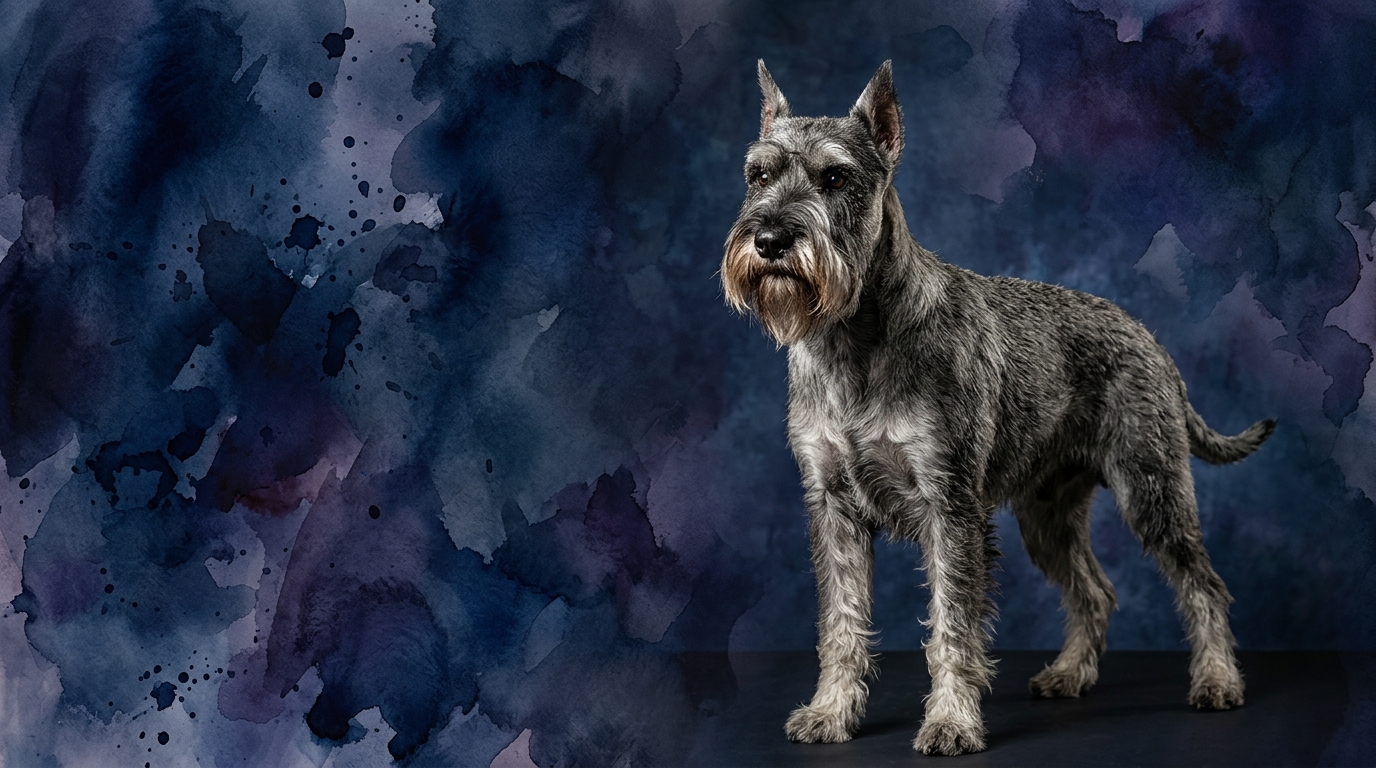
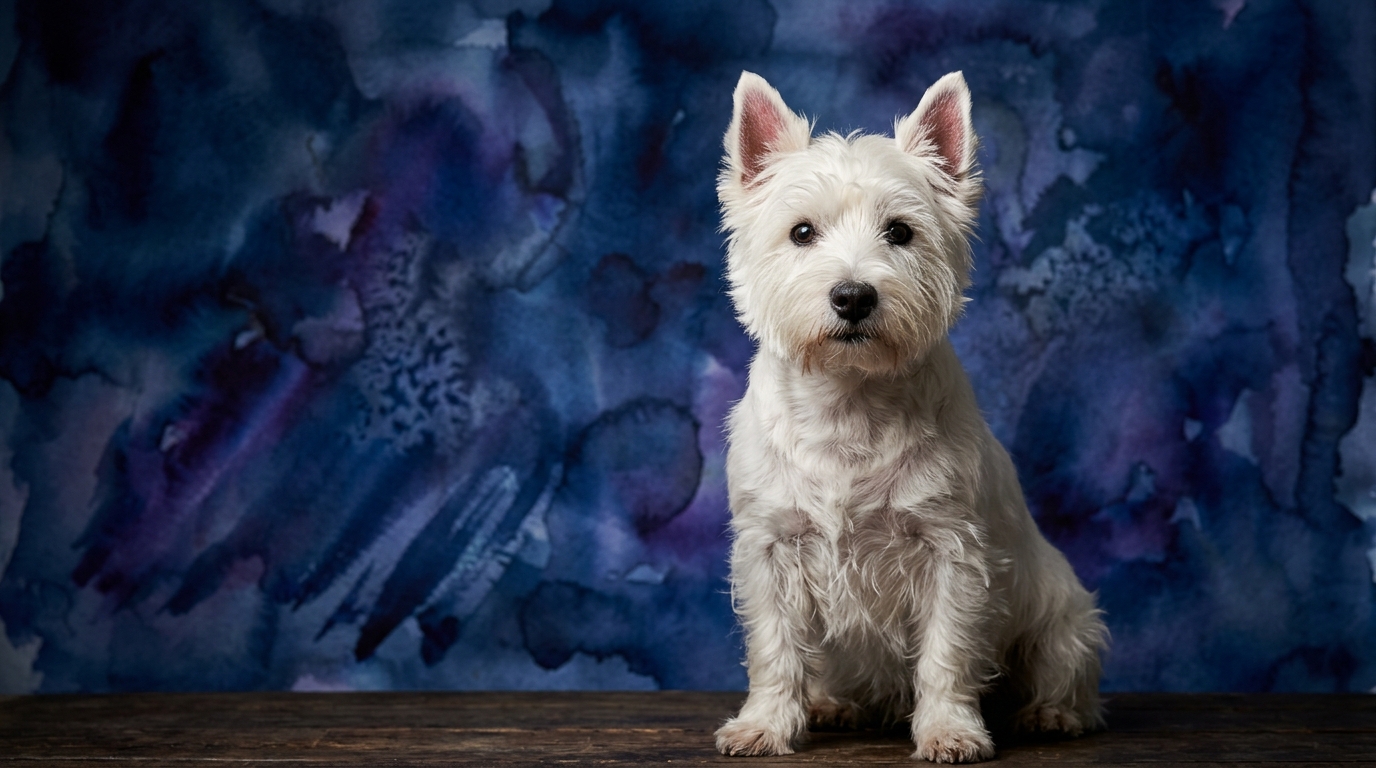
Side-by-Side IQ Profile: Schnauzer vs. Westie
Our Pet IQ Lab analysis delves into five key cognitive dimensions, providing a nuanced understanding of each breed's mental landscape. The Standard Schnauzer, a member of the Working group, holds a Coren rank of #22, indicating a strong capacity for understanding and obeying new commands quickly. Its cognitive profile shows Problem Solving at 4/5, reflecting an aptitude for devising strategies to overcome obstacles and figure out complex tasks. Training Speed is also high at 4/5, meaning they typically grasp new commands with fewer repetitions. Social Intelligence, representing their ability to interpret and respond to human cues and social situations, stands at 3/5. Instinctive Drive, which encompasses their innate breed-specific behaviors like guarding or herding, is rated 3/5. Finally, their Memory is impressive at 4/5, enabling them to retain learned behaviors and sequences over extended periods.
The West Highland White Terrier, a quintessential Terrier, has a Coren rank of #47, suggesting a moderate ability to learn and respond to commands compared to breeds of higher rank. Its cognitive scores include Problem Solving at 3/5, indicating they can work through challenges but might rely more on persistence or trial-and-error than intricate planning. Training Speed is 3/5, meaning they require a consistent, patient approach to learning new commands, often needing more repetitions than some other breeds. Their Social Intelligence is rated 3/5, similar to the Schnauzer, suggesting they can navigate human interactions adequately but might possess an independent streak. Instinctive Drive, characteristic of the Terrier group, is 3/5, manifesting as their strong urge to dig, chase, and explore. Their Memory, notably, matches the Schnauzer at 4/5, showing they are capable of retaining information effectively once learned, which is a significant asset in their tenacious approach to life.
Where the Standard Schnauzer Excels Cognitively
The Standard Schnauzer's cognitive strengths are most evident in areas requiring analytical thought and cooperative learning. With a Problem Solving score of 4/5, they demonstrate a remarkable ability to assess novel situations and formulate effective solutions. This might manifest as figuring out how to open a complex crate latch, navigating an intricate agility course with minimal guidance, or even understanding the sequence of actions required to retrieve a specific toy from a pile. Their mental agility allows them to process information rapidly and adapt their approach.
Furthermore, their Training Speed, also at 4/5, means they pick up new commands and routines with impressive efficiency. This isn't just about rote memorization; it's about connecting actions with consequences and understanding the desired outcome. A Schnauzer often requires fewer repetitions to solidify a new behavior, making them highly responsive to structured training sessions and capable of mastering a wide repertoire of commands and tricks. Their strong memory (4/5) reinforces this, ensuring that once a lesson is learned, it tends to stick, contributing to their reliability in performance tasks.
Where the West Highland White Terrier Shines Cognitively
While the West Highland White Terrier's Problem Solving and Training Speed scores are moderate, their cognitive profile reveals strengths rooted in their terrier heritage. Their 3/5 Problem Solving, combined with their instinctive drive (3/5), means they excel at tasks requiring sustained, independent effort rather than complex, multi-step planning. They are relentless in pursuing a goal, whether it's unearthing a 'prey' toy from under a blanket or persistently trying to reach a hidden treat. This isn't a lack of intelligence, but rather a different expression of it – a tenacious, solution-through-persistence mindset.
Moreover, the Westie's Memory score of 4/5 is a significant cognitive asset, matching the Standard Schnauzer. This means that while they might take slightly longer to initially grasp a concept (3/5 Training Speed), once they learn it, they retain that knowledge very well. This strong memory supports their ability to navigate familiar environments, remember routines, and recall specific locations of interest, making them consistent in their learned behaviors over time. Their moderate social intelligence (3/5) allows them to form strong bonds while maintaining a degree of self-reliance, which some owners find appealing.
Ease of Training: Schnauzer's Responsiveness vs. Westie's Persistence
When it comes to ease of training, the Standard Schnauzer generally presents a more straightforward experience for many owners. Their 4/5 Training Speed means they are quick to absorb new commands, often needing only a handful of repetitions before demonstrating understanding. This responsiveness stems from their historical role as working dogs, where cooperation with humans was paramount. They tend to be eager to please and find satisfaction in engaging with their handlers in structured activities, making positive reinforcement highly effective. Their higher problem-solving aptitude also means they can understand the 'why' behind a command more readily, leading to faster mastery of complex sequences.
The West Highland White Terrier, with a 3/5 Training Speed, requires a more patient and consistent approach. Their independent terrier nature means they often need to be convinced that a task is worth their effort, or that there's a clear benefit for them. This isn't a sign of stubbornness as much as it is a strong sense of self-direction. Owners will find success by making training sessions engaging, fun, and highly rewarding, using high-value treats or favorite toys. While they may take more repetitions to learn a new command, their excellent memory (4/5) ensures that once a behavior is solidified, it is retained. The key is to manage their inherent instinctive drive and channel their persistence into desired behaviors rather than allowing it to lead to independent, less desirable actions.
Lifestyle Suitability: Active Engagement vs. Consistent Companionship
For active owners seeking a canine partner for diverse activities, the Standard Schnauzer is often an ideal fit. Their 4/5 problem-solving and 4/5 training speed mean they thrive on mental challenges, such as advanced obedience, agility, rally, or even scent work. They require consistent engagement and structured activity to prevent boredom, which can lead to undesirable behaviors. Owners who enjoy teaching new skills, participating in dog sports, or embarking on vigorous hikes will find the Schnauzer's mental and physical needs align well with their lifestyle. Their social intelligence (3/5) means they integrate well into family life but still benefit from clear leadership and boundaries.
West Highland White Terriers, while not couch potatoes, suit owners who appreciate consistent, moderate activity and independent companionship. Their instinctive drive (3/5) means they enjoy opportunities to explore, sniff, and engage in 'terrier work' like digging (in designated areas) or chasing toys. They benefit from daily walks, playtime, and puzzle toys that satisfy their problem-solving and memory skills (3/5 problem solving, 4/5 memory). While they might not demand the same intensity of structured training as a Schnauzer, they still need mental stimulation to prevent boredom. Owners who enjoy a confident, spirited companion that is content with a mix of human interaction and self-directed exploration will find the Westie a rewarding choice. They are adaptable to various living situations but need secure boundaries to prevent them from following their strong instincts on an unsupervised adventure.
The Verdict
Choose the Standard Schnauzer if you desire a highly trainable, cooperative companion eager to engage in complex mental and physical activities, thriving on structured learning and consistent challenges.
Opt for the West Highland White Terrier if you appreciate a tenacious, independent spirit with excellent memory, willing to learn at their own pace, and content with consistent, engaging companionship rather than intense, structured training.
🧠 Find Your Pet's IQ Score
Our Pet IQ Lab assessment covers 25+ tests across 5 cognitive dimensions — personalized to your breed.
Take the Full IQ Test →Frequently Asked Questions
Do Standard Schnauzers require more mental stimulation than Westies?
Yes, Standard Schnauzers, with their higher problem-solving and training speed scores, generally require more structured mental stimulation to prevent boredom. They thrive on learning new commands, solving puzzles, and participating in dog sports that challenge their analytical abilities.
Are West Highland White Terriers difficult to train due to their independence?
Westies are not inherently difficult, but their independence and instinctive drive (3/5) mean they require patience, consistency, and highly motivating rewards during training. While they may take more repetitions to learn, their strong memory (4/5) ensures retention once a behavior is established.
How does Coren rank impact the choice between these two breeds?
The Coren rank indicates a breed's average working and obedience intelligence. The Schnauzer's #22 rank suggests faster comprehension and obedience, making training more efficient, while the Westie's #47 rank implies they may require more patience and creative methods to achieve similar training outcomes, though they are still capable learners.