Side-by-Side IQ Profile
The Cosmic Pet Pet IQ Lab employs a five-dimensional framework to assess canine intelligence, offering a granular view of how breeds process information and interact with their world. For the Sussex Spaniel, ranked #62 by Coren, and the Curly-Coated Retriever, ranked #41, these dimensions provide a robust basis for comparison.
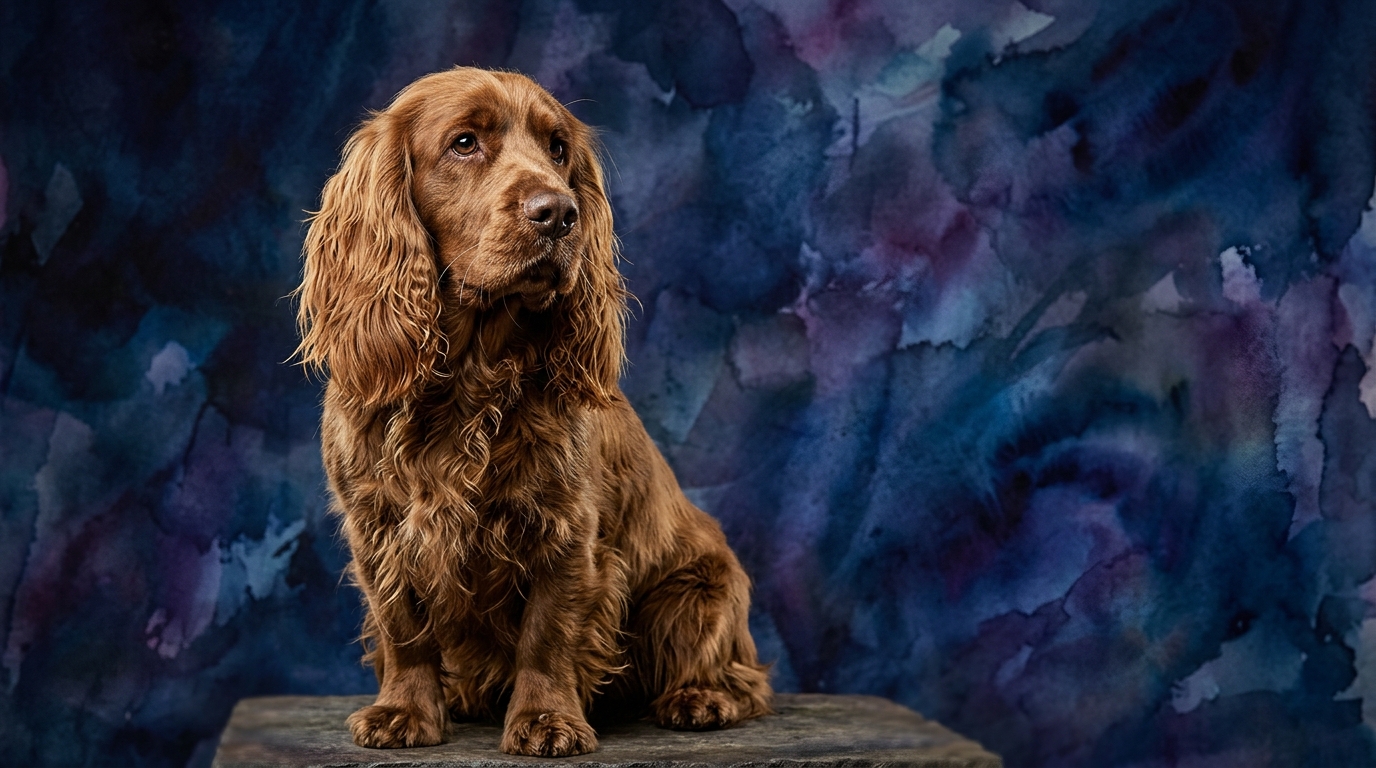
**Sussex Spaniel (Coren Rank #62):** These spaniels approach new challenges with a thoughtful, rather than impulsive, mindset. Their Problem Solving (3/5) is characterized by persistence and a reliance on established routines, capably learning and applying solutions to moderately complex tasks such as navigating scent trails or retrieving from cover by recalling previously successful methods. Their Training Speed (3/5) indicates they are receptive learners who benefit immensely from consistent, positive reinforcement; while they may require more repetitions than some faster-paced breeds to fully embed a command, their eager-to-please nature means they generally absorb lessons steadily. Social Intelligence (3/5) highlights their deep attunement to human companions, excelling at reading familiar cues and responding with unwavering loyalty, forming strong, affectionate bonds within their family unit. Possessing a well-balanced Instinctive Drive (3/5), the Sussex Spaniel exhibits a natural inclination for flushing game and following scents, true to its sporting heritage, though this drive is typically moderate, allowing them to transition between focused work and relaxed companionship without undue agitation. Their Memory (3/5) serves them well in day-to-day life, enabling them to reliably recall commands, routines, and the layout of familiar environments, robust enough for consistent performance and strong associative learning.
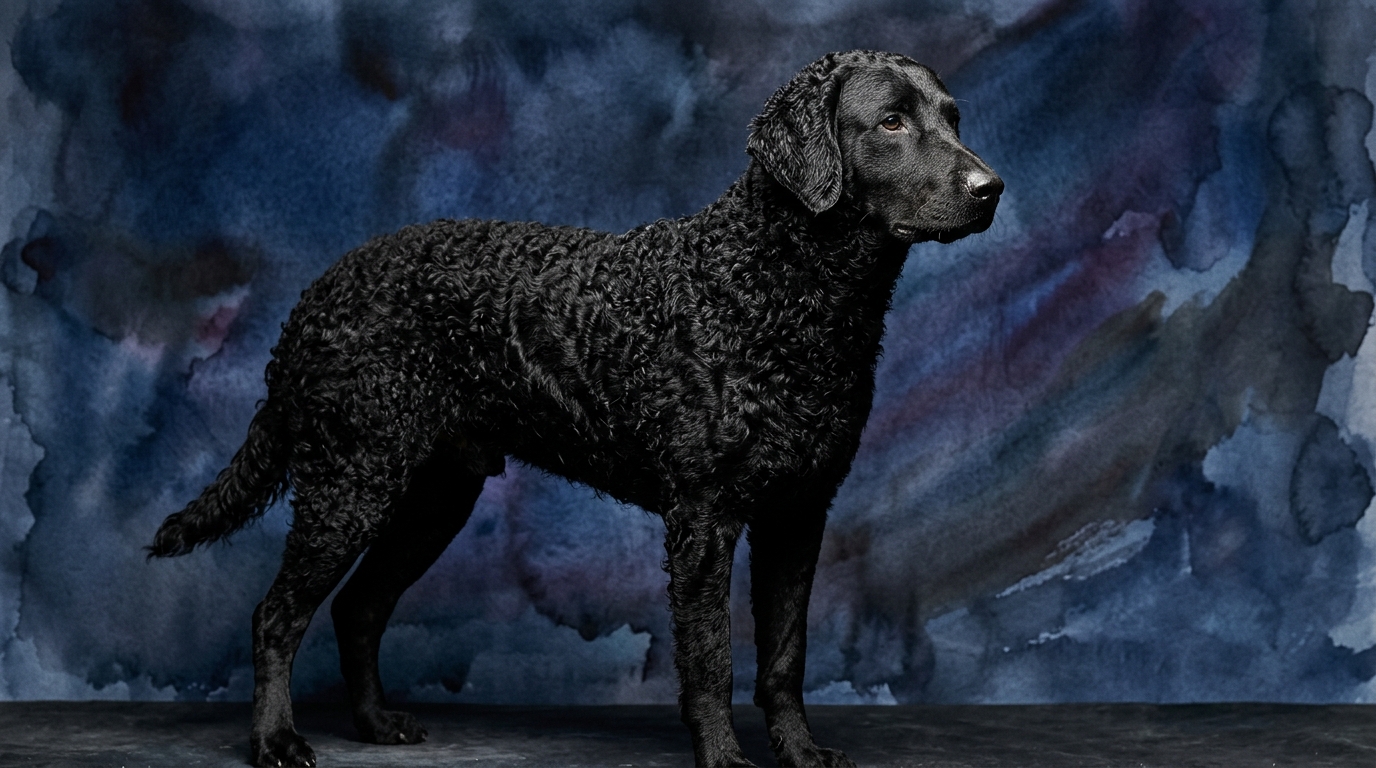
**Curly-Coated Retriever (Coren Rank #41):** These retrievers tackle problems with a practical and often independent approach. Their Problem Solving (3/5) is adept at figuring out solutions within structured scenarios, particularly those involving retrieving objects from various terrains or water, adapting learned solutions to slightly varied situations. Their Training Speed (3/5) shows they learn at a respectable pace, quickly grasping new concepts when presented with engaging and consistent methods; however, their independent streak means training must be stimulating and respectful, establishing clear boundaries and motivations rather than relying solely on rote repetition. Curlys are known for forming intense, loyal bonds with their immediate families, often displaying a reserved or aloof demeanor towards strangers, indicating a Social Intelligence (3/5) keenly focused on discerning the intentions and moods of their trusted human pack. Characterized by a strong, innate drive for retrieving, particularly from water, the Curly-Coated Retriever embodies its working purpose with an Instinctive Drive (3/5) that is potent and persistent, motivating them to pursue game and objects with enthusiasm and focus. This breed's most notable cognitive strength is its superior Memory (4/5); Curlys can recall complex sequences of events, remember the precise locations of multiple hidden items, and retain a vast array of commands and experiences over long periods, an exceptional asset in their retrieving tasks and overall adaptability to intricate learning scenarios.
Where the Sussex Spaniel Wins Cognitively
The Sussex Spaniel's cognitive strengths primarily lie in its methodical approach and consistent temperament, offering advantages in certain home and training environments. While their problem-solving and training speed scores match the Curly, their overall steadiness can translate into a more predictable and less impulsive learner. This breed often excels in tasks requiring focused attention over sustained periods, without the potential for independent deviations that sometimes characterize retrievers. Their moderate instinctive drive means they are generally less prone to high-energy bursts or single-minded pursuit of game when off-duty, making them potentially easier to integrate into a relaxed home environment where sudden intense focus on external stimuli might be disruptive. Their social intelligence, while rated similarly, manifests as a deeply focused biddability, often making them more overtly eager to please in structured training settings.
Where the Curly-Coated Retriever Wins Cognitively
The Curly-Coated Retriever's standout cognitive advantage is unequivocally its superior memory, rated 4/5 compared to the Sussex's 3/5. This enhanced recall significantly benefits their ability to remember complex retrieving patterns, the location of multiple fallen birds in dense cover, and intricate sequences of commands over extended periods. Their higher Coren rank (41 vs. 62) further suggests a greater capacity for understanding and executing complex instructions, often requiring fewer repetitions to master advanced skills once engaged. This breed also demonstrates a confident independence in their problem-solving, which, while sometimes requiring a nuanced training approach, allows them to make effective decisions in dynamic, unstructured working situations, particularly in the field where quick, self-reliant choices are valuable.
Which is Easier to Train and Why
When assessing ease of training, both breeds share a 3/5 training speed score, suggesting a moderate learning curve. However, their approaches and temperaments differ. The Sussex Spaniel, with its earnest desire to please and less independent nature, often responds exceptionally well to consistent, gentle guidance, thriving on positive reinforcement and routine. They may require more repetitions to embed a command firmly, but their biddability and cooperative disposition make the training process generally smooth and predictable, with fewer instances of challenging authority. In contrast, the Curly-Coated Retriever, while possessing a superior memory, can exhibit a more independent and sometimes reserved streak. This means training must be highly engaging, fair, and consistent to prevent boredom or stubbornness; an owner needs to earn their respect and keep sessions stimulating. Their reserved nature with strangers also means early and extensive socialization is crucial to ensure they are receptive to new environments and people during training. While both require patience, the Sussex might be considered marginally “easier” for a novice trainer due to its more compliant disposition, whereas the Curly thrives with an owner who understands their need for mental stimulation and respectful, firm leadership.
Which Suits Active Owners vs. Relaxed Owners
For owners with an active lifestyle, the Curly-Coated Retriever is typically the more fitting choice. Their strong retrieving drive, inherent affinity for water, and general athleticism demand substantial daily physical and mental engagement, including long walks, runs, swimming, and structured training sessions or dog sports. They thrive when given a 'job' and can become bored or destructive without adequate outlets for their significant energy and cognitive capabilities. The Sussex Spaniel, while still a Sporting dog requiring regular exercise, generally suits a more relaxed, yet consistent, owner. They need daily walks and opportunities to sniff and explore, but their energy levels are typically more moderate and sustained rather than explosive. They are content to relax indoors after their needs are met, making them suitable for families who enjoy regular outdoor activity but don't necessarily participate in demanding dog sports or intense daily adventures. The Sussex's lower drive makes them a better fit for a quieter home life.
The Verdict
Choose the Sussex Spaniel if you seek a loyal, methodical companion who excels with consistent, gentle training and thrives in a moderately active household. Their steady disposition makes them a predictable and affectionate family member, less prone to independent decision-making.
Opt for the Curly-Coated Retriever if you are an active owner prepared to provide extensive mental and physical stimulation, particularly enjoying outdoor activities and dog sports. Their exceptional memory and independent spirit make them a rewarding, capable partner for those who appreciate a dog with a strong will and significant drive.
🧠 Find Your Pet's IQ Score
Our Pet IQ Lab assessment covers 25+ tests across 5 cognitive dimensions — personalized to your breed.
Take the Full IQ Test →Frequently Asked Questions
Are Sussex Spaniels good with children?
Yes, Sussex Spaniels are generally patient and affectionate with children, especially when properly socialized from a young age. Their calm demeanor and sturdy build make them a suitable family companion, though supervision is always recommended with any dog.
Do Curly-Coated Retrievers shed a lot?
Curly-Coated Retrievers have a single coat that sheds moderately, typically in seasonal bursts, but less than many double-coated breeds. Regular brushing, especially during shedding seasons, helps manage loose hair and keeps their unique curly coat healthy and free of mats.
Which breed is more vocal?
Sussex Spaniels are known for their distinctive, baying 'Sussex howl' and can be quite vocal, especially when excited, tracking a scent, or left alone for extended periods. Curly-Coated Retrievers are generally less vocal but will certainly alert their owners to new arrivals or unusual sounds with barks.