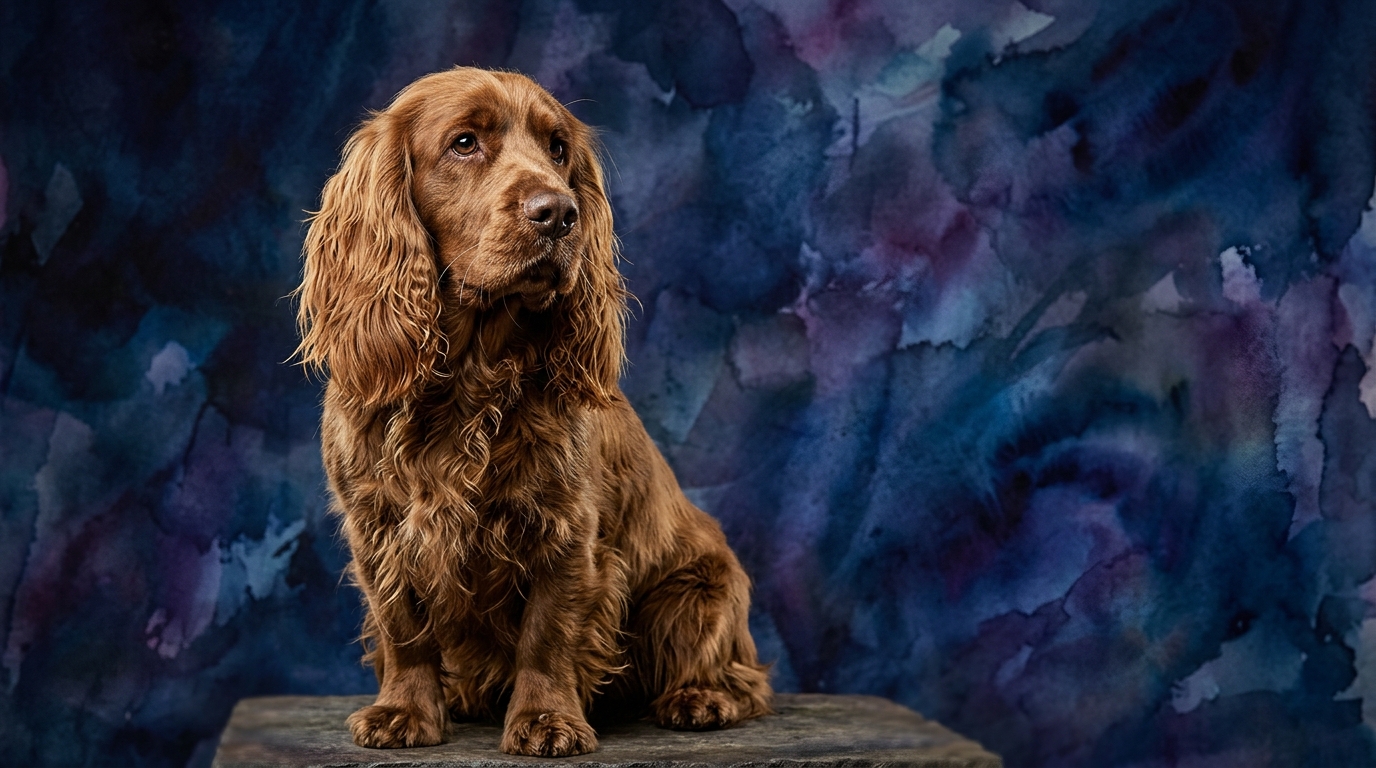
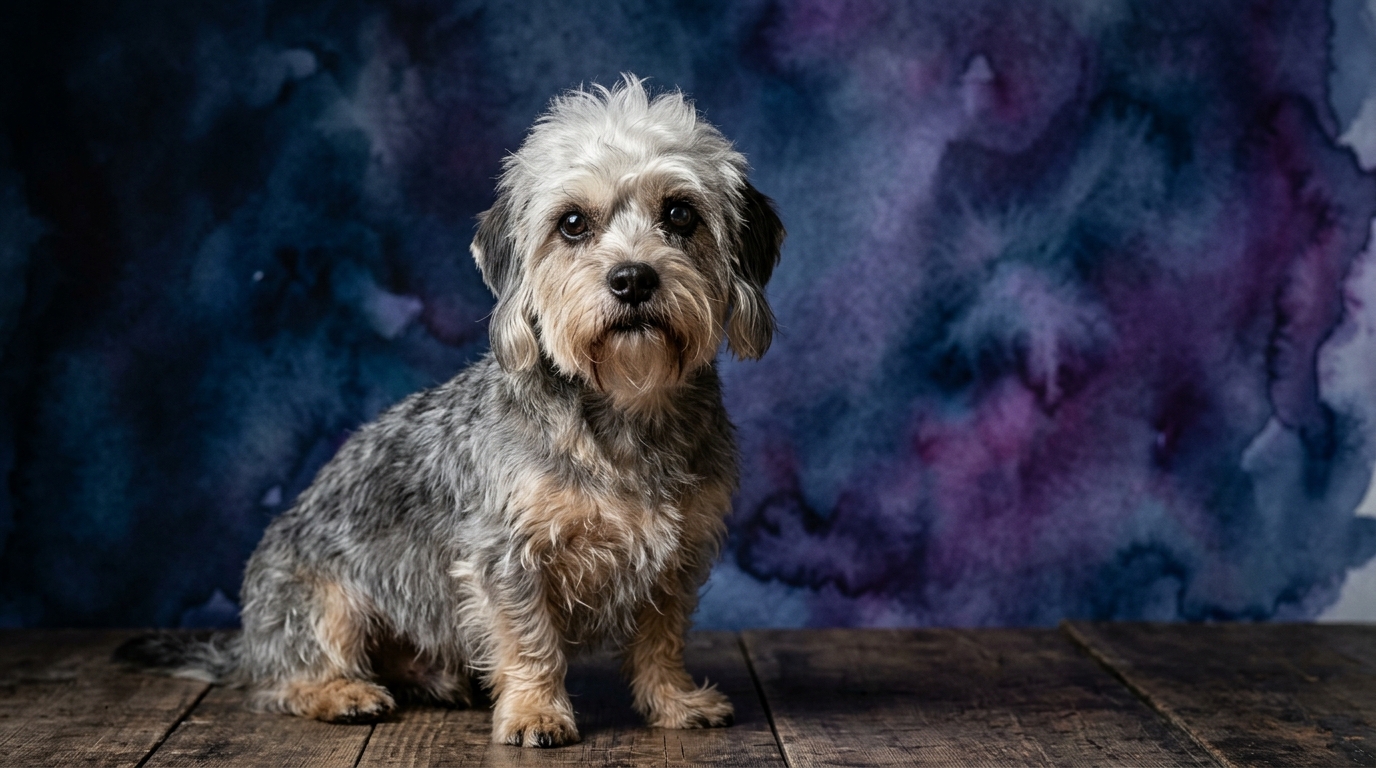
Side-by-Side IQ Profile: Sussex Spaniel vs. Dandie Dinmont Terrier
At first glance, the Sussex Spaniel and the Dandie Dinmont Terrier share identical scores across our five cognitive dimensions, each rated 3 out of 5. However, a deeper dive into how these scores manifest reveals fascinating distinctions rooted in their breed histories and temperaments. Let's explore each dimension for both breeds.
For the **Sussex Spaniel** (Coren Rank #62, Sporting Group): **Problem Solving (3/5)**: The Sussex Spaniel demonstrates a practical, methodical approach to challenges, often excelling in tasks related to their field heritage, such as navigating complex terrain or locating hidden objects through scent. Their problem-solving isn't typically about abstract puzzles but rather about efficiently achieving a tangible goal, often in cooperation with a handler. **Training Speed (3/5)**: These Spaniels learn new commands at a moderate pace, responding well to consistent, positive reinforcement. While not the quickest to grasp every new trick, they are capable of solid obedience when motivated by food, praise, or the opportunity for engaging activities. **Social Intelligence (3/5)**: The Sussex exhibits a good understanding of human cues and emotional states, forming strong bonds with their family. Their social awareness helps them integrate smoothly into household routines and respond appropriately to various social interactions, showing an agreeable disposition. **Instinctive Drive (3/5)**: Their drive is primarily rooted in their Sporting dog heritage, manifesting as a keen interest in scent work, flushing, and retrieving. This moderate drive can be channeled into structured activities, providing an outlet for their natural inclinations without being overwhelming. **Memory (3/5)**: Sussex Spaniels possess a reliable memory for learned commands, routines, and familiar people and places. They retain information effectively over time, making previously taught skills accessible and reinforcing their predictable, steady nature.
For the **Dandie Dinmont Terrier** (Not Coren-Ranked, Terrier Group): **Problem Solving (3/5)**: The Dandie Dinmont Terrier showcases a resourceful and independent form of problem-solving, particularly when faced with obstacles related to their vermin-hunting instincts. They are adept at figuring out how to access tight spaces, dig under barriers, or outmaneuver small 'prey,' often relying on their own initiative rather than waiting for direction. **Training Speed (3/5)**: Dandies learn at a moderate pace, but their training can be influenced by their characteristic Terrier independence. They understand commands but may choose to comply based on their own assessment of the situation or perceived benefit, requiring patient and engaging training methods to maintain their focus. **Social Intelligence (3/5)**: This breed displays a good understanding of social dynamics within their family unit, often forming deep attachments and reading their owners' moods. While generally affectionate with their chosen people, their social intelligence is often paired with a discerning nature towards strangers, reflecting a confident, self-assured personality. **Instinctive Drive (3/5)**: The Dandie's drive is strongly tied to their terrier lineage, encompassing a pronounced desire to hunt, dig, and bark at perceived intruders or prey. This moderate but persistent drive requires consistent management and appropriate outlets to prevent it from becoming misdirected. **Memory (3/5)**: Dandie Dinmont Terriers have a good memory for routines, locations, and specific training cues. They recall past experiences and learned behaviors, which contributes to their consistent character, though their selective obedience can sometimes make it seem otherwise.
Where the Sussex Spaniel Wins Cognitively
While both breeds share a 3/5 rating across all cognitive dimensions, the Sussex Spaniel's strengths often lie in tasks requiring sustained cooperation and a focus on handler cues, a hallmark of their Sporting group background. Their problem-solving, rated 3/5, manifests as a more methodical and less impulsive approach to navigating environments or completing scent-based challenges under direction. For instance, a Sussex is more likely to systematically work a field, adhering to a pattern, rather than independently venturing off course.
Their 3/5 social intelligence translates into a greater willingness to adapt their actions based on human communication, making them inherently more attuned to collaborative efforts, such as staying close during a walk or performing a multi-step retrieve on command. This cooperative inclination gives them an edge in scenarios where teamwork with a human partner is paramount, leading to more predictable and harmonious outcomes in shared activities.
Where the Dandie Dinmont Terrier Wins Cognitively
The Dandie Dinmont Terrier, despite identical 3/5 cognitive scores, demonstrates a distinct advantage in situations demanding independent thought and tenacious self-reliance, characteristic of the Terrier group. Their 3/5 problem-solving often involves inventive strategies for overcoming obstacles or pursuing perceived 'prey,' such as cleverly maneuvering toys from under furniture or persistently investigating interesting scents without direct human prompting. This isn't about following a handler's elaborate plan, but rather about devising their *own* solution to a challenge.
Their 3/5 instinctive drive, focused on hunting and digging, fuels a determined persistence that can be seen as a cognitive win when a task requires unwavering focus on a goal, even in the face of initial failure. This independent streak means they excel in situations where a dog needs to act on its own initiative, making them exceptionally capable of self-directed exploration and persistent engagement with a task they deem worthwhile.
Which is Easier to Train and Why
Given their identical 3/5 training speed, the perceived ease of training between these two breeds stems largely from their inherent behavioral tendencies rather than a raw difference in learning capacity. The Sussex Spaniel, with its Sporting group heritage, generally presents as easier to train for obedience and cooperative tasks. Their 3/5 social intelligence and moderate instinctive drive are geared towards working *with* a human partner, making them more receptive to commands and eager to please in a structured environment. They typically respond well to positive reinforcement and consistency, as their goal is often to engage with their handler.
In contrast, the Dandie Dinmont Terrier, while equally capable of learning (3/5 training speed), often requires a more nuanced approach due to their independent Terrier spirit. Their 3/5 problem-solving and strong instinctive drive mean they might question the utility of a command if it doesn't align with their immediate interest or instincts. Training a Dandie often involves making the desired behavior more appealing than their independent impulses, requiring creativity, patience, and a firm but fair hand to navigate their self-assured nature. Therefore, while both learn, the Sussex's cooperative nature makes the training *process* feel more straightforward for many owners.
Which Suits Active Owners vs. Relaxed Owners
The choice between a Sussex Spaniel and a Dandie Dinmont Terrier regarding owner activity levels hinges on the *type* of activity preferred. The Sussex Spaniel, with its Sporting background and moderate instinctive drive (3/5), is well-suited for owners who enjoy consistent, moderate activity that often involves companionship. They thrive on daily walks, scent games, and opportunities to explore the outdoors with their human, making them excellent companions for active but not overly intense owners. Their cooperative social intelligence (3/5) means they are generally content to relax indoors after their needs are met, fitting well with owners who appreciate a balance of activity and quiet companionship.
The Dandie Dinmont Terrier, however, while also possessing a moderate instinctive drive (3/5), channels this energy into more independent and often intense bursts. They are better suited for active owners who understand and can channel their terrier instincts for digging, chasing, and exploring. They require mental stimulation that caters to their 3/5 problem-solving abilities and tenacity, often enjoying activities like earthdog trials or exploring varied terrains. For more relaxed owners, a Dandie's independent spirit and persistent drives might prove challenging without consistent engagement, as they are less likely to simply 'chill' without an appropriate outlet for their inherent curiosity and drive.
The Verdict
Choose the Sussex Spaniel if you seek a cooperative companion for consistent, moderate outdoor activities and appreciate a dog that is generally eager to please and attuned to your cues in a family setting.
Opt for the Dandie Dinmont Terrier if you are an experienced owner who values an independent, tenacious personality and is prepared to engage with their innate terrier drives through varied mental and physical challenges.
🧠 Find Your Pet's IQ Score
Our Pet IQ Lab assessment covers 25+ tests across 5 cognitive dimensions — personalized to your breed.
Take the Full IQ Test →Frequently Asked Questions
Do Sussex Spaniels shed a lot?
Sussex Spaniels have a thick, wavy coat that requires regular grooming to prevent matting. They are moderate to heavy shredders, particularly seasonally, so consistent brushing is essential to manage loose hair and maintain coat health.
Are Dandie Dinmont Terriers good with children?
Dandie Dinmont Terriers can be good with respectful, older children who understand how to interact appropriately with dogs. Due to their independent and sometimes sensitive nature, they may not tolerate rough play or teasing from very young children, requiring supervision.
What kind of exercise do Dandie Dinmont Terriers need?
Dandie Dinmont Terriers require daily exercise that stimulates both their bodies and minds, such as brisk walks, supervised off-leash play in a secure area, and opportunities for 'hunting' games. Their strong digging instinct also means they benefit from designated digging spots.