Side-by-Side Cognitive Profiles
The Cosmic Pet Pet IQ Lab assesses canine intelligence across five key dimensions, providing a granular view of a breed's cognitive strengths. Let's delve into what each score of 3/5 means for both the Sussex Spaniel and the German Pinscher, considering their unique backgrounds.
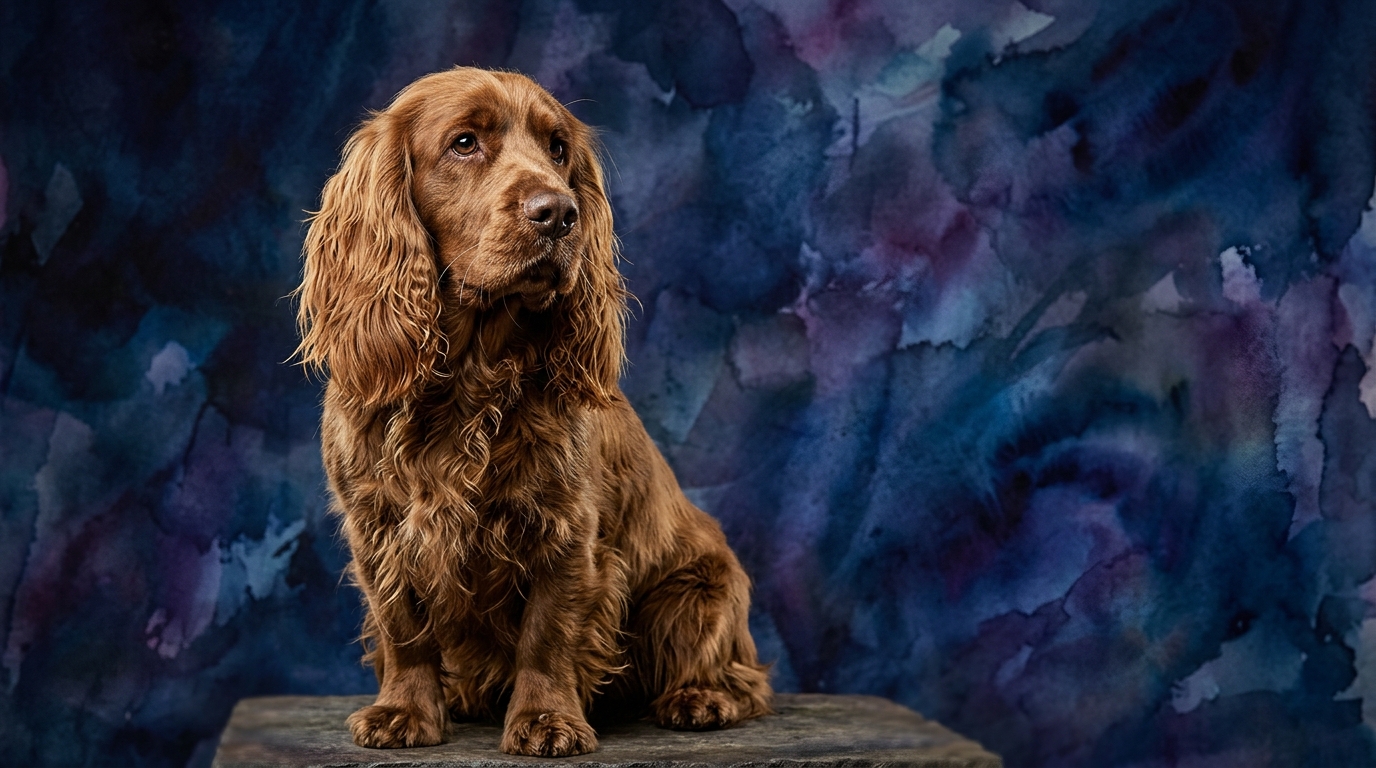
For the **Sussex Spaniel (Sporting Group, Coren Rank #62)**:
Their *Problem Solving (3/5)* score suggests a moderate capacity for independent thought and navigating novel situations. For a Sussex, this likely manifests as an ability to follow a scent trail through varied terrain, adapt to changing weather during a hunt, or figure out how to retrieve a toy from a slightly challenging spot, often relying on keen sensory input rather than complex abstract reasoning.
A *Training Speed (3/5)* indicates that the Sussex Spaniel will grasp new commands and routines with consistent, patient reinforcement. They aren't instantaneous learners but are certainly receptive, particularly when training engages their natural retrieving or scenting drives and is delivered with positive encouragement.
Their *Social Intelligence (3/5)* rating means a Sussex Spaniel can generally read human cues and intentions well, fostering a strong bond with their family. They appreciate companionship and can adjust their behavior in response to household dynamics, though they might not exhibit the intense desire to please seen in some other sporting breeds, preferring a more mutual relationship.
This moderate *Instinctive Drive (3/5)* points to their inherent sporting instincts, primarily focused on flushing game in dense cover. While not as high-octane as some pointers, their drive for scent work and retrieving is present and can be channeled into activities like scent games or field work, contributing to their overall engagement.
A *Memory (3/5)* score suggests the Sussex Spaniel retains learned commands, routines, and experiences reasonably well. They will remember where their favorite toys are kept, the family's daily schedule, and past training lessons, making them reliable companions once established in their environment.
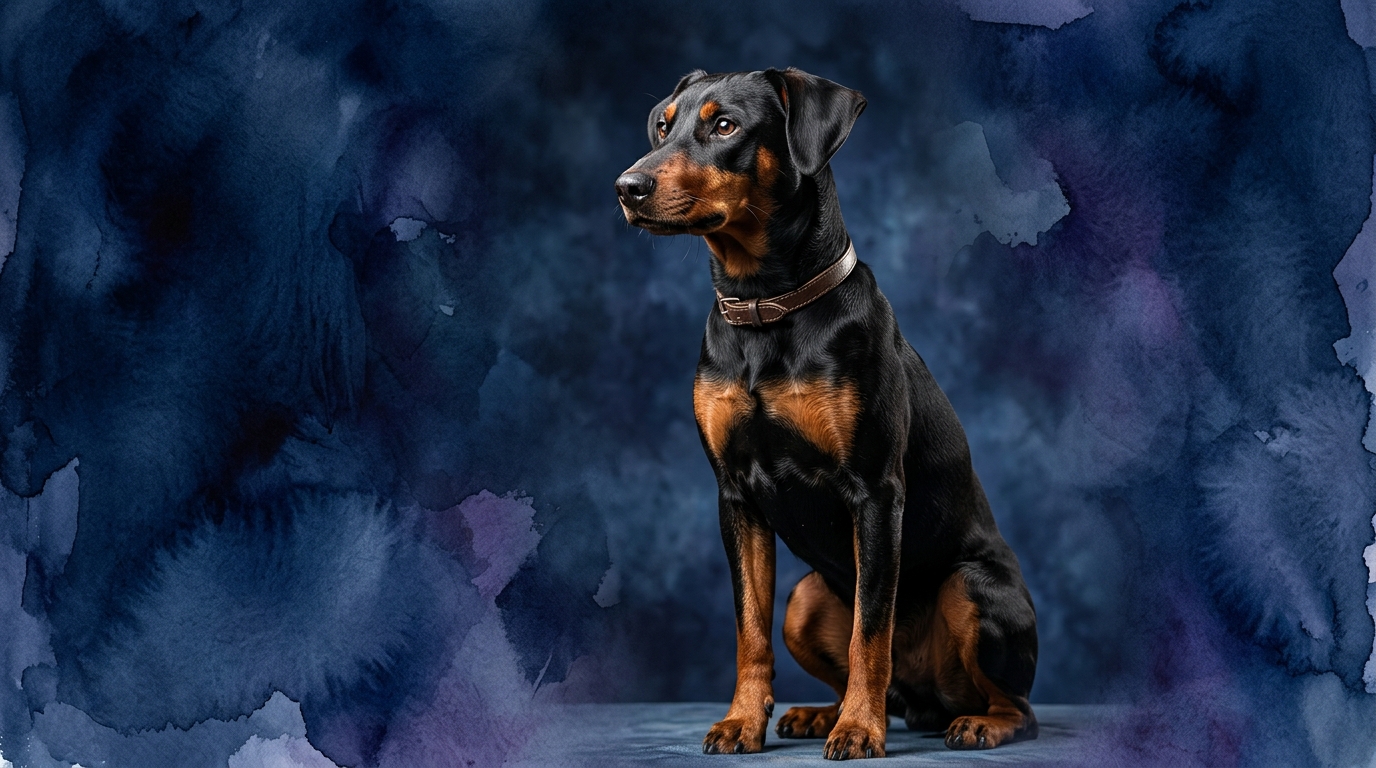
Now, for the **German Pinscher (Working Group, Not Coren-Ranked)**:
For a German Pinscher, their *Problem Solving (3/5)* ability often translates into practical applications related to their historical role as farm guardians and vermin controllers. They might figure out how to navigate obstacles to patrol their territory, outsmart a persistent rodent, or assess a new situation with a degree of independent thought, often driven by their protective instincts.
A German Pinscher's moderate *Training Speed (3/5)* means they are capable learners, but their working breed independence can sometimes make them appear less eager to comply than a spaniel. They learn effectively with clear, firm, and consistent methods, often excelling in structured tasks where their focus and determination can be harnessed.
This *Social Intelligence (3/5)* rating indicates the German Pinscher can understand human social signals, but their social interactions often carry a nuance of vigilance and discernment. They form deep bonds with their family, interpreting their cues, but may be more reserved or watchful around strangers, a trait stemming from their protective heritage.
The German Pinscher’s moderate *Instinctive Drive (3/5)* is rooted in their working heritage, encompassing vigilance, territorial awareness, and a strong prey drive for small vermin. This manifests as an alert nature, a desire to monitor their environment, and an inclination to 'hunt' and chase, which can be channeled into activities like agility or lure coursing.
A *Memory (3/5)* score means the German Pinscher retains training, commands, and experiences effectively. They will remember who belongs in their home, established rules, and past training sessions, often applying this memory to reinforce their understanding of boundaries and expectations within their territory and family unit.
Where the Sussex Spaniel Wins Cognitively
Despite identical numerical scores, the Sussex Spaniel often demonstrates a more consistent and enthusiastic cognitive engagement in collaborative activities. Their history as flushing dogs means they are bred to work *with* a handler, interpreting subtle cues in the field. This translates into a potentially more inherent biddability and eagerness to participate in shared tasks, such as retrieving games or scent work, where cooperation is key. Their problem-solving might lean more towards sensory-driven tasks, excelling at intricate scent puzzles or navigating complex physical environments to find a hidden object, often with sustained focus.
Where the German Pinscher Wins Cognitively
The German Pinscher's cognitive strengths often lie in their independent decision-making and environmental awareness, honed by generations of guarding and pest control. While their problem-solving score is identical, their application of it can appear more self-reliant, such as assessing a perceived threat or devising a strategy to outwit a rodent. Their social intelligence, while rated the same, often manifests as a discerning nature, quick to identify subtle changes in their surroundings or the demeanor of strangers, making them acutely observant guardians. Their instinctive drive, though moderate, is often channeled into a focused determination for their 'job'—be it patrolling the yard or engaging in a mentally stimulating task.
Which is Easier to Train and Why
When considering ease of training, the Sussex Spaniel generally presents a more straightforward path for the average owner. While both breeds share a 3/5 training speed, the Sussex's Sporting group heritage often imbues them with a greater desire to please and a more cooperative spirit. They tend to be less opinionated and more food-motivated, making positive reinforcement highly effective. Their moderate instinctive drive for scenting can be easily leveraged in engaging training games.
The German Pinscher, originating from the Working group, possesses a similar learning capacity but often couples it with a robust independence and a strong will. They require a more confident, experienced handler who can establish clear boundaries and consistent expectations, as they are likely to test limits and make their own decisions if leadership isn't firmly established. Their training success often hinges on channeling their inherent drive and discerning nature rather than simply expecting compliance, making them a better fit for those with prior dog training experience.
Which Suits Active Owners vs. Relaxed Owners
For owners seeking a more relaxed companion who still enjoys moderate activity, the Sussex Spaniel is often a better fit. While they appreciate a good long walk or a session of scent work, their energy levels are generally lower than many other sporting breeds, making them content with regular, but not constant, engagement. They are happy to curl up on the couch after their exercise, making them suitable for individuals who enjoy a balanced lifestyle without extreme athletic demands, valuing companionship over high-octane adventures.
The German Pinscher, conversely, thrives with active owners who can provide ample mental and physical stimulation. Their working background means they possess significant stamina and a need for purpose. They excel in dog sports like agility, obedience, or protection work, and require daily vigorous exercise, coupled with consistent mental challenges, to prevent boredom and destructive behaviors. They are not typically suited for a sedentary lifestyle, preferring an owner who can match their energetic and assertive temperament and provide an outlet for their strong drives.
The Verdict
Opt for the Sussex Spaniel if you desire a warm, cooperative companion who enjoys moderate activity and thrives on collaborative tasks within a consistent, loving home.
Select the German Pinscher if you are an experienced, active owner seeking a vigilant, independent partner who excels with structured training and demanding mental and physical challenges.
🧠 Find Your Pet's IQ Score
Our Pet IQ Lab assessment covers 25+ tests across 5 cognitive dimensions — personalized to your breed.
Take the Full IQ Test →Frequently Asked Questions
Do Sussex Spaniels make good family pets?
Yes, Sussex Spaniels generally make devoted family pets, known for their affectionate nature with their own people. They are typically patient and good-natured, though supervision is always recommended with very young children due to their solid build and potential for accidental bumps.
How much exercise does a German Pinscher need daily?
German Pinschers require a significant amount of daily exercise, typically at least an hour of vigorous activity, often broken into multiple sessions. This can include brisk walks, jogging, off-leash play in a secure area, or participation in dog sports to satisfy their high energy and working drive.
Are German Pinschers difficult to train compared to other breeds?
While German Pinschers are capable learners, their strong will and independent nature mean they require consistent, firm, and experienced training, making them more challenging for novice owners. They respond best to positive reinforcement methods from a confident leader who can channel their natural drives effectively.