
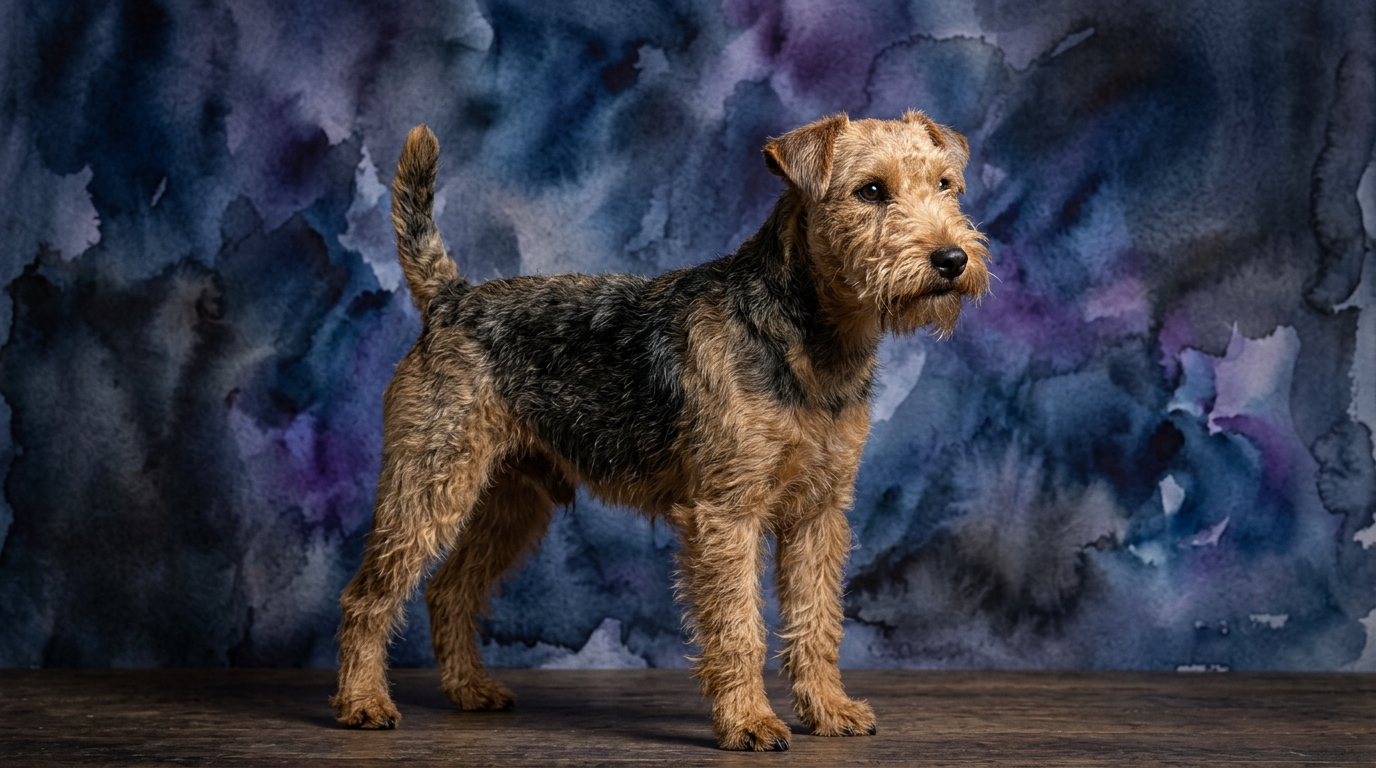
Side-by-Side IQ Profile: Unpacking the 3/5 Scores
At first glance, the IQ profiles of the Sussex Spaniel and the Lakeland Terrier appear identical, each scoring 3 out of 5 across problem solving, training speed, social intelligence, instinctive drive, and memory. However, these scores represent a mid-range capacity that is deeply influenced by their respective breed purposes and characteristic behaviors, leading to nuanced differences in how their intelligence functions.
The Sussex Spaniel, a member of the Sporting group, exhibits a 3/5 in problem solving that often manifests as deliberate, methodical investigation, particularly in scent-related tasks or navigating varied terrain. Their training speed of 3/5 suggests they are receptive to instruction but require consistent, patient guidance, without the extreme biddability of some other Sporting breeds. Social intelligence at 3/5 indicates a generally amiable disposition, forming strong bonds with their family while being observant of their surroundings. Their instinctive drive, also 3/5, is geared towards flushing game with a characteristic vocalization and a persistent, ground-covering search. Memory at 3/5 serves them well in recalling commands and tracking patterns.
Conversely, the Lakeland Terrier, from the Terrier group, displays a 3/5 in problem solving that leans towards independent, tenacious resourcefulness, often involving figuring out how to get to a quarry or overcome obstacles. Their training speed of 3/5 implies they learn quickly but often require motivation that appeals to their independent nature, as their innate drive to pursue may sometimes override immediate obedience. Social intelligence at 3/5 means they are alert, observant, and bond deeply with their inner circle, though they can be reserved with strangers or assertive with other animals. The instinctive drive of 3/5 is pronounced in their intense prey drive, digging tendencies, and vocal alerts. Memory at 3/5 allows them to retain routines, learned behaviors, and the layout of their territory effectively.
Where the Sussex Spaniel Shines Cognitively
While both breeds hold a 3/5 rating in problem solving, the Sussex Spaniel's cognitive strengths often manifest in scenarios demanding sustained focus and collaborative effort. Their historical role as a flushing dog, working closely with hunters in dense undergrowth, has honed a patient and systematic approach to tasks. This means they excel at methodically working through complex environments, relying on their keen sense of smell and memory to locate and retrieve, rather than employing impulsive, quick-fire solutions.
Their 3/5 memory is particularly robust for remembering scent trails and the locations of hidden objects or fallen game, making them adept at tasks that build upon previous experiences in a structured manner. This capability, combined with their inherent desire for cooperation characteristic of the Sporting group, provides a distinct advantage in collaborative activities where a human handler guides the process. For instance, in scent work or obedience tasks requiring a steady pace and consistent execution, the Sussex Spaniel's thoughtful persistence and willingness to work alongside their handler often allow them to complete the task with admirable dedication.
Furthermore, their social intelligence, while a 3/5, often presents as a more settled and observant demeanor. They are attuned to their human companions' moods and intentions, making them responsive partners in activities that benefit from a calm, connected presence. This particular blend of cognitive attributes allows the Sussex Spaniel to excel in tasks that reward patience, partnership, and a measured approach to challenges.
Where the Lakeland Terrier Excels Cognitively
The Lakeland Terrier's 3/5 problem-solving score, though numerically identical to the Sussex Spaniel's, manifests as a distinct aptitude for independent, determined action. Bred to hunt vermin in the challenging terrain of England's Lake District, often working alone or in small packs, Lakelands developed a cleverness for navigating tight spaces, outsmarting prey, and persisting against obstacles. This makes them particularly adept at tasks requiring quick thinking, agility, and a 'never give up' attitude.
Their instinctive drive, also a 3/5, is powerfully channeled into pursuit and exploration. This translates into a cognitive strength for tasks that demand intense focus on a moving target or an intriguing scent, often leading to innovative, if sometimes unconventional, solutions. For example, a Lakeland might quickly devise a way to get past a barrier to reach a perceived 'prey' item, demonstrating a resourceful and direct approach to problem-solving that prioritizes the immediate goal.
The Lakeland's 3/5 memory is particularly strong for recalling strategic pathways, the locations of preferred digging spots, or the habits of small animals. This, combined with their social intelligence, which makes them highly observant of their environment and quick to react, positions them to excel in activities that require rapid assessment and decisive action. Their independent nature means they can confidently tackle challenges without constant human direction, making them proficient at tasks that reward self-reliance and quick, intelligent reactions.
Which is Easier to Train and Why
When considering ease of training, despite both breeds scoring 3/5 in training speed, their inherent temperaments and breed-specific drives create distinct experiences. The Sussex Spaniel generally proves to be more straightforward for novice trainers. Their Sporting group heritage means they are typically more inclined to work cooperatively with a human, often seeking to please. While they may not learn a new command in just a few repetitions, their persistence and desire for connection mean they are generally willing to engage in training sessions and respond well to positive reinforcement and a consistent routine. Their vocal nature, however, might require specific training to manage excessive barking.
The Lakeland Terrier, while equally capable of learning new commands at a 3/5 speed, presents a different training challenge due to their strong terrier independence and intense prey drive. A Lakeland learns quickly but often needs to be convinced that obeying a command is more rewarding than following their own instincts, such as chasing a squirrel or investigating a scent. Their problem-solving skills, while advantageous for independent hunting, can sometimes be applied to outsmarting their human handler. Training a Lakeland requires creativity, unwavering consistency, and a deep understanding of their terrier mindset, leveraging their intelligence to channel their drives rather than suppress them. They thrive with engaging, varied training that prevents boredom and harnesses their natural tenacity.
Therefore, for an owner seeking a more compliant and generally agreeable training partner, the Sussex Spaniel often proves easier. For those who enjoy a challenge and appreciate a dog with a strong will and clever mind, the Lakeland Terrier can be incredibly rewarding, provided the owner is prepared to invest significant time and effort into consistent, stimulating training that respects their independent spirit and innate drives.
Which Suits Active Owners vs. Relaxed Owners
The distinction between these two breeds also becomes clear when considering owner lifestyle. The Sussex Spaniel, despite its working background, can be a surprisingly good fit for owners who appreciate a more relaxed pace indoors, provided their outdoor exercise needs are met. They are known for being relatively calm and content when settled inside, often enjoying quiet companionship. However, their 3/5 instinctive drive means they do require regular, moderate exercise, including opportunities for scent work or leisurely walks to explore. They are not typically suited for extreme sports or marathon running, but rather prefer consistent, purposeful activity that engages their nose and legs without being overly intense. A relaxed owner who enjoys daily walks and some garden time would find a good match.
The Lakeland Terrier, on the other hand, is a vibrant and energetic breed that thrives with active engagement. Their strong 3/5 instinctive drive and problem-solving tenacity mean they require significant physical and mental stimulation to prevent boredom and potential destructive behaviors. They are excellent companions for active owners who enjoy hiking, agility, earthdog trials, or other vigorous activities that allow them to use their quick wits and boundless energy. A Lakeland needs more than just a walk around the block; they need purposeful activity that challenges their mind and body. An owner who prefers a more relaxed, sedentary lifestyle would likely find a Lakeland Terrier's energy and demands overwhelming, as their cleverness can lead to mischief if not adequately channeled.
In summary, the Sussex Spaniel aligns well with owners seeking a balanced companion who enjoys both quiet time and moderate outdoor activity, valuing a steady presence. The Lakeland Terrier is best suited for highly active individuals or families who can consistently provide stimulating outlets for their dog's robust energy, independent spirit, and sharp intellect.
The Verdict: When to Choose Each
The Verdict
Choose the Sussex Spaniel if you appreciate a dog with a patient, methodical approach to tasks, a cooperative nature in training, and a calm demeanor indoors balanced with moderate outdoor activity. They are a good fit for owners seeking a steady companion who enjoys scent work and a more predictable routine.
Opt for the Lakeland Terrier if you are an active, experienced owner who enjoys a dog with tenacious problem-solving skills, a spirited independent streak, and boundless energy for engaging activities. They thrive with consistent mental and physical challenges that channel their strong drives.
🧠 Find Your Pet's IQ Score
Our Pet IQ Lab assessment covers 25+ tests across 5 cognitive dimensions — personalized to your breed.
Take the Full IQ Test →Frequently Asked Questions
Do Sussex Spaniels enjoy learning new tricks?
Yes, Sussex Spaniels generally enjoy learning new tricks, especially if it involves scent work or retrieving, aligning with their natural instincts. Their 3/5 training speed means they respond well to positive reinforcement and consistent, patient teaching, making the learning process a rewarding bonding experience.
Are Lakeland Terriers good at puzzle toys?
Lakeland Terriers are often excellent at puzzle toys, thanks to their 3/5 problem-solving ability and independent nature. These toys provide valuable mental stimulation, challenging their clever minds and helping to channel their innate drive to figure things out and 'work' for rewards.
How do their social intelligence scores differ in family settings?
While both score 3/5, a Sussex Spaniel's social intelligence often translates to being a devoted, observant family member who is generally amiable and enjoys being part of group activities. A Lakeland Terrier's 3/5 social intelligence typically means they form very strong, loyal bonds with their family but might be more discerning or reserved with strangers, showcasing their alert and protective terrier nature.