Side-by-Side IQ Profile: A Closer Look at Cognitive Dimensions
The Cosmic Pet Pet IQ Lab evaluates canine cognition across five crucial dimensions: Problem Solving, Training Speed, Social Intelligence, Instinctive Drive, and Memory. What makes the comparison between the Sussex Spaniel and the Skye Terrier particularly compelling is that both breeds have registered a consistent 3/5 across every single one of these cognitive markers. This uniformity challenges us to look beyond the numbers, exploring how these identical scores manifest through the lens of each breed's unique heritage and temperament.
For both the Sussex Spaniel and the Skye Terrier, a 3/5 in Problem Solving indicates a capable ability to navigate novel situations and figure out solutions to moderate challenges, neither quickly frustrated nor exceptionally ingenious, but reliably persistent. Their 3/5 in Training Speed suggests they absorb new commands and routines at a steady, moderate pace, not instant learners but certainly receptive to consistent instruction. Owners of both breeds can expect a reasonable progression in learning, provided methods are clear and engaging.
A 3/5 in Social Intelligence for both breeds means they possess a sound capacity to understand and respond to human cues and canine interactions, capable of forming strong bonds and adapting to social dynamics without being overly sensitive or aloof. Their Instinctive Drive, also at 3/5, points to a moderate but present genetic predisposition towards their original working roles, influencing behaviors like scenting, chasing, or guarding. Finally, a 3/5 in Memory for both signifies a solid ability to retain learned behaviors, routes, and associations over time, ensuring that training and experiences are not easily forgotten.
Where the Sussex Spaniel's Mind Shines
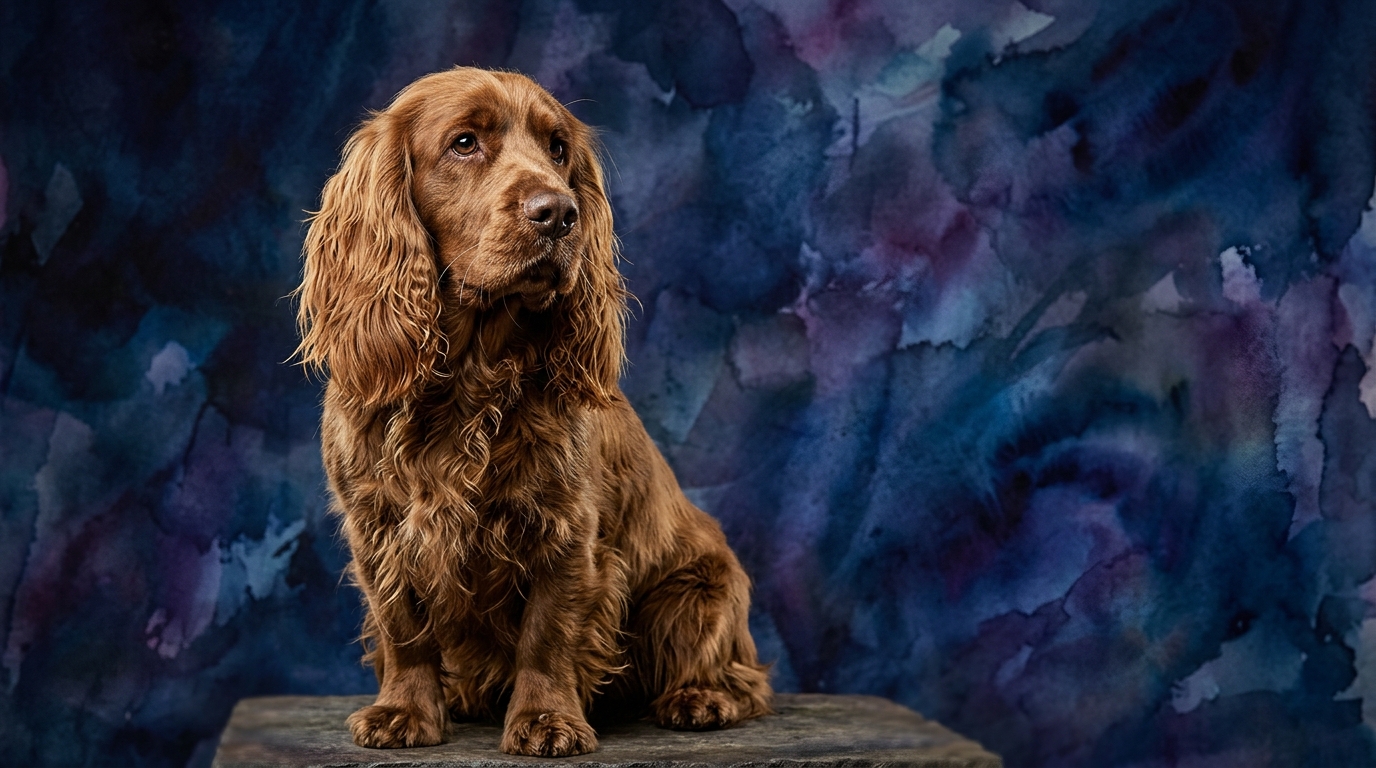
Despite the identical numerical scores, the Sussex Spaniel's cognitive strengths are distinctly shaped by its heritage as a sporting dog, specifically bred for flushing game in dense cover. Their 3/5 instinctive drive, for example, is inherently geared towards cooperative work with a handler, focusing on scent discrimination and sustained effort in the field. This translates into a problem-solving approach (3/5) that excels in tasks requiring methodical searching and retrieving, where their memory (3/5) for scent trails and previous finds becomes a significant asset. A Sussex Spaniel’s social intelligence (3/5) is finely tuned for partnership, making them particularly adept at reading handler cues and working in tandem, a trait reinforced by their Coren ranking of #62 which highlights their biddability and responsiveness to obedience tasks. Their cognitive profile is optimized for a collaborative hunting partner, thriving on tasks that involve engagement and shared objectives.
Unpacking the Skye Terrier's Cognitive Strengths
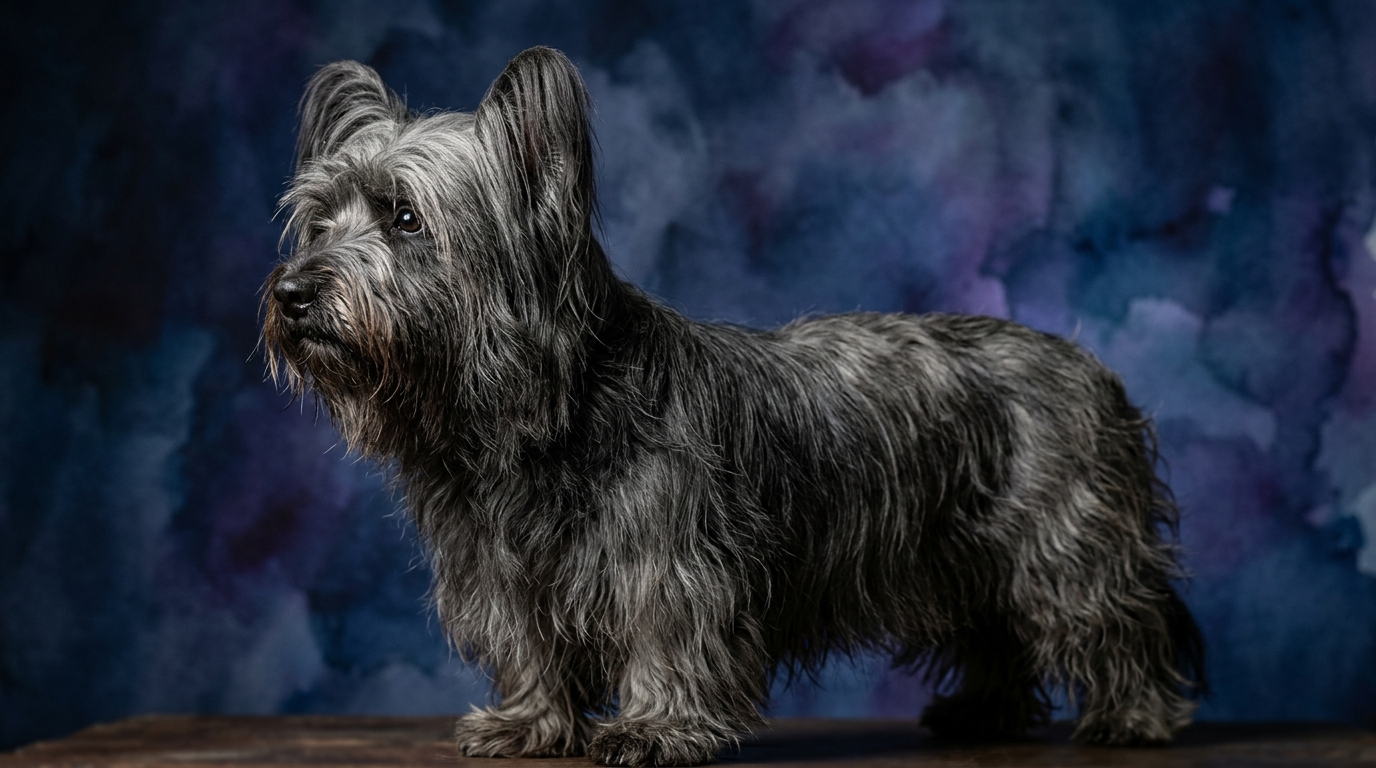
The Skye Terrier, conversely, brings a distinct set of cognitive advantages rooted in its terrier lineage, originally tasked with independently hunting badger and fox. While also holding a 3/5 in instinctive drive, this drive manifests as tenacious self-reliance and a relentless pursuit of quarry, often underground. Their problem-solving capacity (3/5) is therefore particularly effective when it comes to navigating confined spaces, overcoming obstacles with determination, and strategizing to outmaneuver prey, often relying on their own initiative rather than human direction. Their memory (3/5) serves them well in recalling the layout of their territory or the locations of potential dens. The Skye’s social intelligence (3/5), while capable, is often expressed through a discerning loyalty to their immediate family, combined with a dignified reserve towards strangers, reflecting their independent nature. Their cognitive makeup is geared towards autonomous action and persistent, focused effort in challenging environments, making them formidable in their historical role.
Training Dynamics: Sussex Spaniel vs. Skye Terrier
Both breeds share a 3/5 rating in training speed, implying a moderate learning curve, but the approach to training them differs significantly due to their underlying drives. The Sussex Spaniel, with its sporting dog background, generally proves more amenable to handler-centric training. Their cooperative instinctive drive means they naturally look to their human partners for direction and find motivation in pleasing them, especially when tasks involve scent work, retrieving, or simply engaging in shared activities. Positive reinforcement methods, combined with consistency and a clear understanding of what's expected, will typically yield steady progress, making their 3/5 training speed feel quite straightforward for owners willing to engage actively with them.
The Skye Terrier, while equally capable of learning at a 3/5 speed, often presents a greater challenge due to its strong terrier independence and self-directed instinctive drive. They are not inherently inclined to simply 'obey' without understanding the purpose or perceiving a benefit to themselves. Training a Skye requires immense patience, creativity, and a deep understanding of their tenacious personality. Engaging their problem-solving mind with puzzle toys or incorporating their natural digging and chasing instincts into controlled training games can be effective. Owners must be consistent and firm, yet fair, always making training sessions rewarding and ensuring the Skye feels like an active participant to overcome their occasional stubbornness and leverage their learning capacity.
Lifestyle Match: Active Companion or Relaxed Observer?
When considering which breed aligns with a particular lifestyle, the subtle differences in their cognitive application and drives become paramount. The Sussex Spaniel, despite its calm demeanor indoors, is fundamentally a sporting dog and thrives with regular activity that engages its 3/5 instinctive drive for scenting and exploring. They are well-suited for owners who enjoy long, rambling walks, participate in scent work or obedience classes, and appreciate a dog that wants to be an integrated, active part of family outings. While not hyperactive, they require consistent mental and physical stimulation to prevent boredom and ensure their cooperative nature is fulfilled. They are best for active owners who seek a biddable partner for shared adventures, even if those adventures are just daily strolls through varied environments.
The Skye Terrier, while possessing a 3/5 instinctive drive, expresses it differently, often through bursts of intense focus or a desire to patrol their territory. They need daily exercise, but their activity might be satisfied with structured walks and opportunities for off-leash exploration in secure areas where their prey drive can be managed. Indoors, they can be remarkably calm and dignified, often content to observe from a comfortable spot, but they still require mental engagement through puzzle toys or short, engaging training sessions to prevent ennui. The Skye is an excellent fit for owners who appreciate a strong, independent personality, are prepared to manage terrier instincts, and value a loyal companion who might be a relaxed observer indoors but still requires dedicated, stimulating outdoor time.
The Verdict
For owners seeking a cooperative, biddable companion eager to participate in family activities and enjoy scent-based work or long walks, valuing a dog that slots into a partnership, the Sussex Spaniel is an ideal choice.
For those who appreciate a dignified, independent spirit, willing to invest in consistent, engaging training, and value a loyal companion with a strong personality who enjoys surveying their domain, the Skye Terrier will be a rewarding match.
🧠 Find Your Pet's IQ Score
Our Pet IQ Lab assessment covers 25+ tests across 5 cognitive dimensions — personalized to your breed.
Take the Full IQ Test →Frequently Asked Questions
How can two breeds have identical IQ scores but different Coren rankings?
Coren ranking primarily measures "working and obedience intelligence," focusing on how quickly a dog learns and obeys commands, which aligns with handler-cooperative breeds. Identical Pet IQ Lab scores across the five dimensions suggest similar underlying cognitive capacities, but their application and motivation for obedience tasks can vary greatly due to breed-specific drives and historical roles, explaining the Coren disparity.
Does a 3/5 score mean a dog is "average" in intelligence?
A 3/5 score indicates a solid, capable level of cognitive function in that specific dimension, representing a functional and reliable capacity. It signifies a dog that can learn effectively, solve moderate problems, and adapt socially without being at the extreme ends of either exceptional brilliance or significant challenge, making them capable and responsive companions.
How do the instinctive drives of these two breeds differ in daily life?
The Sussex Spaniel's 3/5 instinctive drive often manifests as a desire to follow scents, flush birds, and work collaboratively, making them keen participants in games or walks, eager for shared activity. The Skye Terrier's 3/5 instinctive drive typically involves a strong prey drive, a tendency to dig, and a self-reliant approach to exploring, requiring owners to manage these behaviors with consistent training and secure environments.