Side-by-Side: The Pet IQ Lab Profile
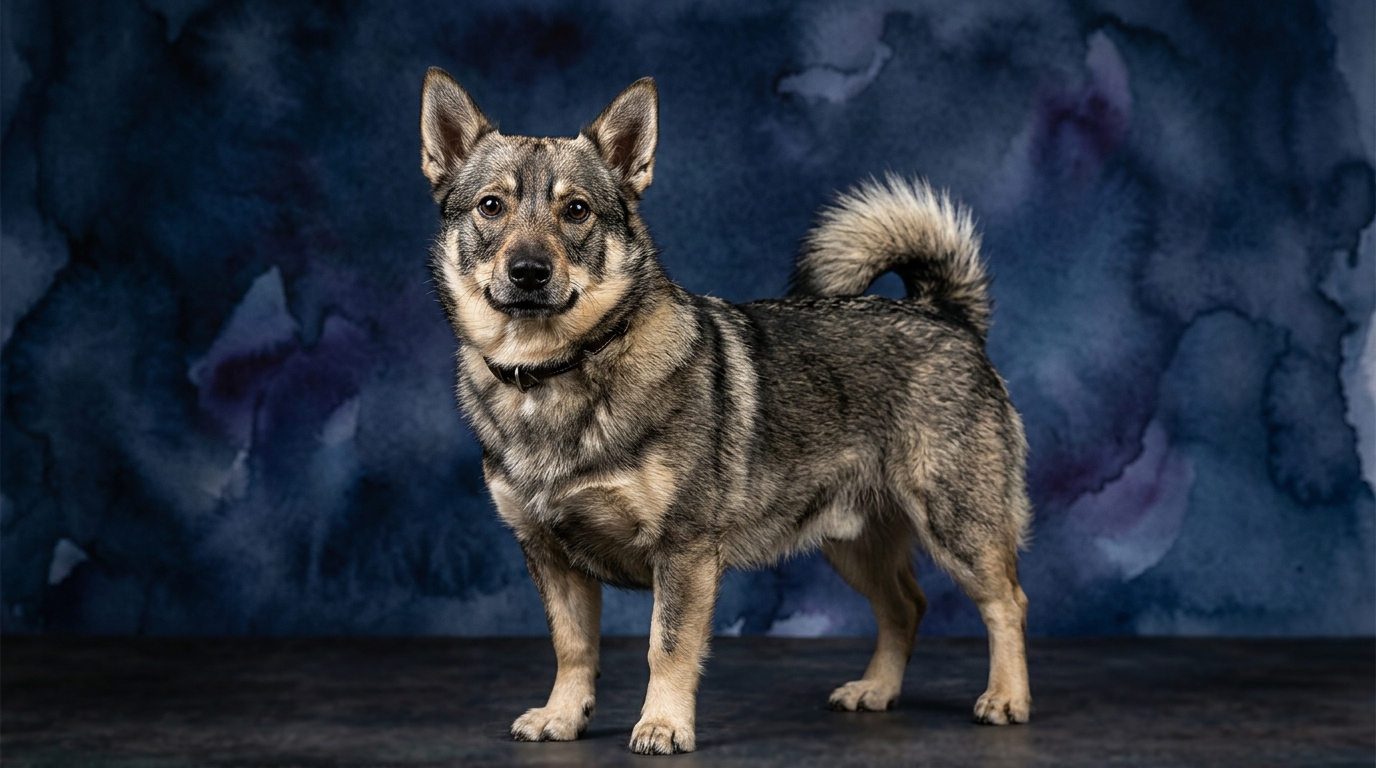
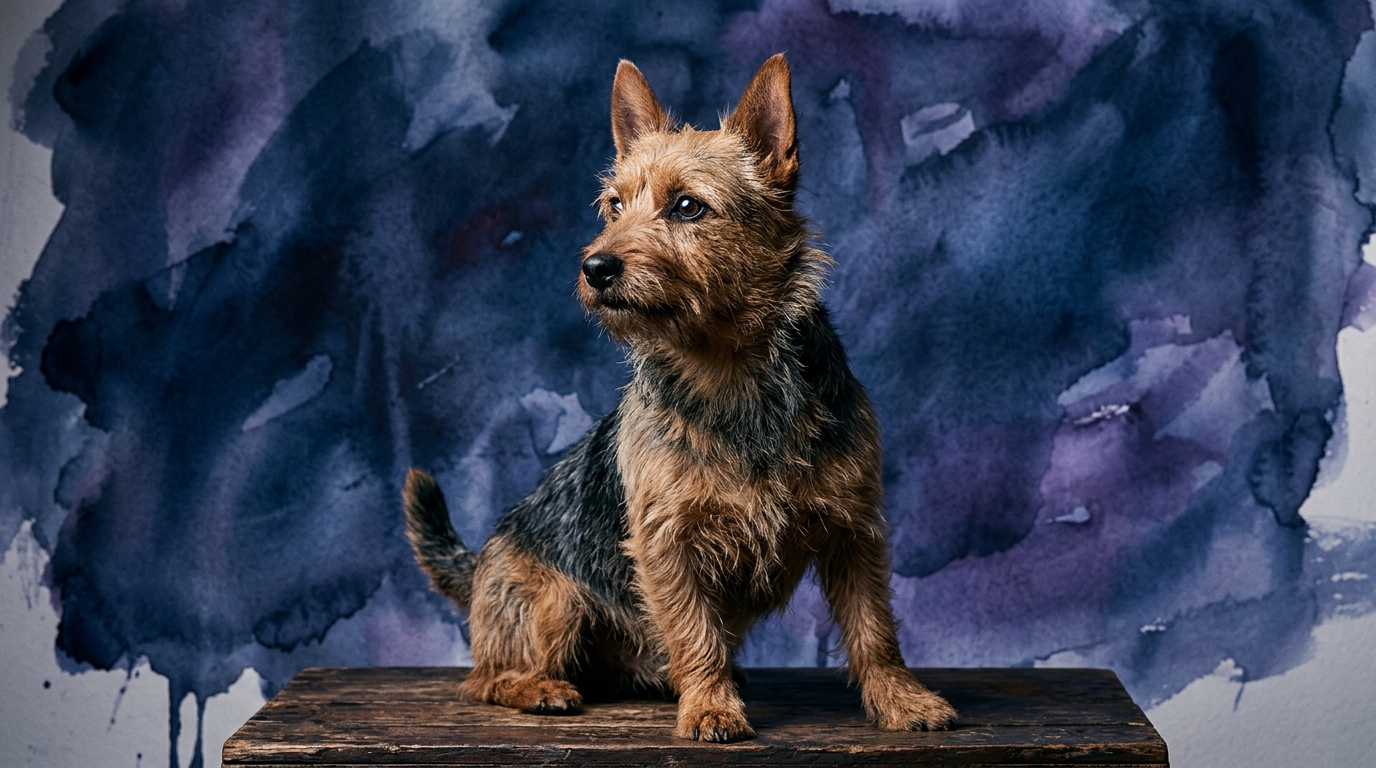
Both the Swedish Vallhund and the Australian Terrier register a consistent 3 out of 5 across all five measured dimensions of intelligence within The Cosmic Pet Pet IQ Lab framework. This uniform score suggests that neither breed dramatically outperforms the other in any single cognitive area, but rather that their cognitive strengths are well-rounded and balanced. However, the *nature* of this 3/5 score differs significantly between a herding dog and a terrier, reflecting their ancestral roles and inherent temperaments. Let's explore what a 3/5 truly means for each.
For the **Swedish Vallhund**, a 3/5 in **Problem Solving** indicates a practical aptitude for navigating environmental challenges, particularly those related to managing livestock or understanding spatial relationships within their work. They are adept at figuring out how to move objects or animals efficiently, often relying on observation and learned patterns rather than pure trial-and-error. Their **Training Speed** at 3/5 reflects a willingness to absorb new commands and routines, responding well to consistent instruction and positive reinforcement, though their independent herding judgment can sometimes require a patient hand. Their **Social Intelligence** rating of 3/5 points to an ability to read human cues and intentions effectively, allowing for strong partnerships and a keen awareness of their family's emotional states, though they may be reserved with unfamiliar individuals. The **Instinctive Drive** at 3/5 is dominated by their inherent desire to gather and control, manifesting as a need for purposeful activity and often a vocal expression of their intentions. Finally, a **Memory** score of 3/5 means they retain learned behaviors, routes, and associations reliably, building a solid foundation of knowledge over time.
Conversely, for the **Australian Terrier**, a 3/5 in **Problem Solving** highlights a resourceful and tenacious approach to overcoming obstacles, particularly those involved in hunting vermin. They exhibit a persistent, often independent streak in figuring out how to achieve a goal, such as accessing a burrow or retrieving a hidden item, demonstrating a practical intelligence driven by their prey drive. Their **Training Speed** at 3/5 signifies that while they are capable of learning quickly, their independent nature and self-assured temperament mean they might require more engaging and varied training methods to maintain their focus and compliance. The **Social Intelligence** at 3/5 indicates an acute awareness of their immediate family's dynamics and a protective instinct, but they may be less inclined to seek universal approval and can be selective in their social interactions with other dogs or strangers. Their **Instinctive Drive** at 3/5 is characterized by a strong prey drive, expressed through digging, chasing, and barking, which profoundly influences their interactions with their environment. A **Memory** score of 3/5 suggests they recall past experiences, successful hunting strategies, and routines effectively, but can also remember negative associations, requiring thoughtful management of their training environment.
Where the Swedish Vallhund Shines Cognitively
The Swedish Vallhund's cognitive strengths distinctly emerge from its history as a cooperative herding dog. Their problem-solving at 3/5 is often best displayed in scenarios requiring collaboration with a human partner, such as navigating an agility course or executing complex obedience sequences. They excel when given a clear objective and a framework within which to operate, utilizing their social intelligence to interpret subtle commands and anticipate handler intentions. This breed's instinctive drive to gather and control lends itself to structured activities where their focus can be directed, making them adept at tasks that require precision and teamwork. Their memory, combined with their biddability, ensures they consistently apply learned solutions to recurring challenges, making them particularly effective in roles that demand repeatable, precise actions.
Where the Australian Terrier Excels Cognitively
The Australian Terrier, while sharing the same 3/5 cognitive scores, demonstrates its unique cognitive prowess in situations demanding independent thought and perseverance. Their problem-solving is often self-directed, rooted in their terrier instinct to overcome obstacles to reach a goal, whether it's figuring out how to retrieve a toy stuck under furniture or locating a scent in a complex environment. This breed's instinctive drive for tracking and digging fuels a tenacious focus that allows them to work autonomously, often without needing constant human input. Their social intelligence, while focused on their immediate family, allows them to make independent decisions based on their assessment of a situation, such as determining if a strange noise warrants investigation. This self-reliance, combined with their robust memory for successful strategies, enables them to adapt quickly and resourcefully to novel or unexpected challenges, making them adept at tasks requiring grit and determination.
Training Dynamics: Vallhund's Cooperation vs. Aussie's Independence
When it comes to training, the identical 3/5 'Training Speed' scores belie distinct behavioral differences that impact the owner's experience. The Swedish Vallhund, owing to its herding heritage, generally approaches training with a cooperative mindset. They are attentive and eager to engage with their human partners, making them generally responsive to commands and consistent positive reinforcement. Their desire to work alongside people means they often find satisfaction in pleasing their handler, which can make basic obedience and more advanced activities like agility or rally relatively straightforward for an owner willing to invest time. Their herding drive, while strong, can be effectively channeled into structured training, providing a productive outlet for their energy and cognitive engagement.
The Australian Terrier, on the other hand, while equally capable of learning, brings a more independent and sometimes stubborn streak to the training process. Their terrier nature means they are less inclined to blindly follow commands if their own instincts or interests diverge. Training an Australian Terrier often requires creativity, patience, and a deep understanding of what motivates them, typically involving high-value rewards and making lessons feel like a game. Their strong prey drive means distractions can be significant, and owners must work diligently to maintain focus in varied environments. While they learn quickly, their compliance is often conditional on their own assessment of the situation, making them a rewarding but potentially more challenging partner for those new to dog training.
Lifestyle Match: Active Engagement for Both, Different Flavors
Both the Swedish Vallhund and the Australian Terrier are breeds that thrive with active engagement, but the *type* of activity that best suits their cognitive and physical needs differs. The Swedish Vallhund, with its herding background, requires consistent mental stimulation and physical exercise that allows them to utilize their natural instincts. Activities like herding trials, agility, obedience, and even complex trick training are excellent outlets, satisfying their need for a 'job' and cooperative interaction. They are not content to be mere couch potatoes; their 3/5 instinctive drive and problem-solving abilities demand regular, purposeful activity to prevent boredom and potential undesirable behaviors. Owners who enjoy structured training and outdoor adventures will find a willing and capable partner in the Vallhund.
The Australian Terrier also needs an active lifestyle, but one that caters to its robust terrier spirit. Their strong prey drive and independent problem-solving mean they excel in activities like earthdog trials, tracking, or even long walks and hikes where they can explore scents and satisfy their urge to 'hunt' (safely, of course). While they can enjoy structured training, they also benefit greatly from self-directed play and opportunities to investigate their environment. They are hardy and adaptable, capable of thriving in various living situations from apartments to larger homes, provided their daily needs for physical exercise and mental challenges are met. A relaxed owner who cannot provide outlets for their innate drive will likely find the Australian Terrier's self-directed problem-solving turning to digging, barking, or other expressions of boredom.
The Verdict
Choose the Swedish Vallhund if you seek a highly cooperative and biddable companion, eager to engage in structured training and activities alongside you, thriving on a partnership that utilizes their herding acumen.
Opt for the Australian Terrier if you appreciate a tenacious, independent, and spirited dog that excels at self-directed problem-solving and needs an owner who can channel their strong terrier instincts into appropriate and engaging outlets.
🧠 Find Your Pet's IQ Score
Our Pet IQ Lab assessment covers 25+ tests across 5 cognitive dimensions — personalized to your breed.
Take the Full IQ Test →Frequently Asked Questions
Are Swedish Vallhunds good family dogs?
Yes, Swedish Vallhunds often make wonderful family dogs. Their social intelligence (3/5) means they bond strongly with their family members and are typically good with children, especially if raised with them and properly socialized. They can be reserved with strangers but are loyal and affectionate with their own.
Do Australian Terriers bark excessively?
Australian Terriers do have a tendency to bark, often due to their instinctive drive (3/5) to alert their family to anything unusual or to express their excitement. Consistent training and early socialization can help manage this, but owners should expect some level of vocal communication from this vigilant breed.
What kind of grooming do these breeds require?
The Swedish Vallhund has a double coat that requires weekly brushing to remove loose hair, especially during shedding seasons. The Australian Terrier has a harsh, wiry coat that benefits from weekly brushing and occasional hand-stripping or professional grooming to maintain its texture and minimize shedding.