Side-by-Side Cognitive Profiles
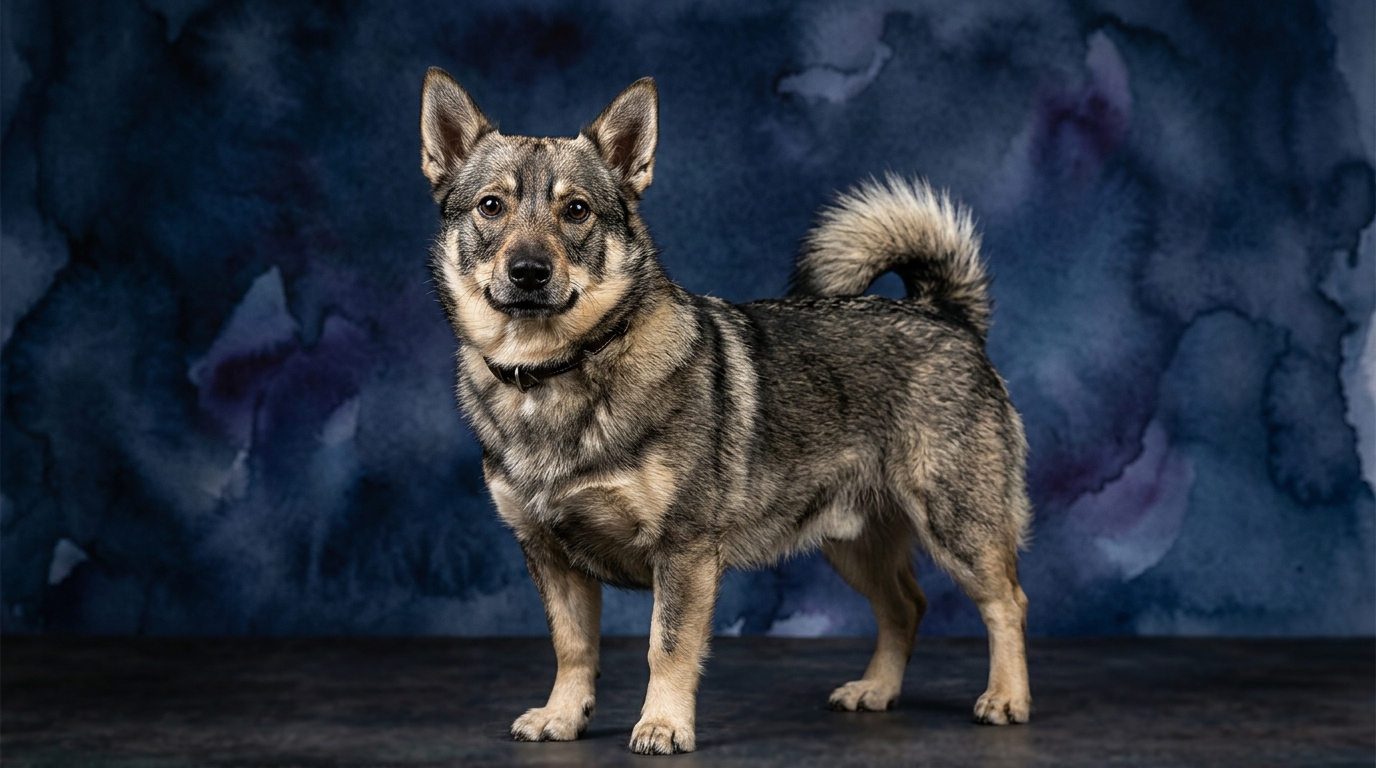
The Swedish Vallhund, a spirited herding dog, exhibits a balanced cognitive profile. Their problem-solving ability, rated 3/5, reflects practical resourcefulness, adept at managing livestock in varied environments rather than intricate puzzles. Training speed at 3/5 suggests they are responsive learners, though their independent herding instincts can sometimes lead to thoughtful deliberation rather than instant compliance. Social intelligence, also 3/5, highlights their capacity for strong family bonds and awareness of their immediate pack, while an instinctive drive of 3/5 underpins their historical role in gathering and controlling animals. Their memory, rated 3/5, supports retention of routines, boundaries, and learned commands essential for farm work.
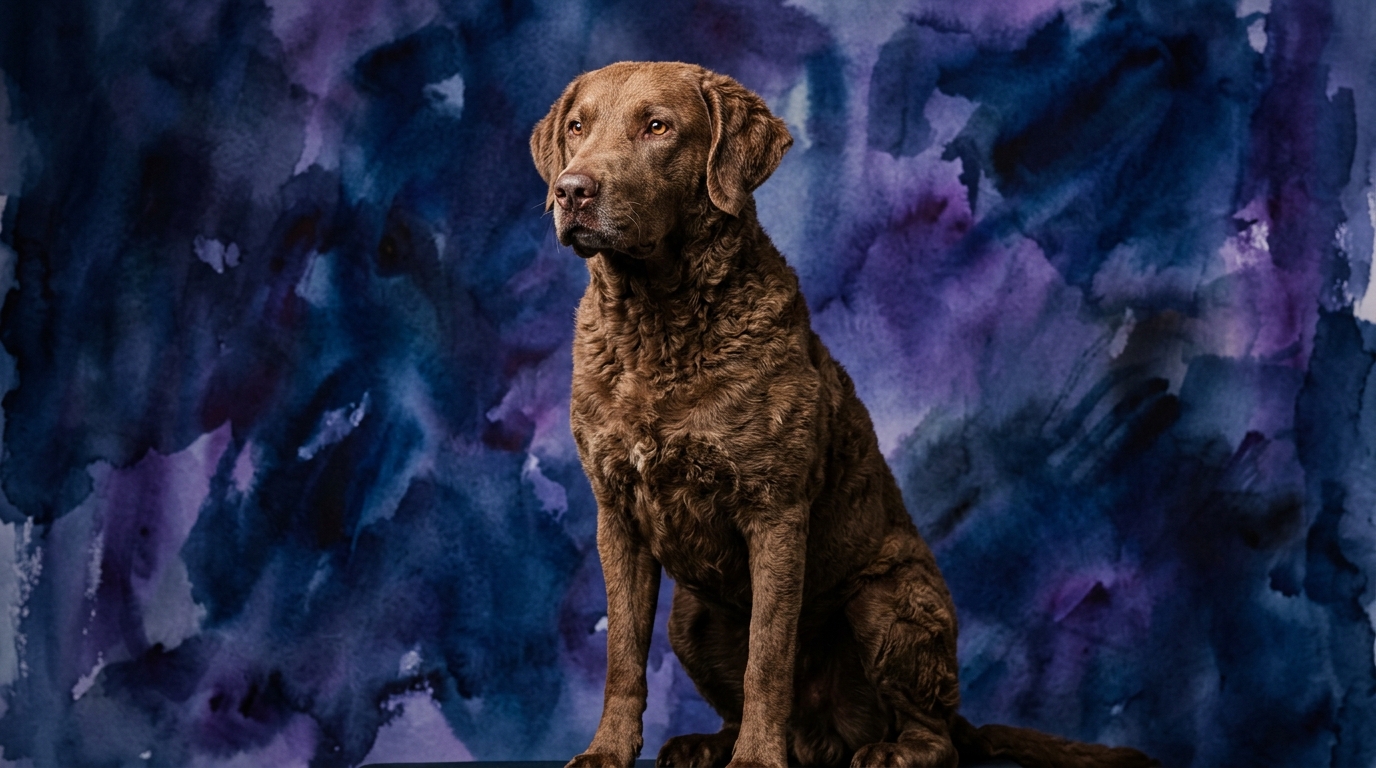
In contrast, the Chesapeake Bay Retriever, a dedicated sporting dog, often displays a more focused cognitive drive. Their problem-solving at 4/5 points to a strategic mind, highly effective in navigating complex terrain and obstacles to retrieve game, demanding significant mental mapping and decision-making. A training speed of 4/5 indicates a strong eagerness and capacity to quickly grasp and execute commands, particularly when task-oriented. Their social intelligence, rated 3/5, reflects a deep loyalty to their handler and family, often reserved with strangers, prioritizing working partnership. An instinctive drive of 3/5 is channeled primarily into their powerful retrieving and water work, while their memory, a robust 4/5, enables them to recall multiple retrieve locations and complex sequences over time.
Where the Swedish Vallhund Excels Cognitively
The Swedish Vallhund often demonstrates a superior cognitive nimbleness in situations requiring rapid assessment and adaptation. Their herding heritage has cultivated a mind that can process multiple variables simultaneously – livestock movement, environmental changes, and handler cues – making quick, independent decisions essential for effective control. This translates to an agile problem-solving approach in dynamic, fluid environments, where a rigid plan might fail.
Furthermore, their vigilance and observational awareness are prominent cognitive strengths. Vallhunds are known for their alert nature, which stems from needing to be constantly aware of their surroundings to protect their flock or property. This cognitive trait makes them highly attuned to subtle changes in their environment, enabling them to act as effective watchdogs and responsive companions who notice details others might miss.
Where the Chesapeake Bay Retriever Excels Cognitively
The Chesapeake Bay Retriever shines in cognitive tasks demanding intense focus, persistence, and specialized spatial memory. Their role as a retriever requires them to mark the fall of multiple birds, often over long distances and challenging terrain, and then systematically retrieve them. This task demands exceptional working memory and the ability to strategize the most efficient path, even in adverse conditions like icy water or dense cover.
Their problem-solving prowess is particularly evident in overcoming physical obstacles to reach a retrieve. A Chessie won't easily give up; their mental stamina allows them to methodically work through barriers, whether it’s pushing through thick reeds or navigating around fallen logs, driven by their strong task completion instinct. This sustained mental effort and determination are hallmarks of their cognitive makeup, making them formidable partners in demanding field work.
Training Dynamics: Which is Easier and Why?
When considering ease of training, the Chesapeake Bay Retriever generally presents a smoother path for an experienced handler. With a training speed of 4/5, Chessies are typically eager to please and quick to pick up new commands, especially when those commands relate to their inherent retrieving drive. Their higher problem-solving and memory scores mean they can retain complex sequences and apply learned behaviors to novel situations with greater consistency, thriving on clear, firm, and reward-based instruction.
The Swedish Vallhund, while responsive with a training speed of 3/5, can be more of a nuanced training endeavor. Their herding background instills a certain independence and a thoughtful, sometimes opinionated, approach to tasks. They may question or try to interpret commands through their own lens of what's effective, requiring patience, creativity, and consistency from their trainer. Their strong herding instinct needs careful channeling and early socialization to prevent undesirable behaviors like nipping at heels, which can make initial training phases more demanding compared to the Chessie's more direct drive to work alongside their human partner.
Matching Breeds to Lifestyles: Active vs. Relaxed Owners
For owners with a relaxed lifestyle, neither of these breeds is an ideal match, as both possess significant energy and cognitive needs. However, for those seeking an active companion, the Swedish Vallhund suits owners who enjoy varied outdoor activities and appreciate a dog that is engaged and vigilant. They thrive with daily walks, playtime, and mental challenges like agility, obedience, or even urban herding activities, benefiting from consistent engagement that stimulates their adaptable minds and bodies.
The Chesapeake Bay Retriever, with its profound need for vigorous physical and mental exertion, is best suited for highly active, experienced owners. These dogs demand a substantial commitment to daily exercise, often involving swimming, retrieving games, or long runs, for at least an hour. They excel in demanding activities like hunting, field trials, advanced obedience, or dock diving, requiring a 'job' to truly feel fulfilled and prevent boredom-induced behaviors. Owners who can provide this level of dedication will find an unwavering, devoted partner.
The Verdict: When to Choose Each Companion
The Verdict
Choose the Swedish Vallhund if you appreciate a resourceful, vigilant companion with an agile mind, enjoy dog sports like agility, and can provide consistent, engaging training that channels their independent spirit.
Opt for the Chesapeake Bay Retriever if you are an experienced, highly active owner seeking a devoted, task-oriented partner for demanding outdoor activities, hunting, or advanced obedience, and can commit to their significant exercise and mental stimulation requirements.
🧠 Find Your Pet's IQ Score
Our Pet IQ Lab assessment covers 25+ tests across 5 cognitive dimensions — personalized to your breed.
Take the Full IQ Test →Frequently Asked Questions
Are Swedish Vallhunds good with children?
Swedish Vallhunds can be excellent family companions, but their herding instinct might lead them to gently 'herd' children by nipping at heels. Early socialization and training are crucial to manage this behavior, and supervision is always recommended with young children.
Do Chesapeake Bay Retrievers shed a lot?
Chesapeake Bay Retrievers possess a dense double coat that sheds moderately throughout the year, with more noticeable seasonal shedding. Regular brushing, especially during shedding seasons, helps to manage loose fur and keep their coat healthy.
What are the primary exercise needs for these breeds?
Both breeds require significant exercise. Swedish Vallhunds need daily walks, playtime, and mental challenges to prevent boredom. Chesapeake Bay Retrievers demand vigorous daily activity, often including swimming or intense retrieving sessions, for at least an hour to satisfy their working drive.