Side-by-Side Cognitive Profiles: Decoding Identical Scores
The Cosmic Pet Pet IQ Lab employs a five-dimensional model to assess canine cognitive function, and interestingly, both the Swedish Vallhund and the Chow Chow register identical scores of 3 out of 5 across all categories. This numerical parity, however, belies significant differences in how these breeds manifest their cognitive abilities, shaped profoundly by their distinct historical roles and inherent temperaments. A score of 3/5 signifies a solid, capable level of intelligence, not a lack thereof, but rather a balanced cognitive profile that excels in specific contexts.
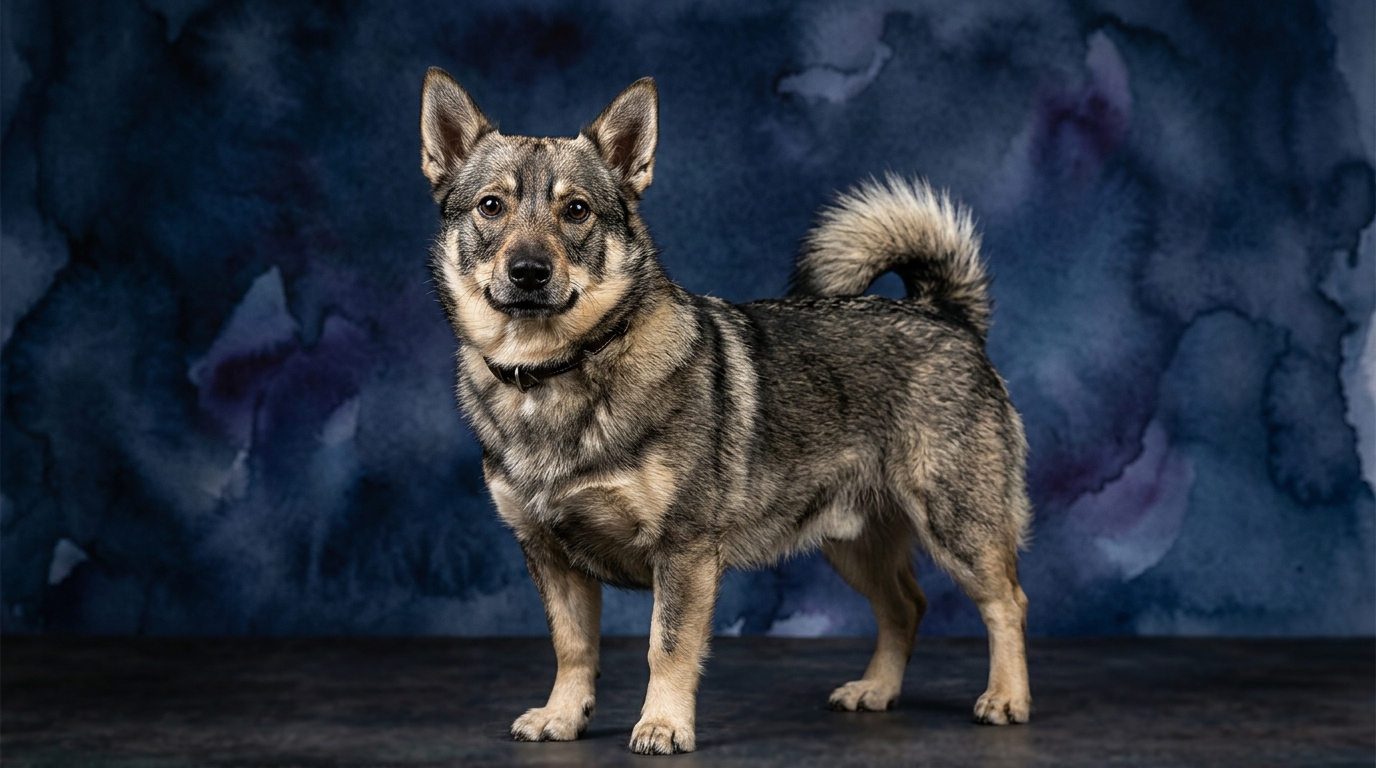
For the **Swedish Vallhund**, a venerable herding dog from Sweden, their 3/5 in **Problem Solving** reflects a practical, adaptable mind. They are adept at figuring out how to move a flock, navigate obstacles on a farm, or understand complex multi-step commands. Their **Training Speed** (3/5) indicates a readiness to learn, driven by a cooperative spirit and a desire to work alongside their human partners, though their independent herding instincts can sometimes lead to creative interpretations of directives. Their **Social Intelligence** (3/5) is geared towards reading both livestock and human cues, making them attentive to their handler's moods and intentions, while being discerning with strangers. The **Instinctive Drive** (3/5) is clearly rooted in herding – a strong inclination to gather, bark, and nip at heels, coupled with a vigilant nature. Finally, their **Memory** (3/5) is robust for recalling routines, learned commands, and the layout of their territory, essential for effective farm work and consistent obedience.
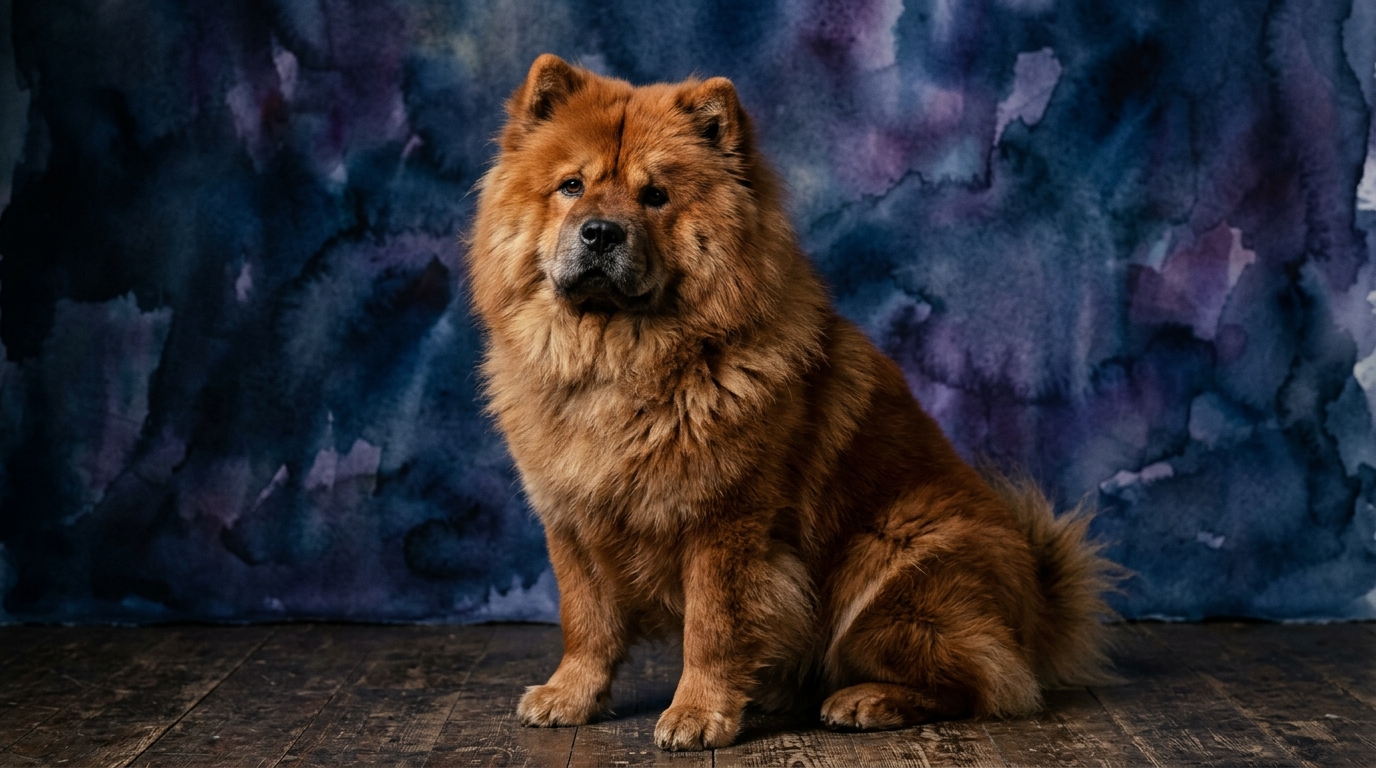
The **Chow Chow**, an ancient breed originating from China, with a history spanning roles from temple guard to hunting dog and companion, also scores 3/5 in each cognitive dimension, yet their expression is markedly different. Their **Problem Solving** (3/5) manifests as independent thought and self-sufficiency, particularly in assessing potential threats or managing their own space without constant human direction. **Training Speed** (3/5) for a Chow Chow means they are perfectly capable of learning, but their motivation often stems from a logical understanding of the request's utility or a respectful bond with their owner, rather than an eager-to-please attitude. Their **Social Intelligence** (3/5) is characterized by a dignified reserve; they comprehend social dynamics but choose their level of engagement, forming deep, selective bonds and exhibiting keen observational skills. The **Instinctive Drive** (3/5) is primarily a powerful guarding and protective instinct, coupled with a strong sense of territoriality, often expressed through watchful vigilance rather than overt action. Their **Memory** (3/5) is excellent for remembering established boundaries, routines, and discerning between accepted family members and perceived outsiders, crucial for their historical guarding responsibilities.
Where the Swedish Vallhund Cognitively Excels
The Swedish Vallhund's herding heritage grants them a cognitive edge in areas demanding active partnership and quick adaptation. Their problem-solving capabilities are more readily applied to novel cooperative tasks, where they are expected to work alongside a human to achieve a goal. This manifests as a quicker ability to generalize learned behaviors across different environments or with varied handlers, a testament to their need to adapt to changing farm conditions and instructions. Furthermore, Vallhunds often demonstrate a superior capacity for interpreting subtle human body language and vocal cues, a remnant of their close, dynamic partnership with herders who relied on nuanced communication to manage livestock. This makes them highly responsive and engaged in interactive scenarios, often anticipating their owner's next move or mood with remarkable accuracy.
Where the Chow Chow Cognitively Shines
Conversely, the Chow Chow's strengths lie in areas demanding independent judgment, self-sufficiency, and discerning observation. Their problem-solving excels in scenarios where they are left to make their own decisions, particularly concerning territorial assessment or managing their personal space without direct human intervention. This breed exhibits a profound, self-contained social intelligence, allowing them to remain composed and observant rather than overtly seeking interaction or approval. This isn't a lack of understanding, but rather a deliberate choice in engagement. Their memory for established boundaries and who is considered 'in' or 'out' of their inner circle is exceptionally robust, a cognitive trait critical for their historical guarding roles where consistent discernment was paramount. They are masters of quiet vigilance, processing their surroundings with a deep, contemplative focus.
Training Dynamics: Biddable Partner vs. Respectful Companion
When it comes to training, the practical differences between these two breeds become quite apparent, despite their identical training speed scores. The Swedish Vallhund is generally considered easier to train due to their inherent desire for cooperation and a working partnership. Their herding background fosters an eagerness to engage in structured learning sessions, responding well to positive reinforcement and consistency. A Vallhund's problem-solving often manifests as figuring out how to comply with a command to earn a reward or praise, making them amenable to diverse training methods and dog sports.
The Chow Chow, on the other hand, presents a unique training challenge. Their independent, dignified nature means they are less motivated by merely pleasing a handler and more by what logically benefits them or aligns with their established routines. Training a Chow Chow requires immense patience, a deep understanding of their motivations, and the ability to make learning feel like their own idea. They respond best to clear, consistent rules and a handler who commands respect through calm authority rather than forceful methods. Compliance from a Chow Chow comes from a foundation of mutual respect and trust, not necessarily from an eager-to-please attitude, requiring a different approach to motivation and engagement during training sessions.
Lifestyle Match: Active Engagement vs. Dignified Companionship
The cognitive and temperamental differences between the Swedish Vallhund and the Chow Chow also dictate their suitability for various owner lifestyles. The Swedish Vallhund thrives with active owners who can provide ample mental and physical engagement. Their working mind requires outlets such as agility, herding trials, obedience training, long exploratory walks, and interactive puzzle toys to prevent boredom and channel their active intellect productively. They are partners in adventure, eager to participate in family activities and learn new skills, making them a superb fit for those seeking a highly involved canine companion.
The Chow Chow, conversely, is better suited for owners who appreciate a more relaxed, yet structured, environment. While they need regular, moderate exercise to stay healthy, their mental stimulation often comes from observation, guarding their territory, and engaging in short, meaningful interactions rather than constant activity. They are content with a stable routine and a calm home, valuing quiet companionship. Owners must be prepared for their independent streak and dignified reserve, understanding that their loyalty is profound but expressed subtly. They are ideal for those who prefer a self-contained companion who offers deep, quiet devotion without demanding constant entertainment or overt affection.
The Verdict
Choose the Swedish Vallhund for owners seeking an active, cooperative partner eager to engage in training and various dog sports, thriving on shared activities and mental challenges.
Choose the Chow Chow for those who appreciate a dignified, independent companion, content with a stable routine and offering deep, quiet loyalty to a select few, requiring a patient and respectful handler.
🧠 Find Your Pet's IQ Score
Our Pet IQ Lab assessment covers 25+ tests across 5 cognitive dimensions — personalized to your breed.
Take the Full IQ Test →Frequently Asked Questions
Are Swedish Vallhunds good with children?
Swedish Vallhunds can be excellent family dogs, often good with children, especially when raised with them. Their herding instincts might lead to gentle nipping at heels, so supervision and early training are crucial to teach appropriate interactions.
Do Chow Chows shed a lot?
Yes, Chow Chows are heavy seasonal shedder due to their dense double coat. Regular brushing, at least 2-3 times a week, is essential to manage shedding, prevent matting, and keep their coat healthy.
What's the origin of the Chow Chow's blue-black tongue?
The distinctive blue-black tongue of the Chow Chow is a unique breed characteristic, shared only by the Chinese Shar-Pei among purebred dogs. Its exact origin is unknown, but it's a genetic trait that has been present in the breed for centuries and is a hallmark of their ancient lineage.