Side-by-Side IQ Profile
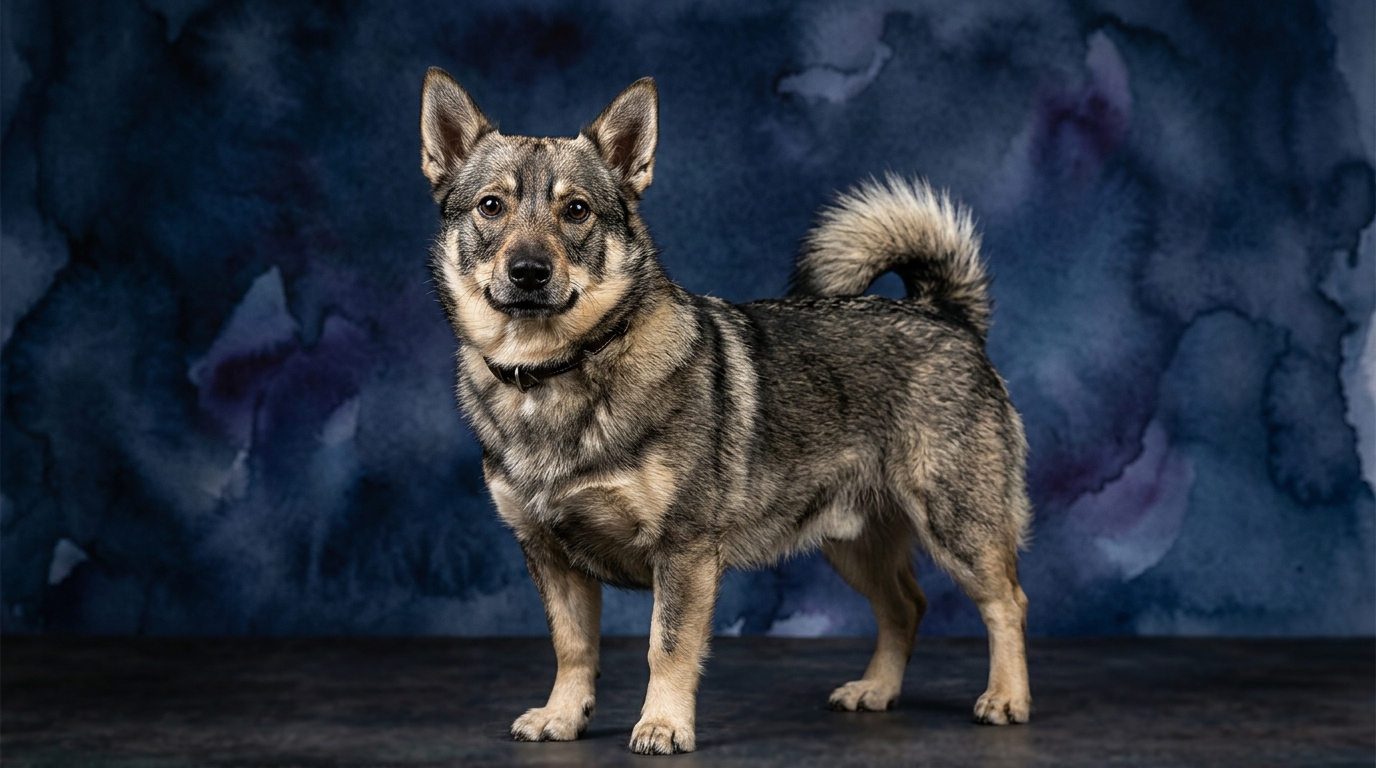
Despite both the Swedish Vallhund and the Dandie Dinmont Terrier registering a consistent 3/5 across The Cosmic Pet Pet IQ Lab’s five cognitive dimensions, the application and expression of these abilities diverge significantly due to their deeply ingrained historical roles. For the Swedish Vallhund, a herding breed, a problem-solving score of 3/5 indicates a capacity for strategic thinking in dynamic environments, such as anticipating livestock movements or navigating complex terrain during a round-up. This involves spatial reasoning and an understanding of cause-and-effect within a working context, often requiring them to adapt quickly to changing situations. Their training speed at 3/5 reflects a biddable nature, eager to engage with a handler and absorb commands, making them reliable partners in multi-step tasks. Social intelligence, also at 3/5, speaks to their cooperative spirit, enabling them to read human cues effectively and work in tandem, a crucial skill for a herding dog. Their instinctive drive, a 3/5, is channeled towards gathering and controlling, a purposeful energy that seeks to bring order to their perceived flock. Finally, their memory, another 3/5, allows them to retain complex sequences of commands and recall spatial patterns, essential for efficient herding routines.
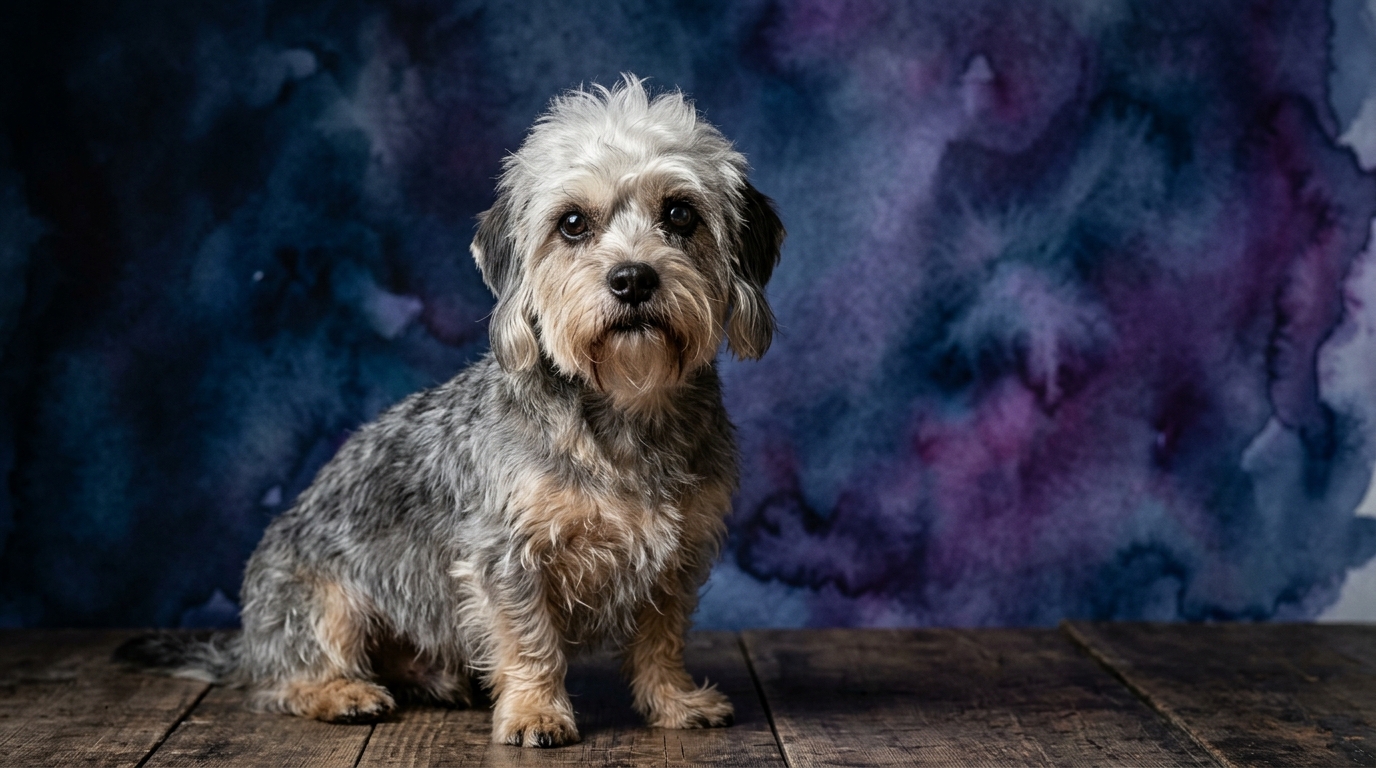
In contrast, the Dandie Dinmont Terrier, a breed developed for hunting vermin, interprets its identical 3/5 scores through a lens of independence and tenacity. Their problem-solving at 3/5 is characterized by resourceful determination, finding solutions to access prey in tight spaces, navigating underground tunnels, or outwitting small game. This involves persistent exploration and a sensory-driven approach to challenges, often requiring them to act without direct human instruction. A training speed of 3/5 for the Dandie suggests they are capable learners, but their independent streak means training often requires creative motivation and patience to overcome their natural self-reliance. Their social intelligence, while also 3/5, tends to focus on deep bonds within their immediate human family, understanding their pack dynamics with loyalty, though they may be less inclined towards broad canine social niceties than a herding dog. The Dandie’s instinctive drive, a powerful 3/5, is rooted in the pursuit and capture of prey, manifesting as a strong urge to dig, chase, and explore, driven by scent and sound. Their memory, at 3/5, is particularly adept at recalling specific locations of dens, successful hunting strategies, and tracking intricate scent trails over time.
Where Swedish Vallhund Wins Cognitively
The Swedish Vallhund’s cognitive strengths shine particularly bright in scenarios demanding structured cooperation and predictive action. Their 3/5 problem-solving, coupled with their 3/5 social intelligence, allows them to excel in understanding complex human directives and anticipating outcomes, making them highly effective in dog sports like obedience, rally, and agility where precision and partnership are paramount. The Vallhund’s instinctive drive, focused on control and management, translates into an innate desire for purposeful activity and a willingness to be guided, giving them an edge in tasks requiring disciplined execution and a clear objective. Their memory further supports this, allowing them to quickly learn and retain intricate sequences of commands and patterns, making their learning curve for multi-step tasks impressively consistent. This blend of attributes makes them particularly adept at tasks where working with a human partner to achieve a shared goal is the primary cognitive demand.
Where Dandie Dinmont Terrier Wins Cognitively
The Dandie Dinmont Terrier's cognitive advantages are most evident in situations that call for tenacious independence and sensory-driven resourcefulness. Their 3/5 problem-solving ability, rooted in their vermin-hunting heritage, equips them to independently assess and overcome obstacles, often involving creative solutions to access confined spaces or outmaneuver elusive targets. This makes them exceptional at scent work, tracking, and puzzle-solving games where persistence and self-directed exploration are key. The Dandie’s powerful 3/5 instinctive drive to pursue and investigate fuels an unwavering determination, allowing them to remain focused on a task for extended periods, even without immediate human intervention or reward. Their memory, attuned to specific sensory details and spatial awareness related to their hunting tasks, enables them to recall locations and successful strategies with impressive accuracy. These cognitive traits make the Dandie excel in activities that value individual grit, sensory acumen, and the ability to work independently to achieve a goal.
Which is Easier to Train and Why
Despite both breeds scoring a 3/5 in training speed, the experience of training them can differ. The Swedish Vallhund generally presents as easier to train for a broader range of tasks, particularly those involving obedience and complex sequences. This ease stems from their heritage as a cooperative herding dog, which predisposes them to observe and respond to human direction. Their 3/5 social intelligence means they are often eager to please and find satisfaction in working alongside their human, making them highly receptive to positive reinforcement and clear communication. While they are persistent, their persistence is typically channeled into achieving the task with their handler.
The Dandie Dinmont Terrier, while equally capable of learning with its 3/5 training speed, often requires a more nuanced approach. Their independent nature, a hallmark of terrier breeds bred to work alone, means they can be more selective about when and how they engage. Training a Dandie demands creativity, patience, and a deep understanding of their motivations. Their tenacity, which serves them well in problem-solving, can sometimes manifest as stubbornness if they do not see the immediate value in a command. Successful training with a Dandie involves making sessions engaging, fun, and consistently rewarding, tapping into their natural drives rather than trying to override them. While both breeds benefit from positive reinforcement, the Vallhund's inherent biddability often makes the training journey feel more straightforward and less challenging for a novice owner.
Which Suits Active Owners vs. Relaxed Owners
For owners seeking a highly engaged and active canine partner, the Swedish Vallhund is an excellent fit. Their 3/5 instinctive drive for purposeful activity and their cooperative nature mean they thrive on mental and physical stimulation that mirrors their herding heritage. This isn't just about walks; it's about providing structured tasks, advanced obedience, agility, or even herding games that challenge their problem-solving and memory. Owners who enjoy dog sports, regular training sessions, and involving their dog in daily activities will find the Vallhund a rewarding companion. A truly "relaxed" owner who prefers minimal structured engagement might inadvertently leave a Vallhund feeling understimulated, potentially leading to boredom-induced behaviors.
The Dandie Dinmont Terrier, while possessing a powerful 3/5 instinctive drive, can suit a slightly more relaxed owner, provided that "relaxed" still includes consistent mental engagement. Their terrier energy requires regular outlets for their chasing, digging, and exploring instincts, but these can often be satisfied with daily walks, scent games, puzzle toys, and opportunities for supervised digging in a designated area. They are less demanding of constant, formal "work" than a Vallhund but are far from couch potatoes. An owner who appreciates their independent spirit and quirky personality, and is willing to provide creative outlets for their natural drives without needing a constant working partner, will find a Dandie Dinmont a delightful companion. They need engagement that acknowledges their innate tenacity and problem-solving, rather than requiring them to be constantly "on duty" with a human.
The Verdict
Opt for the Swedish Vallhund if you desire a cooperative, engaged partner for structured activities and dog sports, appreciating a dog that thrives on working collaboratively and learning complex routines. This breed excels with owners who can provide consistent mental and physical challenges, channeling their herding drive into purposeful engagement.
Select the Dandie Dinmont Terrier if you admire a tenacious, independent spirit with a charmingly quirky personality, and are prepared to engage a dog with a strong prey drive through creative, sensory-rich activities. This breed suits owners who appreciate a dog that thinks for itself and enjoys exploring its world with determined curiosity.
🧠 Find Your Pet's IQ Score
Our Pet IQ Lab assessment covers 25+ tests across 5 cognitive dimensions — personalized to your breed.
Take the Full IQ Test →Frequently Asked Questions
Do Swedish Vallhunds bark a lot?
Vallhunds are known to be vocal, using barks to alert or express themselves, a trait stemming from their herding origins where communication was key. Consistent training can help manage excessive barking, but owners should expect a dog that communicates readily.
Are Dandie Dinmont Terriers good with children?
Dandie Dinmont Terriers can be good with respectful, older children who understand how to interact with dogs, forming strong bonds with their family. Due to their terrier nature and potential for sensitivity, supervision is always recommended with very young children.
What kind of mental exercise do these breeds need?
Both breeds benefit from regular mental stimulation. Vallhunds thrive on obedience, agility, puzzle toys, and training new tricks, while Dandie Dinmonts enjoy scent work, digging boxes, interactive toys, and problem-solving games that tap into their natural hunting instincts.