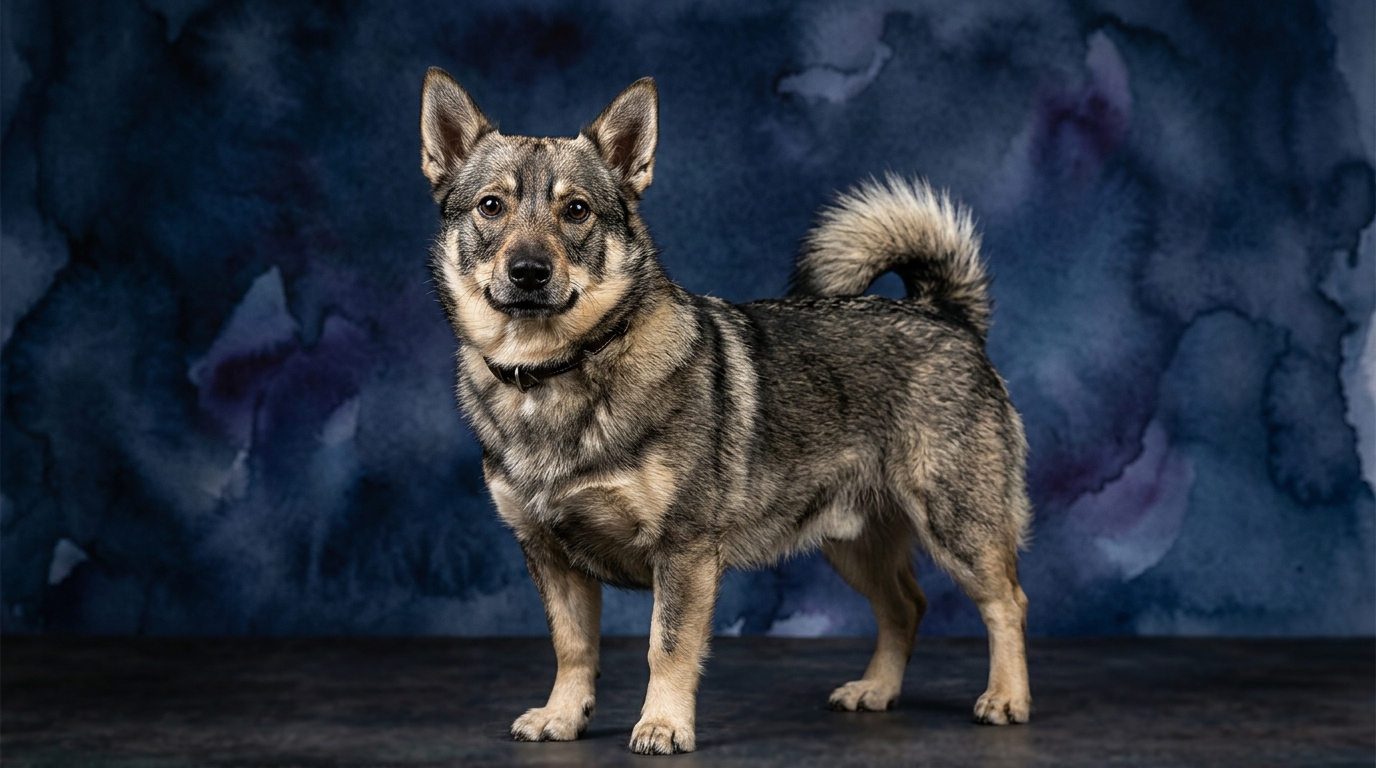
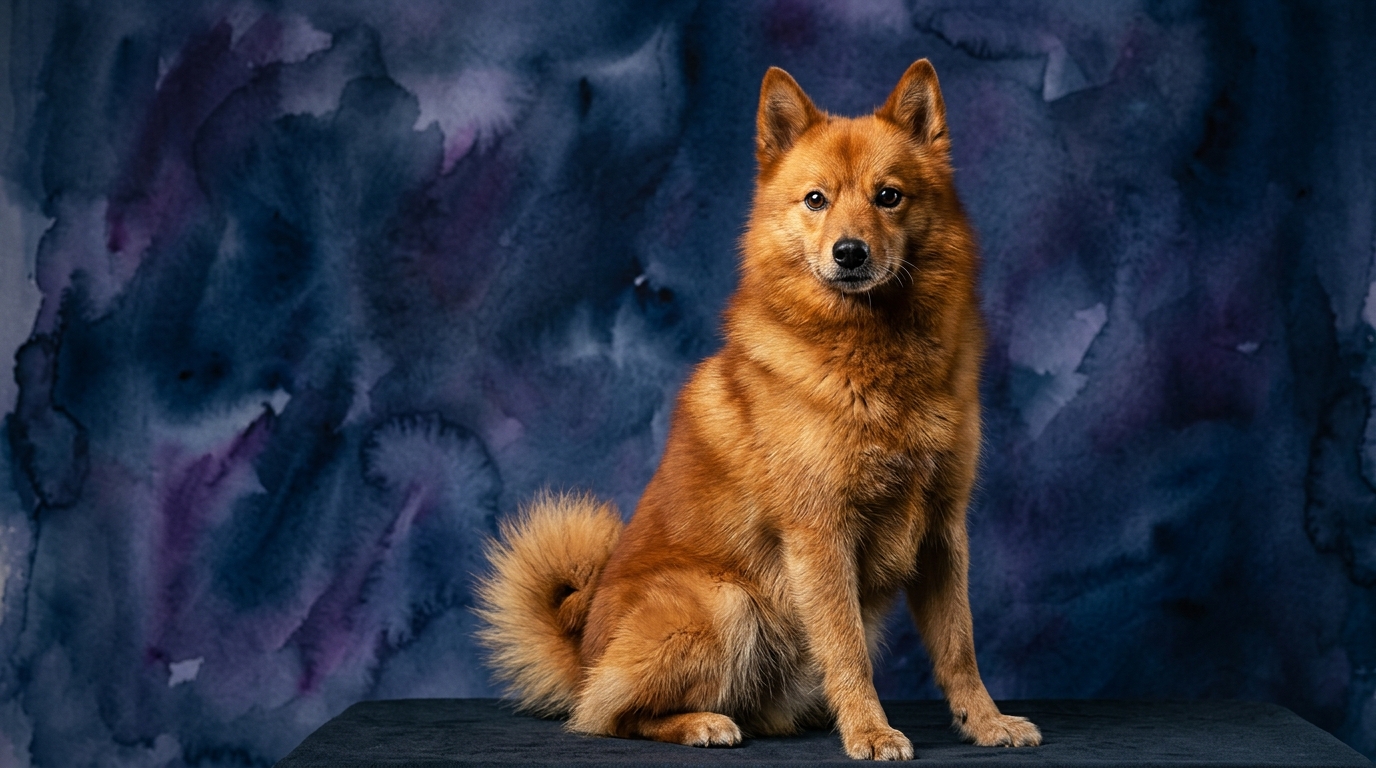
Side-by-Side Cognitive Profile: Vallhund vs. Spitz
On paper, the Swedish Vallhund and Finnish Spitz present an intriguing cognitive mirror image, each scoring 3/5 across our five key dimensions. However, these identical scores belie distinct expressions of their mental capabilities, shaped profoundly by their ancestral roles.
For Problem Solving (3/5), the Swedish Vallhund, a herding dog, typically demonstrates resourcefulness in managing and directing livestock. Their problem-solving often involves strategic movements to gather animals, navigating obstacles in a working environment, and anticipating the herd's actions. This manifests as an ability to figure out how to get a toy from under furniture or guide family members (gently) where they want them. The Finnish Spitz, a hunting companion, applies its problem-solving to locating prey, often independently navigating dense forests and devising strategies to corner or alert to game. Their ingenuity might be seen in how they track a scent trail or figure out how to reach a high perch for better observation.
Regarding Training Speed (3/5), the Vallhund generally picks up new commands and routines at a moderate pace, often eager to engage with their human partner due to their history of collaborative work. They thrive on consistency and positive reinforcement, quickly associating actions with desired outcomes, especially if the tasks mimic herding activities or offer a sense of purpose. The Finnish Spitz, while also learning at a moderate pace, tends to be more independent in their learning approach. They may require more intrinsic motivation or a clear understanding of 'what's in it for them,' rather than solely relying on human approval. Their learning often involves self-discovery and pattern recognition related to their environment or a specific goal.
Social Intelligence (3/5) in the Swedish Vallhund is often expressed through their attentiveness to human cues and household dynamics. They are adept at reading body language and emotional states within their family unit, frequently seeking interaction and participating actively in family life. They can be reserved with strangers, evaluating new individuals before offering full engagement. The Finnish Spitz’s social intelligence leans more towards acute environmental observation and selective interaction. They are highly aware of their surroundings, often detecting subtle changes or new presences. While deeply loyal to their family, their social interactions with new people are typically more reserved and watchful, prioritizing their internal assessment over immediate engagement.
Instinctive Drive (3/5) is a defining characteristic for both breeds. The Swedish Vallhund possesses a robust herding instinct, which can manifest as nipping at heels, circling family members, or attempting to 'organize' their environment. This drive is a powerful motivator, directing their focus and energy. The Finnish Spitz exhibits a strong prey drive and an innate vocalization tendency. Their instinct to bark and alert to game, often with distinct patterns, is central to their being, making them keen observers of wildlife and vocal communicators.
Finally, Memory (3/5) for the Vallhund involves recalling complex training sequences, preferred routes during walks, and the habits of their human and animal companions. They remember past interactions and learned behaviors effectively, which aids in consistent performance. The Finnish Spitz's memory is often tuned to recalling specific hunting territories, successful scent trails, and the locations of interesting environmental stimuli. They can remember distinct sounds or visual cues associated with prey, applying this knowledge to future explorations.
Where the Swedish Vallhund Excels Cognitively
The Swedish Vallhund's cognitive strengths lie in their capacity for collaborative problem-solving and their responsiveness to structured training, rooted in their herding heritage. Their problem-solving abilities are particularly suited to tasks requiring teamwork and a nuanced understanding of human directives. For instance, in dog sports like agility or obedience, their ability to process multi-step commands and adapt to changing course layouts demonstrates a specific kind of mental flexibility. Their social intelligence, while scoring the same as the Spitz, often translates into a more direct and engaged partnership, making them highly attuned to their handler's intentions during joint activities. They possess an inherent desire to work *with* their human, interpreting cues and adjusting their behavior to achieve a shared goal, which is a specific cognitive advantage in cooperative tasks.
Where the Finnish Spitz Excels Cognitively
The Finnish Spitz shines in areas demanding independent decision-making and acute environmental awareness, a direct reflection of their solo hunting origins. Their problem-solving excels when navigating complex outdoor environments, tracking scents, and autonomously locating prey without constant human guidance. This self-reliance means they are adept at making quick judgments in dynamic situations, prioritizing their instincts to achieve a goal. Their instinctive drive, particularly their specialized vocalizations for alerting, represents a sophisticated form of communication and focus. The ability to maintain sustained attention on a distant sound or scent, and then articulate its presence through varying barks, highlights a unique cognitive specialization for environmental detection and signaling that is less pronounced in the Vallhund's collaborative herding style.
Training Dynamics: Which is Easier and Why?
When considering 'easier to train,' the Swedish Vallhund often presents a more straightforward path for traditional obedience and dog sports. Their history as a working partner means they generally possess a greater inclination to please and to respond to human direction. While their herding instincts, such as nipping or circling, require early and consistent guidance, these drives can be effectively channeled into productive activities like agility or trick training. They learn sequences and commands with moderate speed and generally maintain focus when actively engaged with a handler. The Finnish Spitz, conversely, demands a different training approach. Their independence, a valuable trait in hunting, means they may not be as inherently motivated by human approval alone. Training requires immense patience, creativity, and a deep understanding of their innate drives. They respond best to positive reinforcement techniques that leverage their natural curiosity and prey drive, making training feel more like a negotiation than a command-and-response exercise. While they can learn commands, their execution might be less immediate or consistent, especially if they perceive a more interesting environmental stimulus. Managing their strong vocalization and independent hunting instincts is often the primary training challenge, requiring consistent effort to teach appropriate outlets.
Ideal Owners: Active Pursuits vs. Independent Companionship
Neither the Swedish Vallhund nor the Finnish Spitz are suited for truly sedentary lifestyles; both are working breeds requiring mental and physical engagement. For owners seeking a canine partner for active, structured pursuits, the Swedish Vallhund is often an ideal match. They thrive when given a 'job,' whether it's participating in agility, herding trials, or advanced obedience. Their desire to collaborate and their moderate energy levels make them excellent companions for owners who enjoy regular, engaging training sessions and outdoor adventures that involve their dog as an active participant. They need consistent mental stimulation to prevent their intelligent minds from inventing their own, potentially undesirable, activities.
The Finnish Spitz, while also requiring activity, often suits owners who appreciate a more independent companion for outdoor exploration. They excel in activities like hiking, scent work, or 'mock hunting' games that allow them to utilize their keen senses and strong prey drive. These dogs are content to explore and observe, often leading the way on a trail, but still cherish their family bond. Owners must be prepared to manage their vocal nature and independent spirit, providing outlets for their instincts while understanding that their companionship might manifest as a watchful presence rather than constant interaction. They are a good fit for those who value a dog with a strong personality and a self-reliant approach to the world, provided their exercise and mental needs are met through appropriate, often self-directed, activities.
The Verdict: When to Choose Each Breed
The Verdict
Choose the Swedish Vallhund if you desire an engaged, collaborative canine partner for structured activities like dog sports or obedience, and are prepared to channel their herding instincts into productive outlets.
Opt for the Finnish Spitz if you appreciate an independent, alert companion for outdoor adventures and are ready to manage their strong vocalizations and hunting drives with patience and understanding.
🧠 Find Your Pet's IQ Score
Our Pet IQ Lab assessment covers 25+ tests across 5 cognitive dimensions — personalized to your breed.
Take the Full IQ Test →Frequently Asked Questions
Do Swedish Vallhunds bark a lot?
Swedish Vallhunds can be quite vocal, using their barks for alerting and to express their opinions, a trait linked to their herding role where vocalization helps manage livestock. Consistent training from a young age can help manage excessive barking.
Are Finnish Spitz good family dogs?
Finnish Spitz are loyal and affectionate with their immediate family, often forming strong bonds. They can be reserved with strangers, making early socialization important to ensure they are comfortable in various social settings.
Which breed is better for first-time dog owners?
While both breeds require knowledgeable owners, the Swedish Vallhund's generally higher biddability and desire to work with humans might make them a slightly more manageable choice for a committed first-time owner willing to invest in training. The Finnish Spitz's independence and vocal nature can be more challenging without prior experience.