Side-by-Side Cognitive Profiles
At The Cosmic Pet Pet IQ Lab, we evaluate canine intelligence across five key dimensions. Interestingly, both the Swedish Vallhund and the German Pinscher register a consistent 3 out of 5 across all metrics, indicating a solid foundation of cognitive capability. However, their breed-specific roles illuminate how these scores manifest in distinct ways.
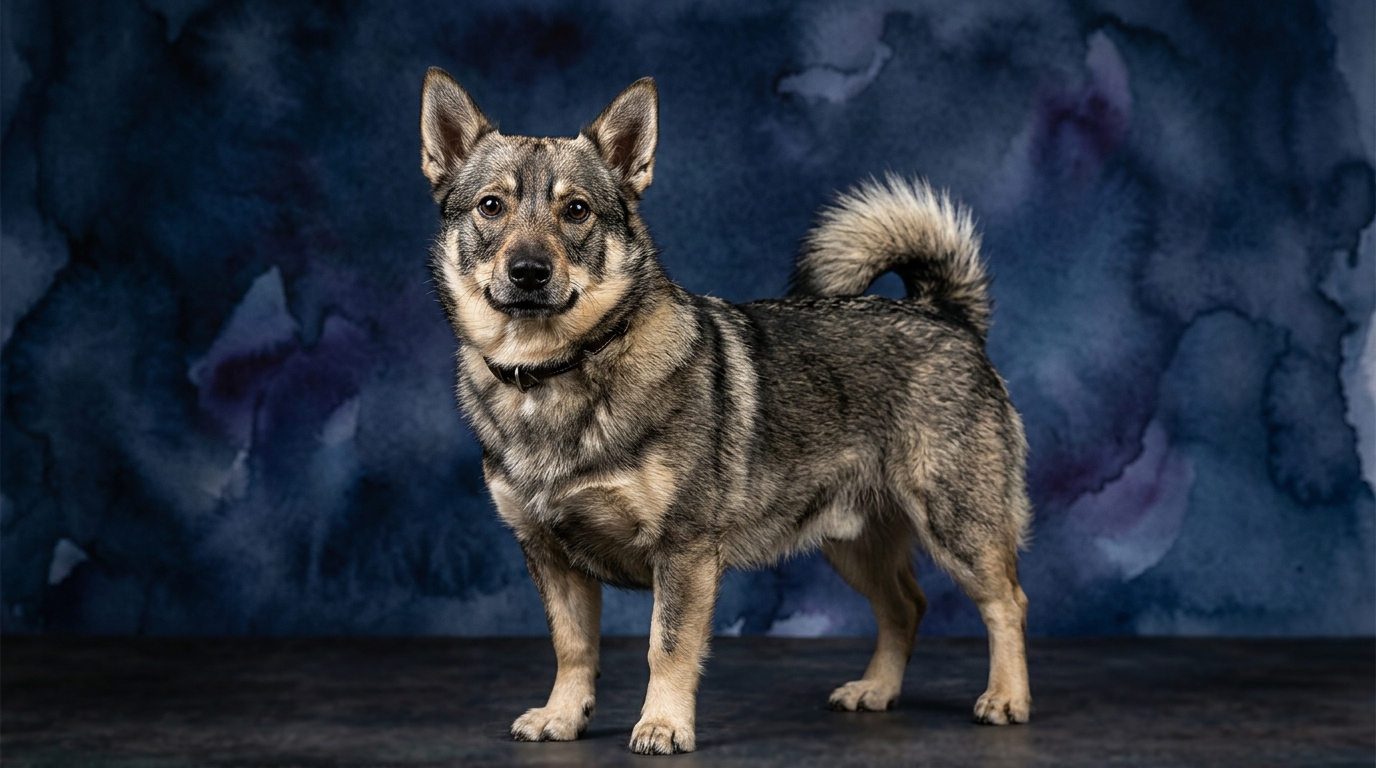
The **Swedish Vallhund**, a herding breed, demonstrates its cognitive strengths through a lens of collaborative work and environmental awareness. Its **Problem Solving (3/5)** centers on practical, real-world challenges related to livestock management, such as anticipating herd movement or navigating varied terrain efficiently. This isn't abstract reasoning but rather effective, on-the-spot decision-making crucial for their historical role. Their **Training Speed (3/5)** is influenced by an eagerness to learn tasks relevant to their herding instincts, responding well to consistent, positive reinforcement when they understand the 'why' behind a command. **Social Intelligence (3/5)** for a Vallhund involves a strong bond with their human 'flock,' enabling them to understand subtle social cues within their core family unit, often discerning with strangers while prioritizing their inner circle. Their **Instinctive Drive (3/5)** is primarily geared towards herding behaviors—circling, gathering, and sometimes nipping at heels—along with a desire to patrol and oversee their perceived territory. Finally, **Memory (3/5)** in a Vallhund allows for excellent recall of routines, commands, and the layout of their environment, crucial for consistent performance in their working tasks.
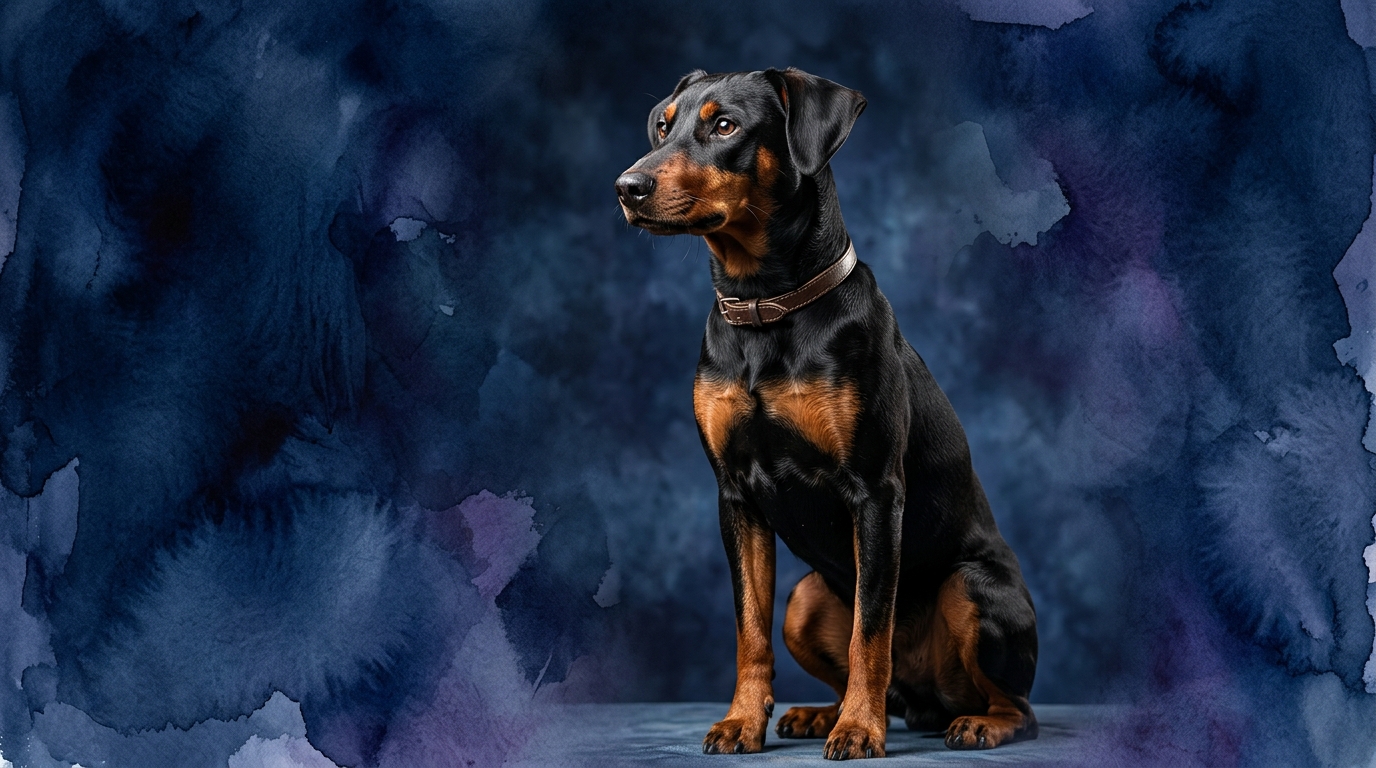
The **German Pinscher**, a working breed, applies its cognitive abilities with a focus on independent action and vigilance. Their **Problem Solving (3/5)** is directed towards practical, self-reliant solutions, such as outsmarting vermin or securing property. This involves assessing potential threats and finding effective ways to protect their territory, often without direct human instruction. Their **Training Speed (3/5)** is high when tasks involve a clear job or protection, responding well to clear, firm training. They can learn complex sequences if the motivation is strong and delivered consistently. The German Pinscher's **Social Intelligence (3/5)** manifests as deep bonds with their immediate family, allowing them to keenly understand moods and intentions. They can be wary of outsiders, relying on their sharp perception of social dynamics to evaluate new situations. Their **Instinctive Drive (3/5)** is characterized by a high prey drive for vermin, coupled with a formidable guarding and protective instinct. They are driven by territoriality and a need for constant vigilance. Their **Memory (3/5)** is robust, retaining training and experiences, particularly those related to security and boundaries. They remember perceived threats or positive interactions, which significantly influences their future behaviors.
Where the Swedish Vallhund Excels Cognitively
The Swedish Vallhund's cognitive strengths are deeply rooted in its herding heritage. They excel at tasks requiring the ability to read subtle environmental cues, whether from livestock or their human family, anticipating movement and managing groups. Their decision-making often involves a collaborative effort with a handler, making them particularly adept at responding to direction in dynamic, fluid environments. Cognitively, the Vallhund shines in situations demanding precise, agile maneuvering and rapid shifts in attention. Their intellect is finely tuned for strategic 'flock' management, demonstrating an impressive capacity for coordinating and directing movement, even if it's just their family members from room to room. This makes them particularly responsive to complex sequential commands in activities like agility or obedience, where their ability to process and react to multiple instructions in quick succession is a distinct advantage.
Where the German Pinscher Excels Cognitively
The German Pinscher's cognitive advantages are evident in its working and guarding background. They possess a remarkable talent for independent problem-solving, particularly in scenarios like pest control, where quick, decisive action without direct human instruction is paramount. Their vigilance and acute ability to assess potential threats within their environment are standout cognitive traits. This breed's intellect is characterized by self-reliance, sharp observation, and proactive protection, making them exceptionally adept at independent decision-making in roles that demand security and territorial oversight. They are quick to identify inconsistencies or changes in their surroundings, processing this information rapidly to determine an appropriate response. This makes them excellent watchdogs and partners in activities requiring focused attention and autonomous action, such as tracking or scent work.
Trainability: Vallhund vs. Pinscher
When it comes to trainability, both breeds are capable learners, but their approaches differ based on their inherent drives. The Swedish Vallhund is generally eager to please and cooperative. Their herding background makes them naturally responsive to commands that mimic herding patterns, such as 'stay,' 'come,' or 'go around.' They thrive on mental stimulation and positive reinforcement, quickly picking up new tasks if framed as a 'job' they can do with their handler. Their desire to work *with* their human often makes them highly trainable, though their independent spirit means they require clear, consistent guidance. A Vallhund is less likely to directly challenge authority but might try to 'herd' their family if not given appropriate outlets for their instincts. They respond best to enthusiastic, reward-based methods that make learning engaging.
The German Pinscher is also a highly trainable breed, but they require a confident, consistent, and experienced handler. Their independent and self-assured nature means they need to understand *why* a command is important, rather than simply obeying out of a desire to please. They are less inherently 'eager to please' in the traditional sense and are more likely to test boundaries if leadership isn't firm and clear. Training for a German Pinscher needs to be engaging, challenging, and consistent, leveraging their working drive and intelligence. Their strong prey drive and guarding instincts mean early and thorough socialization, coupled with impulse control training, are crucial to channel their focus appropriately. They are not inherently 'difficult' to train, but they demand a more assertive, patient, and consistent approach to harness their strong will and independent thought process effectively.
Matching Canine Intellect to Owner Lifestyles
Both the Swedish Vallhund and the German Pinscher are intelligent, active breeds that require significant mental and physical engagement, making them better suited for active owners rather than those seeking a truly relaxed, low-maintenance companion. A 'relaxed' owner who still provides enrichment and moderate activity might find a Vallhund *slightly* more adaptable if given a 'job' around the house, but neither breed is content with minimal interaction.
For **active owners**, the Swedish Vallhund is an excellent choice. Their herding drive means they excel in dog sports like agility, herding trials, flyball, or obedience. They need daily vigorous walks, structured playtime, and ample opportunities to 'work' their brains through training or puzzle toys. An owner who can channel their natural instincts into productive activities will find a Vallhund a joyful and engaging partner. A more relaxed owner might find their constant need for engagement overwhelming, potentially leading to boredom-induced behaviors such as excessive barking or destructive chewing.
Similarly, the **German Pinscher** demands an owner who is equally active and committed to providing consistent stimulation. They thrive on challenging activities like advanced obedience, tracking, protection work, or long, exploratory hikes. Their inherent vigilance and working drive mean they need a purpose and a job to do. An owner who understands and can manage their boundless energy, strong will, and protective instincts will find a loyal and capable companion. A relaxed owner who cannot provide sufficient mental and physical outlets will likely struggle with a German Pinscher's potential for destructive behaviors, excessive barking, or an overly protective nature if under-exercised and under-stimulated.
The Verdict
Opt for a Swedish Vallhund if you seek a cooperative, intelligent companion eager to engage in structured activities and family life, and you appreciate a dog that thrives on collaborative tasks and gentle guidance. They excel in environments where their herding instincts can be channeled into sports or interactive play, offering a loyal and playful partnership.
Select a German Pinscher if you are an experienced, assertive owner prepared to provide firm, consistent leadership and ample mental and physical challenges for an independent, vigilant, and protective companion. They thrive with owners who can channel their strong working drive into purposeful activities, valuing a dog that combines loyalty with a self-assured nature.
🧠 Find Your Pet's IQ Score
Our Pet IQ Lab assessment covers 25+ tests across 5 cognitive dimensions — personalized to your breed.
Take the Full IQ Test →Frequently Asked Questions
Are Swedish Vallhunds good with children?
Swedish Vallhunds can be excellent family dogs, often forming strong bonds with children and enjoying play. However, their herding instinct might lead them to playfully nip at heels, so supervision and early training are essential to teach appropriate interactions. They generally adapt well to family dynamics if properly socialized.
Do German Pinschers bark a lot?
German Pinschers are naturally vigilant and possess a strong guarding instinct, which can lead to barking at perceived threats or strangers. While not excessive barkers by nature, they will alert their owners to anything unusual. Consistent training and socialization from a young age can help manage this tendency.
How much exercise do these breeds need daily?
Both the Swedish Vallhund and German Pinscher are active breeds requiring substantial daily exercise, typically 60-90 minutes of vigorous activity. This should include walks, playtime, and mental stimulation through training or dog sports. Insufficient exercise can lead to boredom and destructive behaviors in either breed.