Side-by-Side Cognitive Profiles
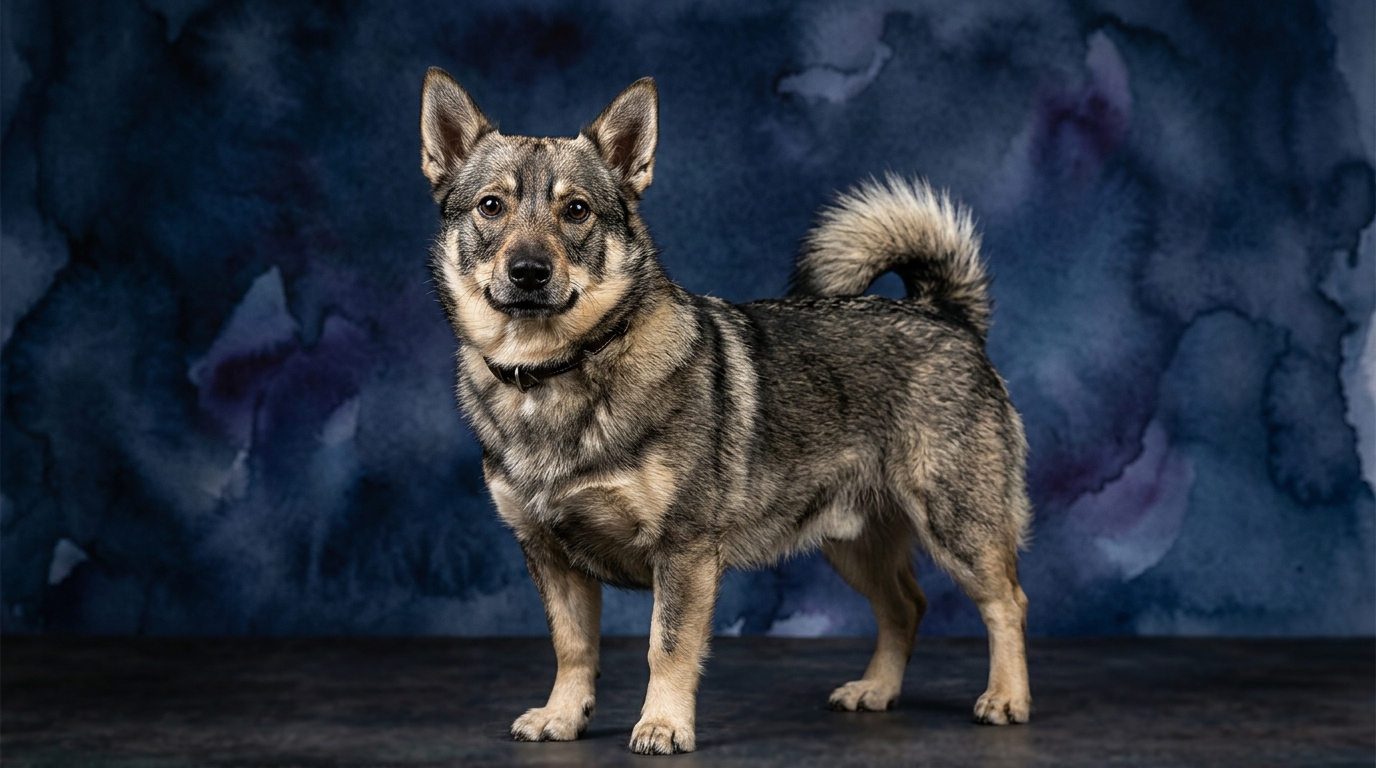
The Cosmic Pet Pet IQ Lab employs five key dimensions to map a breed's cognitive landscape, offering a granular view beyond simple labels. For the Swedish Vallhund, its profile reflects a grounded, practical intellect honed by centuries of farm work. Its Problem Solving is rated 3/5, indicating a resourceful approach within established routines, adept at managing familiar environments but potentially slower with entirely novel, complex puzzles. Training Speed also sits at 3/5, meaning they absorb new commands at a moderate pace, requiring consistent, positive reinforcement to solidify learning. Social Intelligence is 3/5, showing a capacity to read human cues and integrate deeply into family dynamics, often forming strong bonds while being reserved with strangers. An Instinctive Drive of 3/5 highlights its inherent herding impulse, often seen in attempts to gather family members. Finally, Memory is 3/5, effectively retaining learned behaviors and routines, remembering past experiences and their associated outcomes.
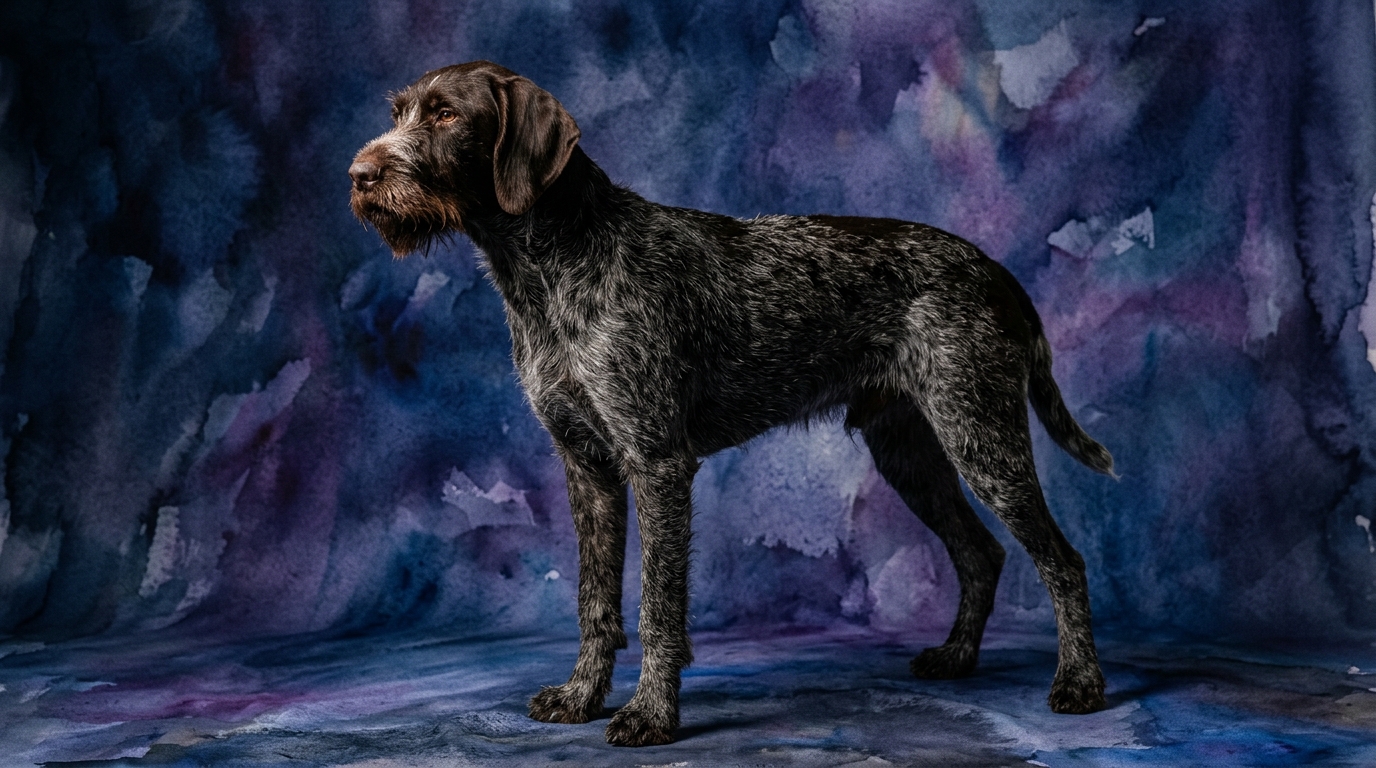
In contrast, the German Wirehaired Pointer's cognitive blueprint showcases a mind built for versatile, independent work in the field. Its Problem Solving scores 4/5, indicating a higher capacity for independent thought and strategizing, particularly when locating game or navigating complex terrain. Training Speed is also 4/5, signifying a quick grasp of new concepts and commands, often eager to please and respond to directives, making them efficient learners. Like the Vallhund, Social Intelligence is 3/5; they form deep connections with their human companions, understanding social cues within their family unit, generally outgoing yet retaining a focused independence. Its Instinctive Drive is 3/5, driven by a strong hunting heritage and an inherent desire to search, point, and retrieve. Memory for the GWP is 4/5, demonstrating excellent recall for commands, locations, and past experiences, particularly those related to their working tasks, allowing them to build on prior learning quickly.
Where the Swedish Vallhund Shines Cognitively
The Vallhund's cognitive strengths often manifest in their nuanced understanding of routine and their capacity for consistent, albeit methodical, problem-solving within familiar contexts. Their 3/5 problem-solving score, while lower than the GWP's, reflects a practical, grounded intelligence suited to their historical role as farm dogs. They excel at managing predictable environments, using their wits to keep livestock in check or navigate the homestead efficiently. This steady approach means they aren't easily flustered by minor deviations, preferring to stick to established patterns and applying known solutions to recurring challenges. Their ability to maintain order and predictability within their domain is a testament to their focused cognitive style.
Their social intelligence, also rated 3/5, allows them to integrate deeply into a family structure, picking up on subtle household dynamics and individual temperaments. This makes them highly attuned companions who understand their place within the human 'pack,' often acting as vigilant observers of their environment. While not as quick to learn novel commands as the GWP, their moderate training speed (3/5) ensures that once a behavior is learned, it is deeply ingrained and reliably executed, making them dependable partners for established tasks. Their memory (3/5) supports this by allowing them to consistently recall these learned routines and social interactions over time, contributing to their reputation as stable and reliable companions.
Where the German Wirehaired Pointer Excels Cognitively
The German Wirehaired Pointer truly shines in areas demanding rapid cognitive processing, adaptability, and independent decision-making, scoring 4/5 in both problem-solving and training speed. Their history as versatile hunting dogs has forged a mind that can quickly assess complex situations in the field, making real-time adjustments without constant human instruction. This superior problem-solving ability means they can untangle novel puzzles or navigate challenging terrain with impressive efficiency, often finding solutions that might elude other breeds. They are not merely reactive but proactive in their approach to new challenges, constantly evaluating their environment for cues and opportunities, which is crucial for their working role.
Their accelerated training speed (4/5) reflects an eagerness to learn and a capacity to absorb complex sequences of commands quickly. This makes them exceptionally responsive in advanced training scenarios, from intricate field work to competitive dog sports, where precision and speed are paramount. Coupled with their strong memory (4/5), they retain vast amounts of information, building a rich cognitive database of experiences and learned behaviors. This allows them to apply past knowledge to new situations, demonstrating a sophisticated understanding of cause and effect. While their social intelligence is similar to the Vallhund at 3/5, their independent problem-solving often means they can work effectively with less direct human guidance once a task is understood, making them formidable partners in demanding environments.
Which is Easier to Train and Why
Based on their respective IQ profiles, the German Wirehaired Pointer is generally easier to train, especially for complex or novel tasks. Their training speed of 4/5 indicates a quicker grasp of new commands and concepts compared to the Vallhund's 3/5. This difference stems from the GWP's historical role requiring them to learn and execute intricate hunting tasks, often in varied and unpredictable environments, demanding rapid adaptation and a willingness to follow multi-step instructions. A GWP will often pick up a new trick in fewer repetitions and generalize it to different contexts more readily, showing a keen eagerness to engage in learning.
The Swedish Vallhund, while certainly trainable and eager to please its family, requires a more patient and consistent approach. Their 3/5 training speed means they benefit from more repetition and a structured learning environment to solidify new behaviors. Real behavioral differences include the GWP's innate desire for purpose-driven work, making them highly motivated by tasks that mimic hunting, like scent work or retrieving, which provides a strong intrinsic reward for training. The Vallhund's herding drive, while strong, can sometimes manifest as independent decision-making when managing 'flocks' (including family members), which needs careful redirection during training. While both breeds respond well to positive reinforcement, the GWP's faster processing and memory (4/5) allow them to progress through training stages more swiftly and retain complex sequences with greater precision, making the overall training journey feel more fluid and less repetitive for the handler.
Matching Breeds to Lifestyles: Active vs. Relaxed Owners
The German Wirehaired Pointer unequivocally suits active owners due to their profound need for physical exertion and mental engagement. Their high problem-solving capacity (4/5) and strong instinctive drive (3/5 for hunting, which is a powerful motivator) mean they thrive when given a 'job' that taxes both body and mind. Owners who enjoy running, hiking, hunting, or participating in dog sports like agility, obedience, or field trials will find a GWP to be an enthusiastic and tireless companion. A GWP left without sufficient mental and physical stimulation can become bored and potentially destructive, channeling their impressive cognitive and physical energy into less desirable behaviors, such as excessive chewing or digging. Their stamina and desire for outdoor exploration are substantial.
The Swedish Vallhund, while certainly not a couch potato, can adapt more readily to owners with a moderately active lifestyle. Their 3/5 instinctive drive, primarily focused on herding, means they benefit from regular walks, play sessions, and opportunities to 'herd' toys or family members. While they enjoy activity and need daily engagement, they don't possess the same relentless stamina and intense focus on a single, demanding task as the GWP. A Vallhund can appreciate a relaxed evening after a good walk and some mental games, fitting well with owners who enjoy daily outdoor activities but might not be seeking a partner for extreme sports or multi-hour endurance challenges. They are more content with a balance of activity and downtime, making them a better fit for owners who appreciate a versatile, engaged companion without the constant need for intense output, provided their social and mental needs are met through family interaction and moderate enrichment.
The Verdict
Choose the Swedish Vallhund if you seek a moderately active, adaptable companion who thrives on routine, excels in understanding family dynamics, and offers dependable, consistent behavior once trained.
Opt for the German Wirehaired Pointer if you lead a highly active lifestyle, desire a quick-witted partner for challenging outdoor pursuits, and are prepared to engage a dog with a powerful drive for work and exploration.
🧠 Find Your Pet's IQ Score
Our Pet IQ Lab assessment covers 25+ tests across 5 cognitive dimensions — personalized to your breed.
Take the Full IQ Test →Frequently Asked Questions
Do Swedish Vallhunds truly have 'Viking dog' intelligence?
While not directly measurable as 'Viking intelligence,' their historical role as farm dogs alongside Vikings shaped their practical problem-solving (3/5) and strong herding instincts (3/5). They developed a robust, adaptable mind capable of managing livestock and navigating varied terrain, reflecting a grounded, resourceful cognitive style rather than abstract intellectual prowess. Their intelligence is rooted in their utility and close partnership with humans in a working capacity, making them astute observers of their environment.
How does the Coren ranking for GWP (#28) compare to the Vallhund's 'Not Coren-ranked'?
Stanley Coren's ranking primarily assesses 'working and obedience intelligence,' focusing on how quickly a dog learns new commands and obeys them. The GWP's #28 ranking reflects its 4/5 training speed and responsiveness to directives, indicating a high capacity for formal obedience. The Swedish Vallhund not being Coren-ranked doesn't mean a lack of intelligence, but rather that it wasn't included in the specific study, or its cognitive strengths lie more in independent herding and social adaptability rather than rapid obedience acquisition, which Coren's methodology emphasizes.
Can a German Wirehaired Pointer be happy in an apartment?
A German Wirehaired Pointer can potentially be happy in an apartment, but only if their owners commit to providing substantial daily physical exercise and mental stimulation outside the home. Their high instinctive drive (3/5, focused on hunting) and problem-solving abilities (4/5) demand outlets for their energy and intellect. Without extensive daily runs, hikes, or dedicated training sessions, an apartment environment would be insufficient to meet their profound needs, likely leading to frustration and behavioral issues for this active breed. Success depends entirely on the owner's dedication to meeting these intense requirements.