Side-by-Side Cognitive Profiles
At The Cosmic Pet Pet IQ Lab, both the Swedish Vallhund and the Icelandic Sheepdog register a consistent 3/5 across all five measured cognitive dimensions. While the numerical score is identical, the practical expression of these capacities offers a nuanced view into each breed's particular genius. Understanding these dimensions helps us appreciate not just how smart a dog is, but *how* they are smart in their unique ways.
For Problem Solving (3/5), the Swedish Vallhund typically demonstrates its aptitude through physical agility and quick directional changes, navigating obstacles or outmaneuvering livestock with a low-to-the-ground, robust approach. Their Viking heritage suggests a pragmatic problem-solving style, focusing on efficiency and adaptability in varied environments. The Icelandic Sheepdog, conversely, often applies its problem-solving skills in social contexts, strategically using its voice and positioning to manage flocks or communicate complex needs to its human companions. Their intelligence leans towards observation and understanding social dynamics, essential for a dog working closely with both sheep and shepherds in challenging terrains.
Training Speed (3/5) for the Vallhund reflects a willingness to learn coupled with an independent streak; they grasp commands at a moderate pace, particularly those involving physical tasks or sequences like agility courses, but require engaging, consistent methods to maintain focus. The Icelandic Sheepdog's 3/5 in training speed is often colored by its deep desire for human connection, making them highly responsive to positive reinforcement and eager to please, though their sensitivity means harsh methods are counterproductive. Their learning is often interwoven with social interaction, making them quick to pick up on cues from their favorite people.
Social Intelligence (3/5) in the Swedish Vallhund is evident in their keen observational skills and their strong bond with their family, often acting as vigilant, discerning companions who understand household routines and moods. They are attuned to their immediate social circle, offering loyalty and alert companionship. The Icelandic Sheepdog exhibits its social intelligence through an almost uncanny ability to read human emotions and intentions, often described as a 'velcro dog' due to its profound need for companionship and participation in family life. Their social acumen extends to managing flock dynamics and interacting harmoniously within a multi-species environment.
Instinctive Drive (3/5) for the Vallhund manifests as a strong, purposeful herding instinct, often expressed through nipping at heels and a determined, low stance, making them natural gatherers and movers of livestock. This drive is deeply ingrained, requiring outlets like herding sports or structured play. The Icelandic Sheepdog's instinctive drive, while equally strong, is primarily expressed through vocalizations and strategic positioning, using barks and presence to direct sheep rather than physical force. Their drive is about communication and guidance, a vital asset in the often-isolated Icelandic landscape. Finally, Memory (3/5) in both breeds is sufficiently robust for retaining complex commands, routines, and social connections. Vallhunds can recall intricate agility sequences and long-term training cues, while Icelandic Sheepdogs often impress with their memory for specific individuals, locations, and the nuanced social histories of their human and animal companions.
Where the Swedish Vallhund Cognitively Excels
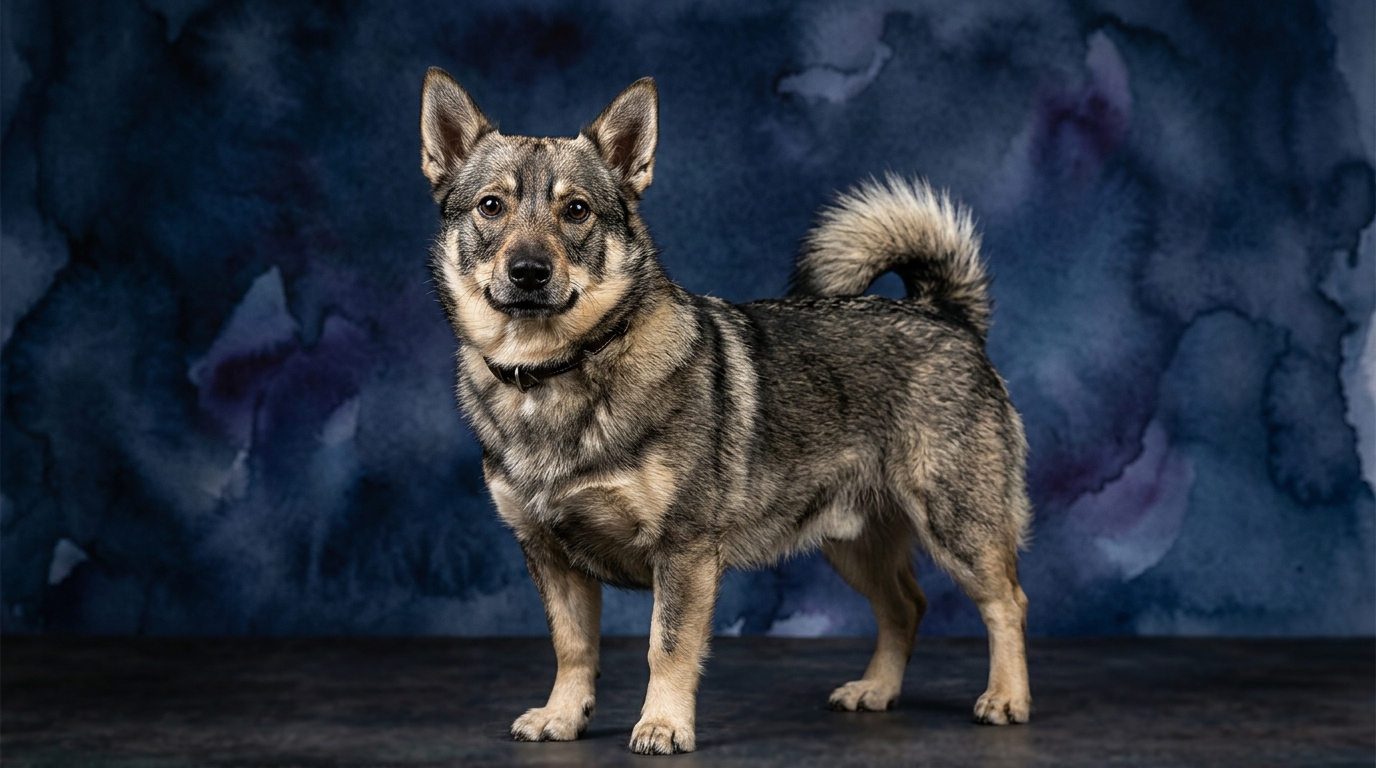
Despite identical numerical scores, the Swedish Vallhund demonstrates a particular cognitive strength in dynamic, physical problem-solving. Their distinctive low-slung, powerful build, a hallmark of their 'Viking dog' lineage, equips them for rapid directional changes and agile maneuvering. This physical prowess translates directly into an ability to quickly assess and react to changing environments, whether it's an errant sheep or an agility course obstacle. Their intelligence shines in scenarios demanding spatial awareness and precise bodily control, making them adept at navigating complex physical challenges with speed and accuracy.
Furthermore, their traditional role as 'heelers' means they had to make split-second decisions to nip at the heels of livestock without causing harm, requiring not just instinct but a fine-tuned judgment of timing and pressure. This precision in physical tasks is a cognitive advantage, indicating a capacity for detailed execution and control. They tend to be keen observers of their surroundings, quickly discerning anomalies or potential shifts in a situation, which contributes to their reputation as alert and capable guardians of their homestead. This blend of physical intelligence and observational acuity gives them an edge in tasks requiring both mental and physical nimbleness.
Where the Icelandic Sheepdog Cognitively Excels
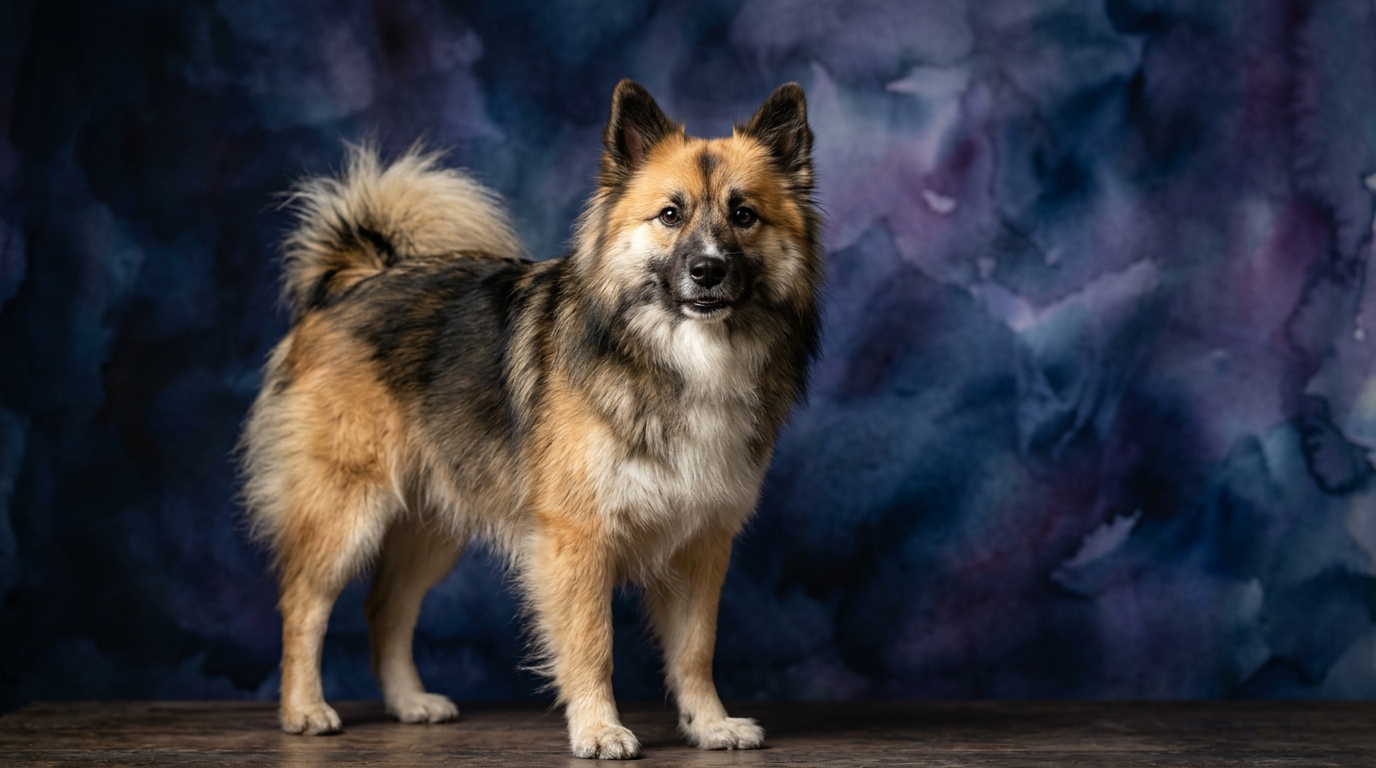
The Icelandic Sheepdog's cognitive strengths lean heavily into the realm of social and communicative intelligence. While also scoring 3/5, their intelligence is profoundly shaped by their historical role in the isolated Icelandic landscape, where clear communication with shepherds and the ability to manage flocks non-aggressively were paramount. They excel in understanding complex social cues, not just from humans but also from other animals, allowing them to mediate and guide rather than simply force. This makes them exceptional at tasks requiring empathy and nuanced interaction.
Their primary herding method, which relies heavily on barking and strategic positioning rather than physical contact, showcases a sophisticated understanding of vocal communication and its impact. This isn't just noise; it’s a form of strategic signaling, demonstrating a cognitive ability to use sound effectively to influence behavior and gather stock from a distance. Their profound bond with humans also means they are particularly adept at 'reading' their owners, often anticipating needs or moods, which is a significant manifestation of their social intelligence. This human-centric problem-solving, coupled with their vocal prowess, distinguishes their cognitive application.
Training: Vallhund vs. Icelandic Sheepdog Responsiveness
When considering ease of training, both breeds score 3/5 for training speed, indicating a moderate learning curve, but their behavioral nuances create distinct experiences. The Swedish Vallhund, with its spirited personality and strong herding drive, can be a highly engaging training partner. They pick up new commands and routines effectively, especially when the training is varied and mentally stimulating. However, their independent streak and tendency towards persistence, characteristic of a working herding dog, mean that consistency and clear boundaries are crucial. They might test limits or get bored with repetitive drills, so trainers need to be creative and keep sessions lively. Their physical agility often makes them quick learners for sports like agility or obedience trials.
The Icelandic Sheepdog, while equally capable of learning at a moderate pace, often proves easier to train for owners who prioritize companionship and positive reinforcement. Their deep social intelligence and strong desire to please their human family make them incredibly responsive to praise and gentle guidance. They thrive on interaction and being 'part of the team,' which can accelerate their learning in a positive environment. However, their vocal nature means that managing barking can be a significant training component from an early age. Their sensitivity also implies that harsh corrections or inconsistent methods can be detrimental, potentially leading to anxiety or a shutdown in learning. Effective training for an Icelandic Sheepdog harnesses their natural sociability and communication skills.
Lifestyle Match: Active Owners vs. Relaxed Owners
Both the Swedish Vallhund and the Icelandic Sheepdog are herding breeds, which inherently means they are not suited for entirely relaxed, sedentary lifestyles. However, the *type* of activity and engagement they thrive on presents a clear differentiation for prospective owners. The Swedish Vallhund is an excellent match for active owners who enjoy structured activities and mental challenges. Their robust build and keen intellect make them superb candidates for dog sports such as agility, obedience, herding trials, and even flyball. They require consistent physical exercise, like long, brisk walks or runs, combined with regular mental stimulation through puzzle toys, training sessions, and exploration. An owner who appreciates a dog with a spirited, sometimes independent, drive and enjoys channeling that energy into productive tasks will find the Vallhund a rewarding companion.
The Icelandic Sheepdog, while also requiring significant activity, is particularly well-suited for active owners who prioritize companionship and interactive play within family life. They need daily walks, opportunities to run, and engaging play sessions, but their greatest need is to be involved with their humans. They are less about intense, high-impact solitary exercise and more about shared experiences. Owners who work from home, can take their dog to work, or simply have a lifestyle that allows the dog to be a constant presence will find an Icelandic Sheepdog thrives. While they can excel in some dog sports, their primary joy often comes from being a 'velcro dog,' participating in whatever their family is doing, making them ideal for owners who seek a highly social, communicative, and devoted companion for their active life.
The Verdict
Choose the Swedish Vallhund if you seek a sturdy, adaptable companion for structured physical and mental challenges like agility, appreciating a dog with keen observational skills and a spirited, independent nature.
Opt for the Icelandic Sheepdog if you desire an exceptionally social, communicative, and devoted family member who thrives on constant companionship and interactive play, and are prepared to embrace their vocal expressions with gentle guidance.
🧠 Find Your Pet's IQ Score
Our Pet IQ Lab assessment covers 25+ tests across 5 cognitive dimensions — personalized to your breed.
Take the Full IQ Test →Frequently Asked Questions
Do Swedish Vallhunds and Icelandic Sheepdogs bark a lot?
Swedish Vallhunds are alert and can be vocal guardians, often barking to signal new arrivals or perceived threats. Icelandic Sheepdogs are known for their extensive vocalizations, using barks, yips, and howls as a primary form of communication for excitement, attention, or herding, meaning they tend to be more consistently vocal.
Are these breeds good with children?
Both breeds generally possess good social intelligence and can be excellent family dogs. Vallhunds are sturdy and playful, often tolerant of children's antics, thriving on interaction. Icelandic Sheepdogs are particularly affectionate and patient, often forming strong bonds with children, though supervision is always advised with any dog-child interaction to ensure mutual respect.
What are the key differences in their herding styles?
The Swedish Vallhund is primarily a 'heeler,' using its low center of gravity and quick agility to nip at the heels of livestock to move them. The Icelandic Sheepdog is a 'barker' or 'drover,' using its voice and presence to gather and move stock, often working at a distance and relying on strategic positioning and vocal cues rather than physical contact.