Side-by-Side IQ Profile: Vallhund vs. Irish Terrier
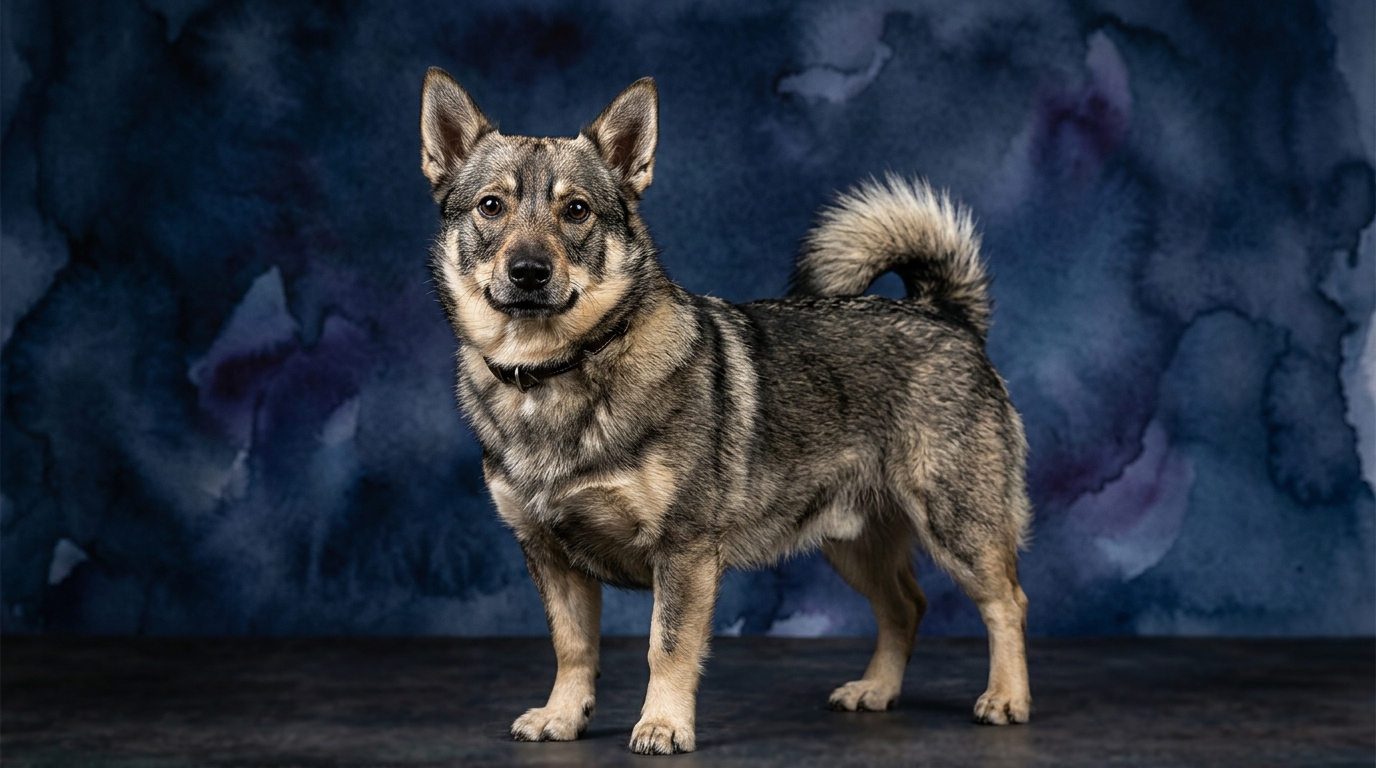
**Swedish Vallhund (Herding Group):**
**Problem Solving (3/5):** The Vallhund's problem-solving acumen is rooted in their herding history, requiring them to assess dynamic situations and strategize efficiently. This manifests as an ability to understand spatial relationships and adapt to changing environments, such as navigating complex agility courses. They often employ a methodical approach, evaluating options before acting, distinct from a terrier's more impulsive trial-and-error.
**Training Speed (3/5):** Vallhunds generally pick up new commands and routines with reasonable swiftness, driven by a desire to cooperate and respond to directives. Their eagerness to engage in structured learning contributes to their moderate training speed. However, their independent thinking, necessary for herding, means they aren't always blindly compliant and require consistent, clear instruction.
**Social Intelligence (3/5):** Their social intelligence shines in their ability to understand and respond to human cues, often forming strong bonds with primary handlers. They are observant of household dynamics and can adapt their behavior to different family members, understanding social dynamics. This allows them to integrate well into family life, often acting as watchful companions.
**Instinctive Drive (3/5):** The Vallhund's instinctive drive is primarily herding-oriented, manifesting as a strong urge to gather, patrol, and manage. They may "herd" family members or pets, influencing play and interaction, and making them vigilant protectors of their home territory.
**Memory (3/5):** Vallhunds possess a reliable memory for commands, routines, and environmental layouts. They can recall complex sequences, beneficial in dog sports or daily routines. Their memory also extends to remembering specific people and experiences, allowing them to anticipate events and build strong associations.
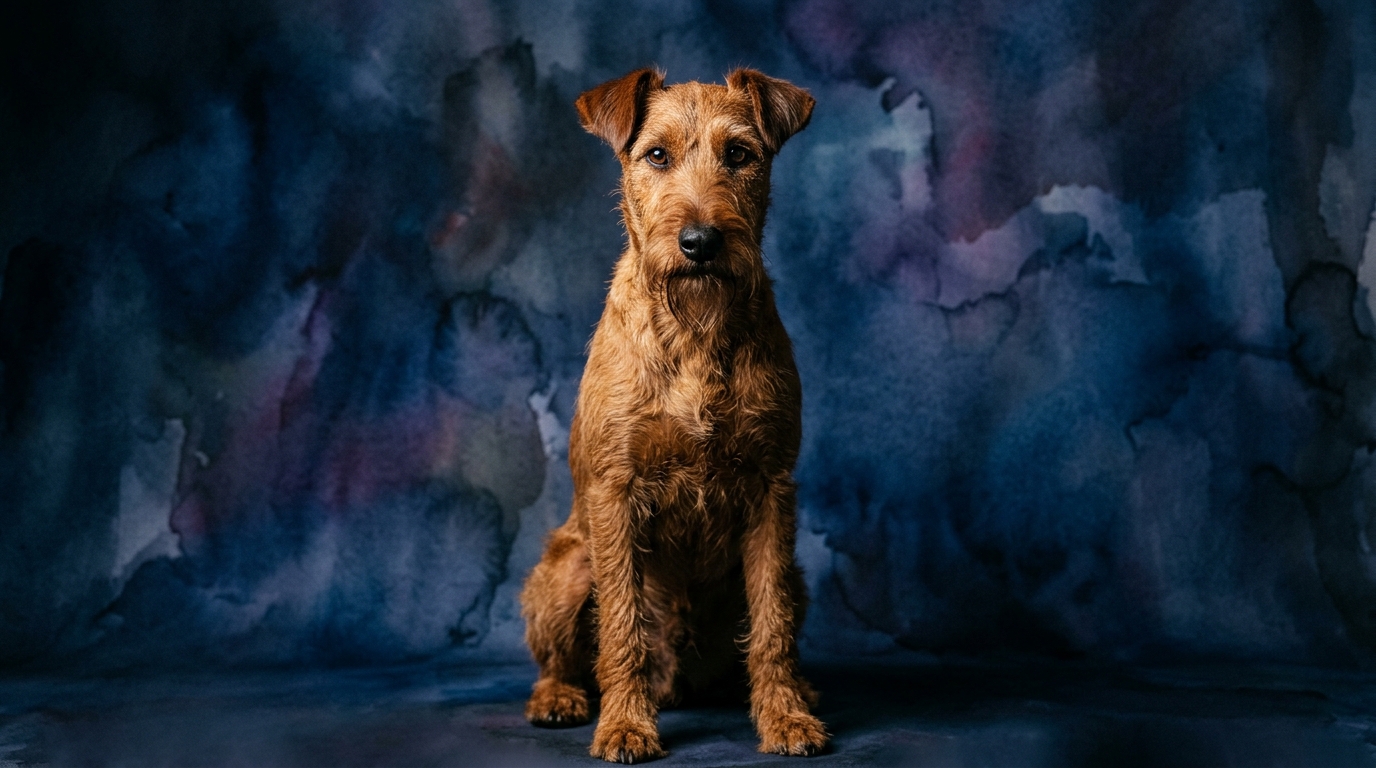
**Irish Terrier (Terrier Group):**
**Problem Solving (3/5):** The Irish Terrier's problem-solving skills are characterized by a tenacious, bold approach, reflecting their history as independent hunters. They are resourceful and persistent when faced with challenges, like opening a cupboard or finding a hidden treat. Their method often involves a mix of cleverness and sheer determination, sometimes opting for brute force, showcasing a different cognitive flexibility.
**Training Speed (3/5):** While capable of learning new commands at a moderate pace, the Irish Terrier's training speed is often influenced by their independence and strong will. They understand commands, but compliance can be a negotiation. Consistent, engaging, and reward-based training is key, as they can quickly become bored with repetitive drills.
**Social Intelligence (3/5):** Irish Terriers exhibit keen social intelligence, particularly in discerning human emotions and intentions. They form deep, loyal bonds and are often playful and responsive to social cues. However, interactions can be feisty, especially with unfamiliar dogs, reflecting their protective nature.
**Instinctive Drive (3/5):** The Irish Terrier's instinctive drive is strongly aligned with their terrier heritage: a persistent prey drive, desire to hunt, and need to explore/dig. This manifests as intense curiosity, chasing small animals, and investigating scents. This drive is a powerful motivator that needs appropriate outlets.
**Memory (3/5):** Irish Terriers have good memory for commands, routines, and locations of interesting things. They are adept at remembering which behaviors yield desired outcomes and recall past experiences vividly. This memory, combined with tenacity, means they rarely forget a lesson, positive or negative.
Where the Swedish Vallhund Wins Cognitively
The Swedish Vallhund often demonstrates a cognitive edge in tasks requiring sustained focus and cooperative problem-solving within a structured environment. Their herding background means they are inherently designed to observe, analyze, and react to dynamic situations with a degree of foresight, making them particularly adept at activities like advanced obedience or agility courses where anticipating the next move is crucial. While both breeds score 3/5 in problem-solving, the Vallhund's approach is typically more methodical and less impulsive, allowing them to excel in scenarios demanding systematic execution of learned behaviors. Their social intelligence, geared towards working alongside a human partner, gives them an advantage in understanding complex command sequences and performing them reliably, whereas an Irish Terrier might inject more personal interpretation.
Where the Irish Terrier Wins Cognitively
The Irish Terrier shines in cognitive scenarios demanding independent thought, tenacity, and a clever, often improvisational, approach to problem-solving. Their terrier heritage has honed their ability to work autonomously, making them exceptional at figuring out solutions to challenges that require persistence and ingenuity, such as escaping perceived confinement or finding a hidden object through scent work. While both breeds score 3/5 in problem-solving, the Irish Terrier's method often involves a fearless, trial-and-error strategy, sometimes pushing boundaries to achieve their goal. Their strong instinctive drive fuels a persistent curiosity, leading them to investigate and unravel mysteries with a determination that can outmatch the more reserved Vallhund when faced with a novel, self-motivated challenge.
Which is Easier to Train and Why
When considering ease of training, the Swedish Vallhund generally presents a more straightforward experience for the average owner. Despite both breeds having a 3/5 training speed, the Vallhund's herding instinct predisposes them to working cooperatively with a human partner and responding to direction. They often possess a stronger intrinsic desire to please and engage in structured learning, making them more amenable to consistent command-response training. Their social intelligence is finely tuned to human cues, allowing them to quickly grasp what is expected.
In contrast, the Irish Terrier, while equally capable of learning, often requires a more nuanced and patient training approach. Their terrier independence and strong, self-directed prey drive mean they will frequently weigh the benefit of compliance against their own impulses. They can learn quickly, but their willingness to *perform* a command reliably often depends on the perceived value of the reward and the engagement level of the training session. A Vallhund might follow a command because it's part of the job; an Irish Terrier might follow it if it's fun, interesting, or sufficiently rewarding, making them potentially more challenging for novice trainers who struggle with motivational consistency. Their tenacity, while a cognitive strength, can also translate into a stubborn streak during training if not managed effectively with positive reinforcement and varied methods.
Which Suits Active Owners vs. Relaxed Owners
For active owners seeking a canine companion for structured activities, the Swedish Vallhund is often an excellent fit. Their moderate instinctive drive and cooperative nature make them well-suited for dog sports like agility, obedience, or rally, where they can channel their herding intelligence into precise, team-oriented tasks. They thrive on having a "job" and enjoy consistent mental and physical engagement, making them ideal for owners who enjoy hiking, long walks, or regular training sessions. Their social intelligence allows them to be adaptable companions in various active social settings, provided they are properly socialized. While they enjoy downtime, they are not content with being couch potatoes and require regular, purposeful activity to prevent boredom.
The Irish Terrier, on the other hand, suits active owners who appreciate a dog with a robust sense of adventure and a strong independent streak. Their instinctive drive, particularly their prey drive, means they excel at activities that engage their hunting instincts, such as earthdog trials, scent work, or vigorous games of fetch that simulate a chase. They are tireless companions for long runs, hikes, and exploring new environments. However, their independence means they may not always be "on-leash perfect" and require owners who are prepared for their sometimes impulsive nature and need for mental stimulation through varied, challenging activities. They are not dogs for relaxed owners who prefer minimal engagement; their cognitive abilities, particularly their problem-solving and memory, demand outlets, or they will invent their own, potentially destructive, entertainment.
The Verdict
Choose a Swedish Vallhund if you value a cooperative, observant companion eager to engage in structured activities and capable of methodical problem-solving within a clear framework. Their herding intelligence and desire to work alongside their human make them a rewarding partner for consistent training and dog sports.
Opt for an Irish Terrier if you appreciate a spirited, tenacious companion with a bold personality, exceptional independence, and a clever, persistent approach to challenges, thriving on varied adventures and engaging activities that tap into their natural hunting drive.
🧠 Find Your Pet's IQ Score
Our Pet IQ Lab assessment covers 25+ tests across 5 cognitive dimensions — personalized to your breed.
Take the Full IQ Test →Frequently Asked Questions
Do Swedish Vallhunds or Irish Terriers bark a lot?
Both breeds can be prone to barking, though for different reasons. Vallhunds, with their herding and watchdog instincts, often bark to alert their families to perceived threats or novelties. Irish Terriers may bark more out of excitement, frustration, or to express their strong opinions, especially if their innate drives are not sufficiently met.
Are these breeds good with children and other pets?
Both can be good with children and other pets with proper socialization and training from a young age. Swedish Vallhunds, often gentle herders, tend to be patient but may try to "herd" small children. Irish Terriers are loyal and playful but their strong prey drive means they may not be suitable with smaller, prey-like pets unless raised together and carefully managed.
How much exercise do Swedish Vallhunds and Irish Terriers need?
Both breeds require a moderate to high amount of exercise to thrive, typically needing at least an hour of vigorous activity daily, often more. Swedish Vallhunds benefit from varied activities that engage their minds and bodies, while Irish Terriers need outlets for their boundless energy and strong hunting instincts, such as long walks, runs, or engaging play sessions.