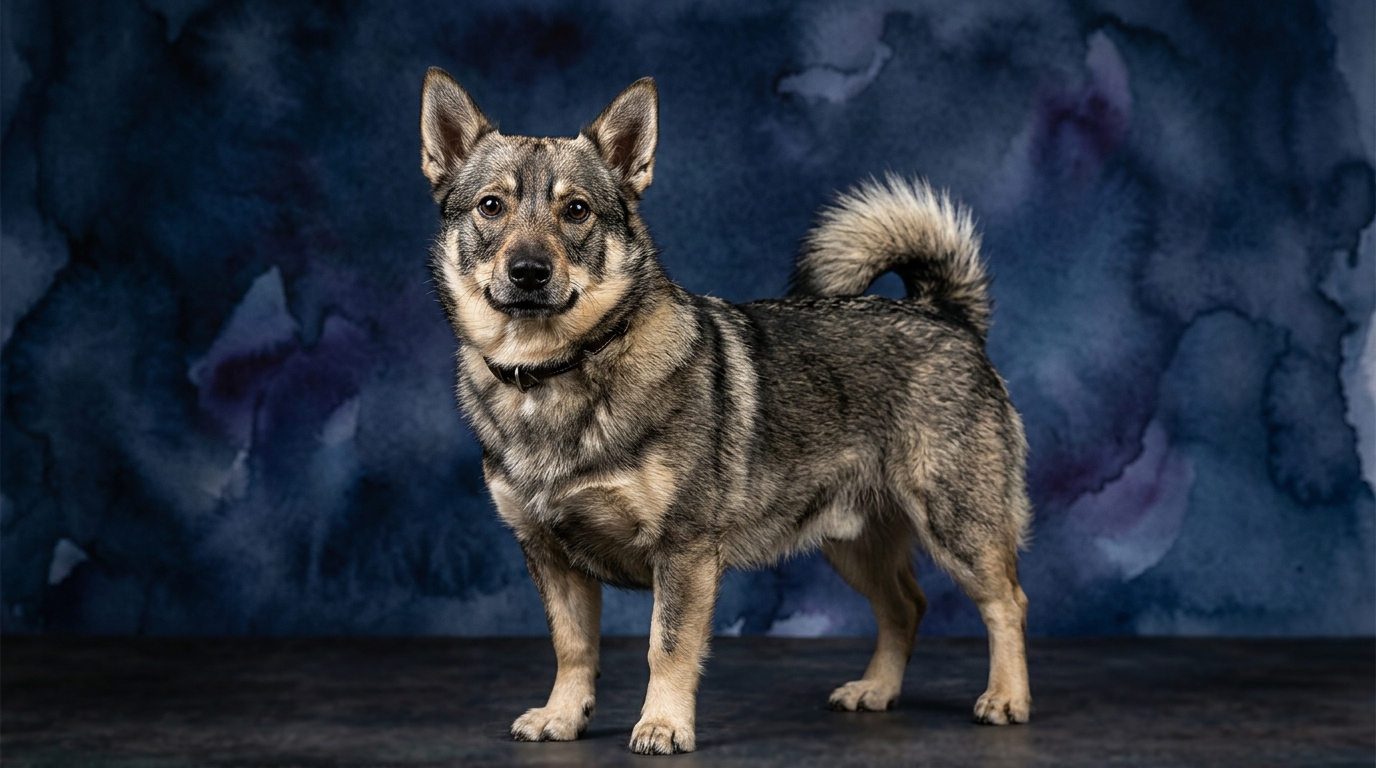
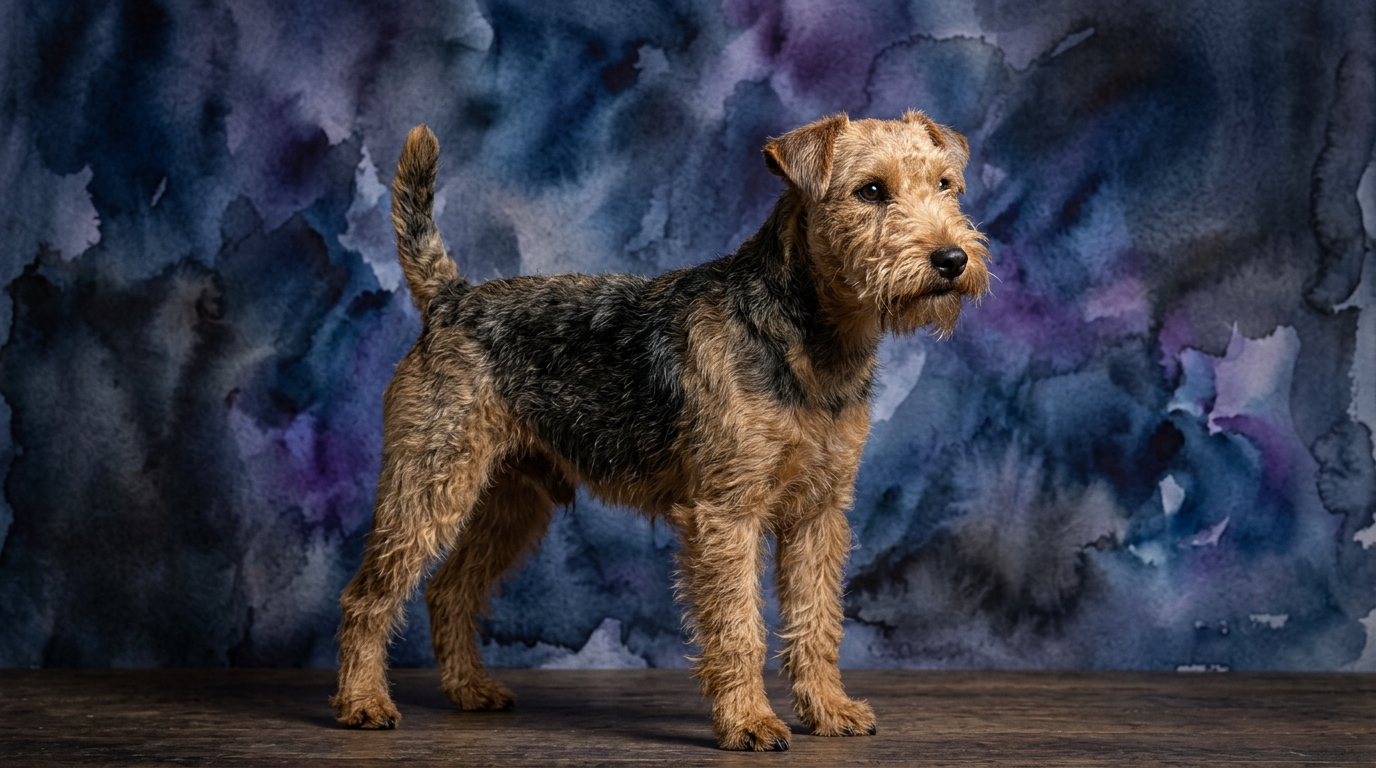
Side-by-Side Cognitive Profiles: Vallhund vs. Lakeland
Delving into the specifics of their 3/5 scores reveals how their historical roles have shaped their mental aptitudes, leading to distinct applications of their cognitive capacities.
**Swedish Vallhund (Herding Group)**
**Problem Solving (3/5):** Vallhunds excel at practical problem-solving involving spatial reasoning and manipulating environments, like strategizing herd movement or navigating complex agility courses. Their cognitive approach focuses on efficient solutions for coordinated tasks.
**Training Speed (3/5):** This breed learns new commands and routines with moderate speed, particularly when training involves cooperation. Their desire to work alongside their handler makes them attentive and responsive to consistent, positive reinforcement.
**Social Intelligence (3/5):** Vallhunds are adept at reading human emotions and household dynamics, forming strong cooperative bonds within their familiar group. Their social acumen maintains harmony and interaction within their established “pack.”
**Instinctive Drive (3/5):** Their herding heritage manifests as a moderate urge to “collect” and manage, whether livestock or family members. This provides strong internal motivation for tasks involving organization or controlled movement.
**Memory (3/5):** Vallhunds possess solid memory for routines, learned commands, and environmental layouts. They recall complex action sequences and household rules, aiding consistent performance in cooperative tasks.
**Lakeland Terrier (Terrier Group)**
**Problem Solving (3/5):** Lakelands display tenacious, independent problem-solving, focused on overcoming obstacles or outwitting “prey.” They excel at persistent efforts to achieve objectives, often employing creative methods to access confined spaces.
**Training Speed (3/5):** Lakelands grasp new concepts moderately quickly, but their independent spirit means compliance is tied to motivation. Engaging, varied sessions appeal to their curiosity; boredom can hinder progress.
**Social Intelligence (3/5):** Lakelands discern friend from foe, reserved with strangers but forming fiercely loyal family bonds. Their social acumen understands hierarchies and protects their unit, sometimes expressed through discerning wariness.
**Instinctive Drive (3/5):** Their history as fearless hunters fuels a moderate but intense prey drive, a strong desire to chase, dig, and investigate. This persistent drive provides robust internal motivation for discovery or “hunt” activities.
**Memory (3/5):** Lakelands possess reliable memory for places, people, and successful independent strategies. They recall specific routes, digging spots, and training cues associated with rewarding, self-achieved outcomes.
Where the Swedish Vallhund Wins Cognitively
While both problem-solve at 3/5, the Vallhund excels in tasks requiring cooperative effort and nuanced environmental manipulation. Their herding background fosters adeptness at orchestrating movement and understanding spatial relationships, making them fluid partners in agility or intricate routines. Their social intelligence (3/5) ensures a deeper understanding of handler cues, translating into more consistent, human-directed performance. This means a Vallhund might more readily anticipate and adjust to a handler's subtle signals during a complex task, showcasing their cognitive edge in collaborative endeavors.
Where the Lakeland Terrier Wins Cognitively
Conversely, the Lakeland Terrier's 3/5 problem-solving shines in independent tenacity and resourceful, self-directed action. Their terrier heritage primes them for overcoming physical obstacles or retrieving from tight spaces. Their instinctive drive (3/5) for pursuit fuels sustained exploration when a “prey” is involved, and their memory (3/5) retains successful independent strategies for future challenges. A Lakeland might relentlessly work to unearth a buried toy or navigate a labyrinthine path to a scent, demonstrating a cognitive strength in persistent, self-motivated investigation.
Which is Easier to Train and Why
Despite identical 3/5 training speed, the Swedish Vallhund generally proves more straightforward due to its inherent biddability and desire to cooperate. Their herding role instilled a strong drive to work *with* humans, making them attentive and eager to please, leading to a smoother obedience learning curve. Their social intelligence (3/5) further enhances their responsiveness to handler cues. The Lakeland Terrier, while learning quickly, often presents an independent terrier streak. Their strong instinctive drive (3/5) for self-directed hunting can distract them, requiring more creative and persistent motivational techniques. Compliance often depends on the task’s perceived value or engagement, making consistent, enthusiastic interaction crucial for effective training.
Suitability for Active vs. Relaxed Owners
Neither breed is suited for a truly sedentary owner, but their activity needs diverge. The Swedish Vallhund thrives with structured, cooperative activities like obedience, agility, or varied walks that involve exploration, tapping into their problem-solving and social intelligence. They need daily interactive play and training, providing a sense of purpose. The Lakeland Terrier suits owners appreciating intense bursts of energy and independent investigation. They excel in activities like vigorous fetch, earthdog trials, or exploring terrains where they can follow scents and dig. Owners must provide outlets for their prey drive and ensure secure spaces to prevent boredom-induced behaviors.
The Verdict
Opt for the Swedish Vallhund if you seek a cooperative, biddable companion eager to engage in structured activities and work closely with you. Their nuanced understanding of social cues and practical problem-solving shines in partnership, fitting owners who enjoy consistent training and interactive tasks.
Select the Lakeland Terrier if you appreciate an independent, tenacious spirit with a keen drive for self-directed problem-solving and exploration. They suit owners who can provide ample outlets for their investigative instincts and enjoy a dog with a spirited, determined approach to life, excelling in independent pursuits.
🧠 Find Your Pet's IQ Score
Our Pet IQ Lab assessment covers 25+ tests across 5 cognitive dimensions — personalized to your breed.
Take the Full IQ Test →Frequently Asked Questions
Do Swedish Vallhunds and Lakeland Terriers have similar energy levels?
Both breeds are active and require substantial daily exercise, but their energy manifests differently. Vallhunds need consistent, mentally stimulating activity, often involving cooperative tasks. Lakelands thrive on intense bursts of physical activity and outlets for their strong prey drive and investigative instincts.
Are these breeds good with children or other pets?
Swedish Vallhunds, with their herding instincts, can be good with respectful children and often integrate well with other pets, though they might try to “herd” them. Lakeland Terriers form strong bonds with their family but can be reserved with strangers and may have a higher prey drive towards smaller pets, requiring careful introductions and supervision.
How do their grooming needs compare?
The Swedish Vallhund has a double coat requiring moderate grooming, typically weekly brushing to manage shedding. The Lakeland Terrier has a wiry, dense coat that needs regular stripping or clipping to maintain its texture and health, in addition to weekly brushing, making its grooming more involved.