Side-by-Side IQ Profile: Herding Wit vs. Terrier Grit
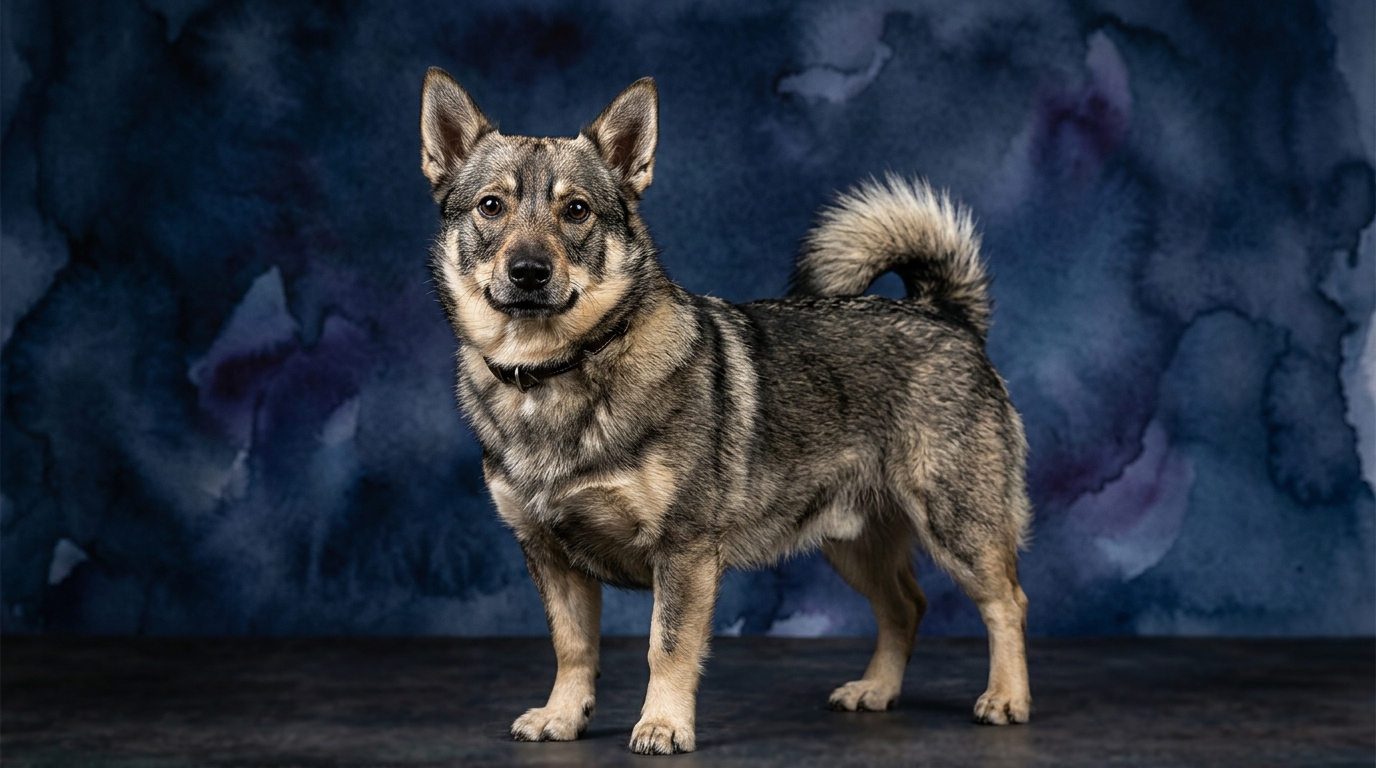
The Swedish Vallhund, a member of the Herding Group, brings a unique set of cognitive attributes to the table. Their Problem Solving (3/5) involves practical application, particularly in spatial awareness and object manipulation, reflecting their historical role. Vallhunds methodically navigate obstacles to gather or locate items. For Training Speed (3/5), they generally learn new commands at a moderate pace, thriving on consistency and positive reinforcement. Their eagerness to please and herding instincts foster receptivity to structured, purposeful learning. Social Intelligence (3/5) in Vallhunds means they are attuned to human emotions and pack dynamics, often seeking to mediate interactions. They interpret subtle cues, making them responsive companions who understand household routines. Their Instinctive Drive (3/5) is a strong herding desire, manifesting as an innate urge to gather, control, and protect, translating into focused persistence in managing their perceived 'flock.' Finally, their Memory (3/5) is reliable for routines, commands, and locations. They recall past training and environmental layouts, anticipating events with ease.
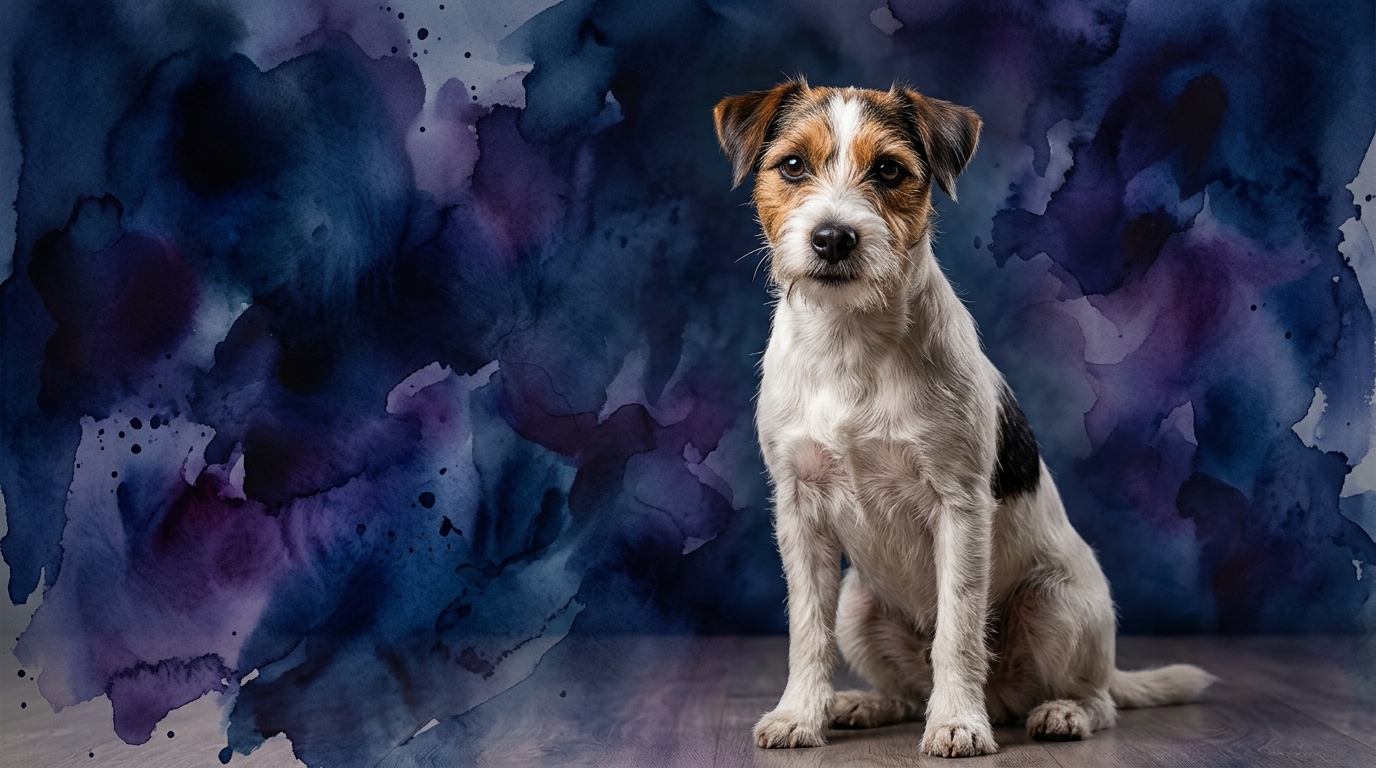
In contrast, the Parson Russell Terrier, hailing from the Terrier Group, showcases a different cognitive blueprint. Their Problem Solving (3/5) is tenacious and independent, often employing creative, sometimes mischievous solutions to reach goals. They bypass barriers driven by curiosity and prey drive. For Training Speed (3/5), while capable, their learning pace is tempered by a strong will and independent streak. They understand commands but may comply based on perceived value, requiring engaging patience. Social Intelligence (3/5) for Parsons means they are socially aware, expressing this through boisterous interaction and boundary-testing. They read human moods but often engage on their own terms, not always adjusting behavior. Their Instinctive Drive (3/5) is profoundly rooted in hunting and digging, manifesting as intense focus on small prey. This fuels their persistence in pursuing perceived quarry. Regarding Memory (3/5), Parsons have a good memory for places of interest, like a squirrel sighting or hidden treat. They recall cues, but this can be overshadowed by compelling immediate distractions.
Where the Swedish Vallhund Wins Cognitively
The Swedish Vallhund often demonstrates a more cooperative cognitive approach, particularly in tasks requiring human direction and group cohesion. Wired to work *with* a handler, they excel in activities demanding sustained focus on owner-set goals, like intricate obedience or precision agility. Their spatial reasoning, honed for livestock management, aids navigation of complex environments and understanding multi-step commands. This breed’s intuitive grasp of social structure also fosters quick adaptation to household rules, anticipating expectations with less direct instruction.
Where the Parson Russell Terrier Wins Cognitively
The Parson Russell Terrier's cognitive strengths lie in independent resourcefulness and unwavering determination. While Vallhunds cooperate, Parsons excel at autonomous problem-solving, particularly challenges requiring ingenuity and persistence. Their terrier heritage makes them adept at self-reliant tasks, like accessing hidden toys or navigating obstacles without direct human guidance. They possess exceptional focus on self-appointed objectives, often scent work or retrieving, employing diverse strategies until achieved. Their quick, hunting-honed decision-making allows swift, adaptive reactions to changing situations, often outmaneuvering perceived 'prey' or environmental barriers.
Which is Easier to Train and Why
The Swedish Vallhund is generally perceived as easier to train due to its inherent desire to collaborate and its strong social intelligence. Their herding instinct predisposes them to respond to direction and to work as part of a unit, making them eager participants in training sessions. They are often more sensitive to owner feedback and corrections, responding well to positive reinforcement and clear, consistent commands. For example, a Vallhund is likely to quickly understand and reliably execute a "stay" command because it aligns with their desire for order and their attentiveness to their handler.
The Parson Russell Terrier, while equally capable of learning, presents a different training dynamic. Their independent nature and formidable prey drive mean they require more creative, engaging, and patient training methods. A Parson might understand a command perfectly but choose to disregard it if a more interesting scent or perceived "hunt" captures their attention. Their persistence, a strength in problem-solving, can become a challenge in training, as they may stubbornly resist commands they deem irrelevant or less rewarding than their own pursuits. Training a Parson often involves harnessing their drive and channeling it into desired behaviors, such as using their prey drive for fetch or their digging instinct for scent work, rather than simply expecting compliance. Consistency, high-value rewards, and making training feel like a game are crucial for success with the Parson.
Which Suits Active Owners vs. Relaxed Owners
Both breeds demand active engagement, but their energy channels differ significantly. The Swedish Vallhund suits active owners enjoying structured activities like obedience, agility, or herding trials, who appreciate a dog thriving on collaborative work. They require regular physical and mental stimulation, met through vigorous walks, interactive play, and training engaging their herding instincts. Owners who enjoy teaching tricks, dog sports, or a highly engaged outdoor companion will find the Vallhund rewarding.
The Parson Russell Terrier also needs an active owner, but one who understands and manages boundless, independent energy and strong instinctual drives. They thrive with owners providing outlets for hunting and digging, such as earthdog trials, extensive secure off-leash exploration, or robust fetch. A 'relaxed owner' would likely be overwhelmed by a Parson's constant engagement needs and self-directed entertainment, like digging or chasing. They need an owner who is active, resilient, patient, and prepared for an unyielding spirit of adventure.
The Verdict
Opt for the Swedish Vallhund if you seek a cooperative, observant companion eager to engage in structured activities and daily routines, appreciating a dog that works alongside you and integrates smoothly into family life with a watchful eye.
Select the Parson Russell Terrier if you are an adventurous, resilient owner prepared for a tenacious, independent spirit that thrives on challenging tasks, extensive outdoor exploration, and an outlet for their strong, inherent drives.
🧠 Find Your Pet's IQ Score
Our Pet IQ Lab assessment covers 25+ tests across 5 cognitive dimensions — personalized to your breed.
Take the Full IQ Test →Frequently Asked Questions
Do Swedish Vallhunds bark a lot?
Vallhunds can be vocal, often using barks to alert their owners to new sights or sounds, a remnant of their herding watchdog role. While not excessive for all, they do possess a natural inclination to communicate vocally, which can be managed with consistent training.
Are Parson Russell Terriers good with other pets?
Parson Russell Terriers can coexist with other pets, especially if raised with them from a young age, but their strong prey drive means small, fast-moving animals might trigger their hunting instincts. Careful introductions and supervision are essential, particularly with cats or smaller animals.
How much exercise does a Swedish Vallhund need daily?
A Swedish Vallhund typically requires at least 45-60 minutes of vigorous exercise daily, which can include brisk walks, jogging, interactive play, or participation in dog sports. Mental stimulation through training and puzzle toys is equally important to satisfy their intelligent minds.
What kind of home is best for a Parson Russell Terrier?
A Parson Russell Terrier thrives in an active home with a securely fenced yard, where they have ample opportunities for physical exercise and mental challenges. Owners who enjoy outdoor activities and can dedicate significant time to training and engagement will provide the best environment for this energetic breed.