Side-by-Side Cognitive Profiles: Decoding the Scores
The Pet IQ Lab assesses five key dimensions of canine intelligence, and both the Swedish Vallhund and the Pekingese surprisingly share an identical score of 3/5 across the board. This doesn't suggest identical minds, but rather a similar *level* of capacity applied in unique ways, shaped by their distinct histories and breed purposes.
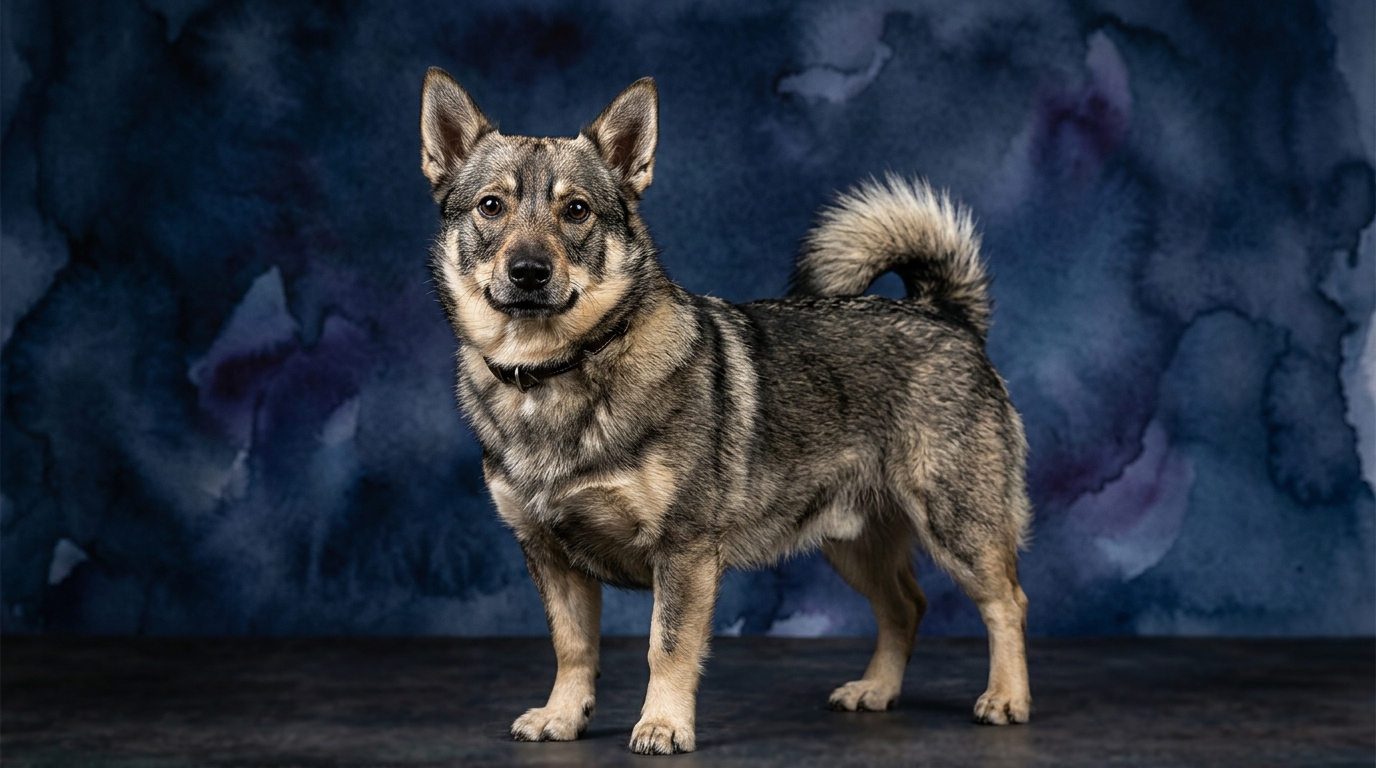
For the Swedish Vallhund, a herding dog, a Problem Solving score of 3/5 indicates an aptitude for moderately complex challenges, likely manifesting in practical tasks like livestock management or navigating varied terrain. Their Training Speed of 3/5 suggests they grasp new commands at a reasonable pace, particularly when tasks align with their working instincts. Social Intelligence at 3/5 points to an ability to read cues from handlers and other animals, crucial for cooperative work. An Instinctive Drive of 3/5 reflects a moderate, purposeful drive, channeled into herding or other activities. Finally, a Memory score of 3/5 means they retain learned behaviors and experiences adequately, aiding in consistent performance.
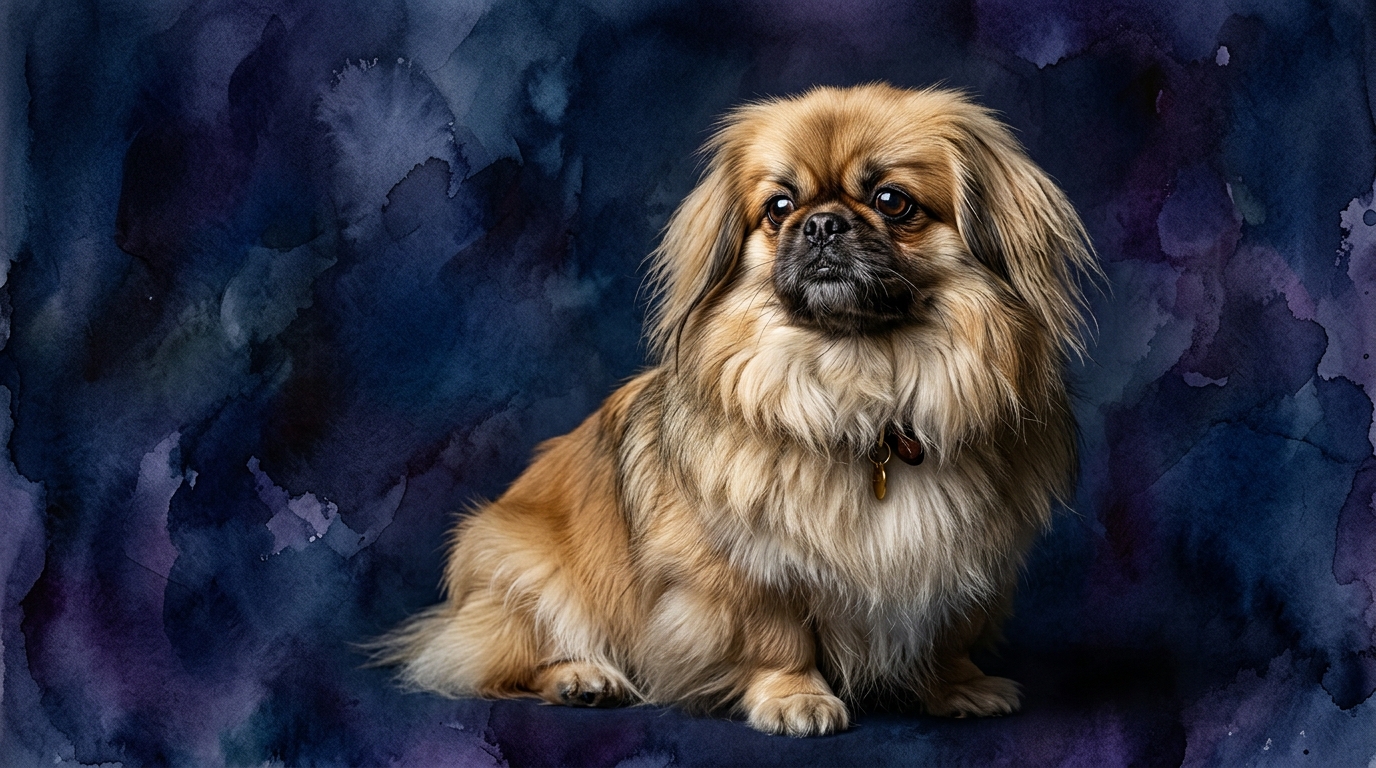
The Pekingese, a toy breed, also scores 3/5 in Problem Solving, which for them might translate to cleverly manipulating their environment for comfort or devising subtle ways to gain human attention. Their Training Speed of 3/5 implies they learn at a moderate rate, though their independent nature might influence willingness. Social Intelligence at 3/5 means they are adept at understanding household dynamics and human emotions, crucial for their role as companions. An Instinctive Drive of 3/5 for the Pekingese often manifests as territorial watchfulness or a strong desire for companionship. Their Memory score of 3/5 helps them recall routines, preferred spots, and the nuances of their human family members, ensuring a predictable and comfortable domestic life.
It's also worth noting the Coren ranking: the Pekingese holds rank #77, placing it in the average category for working/obedience intelligence. The Swedish Vallhund is not Coren-ranked, which doesn't diminish its intelligence but rather indicates less historical participation in the specific obedience trials used for Coren's methodology, reflecting its distinct working heritage.
Where the Swedish Vallhund Excels Cognitively
Despite identical raw scores, the Swedish Vallhund's cognitive strengths are distinctly rooted in its herding lineage. Its 3/5 Problem Solving ability shines brightest in dynamic, real-world scenarios. This isn't about solving static puzzles, but rather adapting to moving livestock, anticipating shifts in their behavior, and strategizing how to guide them effectively. This operational problem-solving requires quick thinking and spatial awareness.
The Vallhund's 3/5 Instinctive Drive, while moderate, is highly purpose-oriented. It translates into a persistent focus on tasks, whether it's herding, agility, or scent work. This drive provides a consistent internal motivation for engagement and follow-through, making them tenacious learners and performers in activities that mimic their ancestral roles. Their Social Intelligence (3/5) is keenly attuned to cooperative efforts, reading handler body language and intentions with precision during active tasks, fostering a strong working partnership.
In essence, the Vallhund's cognitive profile is geared towards active collaboration and practical application. Their memory (3/5) supports the retention of complex sequences and environmental layouts, allowing them to build upon past experiences in their work or training, making them efficient and reliable partners in structured activities.
Where the Pekingese Finds Its Cognitive Edge
The Pekingese, in contrast, showcases its 3/5 cognitive strengths in the realm of domestic living and social finesse. Its Problem Solving at 3/5 is less about physical labor and more about navigating the intricacies of a human household. This might involve figuring out the optimal spot for sunbathing, how to subtly solicit attention or treats, or understanding routines to ensure maximum comfort. It’s a nuanced, observational form of problem-solving aimed at self-serving comfort and companionship.
The Pekingese’s Social Intelligence (3/5) is a significant asset, honed over centuries of close human interaction. They are particularly adept at reading human emotions and anticipating needs for companionship or lap time. This allows them to integrate seamlessly into a family, offering quiet comfort or demanding attention at opportune moments. Their memory (3/5) is excellent for recalling specific household habits, preferred sleeping arrangements, and the individual quirks of each family member, making them remarkably predictable and comforting companions.
Their Instinctive Drive (3/5), while not for herding, is directed towards guardianship and devotion. This manifests as a keen awareness of their immediate surroundings and a strong bond with their chosen people, often leading to a watchful, sometimes assertive, demeanor towards strangers. The Pekingese's cognitive strengths lie in their ability to master the social and comfort dynamics of a domestic environment, making them exceptional at being a cherished, observant companion.
Training Dynamics: Effort vs. Eagerness
Given both breeds score 3/5 in Training Speed, neither is exceptionally quick or slow to learn new commands. However, the *approach* to training and the *willingness* to perform can differ significantly, influenced by their instinctive drives and social intelligence.
The Swedish Vallhund often approaches training with an eager, cooperative spirit due to its herding background and desire to work alongside a handler. Their moderate instinctive drive makes them motivated by purposeful tasks and positive reinforcement, especially when the training feels like a collaboration. They respond well to consistent, clear instructions and thrive on having a job to do, even if it's just learning a new trick or excelling in dog sports. Their social intelligence helps them understand and respond to human cues, making them generally receptive students who enjoy the process of learning and achieving.
The Pekingese, while capable of learning at a moderate pace, often requires a different motivational strategy. Their 3/5 social intelligence helps them understand *what* is being asked, but their independent and sometimes stubborn nature can influence *if* they choose to comply. Training a Pekingese often involves finding their specific motivators, whether it's high-value treats, comfortable rewards, or simply their desire for a quiet life without fuss. House training, in particular, can be a prolonged effort due to their small bladder size and potential preference for indoor comfort, requiring exceptional consistency and patience. They are not necessarily difficult to train, but they demand a trainer who respects their distinct personality and finds ways to make learning appealing to them, rather than expecting eager obedience from a working drive.
Matching Minds: Active vs. Relaxed Lifestyles
The cognitive profiles of the Swedish Vallhund and Pekingese naturally align with different owner lifestyles, despite their shared IQ scores. The *application* of their intelligence dictates their ideal environment.
The Swedish Vallhund, with its problem-solving acumen geared towards dynamic tasks and its moderate, purposeful instinctive drive, is an excellent match for active owners. They thrive when given opportunities for regular physical exercise and mental stimulation that taps into their herding heritage. This could include long walks, hiking, agility, obedience, or even puzzle toys that challenge their thinking. An owner who enjoys outdoor activities and wants a partner for dog sports or engaging training sessions will find the Vallhund's cognitive makeup highly rewarding. Without sufficient outlets, their 3/5 problem-solving and drive can lead to boredom and potentially undesirable behaviors.
Conversely, the Pekingese, whose cognitive strengths lie in domestic observation and social navigation, is ideally suited for more relaxed owners. While they enjoy short, leisurely strolls, their primary contentment comes from being a cherished companion within a comfortable home environment. Their social intelligence and memory are best utilized in observing household routines, providing quiet companionship, and engaging in subtle interactions with their family. An owner who appreciates a devoted, low-key presence, content with indoor activities and close human contact, will find the Pekingese's cognitive makeup perfectly aligned with their lifestyle. Their problem-solving tendencies are less about physical exertion and more about optimizing their personal comfort and social standing within the home.
The Verdict
Choose the Swedish Vallhund if you are an active owner seeking a moderately energetic, cooperative companion who thrives on purposeful activities and enjoys a partnership in learning and exploration.
Choose the Pekingese if you desire a devoted, observant companion content with a relaxed home life and subtle social interactions, appreciating a dog whose intelligence manifests in domestic harmony and comfort.
🧠 Find Your Pet's IQ Score
Our Pet IQ Lab assessment covers 25+ tests across 5 cognitive dimensions — personalized to your breed.
Take the Full IQ Test →Frequently Asked Questions
Do identical IQ scores mean the Swedish Vallhund and Pekingese will behave identically?
No, identical raw IQ scores indicate a similar *capacity* for cognitive functions, but their breed histories and physical attributes dictate how these capacities are applied and expressed behaviorally. A Vallhund might use problem-solving for herding, while a Pekingese might use it for household comfort.
Is the Pekingese's Coren rank of #77 a disadvantage compared to the non-ranked Vallhund?
Not at all. Coren's ranking primarily assesses working/obedience intelligence in specific trial settings. The Pekingese's rank indicates it learns obedience commands at an average pace. The Vallhund's non-ranking simply means it hasn't been as widely evaluated in those specific contexts, not that it possesses less overall intelligence.
Can a Pekingese participate in dog sports like agility, despite its breed type?
While physically possible for some individuals, a Pekingese's physical structure and inherent drives make them less inclined towards high-intensity dog sports like agility. Their cognitive strengths are better suited to activities that leverage their social intelligence and observational skills within a domestic setting, rather than speed and complex physical maneuvers.