Side-by-Side IQ Profile: Swedish Vallhund vs. Pointer
Despite their identical overall scores, the application of intelligence within each breed is profoundly shaped by their historical purpose. Understanding these nuances is key to appreciating their cognitive strengths.
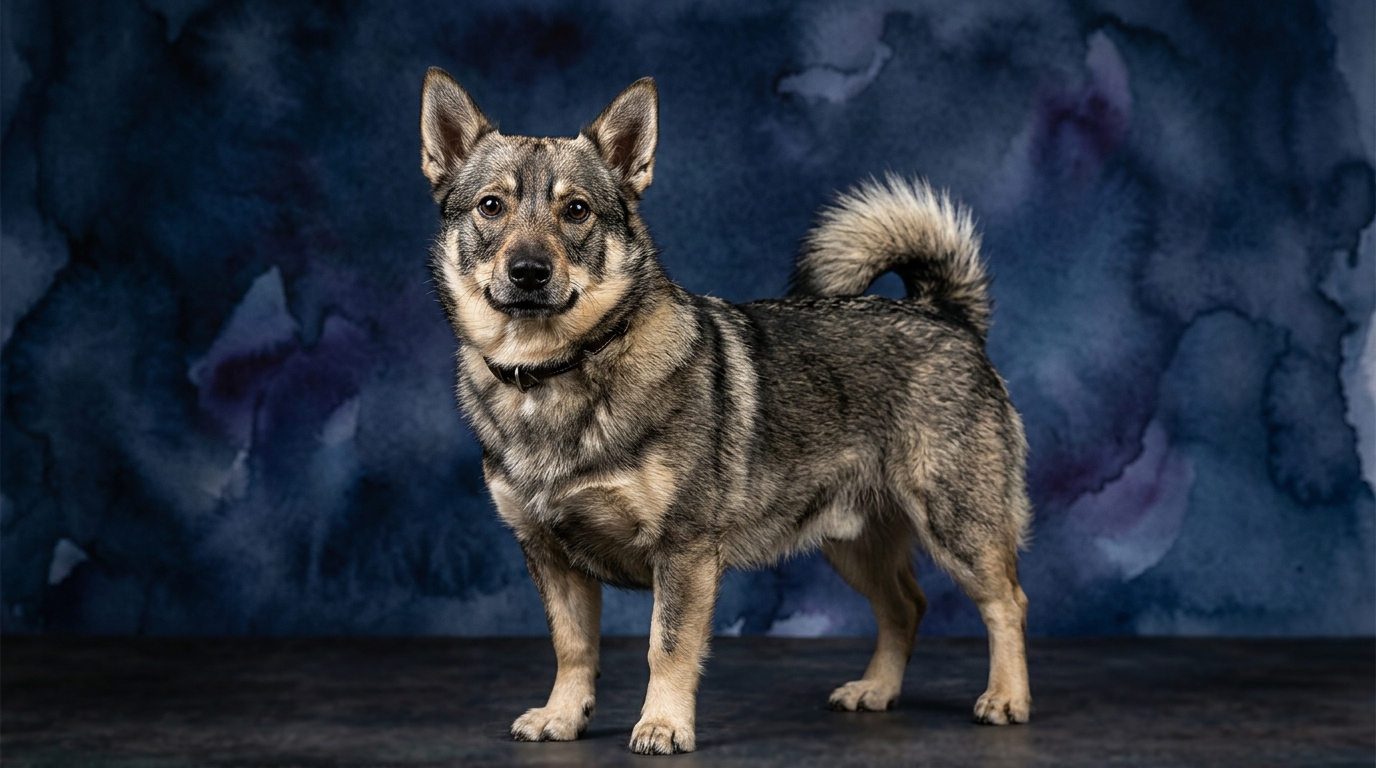
The **Swedish Vallhund**, originating as a farm dog, brings a specific set of cognitive skills to the table:
**Problem Solving (3/5):** This score reflects their innate ability to strategize in a herding context, figuring out how to move stubborn livestock or navigate complex enclosures. They excel at practical, real-time tactical adjustments.
**Training Speed (3/5):** Vallhunds learn commands at a moderate pace, often requiring engaging methods to maintain their interest. Their independent streak, a valuable asset in herding, means they respond best to clear, consistent instruction rather than rote repetition.
**Social Intelligence (3/5):** Their social acumen is honed for understanding their “flock”—both livestock and human family. They read subtle cues from their handler during herding tasks and are adept at recognizing social hierarchies and dynamics within a household.
**Instinctive Drive (3/5):** The primary drive here is their herding instinct, characterized by a desire to gather and control movement. This manifests as a keen interest in supervising household activities and, sometimes, gentle “nipping” at heels to guide family members.
**Memory (3/5):** Vallhunds possess a reliable memory for learned commands, routines, and the spatial layout of their environment. This aids their efficiency in repeated herding patterns and helps them anticipate daily schedules.
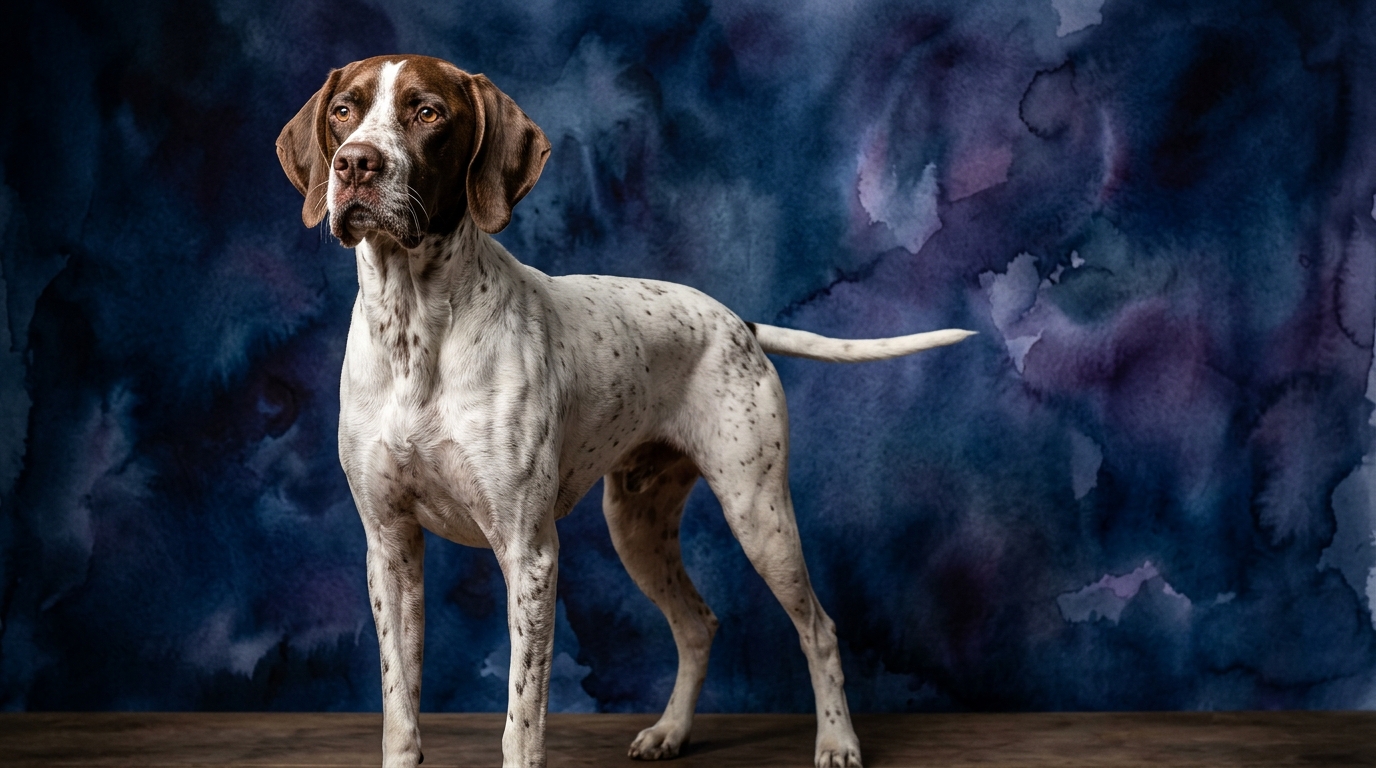
The **Pointer**, a specialized hunting dog, showcases its cognitive abilities through its distinct field work:
**Problem Solving (3/5):** Pointers exhibit their problem-solving skills in the field, navigating varied terrains to locate hidden game. This involves interpreting scent information, assessing wind direction, and strategizing the most efficient path to their quarry.
**Training Speed (3/5):** Known for their cooperative nature, Pointers typically pick up hunting commands and obedience cues with moderate speed. Their eagerness to please their handler, particularly when engaged in activities aligned with their natural drives, makes them generally biddable.
**Social Intelligence (3/5):** Pointers demonstrate their social intelligence through their close working relationship with a hunter. They are adept at interpreting human body language and vocal commands from a distance, coordinating their search efforts with their handler’s movements.
**Instinctive Drive (3/5):** Their dominant drive is the intense prey drive, specifically the desire to locate and “point” game birds. This manifests as sustained focus, an unwavering nose to the ground, and the characteristic statuesque stance when game is found.
**Memory (3/5):** Pointers have a strong memory for scent trails, the layout of hunting grounds, and complex sequences of hunting signals. This allows them to recall specific areas where game was found or to follow intricate patterns of search.
Where the Swedish Vallhund Excels Cognitively
While both breeds score identically across our metrics, the Swedish Vallhund often demonstrates a particular cognitive edge in dynamic, close-quarters spatial reasoning and the nuanced manipulation of movement. Their herding background necessitates an ability to make rapid, independent decisions to influence the trajectory of multiple moving targets (livestock) within a confined or shifting space. A Vallhund’s problem-solving often involves anticipating the next move of a sheep or a child, then executing a precise maneuver to guide them. This requires a unique blend of predictive analytics and agile execution, often involving subtle body language and calculated pressure, aspects less central to a Pointer’s field work.
Where the Pointer Excels Cognitively
Conversely, the Pointer’s cognitive strengths truly shine in tasks demanding sustained, distant focus and complex sensory interpretation, particularly olfactory processing. Their work in the field requires an unparalleled ability to discriminate between subtle scents, ignore distractions, and maintain a singular objective over vast distances and extended periods. A Pointer’s problem-solving is less about manipulating movement and more about navigating an invisible landscape of scent, piecing together information to pinpoint a hidden bird. Their memory for specific scent patterns and the ability to “lock on” to a target, maintaining a rigid point for minutes, showcases a profound capacity for single-minded dedication and sensory analysis that is distinct from the Vallhund’s more kinetic intelligence.
Training Dynamics: Which is Easier and Why?
Given their shared 'Training Speed 3/5' score, neither breed presents an inherently 'easy' or 'difficult' training experience, but their inherent motivations shape the process differently. The Pointer often appears more straightforward to train for specific tasks due to their strong desire to cooperate with their handler, especially when the task aligns with their natural hunting drives. Their intense focus, when directed, can lead to quick mastery of commands related to retrieving, pointing, and field work. However, this same intensity means they require ample physical outlets; a bored or under-exercised Pointer can be a challenging student, prone to restlessness and distraction.
The Swedish Vallhund, while equally capable of learning, brings a more independent, self-reliant streak from its herding lineage. Training a Vallhund often requires more creativity and engagement to harness their problem-solving abilities and prevent boredom. They can be adept at figuring out 'what’s in it for them,' and their desire to 'herd' might translate into trying to organize their human family members, requiring consistent boundary setting. Ultimately, a Pointer might offer a more direct path for task-oriented training if their exercise needs are met, while a Vallhund requires a trainer who enjoys shaping and engaging a more thoughtful, sometimes opinionated, learner.
Suitability for Active vs. Relaxed Owners
The choice between a Swedish Vallhund and a Pointer is stark when considering owner activity levels. The Pointer is unequivocally suited for highly active owners. These dogs possess immense stamina and a deep-seated need for vigorous daily exercise, often requiring multiple hours of running, hiking, or dedicated field work to truly thrive. Their physical and mental well-being are intrinsically tied to having an outlet for their athletic prowess and hunting drive. A relaxed owner would quickly find themselves overwhelmed by a Pointer’s boundless energy and potential for destructive behaviors stemming from boredom.
The Swedish Vallhund, while also requiring an active lifestyle, is a more moderate choice. They need regular walks, playtime, and mental challenges like dog sports or puzzle toys, but their endurance is not on par with a Pointer’s. They are well-suited for owners who enjoy consistent daily activity and engagement, but who may not be marathon runners or avid hunters. A Vallhund can adapt better to a slightly less intense daily routine than a Pointer, provided their clever minds are kept busy.
The Verdict
Choose a Swedish Vallhund if you seek a clever, versatile companion for varied dog sports and activities, thriving on mental challenges and a consistent, moderately active lifestyle, appreciating a dog with an independent, thoughtful approach to life.
Opt for a Pointer if you are a dedicated outdoor enthusiast, a hunter, or someone committed to providing extensive daily physical exercise and an outlet for a powerful, focused prey drive, valuing a highly biddable partner in the field.
🧠 Find Your Pet's IQ Score
Our Pet IQ Lab assessment covers 25+ tests across 5 cognitive dimensions — personalized to your breed.
Take the Full IQ Test →Frequently Asked Questions
Are Swedish Vallhunds good at agility?
Yes, Swedish Vallhunds often excel at agility due to their athletic build, quick reflexes, and problem-solving skills, making them natural competitors in dog sports. Their compact size and herding instincts give them an advantage in navigating courses with precision and speed.
Do Pointers make good family pets?
Pointers can be excellent family pets for active households that can meet their significant exercise requirements. They are generally affectionate and loyal, but their high energy and strong prey drive mean they need consistent training and socialization, especially around smaller pets.
How do their herding and hunting instincts compare in a home environment?
A Vallhund's herding instinct might manifest as attempts to “gather” family members or pets, often with gentle nudges or nips at heels, seeking to control movement. A Pointer’s hunting instinct is more about intense focus, scenting, and a desire to chase small, fast-moving objects, requiring careful management to prevent predatory behavior towards smaller animals.