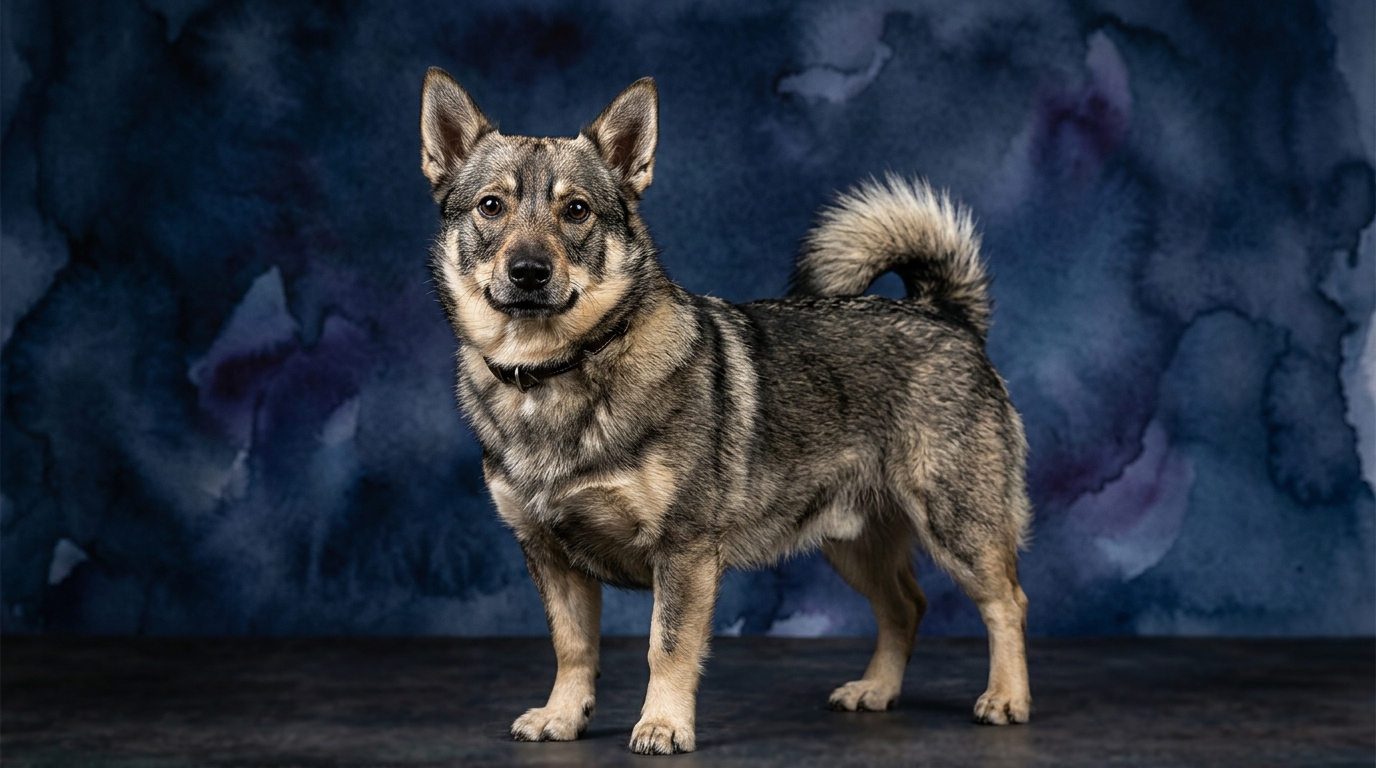
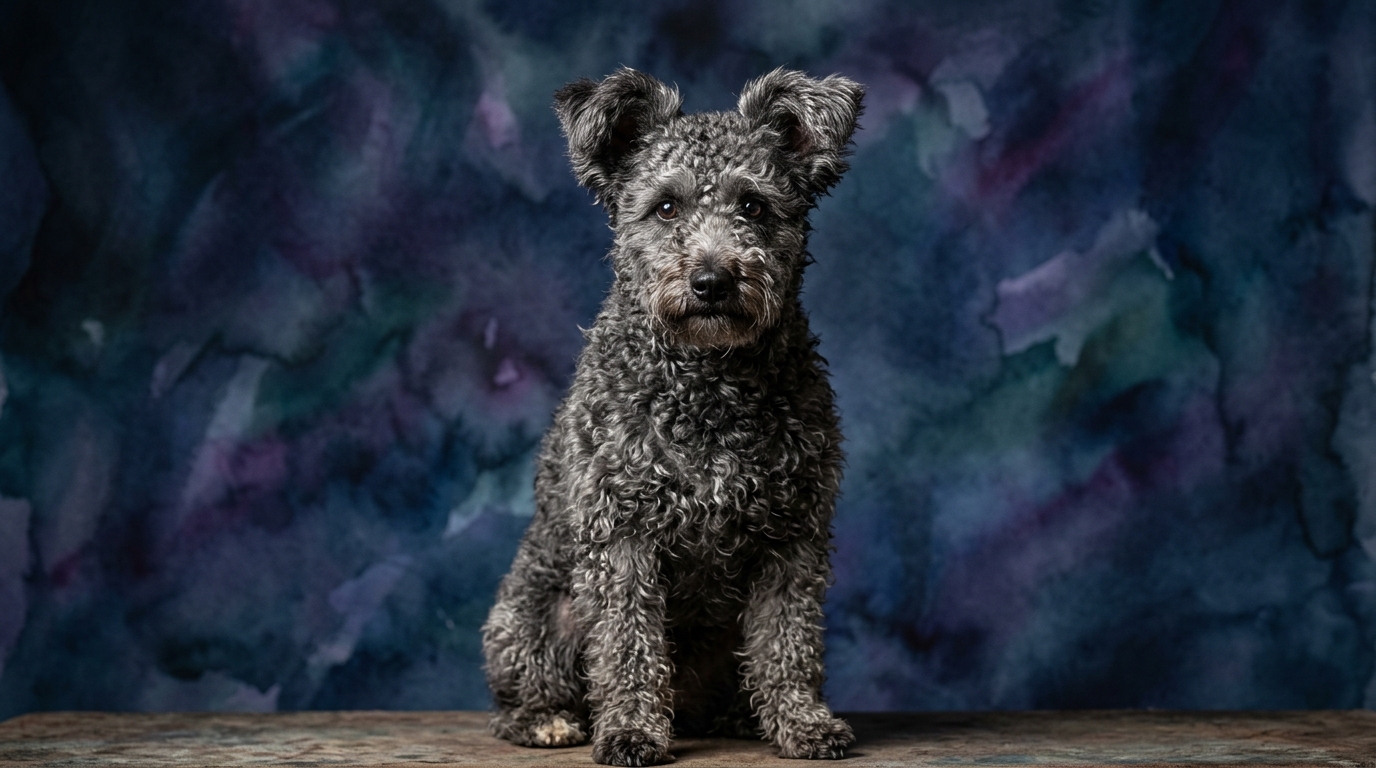
Side-by-Side Cognitive Profiles
The Cosmic Pet Pet IQ Lab assesses canine intelligence across five critical dimensions, and both the Swedish Vallhund and the Pumi register a consistent 3 out of 5 in each category. This rating indicates a moderate capability across the board, suggesting that neither breed is at the extreme ends of cognitive performance, but rather possesses a balanced set of intellectual tools.
For Problem Solving (3/5), both breeds demonstrate an average ability to navigate novel situations and figure out solutions independently. The Vallhund, with its robust farm dog background, often applies practical, methodical approaches, while the agile Pumi might exhibit quicker, more adaptive problem-solving, especially in dynamic environments. Training Speed (3/5) indicates that both breeds learn new commands and behaviors at a moderate pace, requiring consistent reinforcement and clear communication to solidify new skills.
Social Intelligence (3/5) reflects their capacity to understand and respond to human cues and social dynamics. Vallhunds tend to be amiable and integrated family members, interpreting household routines and emotional states with reasonable accuracy. Pumis, while devoted to their families, can be more discerning with strangers, suggesting a social intelligence that includes a strong protective awareness. Instinctive Drive (3/5) highlights their inherent working tendencies. The Vallhund’s drive is primarily rooted in its ancient herding style, characterized by low-to-the-ground maneuvering and heel-nipping. The Pumi, conversely, possesses a broader herding and guarding instinct, often manifesting as vigilant observation and a desire to gather and control. Finally, Memory (3/5) suggests both breeds retain learned information and recall past experiences with moderate proficiency, making routines and consistent training beneficial for long-term retention.
Where the Swedish Vallhund Excels Cognitively
Despite identical scores, the Swedish Vallhund often demonstrates a cognitive strength in practical, consistent application of its intelligence, particularly in structured environments. Their problem-solving (3/5) leans towards methodical resolution, likely a remnant of their centuries-old role as all-around farm dogs navigating varied and sometimes challenging terrains. This manifests as a steady persistence when faced with a task, rather than impulsive experimentation.
Their social intelligence (3/5) often shines in their seamless integration into family life, displaying an understanding of household routines and a calm acceptance of their role within the human pack. This isn't about flashy interpretation of complex emotions, but rather a reliable ability to follow established rules and anticipate daily events. Furthermore, their instinctive drive (3/5) for herding, while moderate, is typically focused and predictable, making their natural tendencies easier to channel into structured activities or simply understanding their desire to 'organize' family members.
Where the Pumi Excels Cognitively
The Pumi, while sharing the same cognitive ratings, often exhibits an edge in adaptive and reactive intelligence, a reflection of its role as an agile, vigilant herder and farm guardian. Their problem-solving (3/5) is frequently characterized by quick assessments and flexible responses, particularly in fast-paced or novel situations, such as navigating a complex agility course or reacting to unexpected changes in their environment. This quick-wittedness allows them to adapt rapidly to new challenges.
Their social intelligence (3/5) often manifests as a heightened awareness of their surroundings and a nuanced ability to differentiate between familiar and unfamiliar, making them excellent, albeit sometimes vocal, watchdogs. They tend to form very strong bonds with their primary caregivers, showing a deep attunement to those individuals. The Pumi's instinctive drive (3/5) is notably versatile, encompassing not just herding but also a pronounced guarding and vermin control instinct, indicating a broader application of their cognitive attention and focus across different stimuli and tasks.
Training Ease: Vallhund vs. Pumi
Given their identical Training Speed scores (3/5), neither breed is inherently 'easy' in the sense of requiring minimal effort, but their training challenges and rewards differ significantly based on their behavioral predispositions. The Swedish Vallhund, while capable of learning at a moderate pace, can exhibit an independent streak, a legacy of their farm dog heritage where they often had to make decisions autonomously. This might require a trainer to be exceptionally patient and creative with motivation, as simple repetition might lead to boredom or stubbornness. They respond best to positive reinforcement and clear, consistent boundaries.
The Pumi, despite the same training speed rating, often presents a different set of considerations. They are generally eager to please and thrive on engagement, which can make them enthusiastic learners. However, their high energy and inherent vigilance can also lead to easy overstimulation or a propensity for barking, which can be perceived as a training hurdle. Their sensitivity means they require gentle, consistent handling and early, thorough socialization to prevent reactivity. While both learn at a moderate pace, the Pumi might demand more varied mental stimulation to prevent boredom-induced behaviors, potentially making them seem 'quicker' to pick up new, exciting tasks, but also more prone to distractions if not adequately engaged.
Lifestyle Match: Active vs. Relaxed Owners
When considering an owner's lifestyle, the differences between these two breeds become more pronounced, despite their shared cognitive scores. The Swedish Vallhund, while an active and robust dog, can often adapt to a moderately active household, provided they receive consistent daily exercise and mental engagement. They enjoy outdoor adventures but are also content to settle down indoors, especially after a good walk or training session. Their energy levels are manageable for owners who enjoy regular walks, some playtime, and consistent training without needing to be constantly on the go for hours each day.
The Pumi, on the other hand, is unequivocally suited for highly active owners. This breed possesses boundless energy and a profound need for both physical exertion and extensive mental stimulation. Pumis thrive in environments where they can participate in dog sports like agility, flyball, or advanced obedience, or accompany owners on long hikes, runs, or bike rides. A Pumi with insufficient outlets for its energy and intellect is likely to become bored, anxious, and potentially destructive. Therefore, owners seeking a relaxed, low-key companion would find the Pumi's demands overwhelming, whereas the Vallhund offers a more balanced activity level.
The Verdict
Choose the Swedish Vallhund if you appreciate a sturdy, adaptable companion with a practical intelligence, capable of integrating smoothly into a moderately active family lifestyle and valuing consistency.
Opt for the Pumi if you are a highly active owner seeking an agile, quick-witted partner for dog sports or extensive outdoor adventures, who thrives on constant mental and physical engagement.
🧠 Find Your Pet's IQ Score
Our Pet IQ Lab assessment covers 25+ tests across 5 cognitive dimensions — personalized to your breed.
Take the Full IQ Test →Frequently Asked Questions
Do Swedish Vallhunds and Pumis have the same intelligence?
According to The Cosmic Pet Pet IQ Lab, both breeds score 3 out of 5 across all five cognitive dimensions, indicating a moderate level of intelligence. While their numerical scores are identical, their historical roles and temperaments lead to different manifestations of these cognitive abilities.
Which breed is better for first-time dog owners?
The Swedish Vallhund might be a more suitable choice for first-time dog owners due to its generally more manageable energy levels and adaptable nature. The Pumi's intense energy, strong drive, and need for extensive mental stimulation can be challenging for those new to dog ownership.
Are these breeds good with children?
Both breeds can be good with children, especially when raised with them and properly socialized. Swedish Vallhunds are often described as sturdy and patient family dogs, while Pumis are devoted to their family but their high energy and herding instincts mean interactions should always be supervised to prevent accidental nipping or overly enthusiastic herding attempts.