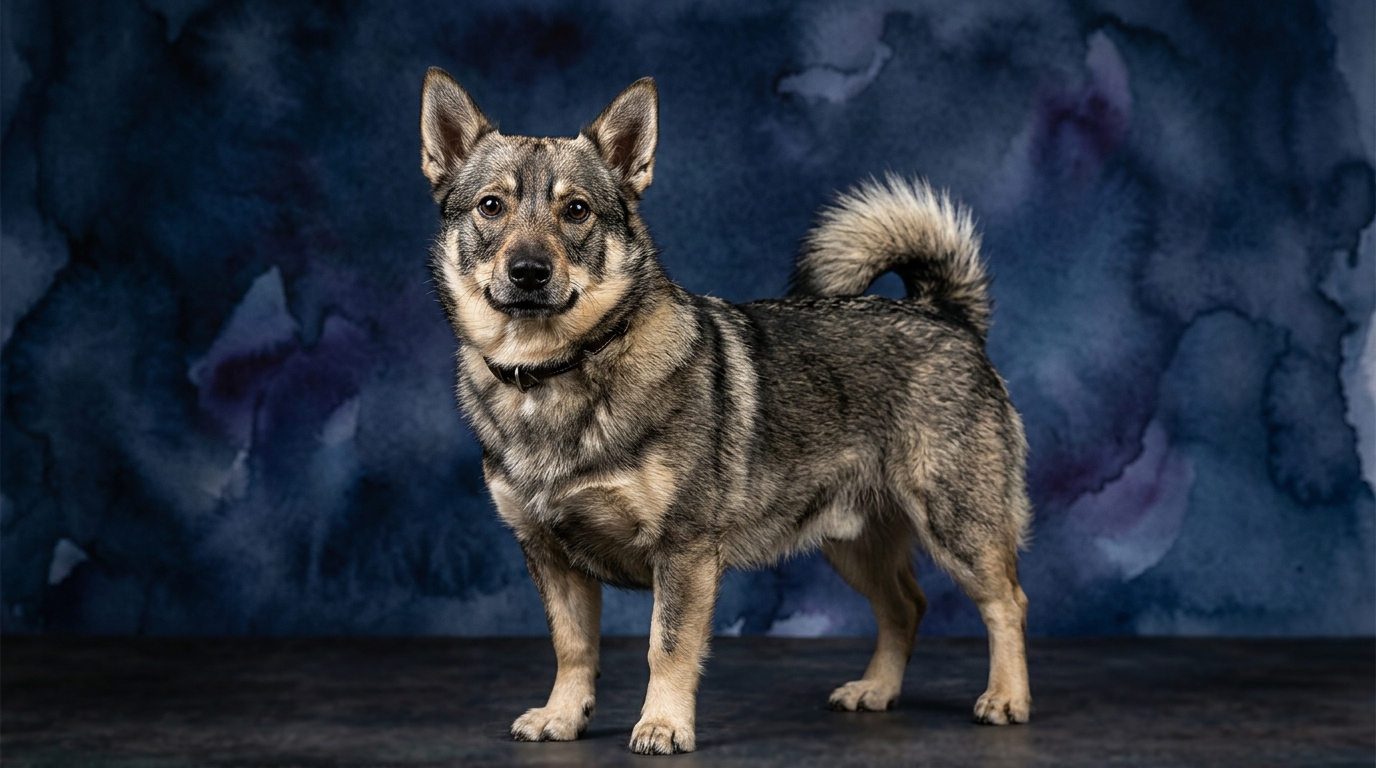
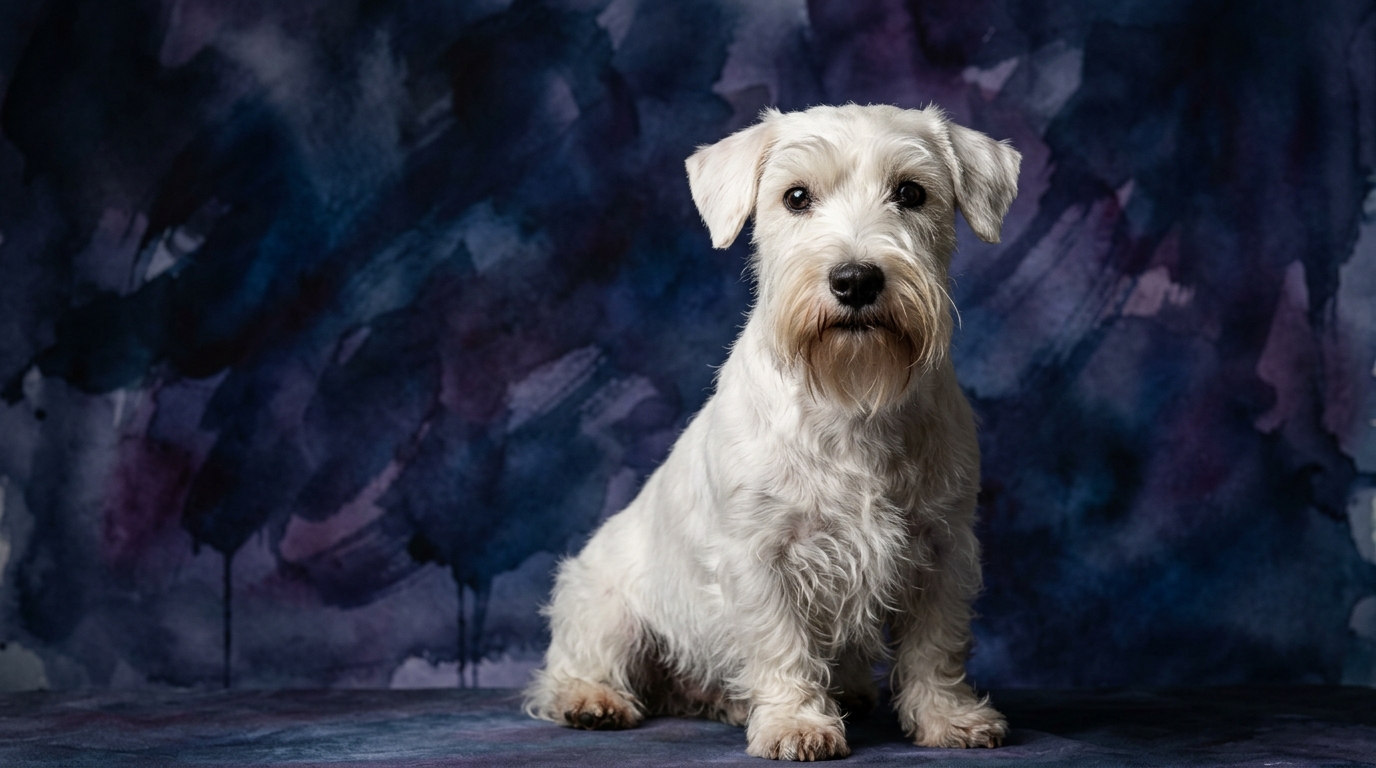
Side-by-Side IQ Profile: Unpacking Identical Scores
Both breeds register a 3/5 in problem-solving, yet their approaches diverge significantly. The Swedish Vallhund demonstrates this by strategically maneuvering livestock, anticipating movements, and finding efficient herding paths, showcasing spatial awareness and an understanding of group dynamics. The Sealyham Terrier, with the same score, applies its problem-solving to tenacious pursuit, navigating complex underground tunnels or overcoming obstacles to reach quarry, often through determined, direct, and persistent methods.
A 3/5 training speed means both learn at a moderate pace, but their motivations differ. The Vallhund is generally eager to cooperate, making them receptive to consistent positive reinforcement and clear commands essential for herding or obedience. The Sealyham Terrier, while equally capable of learning, often exhibits an independent terrier spirit, requiring more engaging, varied motivation and a trainer who respects their drive to work on their own terms.
Both breeds score 3/5 in social intelligence, but express it uniquely. The Swedish Vallhund shows this through close partnership with humans, interpreting cues, and adapting behavior within a social group, often forming strong, attuned family bonds. The Sealyham Terrier displays its social acumen through discerning interactions, showing loyalty and affection to its chosen people, yet often engaging on its own terms, demonstrating understanding through selective, strong attachments rather than universal gregariousness.
The 3/5 instinctive drive is a powerful force for both, but channeled differently. For the Vallhund, it's a strong herding urge to gather and control, potentially manifesting as "herding" family members with nips at heels and a keen eye for movement. The Sealyham Terrier's 3/5 drive is dominated by its prey drive, resulting in a powerful urge to dig, investigate scents, and pursue small animals, fulfilling its deep-seated purpose as a vermin hunter.
Both breeds possess a 3/5 memory, but its application is context-specific. The Swedish Vallhund's memory excels in recalling complex herding patterns, routes, and a wide repertoire of handler commands, often remembering specific livestock behaviors. The Sealyham Terrier's memory is robust for scent trails, the location of prime digging spots, and learned routines that lead to a rewarding chase or game, recalling past successes in their "hunting" endeavors.
Where the Swedish Vallhund Wins Cognitively
The Swedish Vallhund excels in dynamic, cooperative problem-solving within an open environment. Their cognitive edge lies in their ability to process multiple variables simultaneously – livestock movement, handler commands, environmental changes – and make adaptive decisions to achieve a collective goal. Their herding background has honed a sophisticated spatial reasoning, allowing them to anticipate and manipulate group behavior. This breed demonstrates a proactive intelligence, often initiating actions based on their understanding of a situation rather than merely reacting, making them adept at tasks requiring foresight and strategic planning.
Where the Sealyham Terrier Wins Cognitively
The Sealyham Terrier's cognitive strengths are rooted in unwavering determination and independent, focused problem-solving. While the Vallhund thinks broadly, the Sealyham excels at deep, persistent investigation. Their cognitive win lies in their single-minded pursuit of a task, often involving sensory discrimination (scent, sound) and relentless physical effort to overcome obstacles. This breed possesses an extraordinary capacity for sustained focus on a specific objective, such as tracking a scent or methodically digging. Their problem-solving is often characterized by trial and error, coupled with a refusal to give up, which is a specific form of tenacity-driven intelligence.
Which is Easier to Train and Why
When considering ease of training, the Swedish Vallhund generally presents a more straightforward path. Their herding heritage instilled a strong desire to work in partnership with humans, making them naturally more biddable and responsive to direction. Their 3/5 training speed is often amplified by their inherent willingness to please and their ability to quickly grasp the cause-and-effect of their actions in relation to a handler's cues. They thrive on clear, consistent communication and positive reinforcement. The Sealyham Terrier, while equally capable of learning with a 3/5 training speed, can be more challenging due to their independent and often stubborn terrier temperament. Their drive to work autonomously means they may question commands or prefer to follow their own instincts, particularly if a task conflicts with their prey drive. Training a Sealyham requires exceptional patience, creativity to make learning highly engaging, and a consistent understanding that their compliance is often earned through mutual respect and clear motivation, rather than inherent eagerness to please.
Which Suits Active Owners vs. Relaxed Owners
The Swedish Vallhund is better suited for active owners who can provide consistent mental and physical engagement. Their 3/5 instinctive drive, rooted in herding, demands outlets such as dog sports like agility, obedience, or even actual herding trials. They thrive with owners who enjoy structured activities, long walks, and interactive play that stimulates their strategic thinking. A Vallhund needs a "job" to do, and without it, their cognitive and physical energy can lead to boredom and destructive behaviors. Conversely, the Sealyham Terrier can be a good fit for owners who appreciate a dog with a playful spirit but are not necessarily seeking a canine athlete for competitive dog sports. While they need regular exercise and mental stimulation – daily walks, scent games, and engaging playtime are crucial – their 3/5 instinctive drive translates more into bursts of energetic exploration and independent "hunting" games like digging or toy retrieval, rather than sustained, directed work. A relaxed owner for a Sealyham is one who enjoys consistent, moderate activity and can provide engaging mental challenges in shorter, focused sessions, followed by plenty of downtime for cuddles.
The Verdict
Choose a Swedish Vallhund if you seek a cooperative, intelligent partner for structured activities and dog sports, valuing a dog that actively participates in problem-solving alongside you and thrives on consistent mental and physical challenges.
Opt for a Sealyham Terrier if you appreciate a determined, independent companion with a spirited personality and a strong sense of loyalty, willing to engage in playful bursts of activity and independent exploration, then settle down for affectionate companionship.
🧠 Find Your Pet's IQ Score
Our Pet IQ Lab assessment covers 25+ tests across 5 cognitive dimensions — personalized to your breed.
Take the Full IQ Test →Frequently Asked Questions
Do identical IQ scores mean these breeds are equally suited for all tasks?
No, identical IQ scores indicate similar cognitive potential, but the application of that intelligence is deeply influenced by breed purpose and instincts. A Vallhund's problem-solving excels in herding, while a Sealyham's shines in tenacious, independent pursuit.
How do their instinctive drives impact their behavior at home?
A Vallhund's herding drive (3/5) might lead to "nipping" at heels to gather family members or other pets, while a Sealyham's prey drive (3/5) can manifest as an intense urge to dig in the yard or relentlessly pursue small critters and toys.
Which breed is generally better for first-time dog owners?
The Swedish Vallhund's natural biddability and desire to please often make them a more forgiving choice for first-time owners willing to commit to regular training and activity. The Sealyham's independent nature requires a more patient and experienced hand to manage their terrier tenacity effectively.