Side-by-Side IQ Profile: Unpacking the 3/5 Score
While both the Tibetan Mastiff and the Bluetick Coonhound register a consistent 3/5 across all five of our core cognitive dimensions, the *manifestation* of this score is profoundly shaped by their breed's evolutionary purpose and inherent drives. It’s not about who possesses more raw cognitive power, but how that power is directed and utilized in their unique worlds. Understanding these nuances is key to appreciating their individual brilliance.
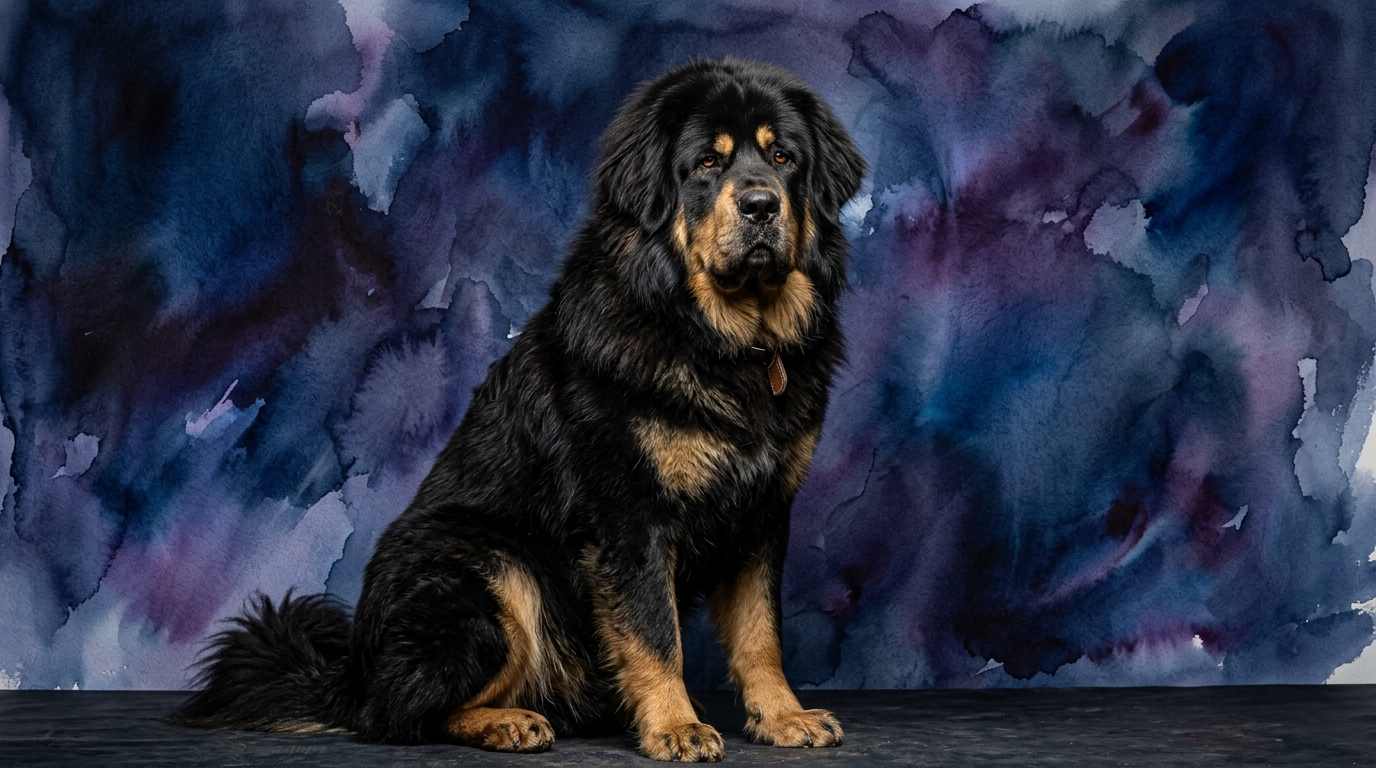
The **Tibetan Mastiff**, a formidable guardian from the Himalayan plateaus, displays its cognitive strengths through a lens of independence and protection. Its *Problem Solving (3/5)* is typically applied to assessing environmental changes, discerning potential threats, and making autonomous decisions regarding territory and family safety, often without direct human command. This isn't about solving puzzles for treats, but about strategic threat evaluation. Its *Training Speed (3/5)* reflects a capacity to learn, but also a self-reliant nature; they process commands and often weigh them against their own internal sense of duty. For a Tibetan Mastiff, a command is often a suggestion to be considered. *Social Intelligence (3/5)* in this breed is characterized by deep loyalty to its immediate family, coupled with a reserved and discerning approach to strangers. They are acutely aware of their 'pack' dynamics and the subtle cues of their human companions, but their social circle is tightly guarded. Their *Instinctive Drive (3/5)* is overwhelmingly geared towards guardianship and territorial defense, a powerful, innate urge that underpins much of their cognitive focus. Finally, their *Memory (3/5)* is robust for recalling individuals (who is friend, who is foe), established routines, and the boundaries of their protected space, retaining these critical details over long periods.
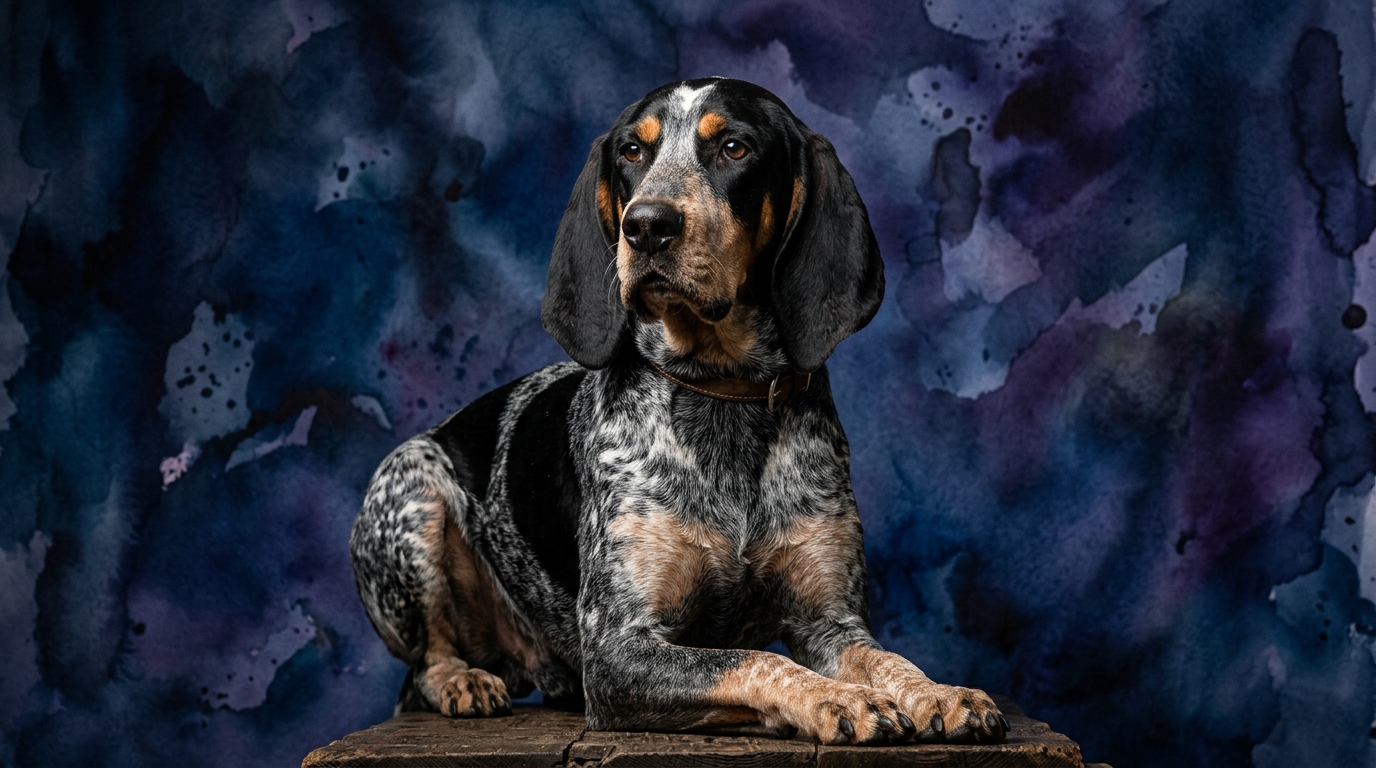
In contrast, the **Bluetick Coonhound**, a tireless hunter with a distinctive bay, channels its cognitive abilities through a world of scent and pursuit. Its *Problem Solving (3/5)* is specialized and highly effective in navigating complex terrain, overcoming obstacles, and meticulously following intricate scent trails, often for hours on end. This involves intricate spatial reasoning and an ability to 'read' the environment through odor. The Bluetick's *Training Speed (3/5)* can be surprisingly quick for tasks directly related to its natural drives, especially tracking and scent work, and when motivated by rewards. However, its intense focus on scent can make recall challenging if a compelling trail presents itself. *Social Intelligence (3/5)* for the Bluetick often manifests as a strong pack mentality; they thrive on companionship, whether human or canine, and exhibit cooperative behaviors in a hunting context. They are generally affable and enjoy being part of a family unit, understanding social cues within that structure. Their *Instinctive Drive (3/5)* is profoundly centered on scent work, tracking, and the pursuit of quarry. This drive is so powerful that it can override other considerations, making it the primary motivator for their cognitive engagement. Their *Memory (3/5)* is exceptional for retaining scent profiles, recalling specific odors, and mentally mapping the intricate routes they've traversed while tracking, demonstrating a remarkable capacity for olfactory and spatial recall.
Where the Tibetan Mastiff Wins Cognitively
The Tibetan Mastiff truly shines in areas demanding independent judgment and a deep understanding of security. Their cognitive edge lies in their ability to autonomously assess and respond to perceived threats within their territory. This means they excel at making complex decisions about who belongs and who doesn't, often without needing explicit instruction. Their problem-solving isn't about obedience, but about strategic vigilance, allowing them to act as self-appointed sentinels. Their social intelligence, while selective, enables them to form incredibly strong, discerning bonds, understanding the subtle emotional states of their core family members and acting as a steadfast, protective presence.
Where the Bluetick Coonhound Wins Cognitively
Conversely, the Bluetick Coonhound's cognitive strengths are unparalleled in the realm of specialized sensory processing and persistent pursuit. Their ability to dissect and follow a scent trail, often hours old and across varied, challenging landscapes, demonstrates a form of problem-solving that is deeply rooted in their olfactory capabilities. This involves incredible focus, endurance, and an intuitive understanding of environmental factors that influence scent. Their memory for scent details and routes is a testament to their specialized intelligence, allowing them to 'map' a complex olfactory world. Furthermore, their social intelligence often translates into effective cooperative efforts, making them excellent partners in tasks that require sustained teamwork, particularly in their traditional hunting roles.
Which Is Easier to Train and Why
Despite both breeds scoring 3/5 for training speed, the *approach* to training and the *ease* of achieving consistent results differ significantly due to their inherent behavioral patterns. The Tibetan Mastiff, with its independent and guardian instincts, often perceives commands as suggestions rather than absolute directives. Training requires immense patience, consistency, and a deep understanding of their self-reliant nature; force or harsh methods are counterproductive and can lead to resistance. Their 'training speed' means they *can* learn, but their motivation is often tied to their own perceived purpose, not necessarily pleasing a handler, making them slower to respond to rote obedience. They require a confident, respectful leader who can articulate expectations clearly and consistently, rather than a taskmaster.
The Bluetick Coonhound, while capable of learning quickly, presents a different set of training challenges primarily stemming from its overwhelming scent drive. If a compelling scent is present, their focus on a command can vanish as their instinctive drive takes over. While they can be highly food or toy motivated, especially with items related to their prey drive, consistent recall in an open, scent-rich environment is a lifelong training endeavor. Their 'training speed' is high for tasks that align with their natural instincts, but their predisposition to follow their nose means trainers must be adept at managing distractions and making training highly engaging to compete with the allure of a scent trail.
Which Suits Active Owners vs. Relaxed Owners
The **Tibetan Mastiff** is generally better suited for owners who might be described as 'relaxed' in terms of high-intensity physical activity, but 'active' in terms of consistent mental engagement and dedicated territory management. While they need regular exercise to stay healthy, they are not typically high-energy dogs that demand hours of running daily. Instead, their cognitive needs revolve around purposeful patrolling of their domain and discerning interactions. They thrive with owners who understand their independent nature and can provide consistent, calm leadership and a secure environment where their guardian instincts can be appropriately channeled, rather than suppressed. Their ideal owner appreciates a dog that thinks for itself.
The **Bluetick Coonhound**, on the other hand, unequivocally requires an 'active' owner who can provide substantial physical and mental stimulation, primarily through scent work and vigorous exercise. Their innate drive to track means they need outlets for their energy and their nose, whether through structured scent games, long hikes, or participation in dog sports like tracking or agility. A Bluetick left without sufficient activity will likely become bored and destructive, channeling its cognitive energy into undesirable behaviors. They are perfect companions for owners who enjoy spending significant time outdoors and can integrate their dog's powerful instincts into their daily routine.
The Verdict
Choose the Tibetan Mastiff if you seek an independent, discerning guardian who thrives on thoughtful territorial oversight and a deep, selective loyalty, and you are prepared for a dog that consistently evaluates your commands.
Opt for the Bluetick Coonhound if you are an active individual or family eager to engage with a dog whose specialized scent-driven intelligence and relentless pursuit make them an enthusiastic partner for outdoor adventures and scent-based activities.
🧠 Find Your Pet's IQ Score
Our Pet IQ Lab assessment covers 25+ tests across 5 cognitive dimensions — personalized to your breed.
Take the Full IQ Test →Frequently Asked Questions
Do Tibetan Mastiffs make good family pets?
Yes, Tibetan Mastiffs can be excellent family pets, forming deep bonds with their immediate human 'pack.' However, their guardian instincts mean they require early and consistent socialization, along with clear boundaries, to ensure they distinguish between welcome visitors and perceived threats, making them better suited for experienced dog owners.
How much exercise does a Bluetick Coonhound need daily?
Bluetick Coonhounds need significant daily exercise, typically at least one to two hours of vigorous activity, including opportunities for off-leash running and engaging their powerful nose. Without adequate mental and physical stimulation, they can become restless and prone to destructive behaviors or excessive baying.
Are these breeds suitable for first-time dog owners?
Neither the Tibetan Mastiff nor the Bluetick Coonhound is generally recommended for first-time dog owners. Both breeds possess strong instincts and independent temperaments that require experienced handling, consistent training, and a deep understanding of their unique cognitive and behavioral needs to ensure a harmonious relationship.