A Side-by-Side Look at Cognitive Profiles
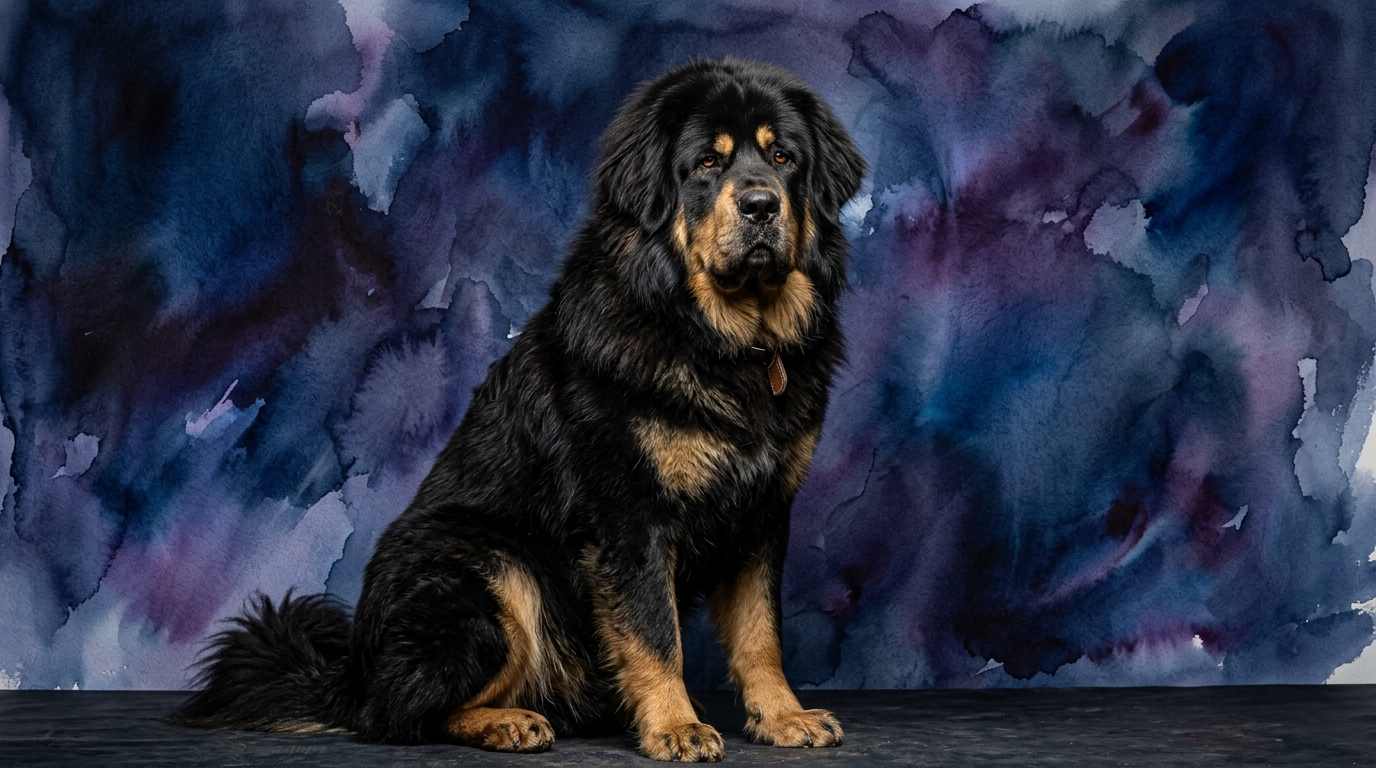
Delving into the cognitive makeup of the Tibetan Mastiff reveals a mind geared towards independent guardianship. Their problem-solving capabilities are fundamentally practical, less about intricate puzzles and more about discerning real-world threats and territorial nuances. Training speed for a Tibetan Mastiff is steady; they grasp commands, but their strong will means compliance often hinges on perceived purpose and respect for their handler, rather than reflexive obedience. Social intelligence manifests as deep loyalty to their inner circle, coupled with a reserved, observant approach to strangers, reading intentions with a cautious eye. Their instinctive drive is profoundly territorial and protective, a self-directed compulsion to patrol and safeguard. Finally, their memory is robust, retaining lessons, boundaries, and perceptions of individuals, both positive and negative, over long periods.
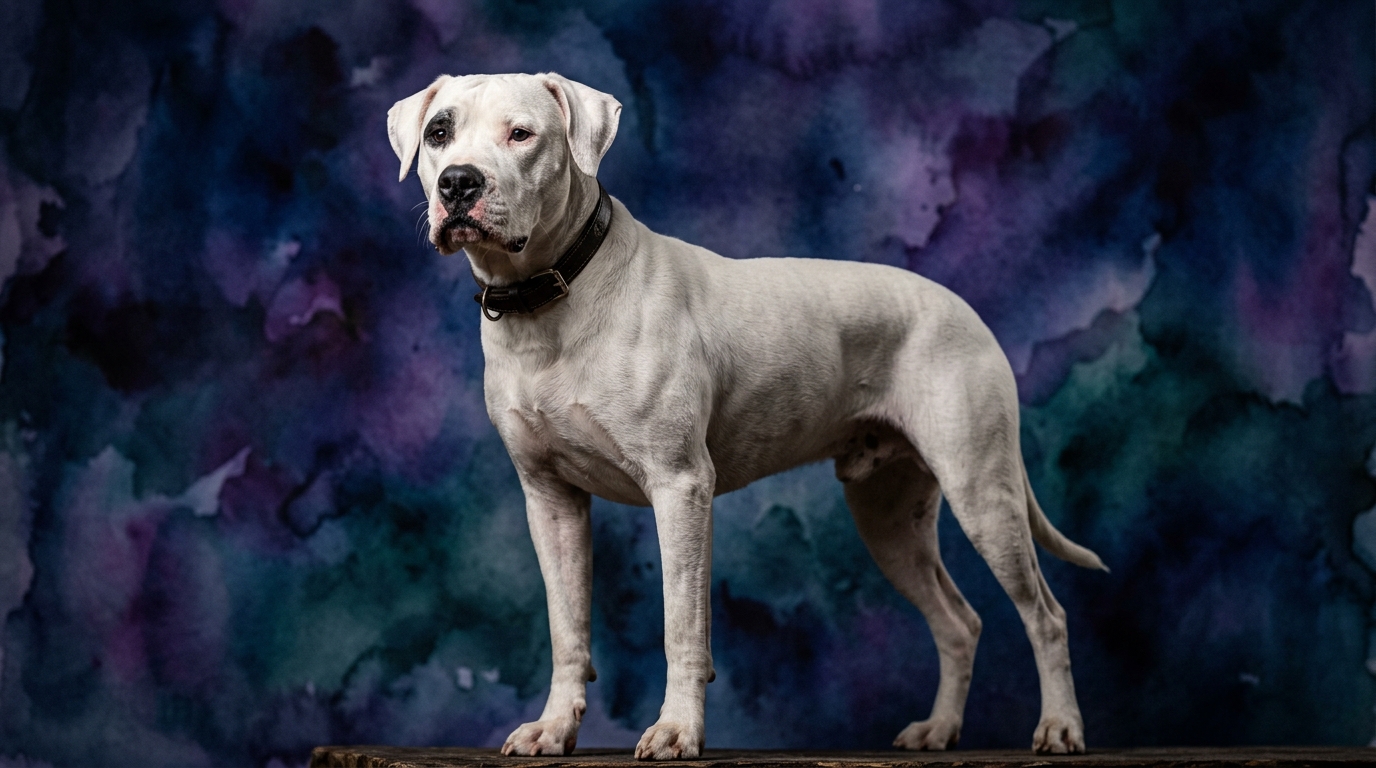
The Dogo Argentino, in contrast, presents a cognitive profile sculpted for focused, collaborative work. Their problem-solving is also practical, excelling at overcoming physical obstacles to achieve a defined goal, like tracking or navigating varied terrain during a hunt. When it comes to training speed, Dogos are capable learners, especially when a strong bond with their handler is established and lessons are clear and consistent. Their social intelligence is evident in their deep connection to their human family, often attuned to their moods and eager to engage in shared activities. The Dogo's instinctive drive is powerfully oriented towards hunting and working, manifesting as sustained focus and determination in pursuit of a task. Their memory serves them well in recalling commands, complex routines, and scent trails, contributing to their efficacy in demanding roles.
Where the Tibetan Mastiff Shines Cognitively
The Tibetan Mastiff truly excels in autonomous decision-making for guardianship. Their capacity for problem-solving is uniquely tailored to evaluating potential dangers within their domain without constant human direction. This isn't about solving an abstract puzzle; it's about making nuanced judgments on who belongs and who doesn't, often opting for a watchful, deterrent presence over direct confrontation. This cognitive strength allows them to be highly effective, self-reliant protectors.
Furthermore, their environmental awareness and memory for territory are exceptional. Their robust memory and inherent guarding drive combine to create an intricate mental map of their surroundings. They notice subtle changes, new scents, or unusual sounds within their perceived domain, acting as a living, breathing surveillance system that picks up discrepancies often missed by human observers. This deep understanding of their environment is a hallmark of their cognitive prowess.
Where the Dogo Argentino Excels Cognitively
The Dogo Argentino's cognitive strengths are particularly evident in focused task execution and the channeling of their intense drive. Their problem-solving abilities are geared towards overcoming physical challenges to achieve a specific objective, making them incredibly persistent. Their powerful instinctive drive acts as an engine for this, allowing them to maintain intense concentration on a scent trail or a designated task for extended durations, proving themselves as tenacious partners in demanding activities.
Moreover, Dogos demonstrate a significant advantage in handler-oriented engagement for work. While possessing independence, their social intelligence often translates into a strong desire to collaborate with their human companion. Once a bond is forged, they are more receptive to intricate commands and joint problem-solving efforts within a working context. This willingness to engage as a team, channeling their natural drive, makes them highly responsive and effective partners for goal-oriented tasks.
Navigating Training: Independence vs. Collaboration
When considering ease of training, both breeds require a dedicated approach, yet their underlying motivations differ. Training a Tibetan Mastiff often feels akin to a negotiation. Their independent problem-solving and self-directed guardian instincts mean they consistently evaluate commands based on their own perceived utility or impact on their domain. They are not inherently driven by a desire to please in the conventional sense; instead, they comply when they understand the rationale or deeply respect the handler's established leadership. This requires immense patience, unwavering consistency, and a profound appreciation for their unique, often deliberate, cognitive process.
The Dogo Argentino, while also independent and possessing a strong will, generally approaches training with a more collaborative spirit. Their social intelligence often fosters a desire to work alongside and satisfy their trusted human, which can make them more receptive to structured training sessions. They are powerful and can be strong-willed, but their willingness to engage in tasks *with* their owner, especially activities that tap into their prey drive like tracking or retrieving, often makes them feel more amenable to direction. Success with a Dogo hinges on clear boundaries, consistent motivation, and effectively channeling their innate drives.
Matching Canine Cognition to Lifestyle
For owners with a relaxed lifestyle, the Tibetan Mastiff might seem like a suitable choice due to their often calm demeanor indoors. However, this tranquility is often a reflection of their vigilant observation rather than idleness. They are not suited for highly active sporting companions but require owners who understand their need for a secure, observed domain and who can manage their independent decision-making process. Their cognitive wiring demands mental engagement focused on their guardian role, even if their physical activity is moderate.
Conversely, the Dogo Argentino is inherently suited for active owners. Their instinctive drive and problem-solving capabilities are geared towards vigorous physical and mental engagement. They thrive with owners who can provide consistent, demanding exercise and structured mental stimulation through activities such as scent work, extensive hiking, or even competitive dog sports. A more relaxed owner who cannot consistently meet these high demands will likely find themselves with a Dogo Argentino prone to frustration or destructive behaviors, as their cognitive and physical needs are not being adequately met.
The Verdict
Choose the Tibetan Mastiff if you seek an independent, self-reliant guardian with a profound sense of territory, and are prepared for a deliberate, negotiation-style training journey that respects their inherent autonomy.
Opt for the Dogo Argentino if you are an active owner desiring a powerful, loyal working companion eager to engage in demanding physical and mental tasks, and are adept at channeling a strong prey drive into productive pursuits.
🧠 Find Your Pet's IQ Score
Our Pet IQ Lab assessment covers 25+ tests across 5 cognitive dimensions — personalized to your breed.
Take the Full IQ Test →Frequently Asked Questions
Are Tibetan Mastiffs good family dogs?
Yes, with their chosen family, Tibetan Mastiffs are fiercely loyal and protective, often displaying a surprisingly gentle demeanor towards children within their inner circle. However, their guardian instincts require careful socialization and consistent management, especially concerning interactions with strangers.
Do Dogo Argentinos get along with other pets?
Due to their strong prey drive and history as a hunting breed, Dogo Argentinos often require very careful and early socialization if they are to live peacefully with other smaller pets. While they can coexist with other dogs, particularly when raised together, all interactions need consistent supervision and management.
What kind of mental stimulation do these breeds need?
Tibetan Mastiffs benefit from 'thinking' tasks related to their guarding role, such as observing their territory and making independent decisions, alongside enrichment that allows them to explore and patrol their domain. Dogo Argentinos thrive on activities that engage their strong drive, such as scent work, tracking, or complex obedience tasks that provide a clear objective and sustained focus.