
Side-by-Side IQ Profile: Guardians vs. Gundogs
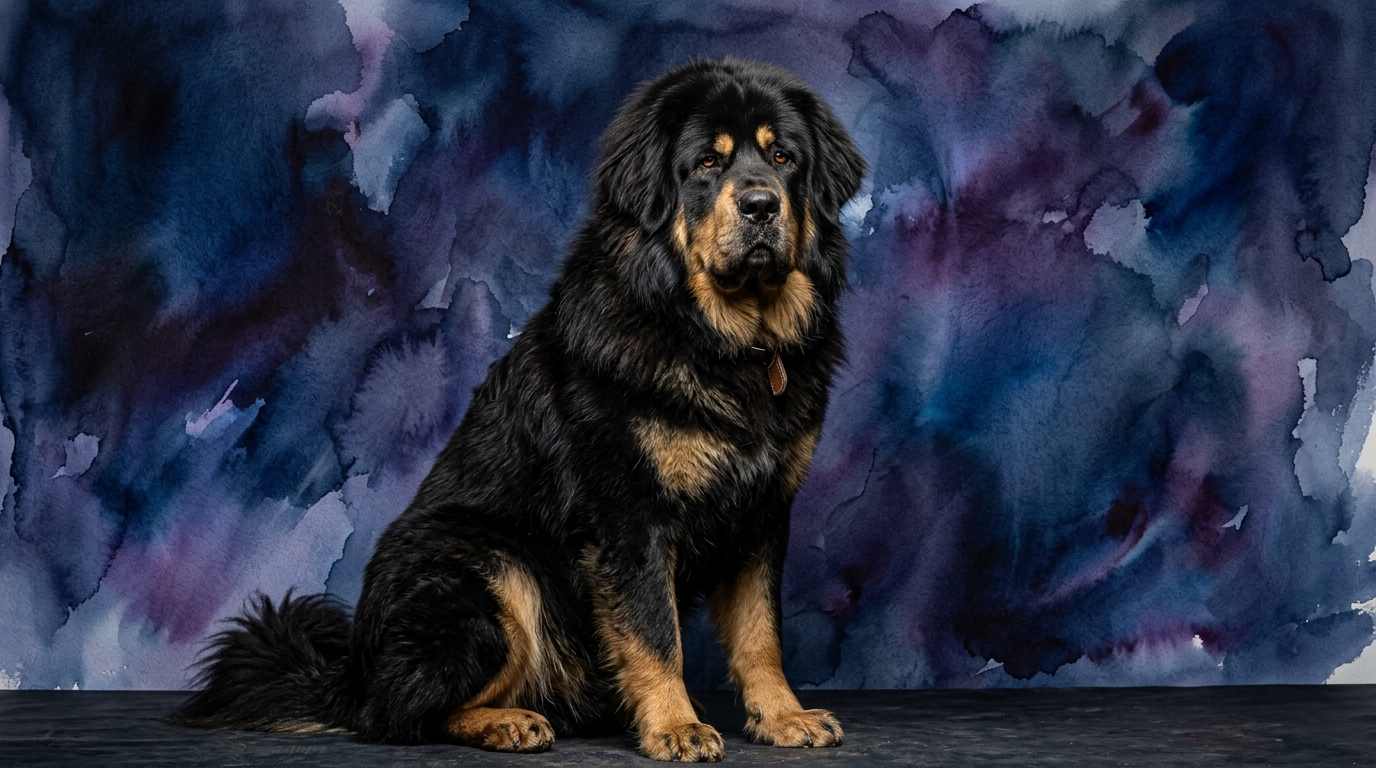
The Cosmic Pet Pet IQ Lab provides a nuanced look at canine intelligence across five dimensions, and applying this framework to the Tibetan Mastiff and English Cocker Spaniel highlights their divergent cognitive blueprints. The Tibetan Mastiff, a dog of the Working group, is not Coren-ranked, reflecting its independent nature and historical role as a livestock guardian, often operating without direct human command. Its IQ profile shows Problem Solving at 3/5, Training Speed at 3/5, Social Intelligence at 3/5, Instinctive Drive at 3/5, and Memory also at 3/5. These scores suggest a self-reliant thinker with a moderate pace for learning and social engagement, driven by an inherent guarding instinct.
In contrast, the English Cocker Spaniel, a member of the Sporting group, holds a respectable Coren rank of #18, indicating a breed that excels in obedience and adaptive working intelligence. Its IQ profile reveals Problem Solving at 4/5, Training Speed at 4/5, Social Intelligence at 3/5, Instinctive Drive at 3/5, and an impressive Memory at 5/5. These metrics paint a picture of an eager, quick-witted companion, adept at solving challenges and retaining information, while sharing a similar level of social engagement and instinctive drive with the Mastiff, though geared towards different tasks.
A direct comparison shows the English Cocker Spaniel outperforming the Tibetan Mastiff in Problem Solving, Training Speed, and significantly in Memory. Both breeds share the same score for Social Intelligence and Instinctive Drive, but the context of these drives differs; for the Mastiff, it's territorial protection, for the Spaniel, it's scent work and retrieving. The Spaniel's higher scores across key cognitive functions suggest a more amenable and adaptive learner, while the Mastiff's consistent 3/5 scores across the board point to a more specialized, independent intelligence, less geared towards human-directed tasks but highly effective in its traditional role.
Where the Tibetan Mastiff Excels Cognitively
While the Tibetan Mastiff's IQ scores may not reach the heights of some other breeds in conventional metrics, its cognitive strengths lie in areas crucial for its millennia-old role: independent decision-making and self-sufficient vigilance. Its 3/5 in Problem Solving signifies an ability to assess and react to threats within its territory without constant human oversight. This isn't about solving puzzles for treats, but rather discerning potential dangers, strategizing how to deter intruders, and managing livestock, all with minimal instruction.
The Mastiff's 3/5 for Social Intelligence, rather than being a deficit, is a cognitive advantage for a guardian. It implies a discerning nature, not easily swayed by strangers or overly dependent on human approval for its actions. This breed forms deep bonds with its immediate family but maintains a reserved, watchful demeanor towards outsiders, a critical trait for a protector. Its moderate Instinctive Drive (3/5) is perfectly calibrated for a guardian – strong enough to act decisively when needed, but not so overwhelming as to be overly aggressive without cause. This drive is focused on territorial defense and family protection, requiring a keen situational awareness that is a hallmark of its intelligence.
Furthermore, the Tibetan Mastiff's 3/5 in Memory is often tied to its understanding of its domain and the routines within it. It remembers boundaries, safe zones, and who belongs, allowing it to patrol effectively and identify anomalies. This memory is less about recalling complex sequences of commands and more about spatial awareness and recognizing patterns pertinent to security, making it a highly effective, self-regulating guardian within its defined environment.
Where the English Cocker Spaniel Shows Cognitive Dominance
The English Cocker Spaniel's IQ profile shines in areas that underscore its aptitude as a dynamic working companion, particularly in Problem Solving, Training Speed, and Memory. Its 4/5 in Problem Solving indicates a keen ability to navigate challenges presented in training or fieldwork, such as figuring out how to retrieve an item from a tricky spot or following complex scent trails. This breed enjoys mental engagement and is adept at figuring out solutions within a structured context, often with human guidance.
A significant cognitive advantage for the English Cocker Spaniel is its 4/5 in Training Speed. This high score means the breed quickly grasps new commands and concepts, making them highly responsive to instruction. They are eager participants in learning, often showing enthusiasm for new tasks and deriving satisfaction from successful completion. This quick uptake is invaluable for field work, competitive obedience, or even simply integrating into a family routine with well-mannered behavior.
Perhaps the most striking cognitive strength of the English Cocker Spaniel is its exceptional Memory, rated at 5/5. This perfect score translates into an outstanding ability to recall commands, remember complex sequences of actions, and retain learned behaviors over long periods. For a gundog, this means remembering where fallen game landed, recalling multiple retrieve commands, or navigating intricate search patterns. In a home environment, it means excellent retention of house rules and routines, making them dependable and consistent companions once trained. Their memory allows for sophisticated training and a rich repertoire of learned skills.
Which is Easier to Train and Why
Based on their IQ profiles, the English Cocker Spaniel is unequivocally easier to train than the Tibetan Mastiff. The Spaniel's higher Training Speed (4/5) and superior Memory (5/5) are direct indicators of its responsiveness and ability to retain instructions. English Cocker Spaniels are typically eager to please their handlers, thrive on positive reinforcement, and enjoy the mental stimulation of learning new commands. Their background as working gundogs means they are bred to cooperate closely with humans, follow directions, and perform tasks with precision, making them excellent candidates for obedience, agility, and scent work.
In contrast, the Tibetan Mastiff's Training Speed of 3/5, coupled with its independent Problem Solving (3/5), means a different approach is required. Mastiffs are not inherently motivated by the desire to please in the same way a Spaniel is; they are thinkers who will weigh a command against their own judgment or instinct. This can manifest as what some perceive as stubbornness, but it is actually an expression of their self-reliant intelligence. Training a Mastiff requires immense patience, consistency, and a deep understanding of their guardian mindset, focusing on building respect rather than rote compliance. They learn, but at their own pace and often only if they perceive the command as logical or beneficial.
Real behavioral differences highlight this disparity: an English Cocker Spaniel will often look to its owner for guidance and cues, readily engaging in training sessions as a shared activity. A Tibetan Mastiff, on the other hand, might acknowledge a command but choose to execute it only if it aligns with its own assessment of the situation, especially in its home territory. Their primary drive is guardianship, not performing tricks or complex obedience routines, making them a more challenging but rewarding endeavor for experienced trainers who appreciate an independent mind.
Suitability for Active vs. Relaxed Owners
The choice between a Tibetan Mastiff and an English Cocker Spaniel also hinges significantly on an owner's lifestyle and expectations for canine companionship. The English Cocker Spaniel is an excellent fit for active owners who enjoy engaging in interactive activities, training, and outdoor adventures. Their 4/5 Problem Solving and 5/5 Memory mean they thrive on mental stimulation through games, obedience training, and sports like agility or scent work. They require regular exercise, not just a walk around the block, but opportunities to run, sniff, and retrieve. Owners who can commit to daily interactive play and consistent training will find the Spaniel a joyful, energetic, and highly participatory companion.
Conversely, the Tibetan Mastiff is better suited for owners who might be considered more 'relaxed' in terms of constant interaction, but highly dedicated in terms of management and understanding their unique needs. While they are large and require secure containment and proper socialization, their exercise needs are moderate compared to their size; they are not typically high-energy dogs that need to run for miles daily. Their 3/5 Social Intelligence means they are not constantly demanding attention but prefer to observe and patrol. They appreciate a calm, predictable environment and a steady routine. Owners must be prepared for their independent nature, strong territorial instincts, and the need for consistent, firm, but gentle leadership rather than expecting constant engagement or intricate obedience.
Therefore, an owner seeking a dog for hiking, competitive dog sports, or a constant playmate would find the English Cocker Spaniel a more natural fit. An owner who values a majestic, self-reliant guardian, is comfortable with a dog that values its independence, and can provide a secure, stable environment with appropriate boundaries, would likely appreciate the unique companionship offered by a Tibetan Mastiff. It's a question of whether one desires a partner for shared activities or a steadfast, independent protector.
The Verdict
Choose a Tibetan Mastiff if you seek an independent, majestic guardian who makes its own decisions and values a calm, self-reliant presence over constant interaction.
Opt for an English Cocker Spaniel if you desire an eager, highly trainable companion for active pursuits, competitive sports, and consistent, joyful engagement.
🧠 Find Your Pet's IQ Score
Our Pet IQ Lab assessment covers 25+ tests across 5 cognitive dimensions — personalized to your breed.
Take the Full IQ Test →Frequently Asked Questions
How does the Tibetan Mastiff's independence affect its training?
The Tibetan Mastiff's 3/5 Problem Solving and Training Speed mean it's an independent thinker, often weighing commands against its own judgment or instinct. Training requires immense patience, consistency, and building a foundation of respect, rather than expecting immediate, eager compliance like many other breeds.
What makes the English Cocker Spaniel's memory particularly strong?
With a 5/5 Memory score, the English Cocker Spaniel excels at retaining complex sequences, commands, and learned behaviors over time. This exceptional recall is a key asset for its role as a gundog, allowing it to remember multiple retrieve locations and intricate search patterns, and translates into excellent obedience in a home setting.
Are both breeds good with families, despite their different social intelligence scores?
Both breeds can be good family dogs, but in different ways. The English Cocker Spaniel's social intelligence (3/5) combined with its eagerness to please makes it typically more outwardly affectionate and engaging with all family members. The Tibetan Mastiff's social intelligence (3/5) means it forms deep, protective bonds with its immediate family but remains reserved or aloof with strangers, acting as a steadfast guardian rather than a universally outgoing companion.