
Side-by-Side Cognitive Profiles: The Cosmic Pet Pet IQ Lab Scores
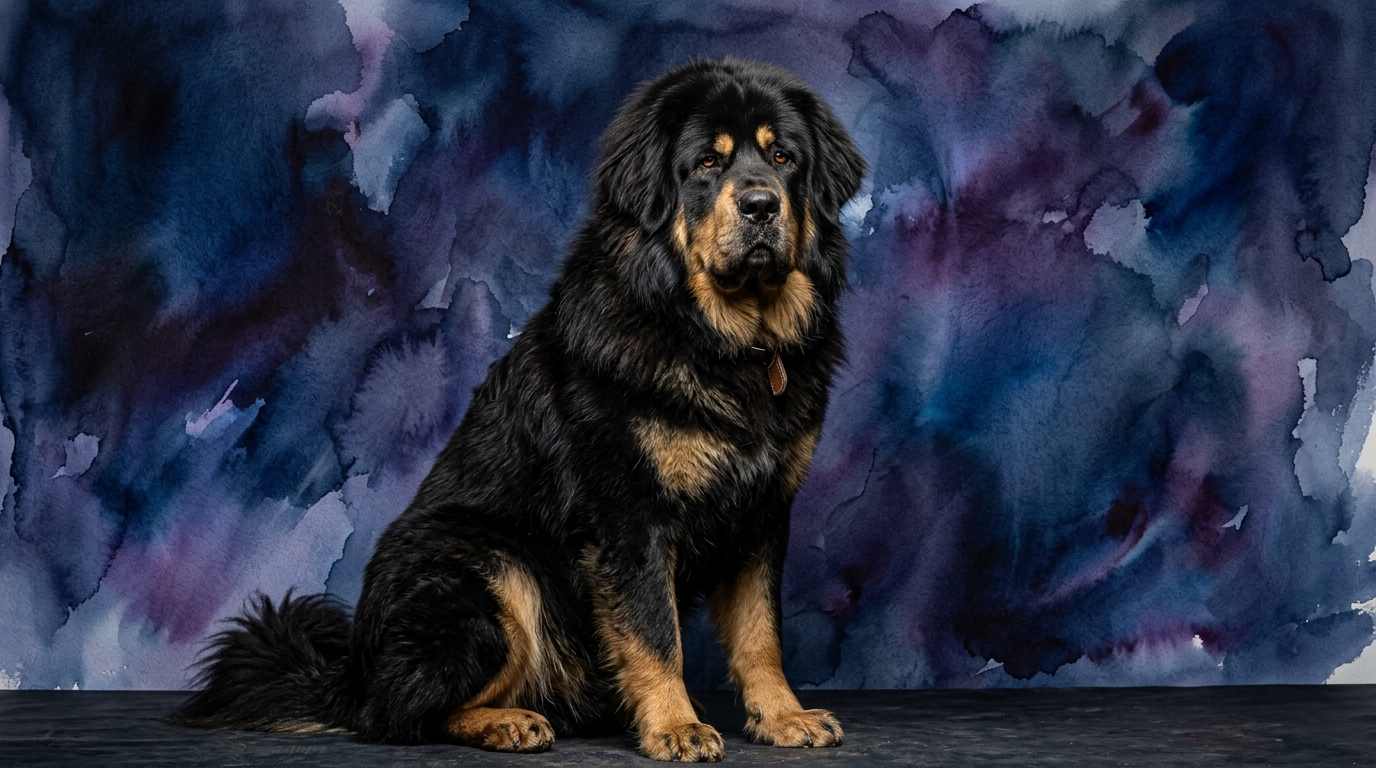
The Cosmic Pet Pet IQ Lab evaluates canine intelligence across five key dimensions. The Tibetan Mastiff, a formidable working dog, exhibits a balanced cognitive profile with a 3/5 rating across Problem Solving, Training Speed, Social Intelligence, Instinctive Drive, and Memory. This suggests a dog capable of moderate learning, often relying on inherent protective instincts. Notably, the Tibetan Mastiff is not featured in Dr. Stanley Coren's ranking, likely due to its historical role emphasizing independent thought over strict obedience.
In contrast, the English Setter, a graceful sporting breed, demonstrates more advanced aptitude in several areas, earning a Coren rank of #37. It scores 4/5 in Problem Solving, indicating a quicker grasp of novel situations and greater ability to devise solutions. Its Training Speed also stands at 4/5, suggesting a more eager and responsive learner. While its Social Intelligence and Instinctive Drive mirror the Mastiff at 3/5, its Memory rating is a robust 4/5, implying a superior ability to recall learned commands and experiences. This profile reflects a breed developed for collaborative fieldwork, where acute memory and quick problem-solving are paramount.
Where the Tibetan Mastiff Excels Cognitively
The Tibetan Mastiff's cognitive strengths lie in its self-reliance and environmental awareness, honed by centuries of solitary guardianship. Its 3/5 Problem Solving score often manifests as a deep, contextual understanding of its territory and perceived threats, rather than quick responses to abstract puzzles. Its instinctive drive, also 3/5, is specifically geared towards protection and vigilance, allowing it to independently assess and react without constant human direction. This breed excels in making autonomous decisions regarding territory boundaries and potential intruders, a cognitive skill prioritizing careful observation and strategic intervention. Its memory, rated 3/5, is particularly strong for spatial layouts and recognizing familiar faces or potential dangers, building a comprehensive mental map of its surroundings.
Where the English Setter Excels Cognitively
The English Setter's cognitive advantages are rooted in its cooperative hunting heritage, demanding a different set of mental faculties. Its superior 4/5 Problem Solving score means it can more readily adapt to new training scenarios or overcome obstacles encountered during fieldwork, such as navigating complex terrain. This breed's 4/5 Training Speed indicates a remarkable eagerness to learn and retain commands, making it particularly receptive to intricate sequences required in field trials or advanced obedience. The Setter's excellent 4/5 Memory is crucial for recalling diverse commands, scent patterns, and the location of fallen game, allowing it to perform complex tasks with precision and consistency. Its social intelligence, rated 3/5, is geared towards understanding human cues and working in partnership, fostering a collaborative dynamic essential for its primary function.
Trainability: Which Breed is More Responsive?
Based on IQ Lab scores, the English Setter is unequivocally the easier breed to train. Its 4/5 Training Speed and 4/5 Memory are significant advantages. Setters typically possess a strong desire to please and a natural inclination to work alongside humans, making them highly responsive to positive reinforcement. They grasp new concepts quickly and retain them effectively, allowing rapid progress in obedience and specialized tasks. Teaching a Setter a complex retrieve or an agility course would require fewer repetitions due to their cognitive agility and retention. Their inherent cooperative nature means they often seek guidance and respond well to consistent direction.
The Tibetan Mastiff, with a 3/5 Training Speed and 3/5 Memory, presents a more significant training challenge. Bred for independent guardianship, they are accustomed to thinking for themselves rather than awaiting commands. Their problem-solving often involves assessing situations from their own perspective, which can translate into a stubborn or self-willed demeanor during training. While capable of learning, their curve is generally slower, requiring immense patience, consistency, and a deep understanding of their independent nature. A Mastiff might learn a command but choose whether to obey based on its own assessment, a stark contrast to the Setter's eager compliance. Training a Mastiff demands building trust and respect, taking longer to achieve reliable responses.
Matching Breeds to Owner Lifestyles
The English Setter is an ideal companion for active owners who relish outdoor adventures and engaging their dog in various activities. Their instinctive drive (3/5, geared towards seeking and retrieving) combined with superior problem-solving and training speed makes them excellent candidates for field sports, hiking, long runs, or dog sports like agility. They thrive on mental and physical stimulation, becoming restless if their needs are not met. An owner who enjoys consistent training and regular, vigorous exercise will find the English Setter a joyful and dedicated partner.
Conversely, the Tibetan Mastiff, despite its imposing size, is surprisingly suitable for more relaxed owners, provided they understand its unique needs. While it requires regular, moderate exercise, it is not a dog that demands hours of high-intensity activity. Its instinctive drive (3/5, focused on guarding) means it is content observing its territory, rather than constantly seeking action. What it needs is a secure, spacious environment and an owner who respects its independent nature and provides consistent, calm leadership. This breed is not for owners seeking a constantly playful companion; rather, it suits those who value a loyal, self-possessed guardian.
The Verdict
If you seek a highly trainable, cooperative companion for active pursuits and enjoy engaging in structured training, the English Setter is the clear choice. Its cognitive profile supports a rewarding partnership for those who value responsiveness and a keen desire to work alongside their human.
However, if you are drawn to a majestic, independent guardian, appreciate a dog that thinks for itself, and are prepared for a patient, consistent training approach, the Tibetan Mastiff offers a profound, if challenging, bond.
🧠 Find Your Pet's IQ Score
Our Pet IQ Lab assessment covers 25+ tests across 5 cognitive dimensions — personalized to your breed.
Take the Full IQ Test →Frequently Asked Questions
Is the Tibetan Mastiff difficult to live with due to its independence?
The Tibetan Mastiff's independence means it requires an owner who understands and respects its self-willed nature. While not inherently difficult, consistent boundaries, early socialization, and patient training are crucial to integrate this guardian breed successfully into a home environment.
How much exercise does an English Setter truly need?
English Setters require substantial daily exercise, typically an hour or more of vigorous activity, such as running, brisk walks, or engaging in field games. Their sporting heritage means they thrive on physical and mental stimulation to prevent boredom and maintain their well-being.
Can a Tibetan Mastiff ever be as obedient as an English Setter?
While a Tibetan Mastiff can learn obedience, it will likely never exhibit the same eager, consistent compliance as an English Setter due to fundamental differences in their breed purpose and cognitive wiring. Their obedience often stems from respect and understanding, rather than an innate desire to please.