Side-by-Side IQ Profile: Interpreting Identical Scores
At first glance, the Cosmic Pet Pet IQ Lab scores for both the Tibetan Mastiff and the Italian Greyhound appear identical across all five cognitive dimensions, each registering a solid 3/5. However, this numerical equality belies profound differences in how these cognitive abilities manifest and serve their respective breed purposes. Understanding these nuances requires looking beyond the numbers to their historical roles and inherent temperaments.
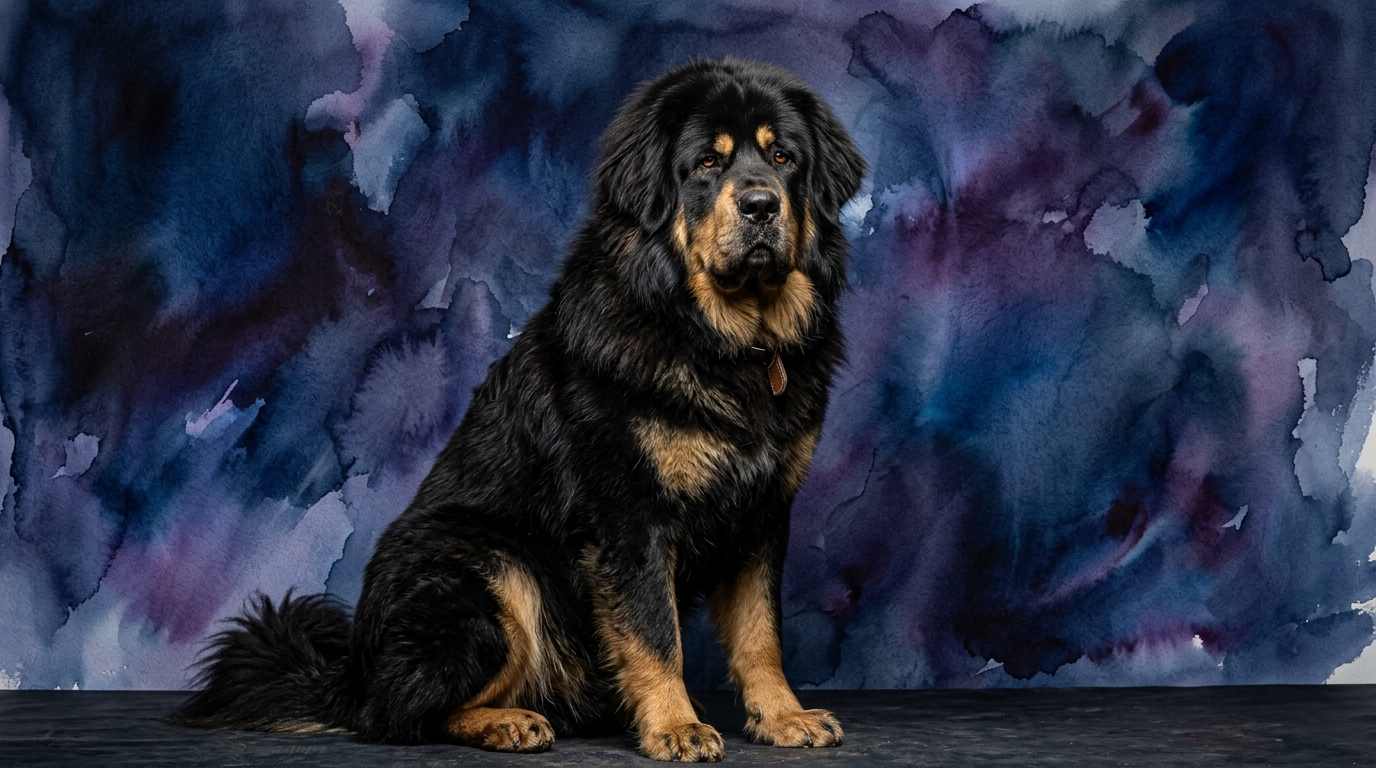
For the **Tibetan Mastiff (Working dog)**, a 3/5 in **Problem Solving** reflects a capacity for independent thought, crucial for a livestock guardian tasked with making autonomous decisions in remote areas. Their solutions often revolve around territorial defense, threat assessment, and navigating complex environments without constant human direction, prioritizing the safety of their charge. Their **Training Speed (3/5)** indicates they are capable learners, but their independent nature means training requires patience, consistency, and a deep understanding of their motivations; they often question commands that don't align with their perceived duty. Their **Social Intelligence (3/5)** is keenly tuned to their family unit and detecting outsiders, allowing them to read subtle cues regarding potential threats, though they remain reserved with strangers. The **Instinctive Drive (3/5)** is powerfully dominated by their inherent guarding instinct, shaping much of their behavior and decision-making. Finally, their **Memory (3/5)** allows them to retain complex spatial awareness of their territory, remember past interactions, and recall effective defense strategies over time.
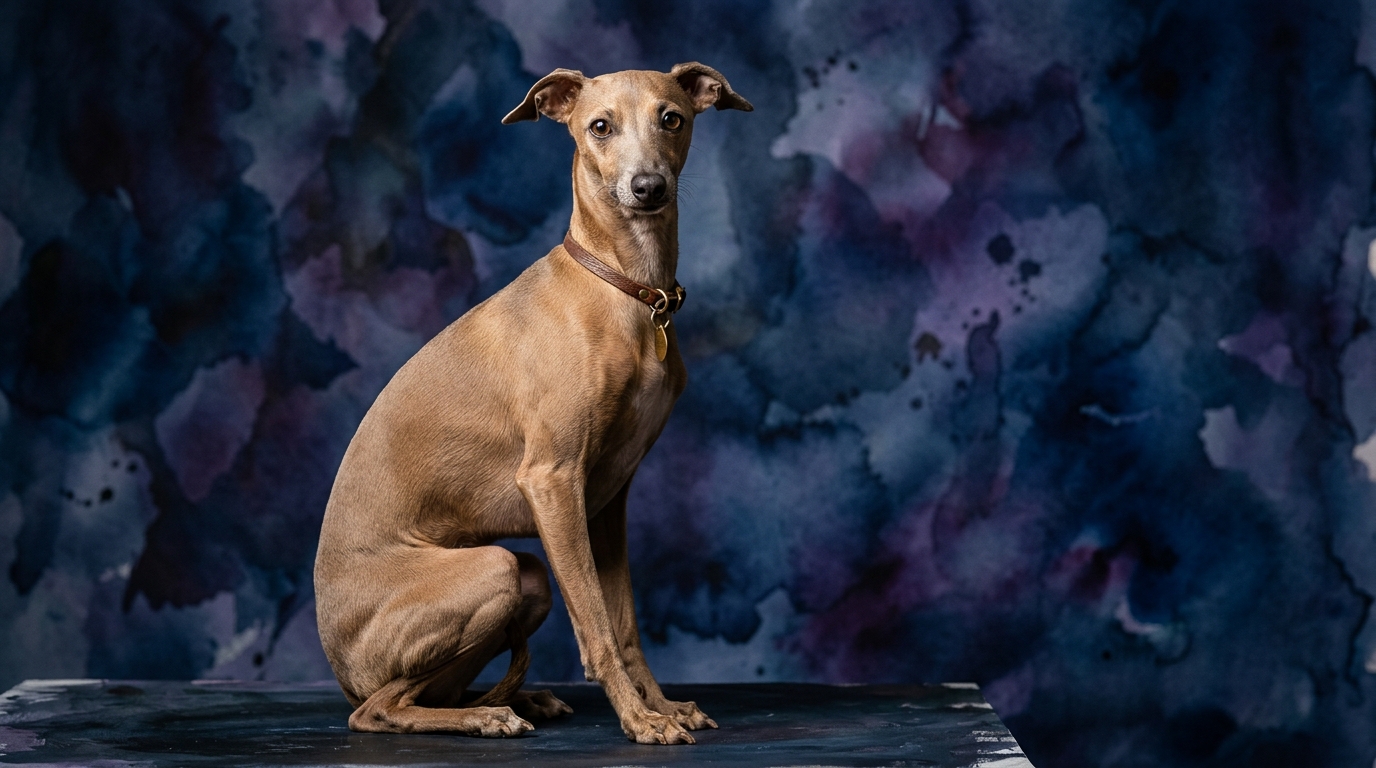
Conversely, for the **Italian Greyhound (Toy dog)**, a 3/5 in **Problem Solving** is applied to navigating their immediate environment for comfort and social interaction. This might involve strategizing to get onto a favorite couch, manipulating a human for attention, or excelling in a chase game, with solutions often being agile and focused on personal gratification or companionship. Their **Training Speed (3/5)** suggests they learn at an average pace, but their sensitivity and sighthound distractions can influence their focus; they respond best to positive reinforcement and gentle methods. Their **Social Intelligence (3/5)** is highly developed within intimate human relationships, making them adept at reading human emotions, mirroring moods, and seeking to comfort, a skill central to their role as companions. The **Instinctive Drive (3/5)** is primarily rooted in their sighthound heritage – a strong impulse to chase small, fast-moving objects – but is often balanced by an equally strong drive for companionship and warmth. Their **Memory (3/5)** is excellent for recalling routines, preferred sleeping spots, and the location of favorite toys or treats, building a consistent mental framework for their daily life and social interactions.
Where the Tibetan Mastiff Wins Cognitively
The Tibetan Mastiff’s cognitive strengths truly shine in scenarios demanding independent judgment and protective vigilance. Their 3/5 in Problem Solving, while numerically average, manifests as a nuanced ability to assess potential threats and make decisions without direct human input, a trait born from centuries of guarding livestock in remote areas. This isn't about solving complex puzzles, but rather an innate capacity for situational awareness and strategic defense, allowing them to autonomously determine when and how to intervene. Their social intelligence, while reserved towards strangers, is deeply effective in identifying subtle shifts in their environment and distinguishing between welcome visitors and potential dangers, a critical aspect of their historical role as a formidable guardian.
Where the Italian Greyhound Wins Cognitively
The Italian Greyhound excels in cognitive areas centered around companionship and adaptability within a human household. Their 3/5 in social intelligence, while numerically similar to the Mastiff's, translates into a remarkable capacity for emotional attunement and subtle communication with their owners. They are masters at reading human body language and vocal tones, adjusting their behavior to seek comfort or offer affection, a skill crucial for a breed developed solely as a companion. Their problem-solving, though perhaps focused on domestic challenges like finding the sunniest spot or coaxing treats, showcases a nimble mental agility perfectly suited to navigating human environments and maintaining close bonds.
Which is Easier to Train and Why
Training ease is where the contextual interpretation of their identical 3/5 training speed becomes crucial, heavily influenced by their instinctive drives and breed temperaments. The Italian Greyhound, despite its sighthound tendencies, generally presents an easier training experience for the average owner. Their strong social bond and desire for human approval, combined with their smaller size, make them more amenable to positive reinforcement and less intimidating to handle during training sessions. While they can be sensitive and easily distracted by movement, their inherent desire to be close to their people often translates into a willingness to engage, provided training is kept fun, short, and rewarding, focusing on positive interactions rather than strict obedience for its own sake.
The Tibetan Mastiff, conversely, represents a significant training challenge for many, despite the same numerical score. Their deep-seated independence and guardian instincts mean they are less inclined to blindly follow commands that don't align with their perceived duty or make logical sense to them. Their 3/5 training speed is often a measure of their selective cooperation rather than a lack of learning ability; they learn best when they believe the command is a worthwhile endeavor or part of a shared objective, not merely an arbitrary instruction. Training a Tibetan Mastiff requires immense patience, consistency, and a profound understanding of their unique psychology, establishing mutual respect and demonstrating clear, confident leadership from an early age.
Which Suits Active Owners vs. Relaxed Owners
The distinction between active and relaxed owners is stark when considering these two breeds. The Italian Greyhound is a far better fit for owners seeking a more relaxed, yet still engaged, companion. While they possess bursts of surprising speed and enjoy short sprints in a secure area, their primary needs revolve around warmth, comfort, and close human contact. They thrive in environments where they can snuggle on the couch, enjoy gentle walks, and participate in quiet household activities, making them ideal for individuals or families who appreciate a calm, affectionate presence without demanding extensive outdoor adventures. Their delicate build also means owners must be mindful of their physical safety during play and exercise.
The Tibetan Mastiff, despite its often stately and calm demeanor indoors, is ultimately suited for active and highly committed owners who understand the demands of a working guardian breed. Their 3/5 instinctive drive, rooted in protection, requires extensive socialization and consistent mental stimulation to channel appropriately. While they don't necessarily need miles of running, they require secure, spacious outdoor access, regular walks, and activities that engage their formidable intellect and protective instincts, often involving patrolling or observing. Owners must be prepared for a lifetime of dedicated management, training, and supervision to ensure their Mastiff is a well-adjusted member of society, making them unsuitable for truly "relaxed" ownership or those living in small spaces.
The Verdict
Choose a Tibetan Mastiff if you are an experienced, dedicated owner prepared for a significant commitment to training, socialization, and managing their formidable guardian instincts, seeking a powerful, independent protector for a spacious, secure property.
Opt for an Italian Greyhound if you desire an affectionate, sensitive companion who thrives on close human interaction and indoor comfort, suitable for apartment living or less active households, appreciating a delicate yet playful presence.
🧠 Find Your Pet's IQ Score
Our Pet IQ Lab assessment covers 25+ tests across 5 cognitive dimensions — personalized to your breed.
Take the Full IQ Test →Frequently Asked Questions
Do Tibetan Mastiffs and Italian Greyhounds have similar memory capabilities?
While both breeds score 3/5 for memory, how it manifests differs significantly. Tibetan Mastiffs tend to remember territorial boundaries, perceived threats, and past interactions relevant to their guarding duties, while Italian Greyhounds excel at recalling routines, preferred comfort spots, and specific social cues for companionship.
Is the problem-solving ability of these two breeds truly the same?
Numerically, yes, both score 3/5. However, a Tibetan Mastiff's problem-solving is often applied to independent guarding strategies and assessing environmental threats, whereas an Italian Greyhound uses theirs to navigate social situations, achieve personal comfort, or engage in playful pursuits within a domestic setting.
How does social intelligence differ between a guardian breed and a companion breed with the same score?
A Tibetan Mastiff's 3/5 social intelligence focuses on discerning threats and understanding family dynamics, often leading to a reserved or wary demeanor with strangers. An Italian Greyhound's 3/5 is geared towards forming deep emotional bonds with humans, making them highly attuned and affectionate companions who excel at reading and responding to their owner's moods.