IQ Profiles: Tibetan Mastiff vs. Kooikerhondje
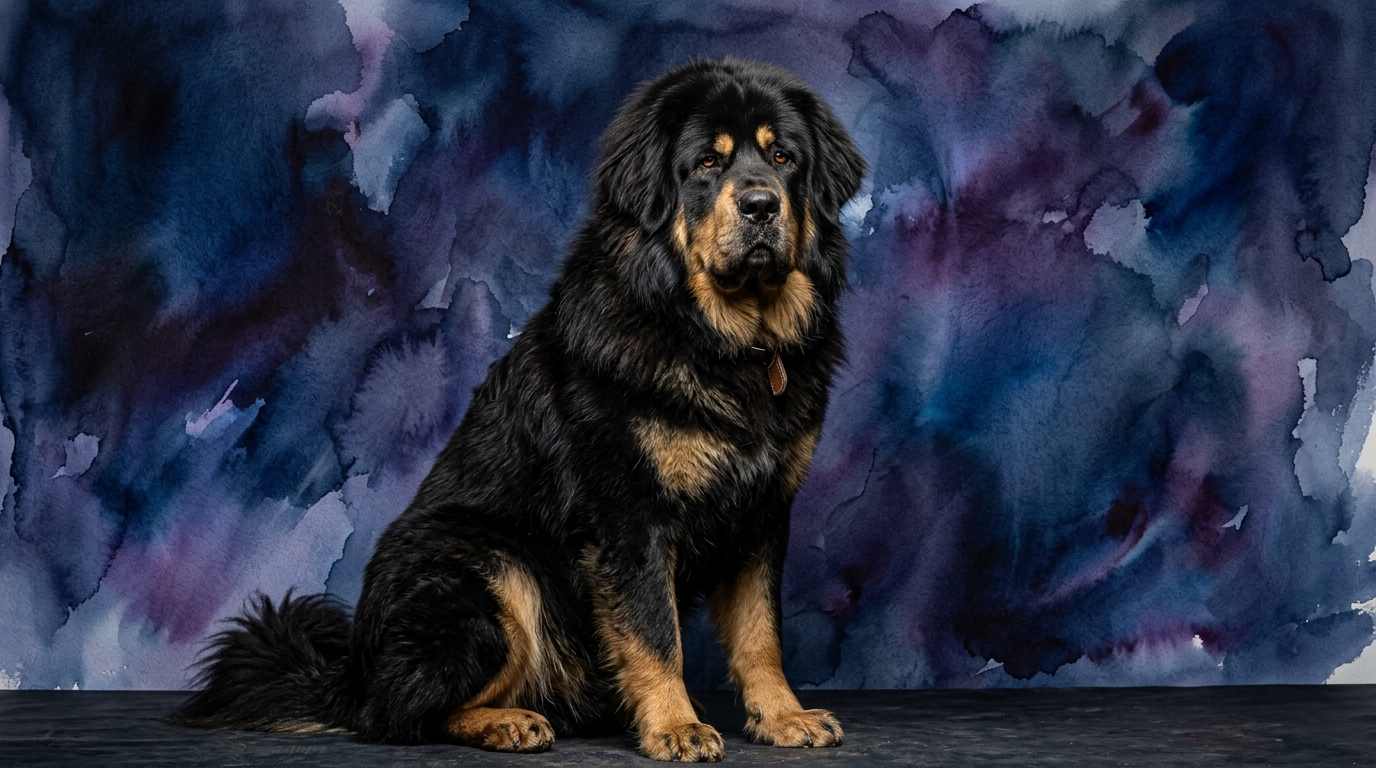
The Tibetan Mastiff, a formidable guardian breed, exhibits a Problem Solving score of 3/5, reflecting its capacity for independent decision-making when assessing threats to its territory or flock, rather than solving complex puzzles on command. Its Training Speed, also at 3/5, indicates a deliberate learning pace, often prioritizing its own judgment over immediate obedience to a handler. Social Intelligence at 3/5 means it is discerning and reserved, forming deep bonds with its family but remaining aloof with strangers, while its Instinctive Drive of 3/5 is powerfully geared towards territorial protection and vigilance. Finally, a Memory score of 3/5 suggests a robust recall for its boundaries, routines, and perceived threats, crucial for its guarding duties.
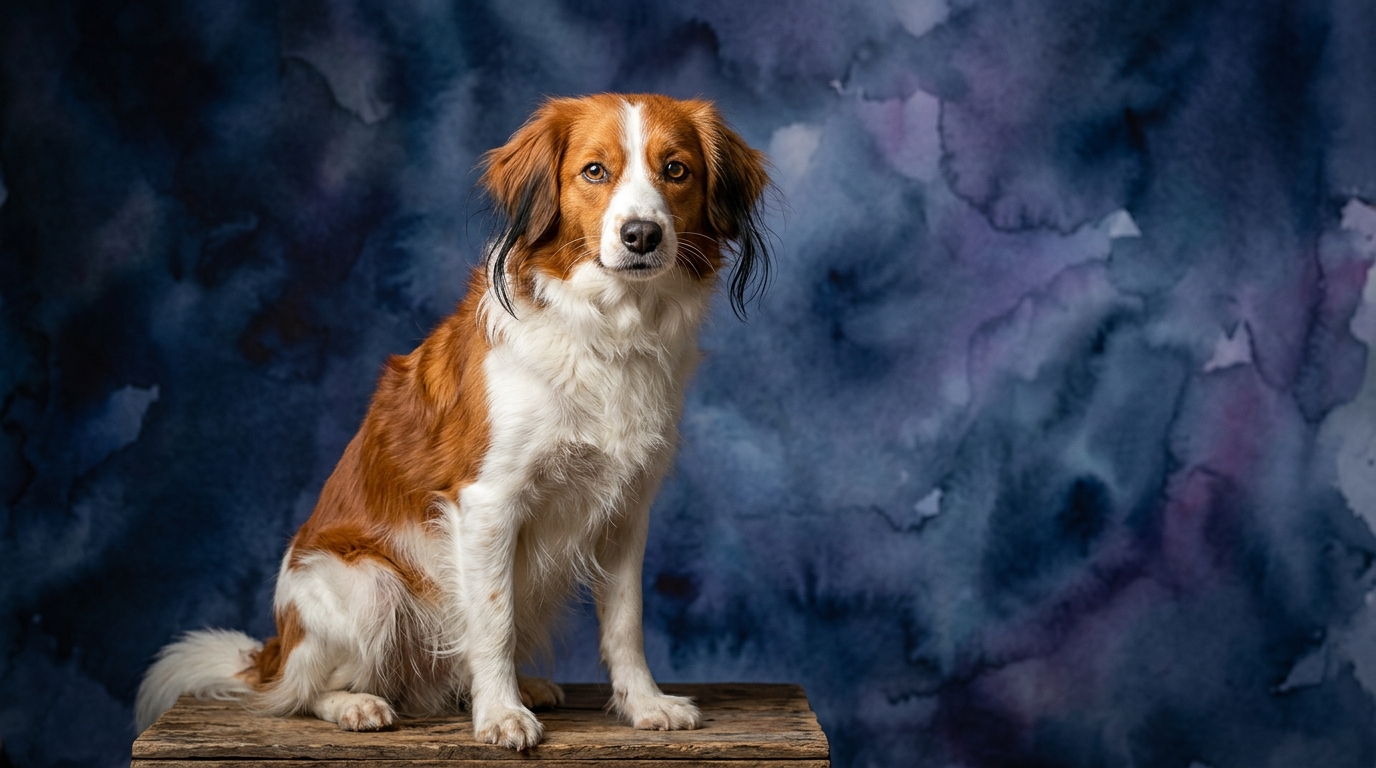
In contrast, the Kooikerhondje, a lively sporting dog, also registers a Problem Solving score of 3/5, but this manifests in its capacity for agile, cooperative work, such as figuring out decoy patterns or navigating complex agility courses. Its Training Speed of 3/5 reflects an eagerness to learn combined with a need for engaging, positive reinforcement to prevent boredom and sensitivity. Social Intelligence at 3/5 means it is generally friendly and adaptable, though it can be sensitive to harsh corrections or unfamiliar situations. An Instinctive Drive of 3/5 highlights its natural aptitude for flushing and retrieving, demonstrating focused attention on tasks. Its Memory score of 3/5 supports its ability to retain sequences of commands and learned behaviors essential for its traditional decoy work and modern dog sports.
Where the Tibetan Mastiff Excels Cognitively
The Tibetan Mastiff's cognitive strengths lie in its profound independence and observational acuity, perfectly suited for its historical role as a livestock guardian. Its 3/5 problem-solving ability is less about rapid task acquisition and more about autonomous threat assessment and strategic deterrence. This breed can independently patrol vast areas, weighing environmental cues and making nuanced decisions about when to observe, when to warn, and when to intervene, without constant human direction. This self-reliance requires a deep understanding of its territory and the ability to differentiate routine from genuine danger, demonstrating a complex application of its memory and instinctive drive.
Furthermore, its social intelligence, while appearing reserved, is acutely tuned to its inner circle. It exhibits a subtle, profound understanding of its family's dynamics and emotional states, offering comfort or protection as needed. This isn't a dog that seeks constant validation or performs tricks for attention; rather, its cognitive excellence is expressed through unwavering loyalty, steadfast vigilance, and a protective instinct that relies on its own judgment and a keen, long-term memory of its environment and the individuals within it.
Where the Kooikerhondje Excels Cognitively
The Kooikerhondje shines in its capacity for cooperative problem-solving and its adaptability to varied, engaging tasks. Its 3/5 problem-solving score is evident in its historical role as a decoy dog, where it would lure ducks into traps by playfully appearing and disappearing behind screens—a task requiring foresight, timing, and a keen understanding of its handler's cues and the environment. This breed thrives on intricate sequences and enjoys the mental stimulation of figuring out how to achieve a desired outcome in partnership with a human, such as navigating an agility course or learning complex tricks.
Its balanced social intelligence and instinctive drive contribute to its success in activities that demand both focus and interaction. Kooikerhondjes possess an excellent capacity for observational learning and can quickly pick up on patterns in their environment or in human behavior. Their memory allows them to retain a wide repertoire of commands and learned routines, making them adept at dog sports and tasks that require precision and consistency. This breed's cognitive strengths are rooted in its enthusiasm for engagement and its ability to process and respond to dynamic situations with agility and precision.
Training Ease: Tibetan Mastiff vs. Kooikerhondje
Despite both breeds scoring 3/5 in Training Speed, their approaches to learning are fundamentally different, impacting their perceived 'ease' of training. The Tibetan Mastiff's deliberate pace stems from its independent guardian nature. This breed is not inherently eager to please in the way many working or sporting breeds are; it evaluates commands and may choose to comply only if it perceives value or necessity. Training requires immense patience, consistency, and a profound understanding of their independent spirit. They respond best to handlers who earn their respect through fair, firm, and benevolent leadership, and who can make training relevant to their protective instincts. Arbitrary commands or repetitive drills without purpose may be met with polite, but firm, refusal.
The Kooikerhondje, conversely, tends to be more enthusiastic and cooperative in training, but its 3/5 training speed is influenced by its sensitivity and need for variety. While generally eager to please its handler, Kooikerhondjes can become bored or overwhelmed by repetitive drills or harsh corrections. They thrive on positive reinforcement, engaging games, and varied training sessions that tap into their natural retrieving and flushing drives. Their quicker uptake of new commands and sequences, compared to the Mastiff, makes them appear more 'trainable' for traditional obedience, but owners must be mindful of their sensitive nature and need for mental stimulation to maintain engagement.
Lifestyle Fit: Active vs. Relaxed Owners
When considering owner lifestyles, the differences between these breeds become pronounced. The Tibetan Mastiff is not a breed for the passive or overly relaxed owner. While it may appear calm and majestic, its profound independence, territorial instincts, and need for early, extensive socialization demand a highly committed and experienced owner. Its exercise needs are moderate, but its mental stimulation comes from its 'work' of guarding and observing. Owners must provide secure containment, consistent boundaries, and be prepared for a dog that relies on its own judgment, making it a challenging, though deeply rewarding, companion for those who understand and respect its ancient role.
The Kooikerhondje is a better fit for active owners who enjoy engaging their dogs in various activities and can provide consistent mental and physical stimulation. This breed thrives on regular exercise, whether it's long walks, hiking, or participating in dog sports like agility, obedience, or flyball. Their cooperative nature and desire for companionship make them excellent partners for owners who want a dog involved in daily family life and activities. While they enjoy downtime with their family, they are not content to be couch potatoes and require an owner willing to invest time in their physical and cognitive well-being.
The Verdict
Choose the Tibetan Mastiff if you are an experienced, patient owner seeking an independent, steadfast guardian, understanding that its cognitive strengths lie in autonomous protection and discerning loyalty, not eager obedience.
Opt for the Kooikerhondje if you are an active owner desiring a cooperative, engaging companion for dog sports and daily adventures, appreciating its cognitive agility in learning complex tasks and its sensitive, eager-to-please nature.
🧠 Find Your Pet's IQ Score
Our Pet IQ Lab assessment covers 25+ tests across 5 cognitive dimensions — personalized to your breed.
Take the Full IQ Test →Frequently Asked Questions
Do Tibetan Mastiffs learn quickly?
Tibetan Mastiffs learn deliberately, scoring 3/5 in training speed, meaning they evaluate commands and may not rush to obey. They learn best when training is consistent, respects their independent nature, and aligns with their natural protective instincts, rather than arbitrary commands.
Are Kooikerhondjes good at problem-solving?
Kooikerhondjes are effective problem-solvers (3/5), especially in cooperative tasks like agility or their traditional decoy work. They enjoy figuring out sequences and challenges in partnership with their handler, demonstrating cognitive agility and observational skills in dynamic environments.
Which breed is better for a first-time dog owner?
Neither breed is typically recommended for first-time dog owners due to their specific needs. However, the Kooikerhondje's eagerness to please and cooperative nature generally make it a more manageable choice than the highly independent and strong-willed Tibetan Mastiff, provided an active lifestyle can be offered.