Side-by-Side IQ Profile: Unpacking Identical Scores
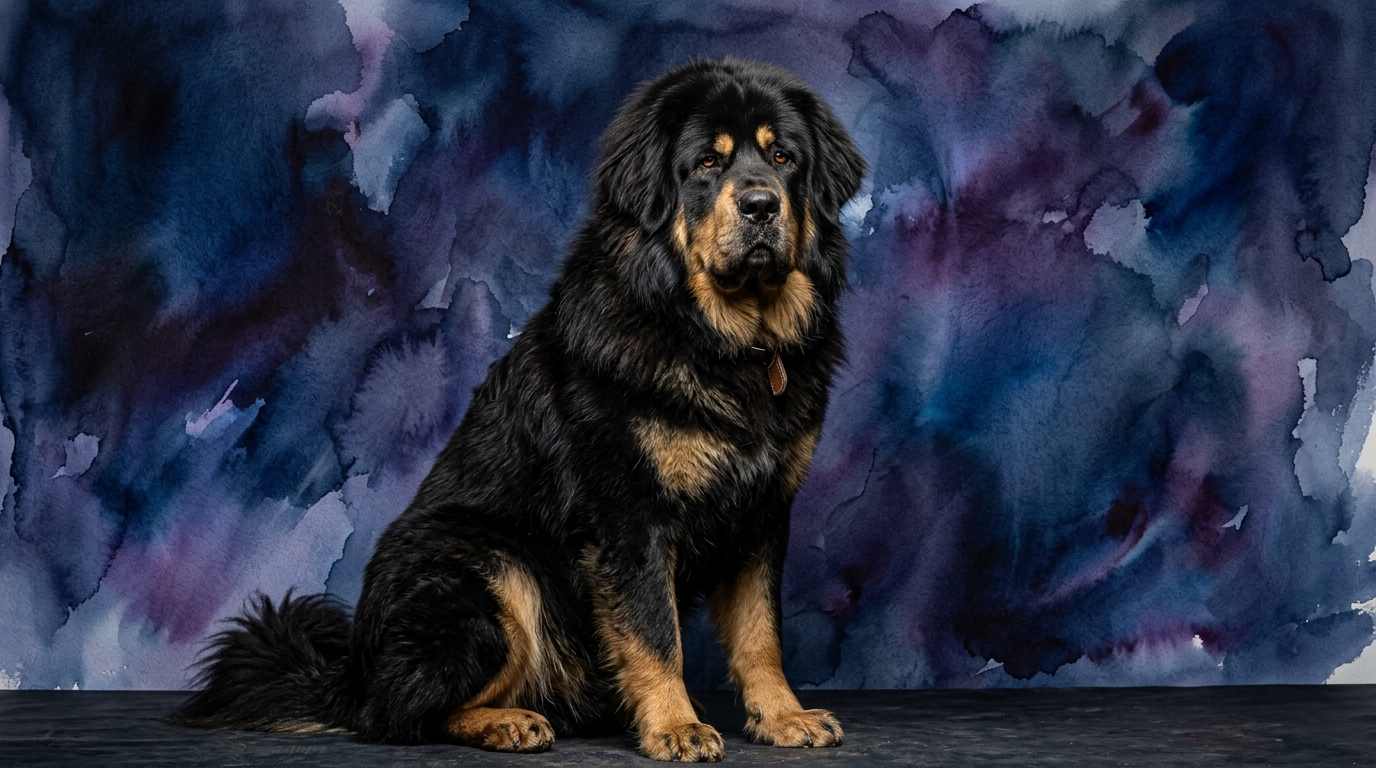
At first glance, the identical 3/5 scores across all five IQ dimensions for both the Tibetan Mastiff and the Spinone Italiano might suggest cognitive parity, but a deeper look reveals how these capacities are expressed through their breed-specific lenses. For the Tibetan Mastiff, a working breed, their 3/5 in Problem Solving reflects a capacity for independent thought, particularly in assessing and managing perceived threats to their territory or family. They are not quick to follow every command, but rather evaluate situations, often choosing a course of action based on their own judgment, which is crucial for a sentinel breed.
Their 3/5 Training Speed indicates that learning for a Tibetan Mastiff is less about an inherent eagerness to please and more about understanding the logical necessity or benefit of a command. They can learn complex tasks, but their pace is deliberate, requiring consistent, respectful handling and a clear establishment of boundaries from their owner. The 3/5 Social Intelligence of a Tibetan Mastiff is highly discerning; they form deep, protective bonds with their immediate family but maintain a reserved, watchful demeanor towards strangers. They are adept at reading subtle cues from their trusted humans, but their social circle is tightly controlled.
The 3/5 Instinctive Drive in a Tibetan Mastiff primarily manifests as a powerful guarding and territorial instinct. Their drive is to deter and protect through presence and vocalization, rather than a strong prey drive, making them vigilant observers of their environment. Finally, their 3/5 Memory means Tibetan Mastiffs possess a robust recall for routines, boundaries, and individuals, remembering past interactions, both positive and negative, which informs their future responses to people and situations, contributing to their discerning nature.
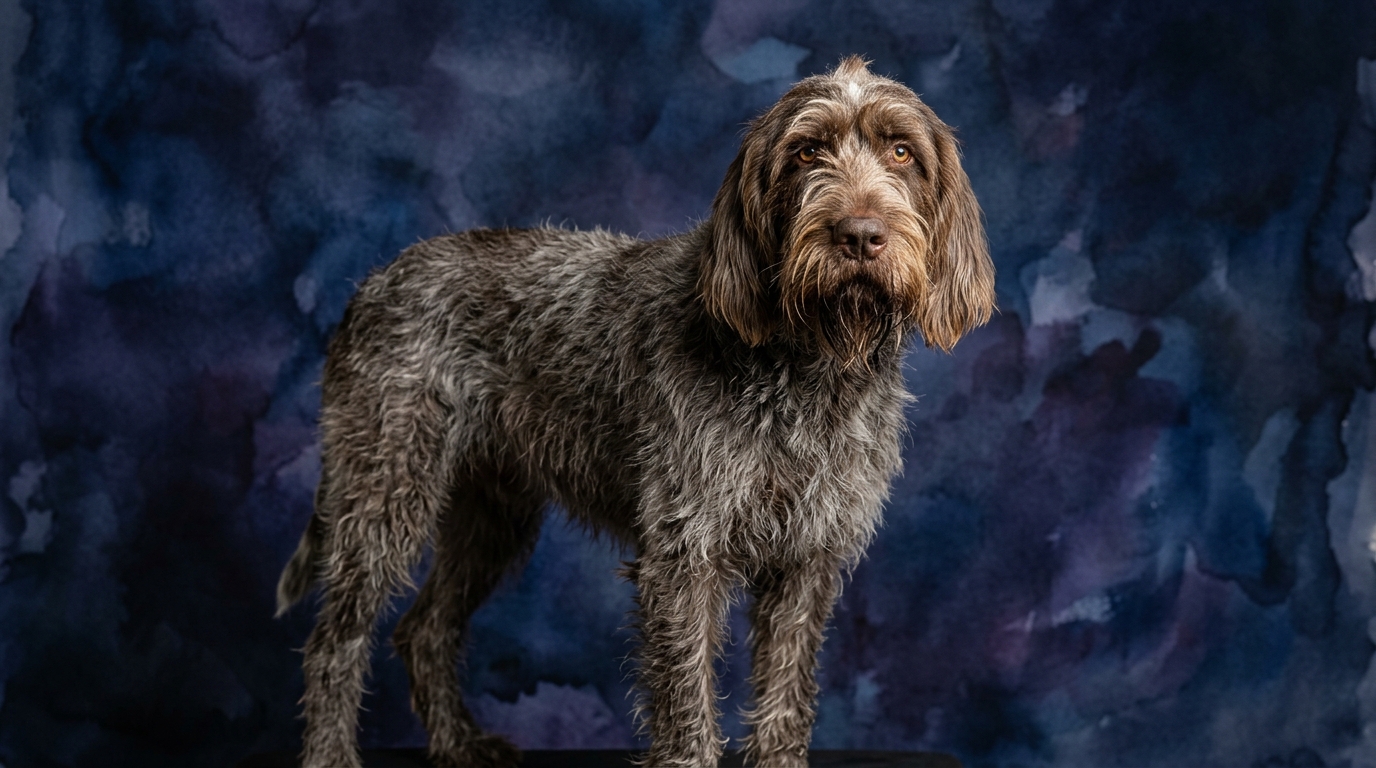
Conversely, for the Spinone Italiano, a sporting breed, their 3/5 in Problem Solving indicates a resourceful and adaptable mind in the field. They excel at independently navigating challenging terrain, locating game through scent, and making on-the-spot decisions to accomplish a hunting task while working in tandem with their handler. Their 3/5 Training Speed is supported by a general willingness to learn, eager to engage with their human partners. While their strong olfactory drive can sometimes make focus challenging, their underlying desire to cooperate simplifies the learning process with patient, consistent positive reinforcement.
The 3/5 Social Intelligence of a Spinone is showcased through its affectionate, people-oriented nature and its ability to form strong cooperative bonds. They are highly attuned to human emotions and intentions, thriving on interaction and shared activities with family and friendly acquaintances. The 3/5 Instinctive Drive for a Spinone is deeply rooted in their sporting heritage: a strong desire to hunt, point, and retrieve. This instinct makes them highly motivated for tasks involving scent work and field exploration, enjoying fulfilling their historical purpose. Their 3/5 Memory allows Spinones to have a good recall for commands, learned tasks, and the locations of successful hunts, aiding in their consistency during training and effectiveness in repeated field scenarios.
Where the Tibetan Mastiff Wins Cognitively
The Tibetan Mastiff's cognitive strengths are most evident in their unparalleled capacity for independent, strategic guardianship. Their 3/5 problem-solving isn't about solving human-devised puzzles, but about autonomously assessing and managing potential threats to their domain, making discerning judgments without constant human direction. This manifests as a thoughtful, sometimes deliberate, application of their protective instincts, prioritising comprehensive threat evaluation over impulsive action. Furthermore, their 3/5 social intelligence truly shines in its profound discernment, allowing them to accurately differentiate between trusted family members and perceived outsiders, a critical skill for a self-reliant sentinel. This breed excels when their innate ability to make crucial security decisions is respected and allowed to flourish, embodying a vigilant, self-assured presence.
Where the Spinone Italiano Wins Cognitively
The Spinone Italiano's cognitive advantages are deeply rooted in their collaborative spirit and adaptability within dynamic, shared endeavors. Their 3/5 problem-solving manifests as resourceful ingenuity in the field, expertly tracking game, navigating varied environments, and adjusting tactics on the fly—all while maintaining a strong connection to their human handler. This is a highly responsive form of intelligence, geared towards achieving mutual goals, showcasing their ability to adapt and innovate within a partnership. Their 3/5 social intelligence is particularly strong in fostering partnership; they are acutely sensitive to human cues and intentions, eager to engage in teamwork and forge deep, cooperative bonds. This breed truly excels in shared activities, demonstrating a willingness to apply their cognitive abilities in ways that strengthen their relationship and fulfill their purpose as a versatile hunting companion.
Which is Easier to Train and Why
Despite identical 3/5 ratings for training speed, the practical experience of training a Spinone Italiano versus a Tibetan Mastiff differs considerably due to their underlying temperaments and historical roles. The Spinone Italiano, with its sporting background, generally presents as easier to train. Their inherent desire to please and strong social intelligence (3/5) translate into a cooperative attitude, making them responsive to positive reinforcement and eager to engage in shared activities. While their instinctive drive (3/5) for scent work can sometimes lead to distraction, their fundamental willingness to work alongside their human partner simplifies the learning process, particularly for tasks involving obedience and field work.
In contrast, the Tibetan Mastiff’s 3/5 training speed is often perceived as slower or more challenging because of their profound independence and guardian mindset. They are not inherently driven to please humans in the same way; instead, they learn best when they respect their handler and understand the *reason* behind a command. Their problem-solving (3/5) is often applied to questioning the necessity of a command, requiring an owner who can establish clear, consistent boundaries and motivate through mutual respect rather than simple rote repetition. Training a Tibetan Mastiff is less about eliciting immediate compliance and more about fostering a deep, trusting relationship where they choose to cooperate and accept guidance.
Which Suits Active Owners vs. Relaxed Owners
When considering lifestyle compatibility, the Spinone Italiano is undeniably suited for active owners, while the Tibetan Mastiff requires a specific kind of dedicated, attentive ownership that isn't necessarily 'active' in the conventional sense but demands significant engagement. The Spinone Italiano's robust instinctive drive (3/5) and desire for partnership mean they thrive on regular, vigorous exercise and mental stimulation, ideally involving activities that tap into their sporting heritage like hiking, field work, or long walks. Their social intelligence (3/5) ensures they enjoy these activities alongside their human companions, making them an excellent choice for individuals or families who embrace an outdoor, active lifestyle.
Conversely, the Tibetan Mastiff, despite its imposing size, isn't a breed for constant high-intensity physical activity. Their problem-solving (3/5) and instinctive drive (3/5) are geared towards patrolling and observation, requiring ample secure space to survey their territory and fulfill their protective duties. While they appreciate walks, their mental needs revolve around vigilance and independent decision-making rather than constant physical exertion. They suit owners who are calm, consistent, and prepared to manage a powerful, independent guardian, providing clear boundaries and understanding their need for mental engagement through oversight. A 'relaxed' owner who expects a low-maintenance, overtly easy-going companion would likely struggle with the Tibetan Mastiff's inherent independence and protective nature, while an owner who enjoys quiet companionship but still meets their specific, less overtly 'active' needs might find a match.
The Verdict
Choose the Tibetan Mastiff if you seek a majestic, independent guardian who will form a deep, discerning bond and thrive with an owner who respects their self-reliant nature and provides ample secure territory for their watchful duties. They are best for experienced owners prepared for a powerful, protective presence.
Opt for the Spinone Italiano if you desire an affectionate, versatile companion eager for cooperative ventures, regular physical activity, and mental engagement in outdoor pursuits. They are ideal for active individuals or families seeking a devoted partner for shared adventures.
🧠 Find Your Pet's IQ Score
Our Pet IQ Lab assessment covers 25+ tests across 5 cognitive dimensions — personalized to your breed.
Take the Full IQ Test →Frequently Asked Questions
Do identical IQ scores mean these breeds are equally easy to own?
No, identical IQ scores of 3/5 across the board highlight a similar *capacity* for intelligence, but their expression differs greatly based on breed purpose. The Tibetan Mastiff's independence and guarding instincts make ownership demanding, while the Spinone's cooperative nature makes them generally more adaptable to family life, despite similar cognitive potential.
How does 'social intelligence' differ between a Tibetan Mastiff and a Spinone Italiano with the same 3/5 score?
For the Tibetan Mastiff, 3/5 social intelligence manifests as discerning loyalty to its inner circle and skepticism towards outsiders, focusing on protection. The Spinone Italiano's 3/5 social intelligence, conversely, is expressed as a strong desire for cooperative human partnership and a generally outgoing, affectionate demeanor towards a wider social circle.
Which breed requires more mental stimulation?
Both breeds require significant mental stimulation, but of different types. The Tibetan Mastiff needs mental engagement through patrolling, observation, and independent decision-making within its territory, fulfilling its guardian role. The Spinone Italiano thrives on mental challenges tied to its sporting instincts, such as scent work, problem-solving during hunts, and learning new commands in cooperative settings.