The Cosmic Pet IQ Profiles: A Side-by-Side Look
The Cosmic Pet Pet IQ Lab employs five key dimensions to assess canine intelligence, offering a structured lens through which to compare breeds. For both the Toy Fox Terrier and the Norwegian Lundehund, each dimension registers an identical score of 3 out of 5, suggesting a moderate yet capable cognitive framework. However, the manifestation of these scores is deeply rooted in their breed-specific evolutionary pathways and intended purposes.
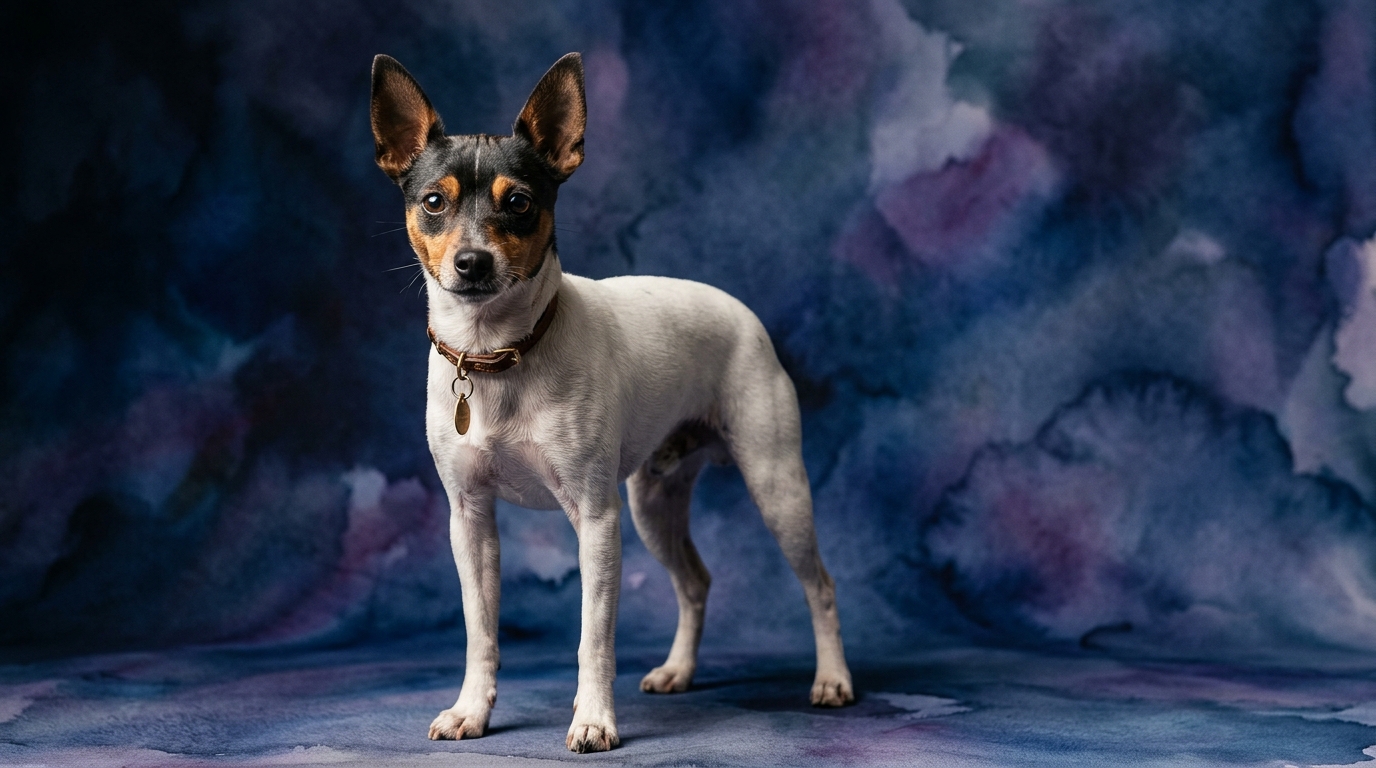
For the **Toy Fox Terrier**, a breed honed for quick reflexes and effective vermin control, their **Problem Solving (3/5)** often manifests in cunning ways to outsmart small prey or navigate complex indoor environments, perhaps figuring out how to access a hidden treat or bypass a minor obstacle. Their **Training Speed (3/5)** benefits from a desire to engage with their human companions, responding well to consistent, positive reinforcement, though their terrier focus can sometimes lead to momentary distractions. **Social Intelligence (3/5)** for a Toy Fox Terrier means they are typically attuned to their family's moods and routines, forming strong, affectionate bonds, often expressing their understanding through alert barks or seeking comfort. Their **Instinctive Drive (3/5)** is undeniably linked to their terrier heritage: a keen prey drive, alertness, and a tendency to bark at perceived intruders or changes in their environment. Finally, **Memory (3/5)** allows them to recall routines, commands, and the positive or negative associations with specific people or places, making them creatures of habit who appreciate predictability.
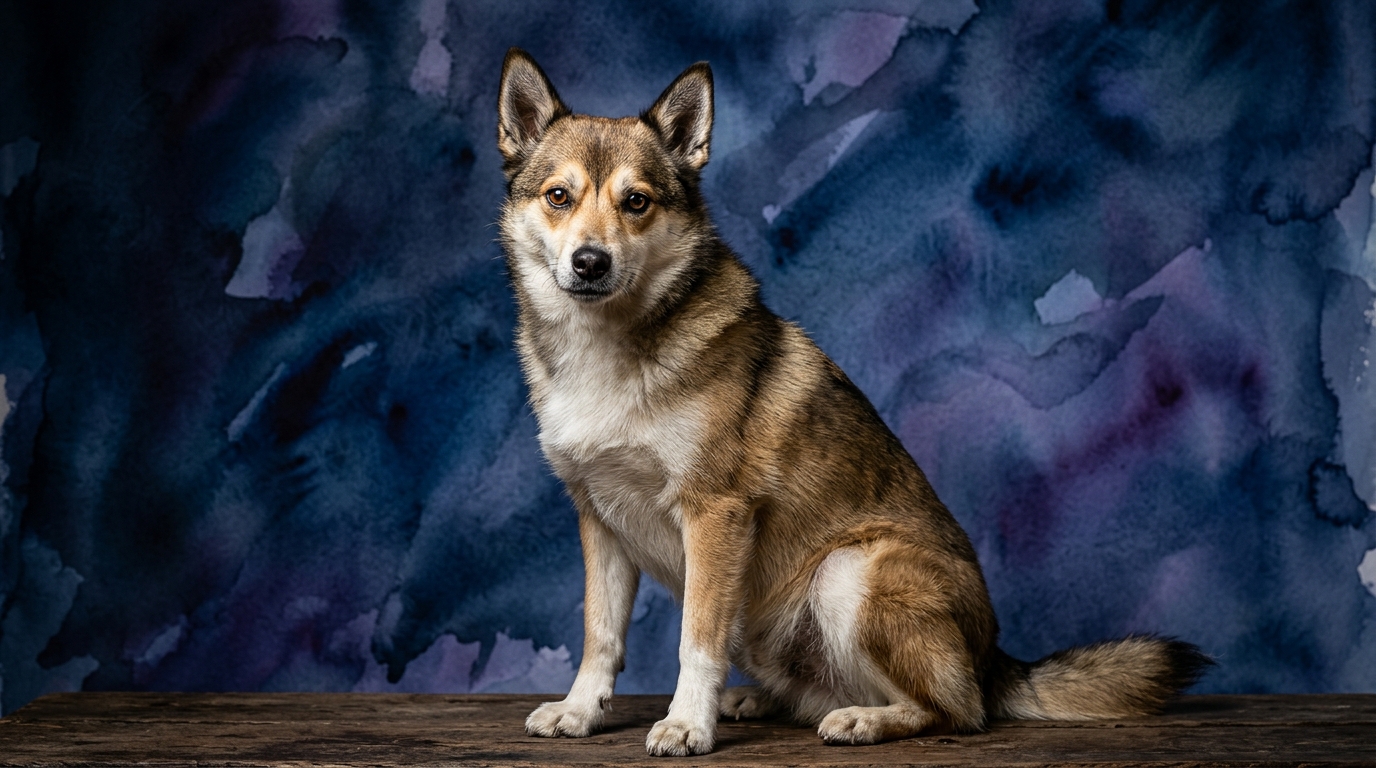
The **Norwegian Lundehund**, a breed uniquely adapted for hunting puffins on treacherous coastal cliffs, expresses its identical scores through a vastly different lens. Their **Problem Solving (3/5)** is less about outsmarting vermin and more about navigating complex three-dimensional spaces; their unique physical adaptations, like extra toes and incredibly flexible joints, are themselves physical problem-solving tools, allowing them to scale and descend rocky terrain with unparalleled agility. **Training Speed (3/5)** for a Lundehund can be a nuanced affair; while capable of learning, their independent nature and historical need for autonomous decision-making mean they require engaging, varied training methods and may not always see the immediate 'point' of a command. **Social Intelligence (3/5)** typically involves deep, albeit sometimes reserved, bonds with their immediate family, often observing situations before engaging and communicating through subtle body language. Their **Instinctive Drive (3/5)** is powerfully tied to their original purpose: an innate desire to explore, climb, dig, and investigate, often driven by their keen senses and a need to survey their surroundings from elevated positions. Their **Memory (3/5)** is exceptional for spatial layouts and complex routes, remembering intricate paths through challenging landscapes, and recalling the sequence of events that led to a successful 'hunt' or exploration.
Where the Toy Fox Terrier Shines Cognitively
The Toy Fox Terrier's cognitive strengths, while numerically matching the Lundehund, are particularly evident in their adaptability to a human-centric domestic environment and their responsiveness to direct human interaction. Their compact size and inherent agility make them remarkably adept at navigating the challenges of indoor living, quickly understanding household dynamics and rules. This breed excels in tasks that require focused attention on a handler, especially when positive reinforcement is involved. Their terrier tenacity means they approach mental puzzles with determination, often exhibiting a focused persistence, particularly when a desired reward is at stake. Furthermore, their social attunement allows them to pick up on subtle human cues and emotions with impressive speed, making them exceptionally responsive companions in a structured setting. They quickly learn what pleases their people and adapt their behavior accordingly, showcasing a nuanced understanding of social reciprocity within their family unit.
Where the Norwegian Lundehund Excels Cognitively
The Norwegian Lundehund's cognitive prowess truly stands out in their exceptional spatial reasoning and unique physical problem-solving abilities, directly stemming from their evolutionary history. Their heritage as puffin hunters on rugged cliffs has endowed them with an extraordinary capacity for assessing and traversing complex, three-dimensional environments. They excel at finding novel routes, manipulating their incredibly flexible bodies to fit into tight spaces, and navigating challenging terrain with an almost preternatural understanding of physics and balance. This independent problem-solving extends beyond physical feats; Lundehunds often exhibit innovative thinking when faced with new situations, preferring to figure things out for themselves rather than passively waiting for instruction. Their memory for intricate paths and their ability to make autonomous decisions in varied, unpredictable outdoor settings underscore a cognitive profile geared towards exploration and self-reliance, making them masters of environmental navigation and discovery.
Training Dynamics: Which is Easier and Why?
When it comes to ease of training, the Toy Fox Terrier generally holds an advantage due to its inherent desire to please its human companions and its typically higher responsiveness to direct instruction. Their smaller stature also makes them less physically imposing during training sessions, and they often thrive on engaging with their owners in a give-and-take manner. Positive reinforcement, coupled with consistent, short, and fun sessions, typically yields quick results with a Toy Fox Terrier, as they eagerly learn basic obedience and tricks, driven by their social connection and the promise of reward. Their focus tends to be more directed towards their handler, making them more pliable in a structured learning environment.
The Norwegian Lundehund, conversely, presents a more unique training challenge. While equally capable of learning, their independent and sometimes questioning nature means training requires significant patience, creativity, and a deep understanding of their breed-specific drives. A Lundehund might not immediately grasp the 'purpose' of a command or might try to find an alternative, more 'efficient' way to complete a task, reflecting their historical need for autonomous decision-making in the wild. They are not as inherently 'people-pleasing' as many breeds, and their motivation often stems from their own curiosity and desire to explore, rather than solely from human approval. Training a Lundehund often means tapping into their natural instincts for climbing, digging, and problem-solving, making it more akin to a partnership in discovery than a traditional command-and-obey relationship. Consistency, engagement, and understanding their unique thought process are paramount for successful training.
Matching Breeds to Lifestyles: Active vs. Relaxed Owners
The distinct cognitive and behavioral profiles of these breeds mean they are suited for different owner lifestyles. For individuals who envision a companion for extensive outdoor adventures, particularly those involving varied terrain and complex physical challenges, the Norwegian Lundehund is an exceptional match. Their intrinsic drive to explore, climb, and independently navigate makes them ideal partners for hiking, trail running, or even canine parkour. Owners who embrace a lifestyle of constant discovery and can provide ample opportunities for their dog to engage its unique physical and mental problem-solving skills will find a deeply rewarding bond with a Lundehund. They thrive when given mental and physical outlets that mimic their ancestral activities, requiring an owner who can commit to providing a stimulating and varied environment.
Conversely, the Toy Fox Terrier, while certainly energetic and playful, is a better fit for owners who appreciate a lively companion but may have a more relaxed or structured routine. Their energy output is scaled to their size, making them excellent candidates for apartment living or homes with smaller yards, provided they receive regular walks and engaging indoor play. They thrive on close interaction with their family, enjoying games that involve chasing, retrieving, and learning new tricks within a more contained environment. Owners who seek a dog that is highly attuned to their presence, enjoys participating in household activities, and can be content with a blend of energetic bursts and affectionate cuddles will find the Toy Fox Terrier to be a delightful and adaptable companion. They are active but do not typically demand the same level of intense, varied physical challenge as a Lundehund.
The Verdict
Choose the Toy Fox Terrier if you seek a responsive, affectionate, and adaptable companion who thrives on close interaction and can flourish in a more structured domestic environment, enjoying engaging indoor games and consistent routines.
Opt for the Norwegian Lundehund if you are an adventurous owner prepared for a dog with remarkable independent thought, unique physical problem-solving skills, and a deep-seated need for exploration and varied outdoor challenges.
🧠 Find Your Pet's IQ Score
Our Pet IQ Lab assessment covers 25+ tests across 5 cognitive dimensions — personalized to your breed.
Take the Full IQ Test →Frequently Asked Questions
Do Toy Fox Terriers bark a lot?
Toy Fox Terriers possess a strong terrier instinct, which includes being alert and vocal. They tend to bark to announce visitors, express excitement, or alert their owners to perceived changes in their environment, making them effective miniature watchdogs.
Are Norwegian Lundehunds good with children?
Norwegian Lundehunds can be good with respectful children, especially if raised with them from a young age. Their independent nature means they may not always seek out interaction, and their unique physical flexibility requires careful handling to avoid injury.
What kind of exercise do these breeds need?
A Toy Fox Terrier needs regular short walks, indoor play sessions, and mental stimulation to burn energy. A Norwegian Lundehund requires more vigorous and varied exercise, including opportunities for climbing, exploring, and off-leash adventures in secure environments to satisfy their strong instinctive drives.