Side-by-Side Cognitive Profiles: Decoding Identical Scores
At The Cosmic Pet Pet IQ Lab, both the Toy Fox Terrier and the Tibetan Spaniel register a consistent 3/5 across all five core intelligence dimensions. This numerical parity, however, belies fascinating differences in how each breed expresses these cognitive capacities. Understanding these qualitative distinctions is key to appreciating their individual mental makeup.
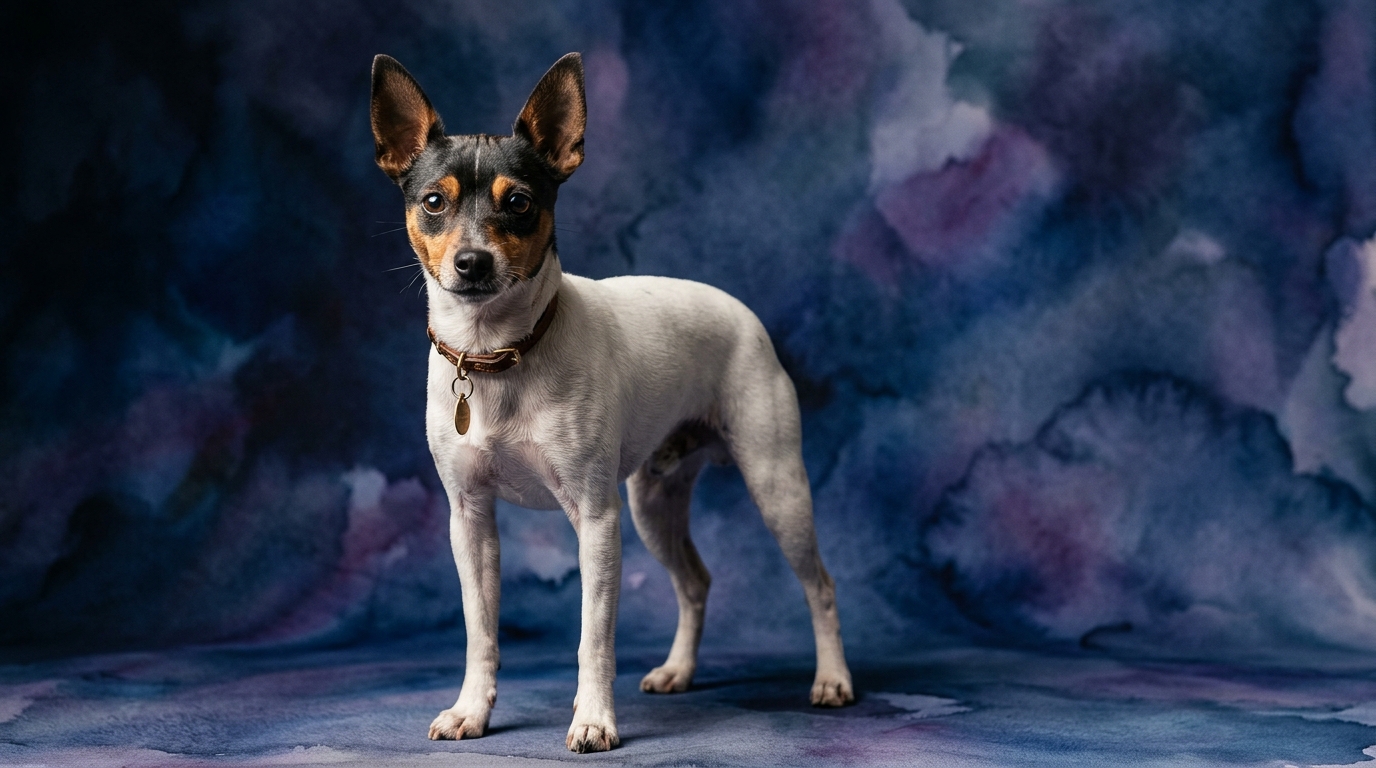
For the Toy Fox Terrier, a 3/5 in **Problem Solving** signifies a quick, opportunistic, and often independent approach. Rooted in their terrier instincts, they might rapidly devise physical solutions, such as nudging open a cabinet door or strategically moving an object to reach a hidden treat. Their problem-solving is typically direct and driven by a clear, immediate goal. Their **Training Speed** at 3/5 reflects a capacity to learn new commands at a moderate pace, particularly when motivated by engaging play or food rewards, though their independent streak can sometimes lead to selective hearing. In **Social Intelligence** (3/5), Toy Fox Terriers are adept at reading human moods to anticipate activities like walks or playtime, but they often prioritize their own agenda over complex social niceties. Their **Instinctive Drive** (3/5) is clearly evidenced by their keen interest in small, fast-moving objects and a propensity for digging or barking at perceived intruders. Finally, their **Memory** (3/5) allows them to retain routines, learned tricks, and the locations of interesting smells or toys with reliable consistency.
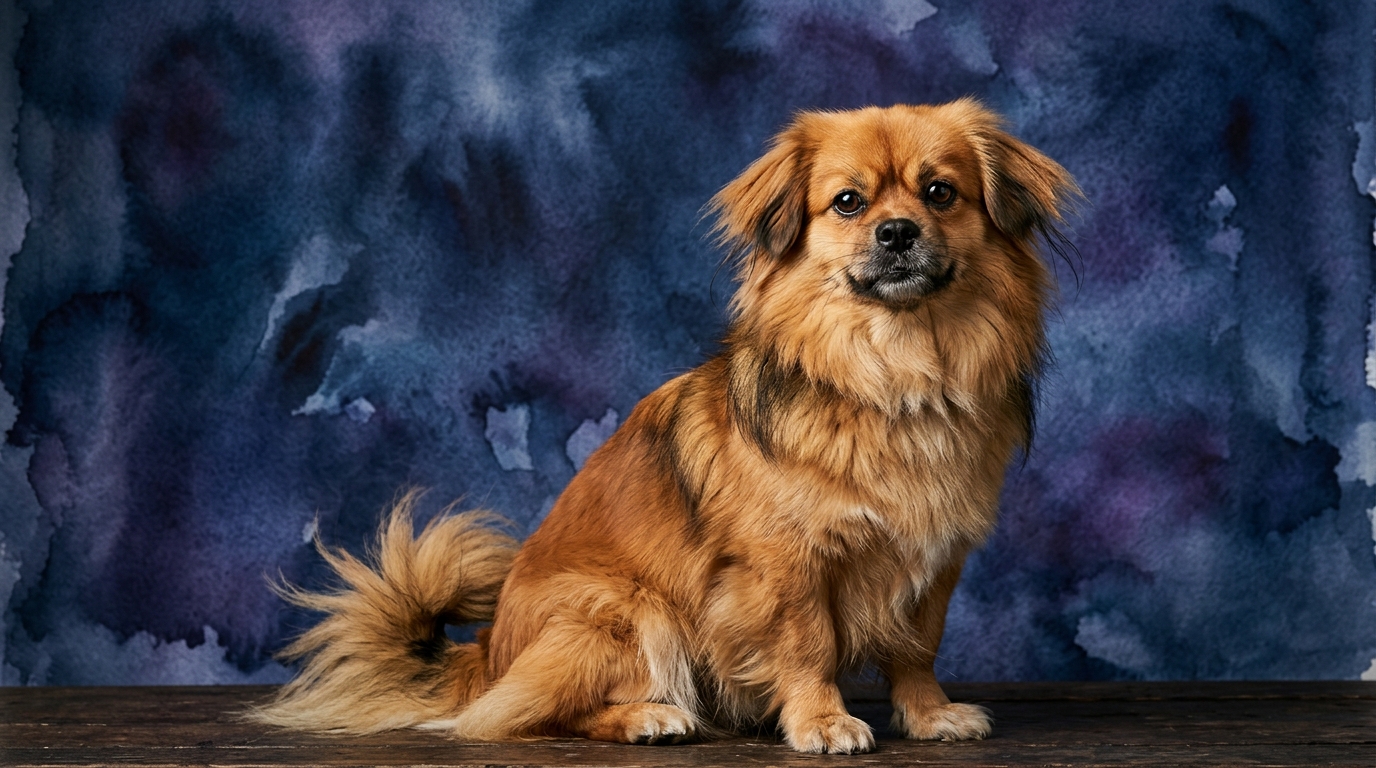
The Tibetan Spaniel, also scoring 3/5 in **Problem Solving**, demonstrates this aptitude through keen observation and a more subtle, socially-oriented approach. They might excel at understanding complex household routines to anticipate walks or mealtimes, or devising charming, non-confrontational ways to solicit attention. Their solutions are less about physical conquest and more about navigating their environment and human interactions effectively. Their **Training Speed** (3/5) indicates they learn new commands steadily, responding best to positive reinforcement and gentle guidance, though their independent and somewhat sensitive nature means they can be easily discouraged by harsh methods. A 3/5 in **Social Intelligence** highlights their strong attunement to family dynamics, subtle human cues, and emotional states, often positioning themselves as watchful companions. Their **Instinctive Drive** (3/5) manifests primarily as a strong 'watchdog' instinct, surveying their domain from high perches and emitting alert barks, rather than a strong prey drive. Their **Memory** (3/5) is robust for remembering routines, specific people, and past interactions, contributing to their consistent and loyal companionship.
Where the Toy Fox Terrier Shows a Cognitive Edge
Despite identical scores, the Toy Fox Terrier often displays a cognitive edge in scenarios demanding rapid, independent action and physical dexterity. Their terrier heritage imbues them with a certain 'can-do' attitude when faced with a challenge. For instance, in tasks requiring object manipulation or quick spatial reasoning to reach a goal, a Toy Fox Terrier might demonstrate a faster response time, utilizing their agile bodies and sharp minds to overcome obstacles.
Their problem-solving, while rated similarly, tends to be more proactive and less reliant on human intervention. If a Toy Fox Terrier wants something, they are more likely to experiment with various physical methods to obtain it, whether it's nudging a gate with their nose or strategically batting a toy. This self-starter mentality, combined with their quick reflexes, can make them appear more inventive in certain practical, physical puzzles.
Where the Tibetan Spaniel Excels Cognitively
The Tibetan Spaniel's cognitive strengths often lie in their nuanced understanding of social dynamics and their exceptional observational skills. While their problem-solving score matches the Toy Fox Terrier, the 'Tibbie' often applies this intelligence to deciphering complex household routines and anticipating human behavior. They are masters of reading subtle cues, understanding when a family member is happy, sad, or about to leave the house, and adjusting their behavior accordingly.
Their social intelligence, although numerically equivalent, leans towards a deeper empathy and a more sophisticated understanding of 'pack' structure within a human family. A Tibetan Spaniel might excel at learning by watching, picking up on household rules or preferred behaviors simply by observing their humans. This makes them particularly adept at fitting into family life, often acting as sensitive barometers of the home's emotional climate.
Training Dynamics: Independence vs. Sensitivity
When it comes to training, the core differences between these breeds, despite their matching 3/5 training speed, become evident in their motivations and responses. The Toy Fox Terrier, with its independent terrier spirit, can learn quickly but requires engaging, consistent training that taps into their desire for action or a tangible reward. They might get bored with repetitive drills and can be easily distracted by environmental stimuli, particularly anything resembling prey. Their independence means they might question the 'why' behind a command, requiring an owner to be firm, fair, and above all, interesting.
The Tibetan Spaniel, on the other hand, responds best to gentle, positive reinforcement methods. While they also learn at a moderate pace, their sensitive nature means harsh corrections or impatient training can cause them to shut down or become stubborn. They often possess a 'what's in it for me?' attitude, meaning motivation is key, but their desire to please their family, once a bond is established, can be a powerful tool. They thrive on praise and connection, and their training benefits greatly from a calm, consistent approach that builds trust.
Matching Canine Cognition to Owner Lifestyle
The cognitive profiles of these breeds suggest different alignments with owner lifestyles. The Toy Fox Terrier, with its quick-witted, independent problem-solving and higher physical drive, is often a better fit for active owners who enjoy engaging in training games, agility, or other activities that challenge both mind and body. Their desire for action and their alert nature mean they thrive in environments where they have opportunities to explore, chase, and apply their terrier ingenuity. Owners who appreciate a dog with a strong, self-sufficient personality will find a rewarding companion in the Toy Fox Terrier.
The Tibetan Spaniel, while not a couch potato, often suits more relaxed owners who appreciate a dog with a strong companion drive and a nuanced social awareness. Their observational intelligence and sensitivity make them excellent housemates who are attuned to the family's rhythm. They enjoy comfortable routines and being close to their people, often content with moderate exercise and ample opportunities for social interaction and 'watchdog' duties from a comfortable perch. Owners who value a deep, emotionally intelligent bond and a dog that is highly observant of its surroundings will find the Tibetan Spaniel a delightful addition to their home.
The Verdict: When to Choose Each Companion
The Verdict
Choose the Toy Fox Terrier if you seek an agile, quick-thinking companion who thrives on active engagement, independent problem-solving, and a spirited, tenacious personality. They are best for owners who can channel their terrier drive into fun, consistent training and activities.
Opt for the Tibetan Spaniel if you desire a deeply observant, socially attuned dog who excels at understanding family dynamics and offers a sensitive, watchful companionship. They are ideal for owners who appreciate a gentle approach to training and a loyal, emotionally connected bond.
🧠 Find Your Pet's IQ Score
Our Pet IQ Lab assessment covers 25+ tests across 5 cognitive dimensions — personalized to your breed.
Take the Full IQ Test →Frequently Asked Questions
Do Toy Fox Terriers and Tibetan Spaniels have similar energy levels?
While both breeds are active, their energy manifests differently. Toy Fox Terriers typically have bursts of high energy and a strong desire for play and exploration, often requiring more structured physical and mental stimulation. Tibetan Spaniels have moderate energy, enjoying walks and play but often content with being close to their family, observing their surroundings.
Which breed is better with children?
Both breeds can be good with children, but their temperaments differ. Toy Fox Terriers, with their spirited nature, do well with children who understand how to interact respectfully with a smaller, energetic dog. Tibetan Spaniels are often more reserved and watchful, preferring older, gentle children who respect their space and quiet companionship.
Are these breeds prone to common health issues related to their intelligence?
Neither breed is specifically prone to health issues directly linked to their cognitive abilities. Like all breeds, they have general predispositions to certain conditions, but their mental aptitudes themselves do not carry unique health risks. Regular veterinary care and a stimulating environment support their overall well-being.