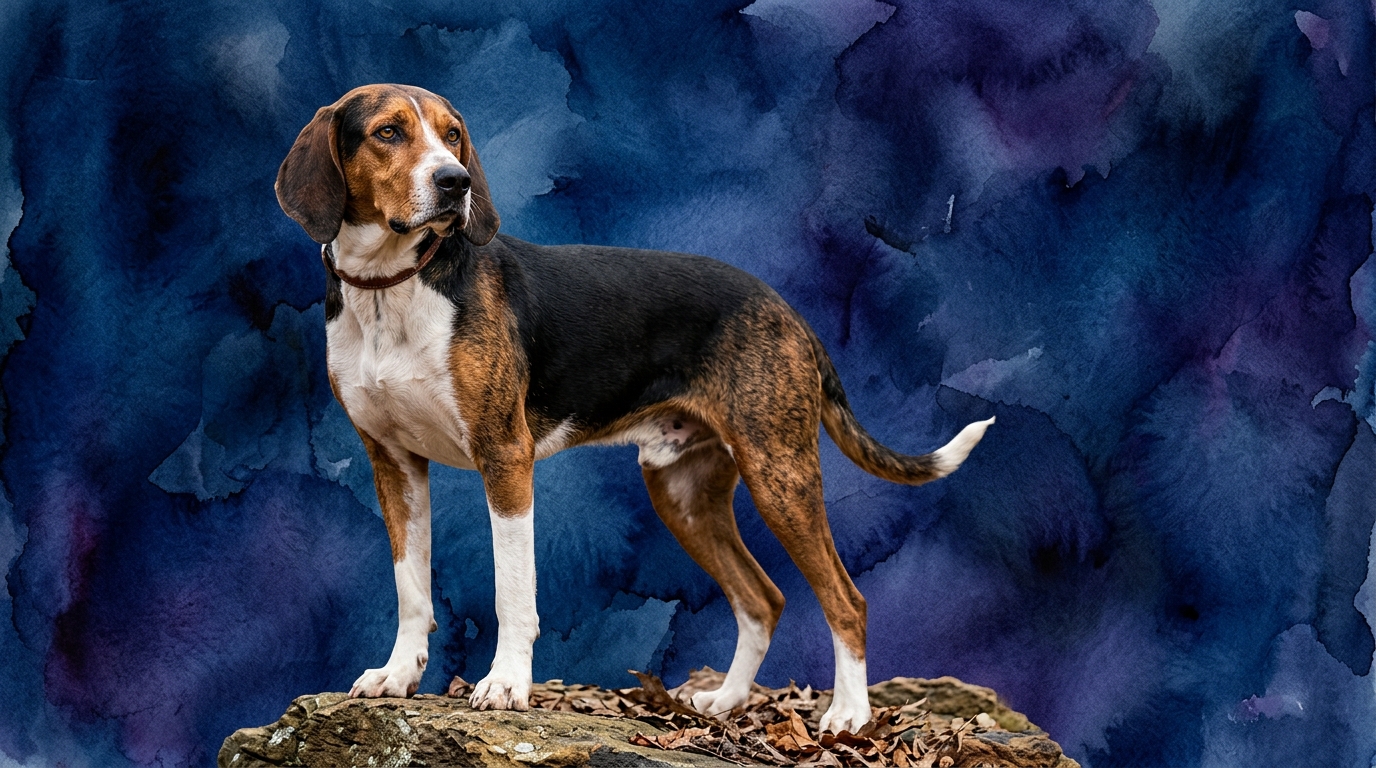

Side-by-Side IQ Profile: Understanding the 3/5 Scores
**Problem Solving 3/5:** For the Treeing Walker Coonhound, a 3/5 in problem-solving manifests as an adeptness in navigating complex natural environments, such as dense woods or varied terrain, to diligently follow a scent trail. They exhibit strategic thinking in cornering quarry or overcoming natural obstacles like fallen logs or streams to maintain pursuit, often relying on their keen olfactory senses to decipher subtle puzzles in the landscape. This involves assessing the most efficient path and adapting their strategy based on scent intensity and direction, showcasing a practical, field-oriented cognitive flexibility. Conversely, the Russian Toy’s 3/5 in problem-solving often appears within their home environment, where they might cleverly figure out how to gain attention from a busy family member, manipulate toys to extract hidden treats, or even devise subtle ways to get what they want, such as nudging a hand for pets or strategically placing themselves for an advantage. Their solutions are typically less about physical navigation of a wilderness and more about social dynamics, resourcefulness, and exploiting opportunities within a domestic setting. They might learn to open simple latches or retrieve specific items, demonstrating a keen understanding of cause and effect in their immediate world.
**Training Speed 3/5:** The Treeing Walker Coonhound, registering a 3/5 for training speed, learns commands and routines at a moderate pace, particularly when the training is directly tied to their strong scent drive or involves activities they naturally enjoy, like retrieving or tracking games. Their independent nature, a hallmark of many hound breeds developed to work autonomously, can sometimes make them seem less eager to comply if a compelling scent distraction is present, requiring consistent, patient, and highly rewarding training methods that tap into their innate motivations. Repetition and positive reinforcement are key, ensuring the desired behavior is more rewarding than environmental distractions. The Russian Toy also registers a 3/5 in training speed, often demonstrating a quick grasp of basic commands and fun tricks, especially when positive reinforcement, praise, and engaging interactions are involved. However, their small size and sometimes delicate temperament can mean they are easily overwhelmed or distracted by loud noises or sudden movements, requiring short, fun, and high-energy training sessions to maintain focus and enthusiasm. They thrive on a playful approach, where learning feels like a game, rather than a chore.
**Social Intelligence 3/5:** A Treeing Walker Coonhound’s 3/5 in social intelligence is deeply rooted in their history as cooperative hunting partners. They develop strong bonds with their human handlers and can work effectively in a pack, understanding subtle cues from both people and other dogs while on a hunt, such as hand signals or changes in vocal tone. This intelligence allows them to interpret human intentions and collaborate towards a shared goal, often demonstrating a loyal and affectionate demeanor within their family unit, though their primary social focus might be on their working relationship. They can read the energy of a hunting party and adjust their behavior accordingly, showcasing a practical, task-oriented social awareness. The Russian Toy’s 3/5 in social intelligence shines in their ability to form profound connections with their core family members, often becoming highly attuned to human emotions and daily routines. They are adept at reading body language, facial expressions, and vocal tones, using this understanding to seek comfort, provide companionship, or signal their own needs, making them exceptionally responsive and emotionally intelligent companions in a domestic setting. They can often anticipate a human’s mood or desire for interaction, adjusting their approach accordingly.
**Instinctive Drive 3/5:** The 3/5 instinctive drive of the Treeing Walker Coonhound is powerfully expressed through their relentless pursuit of scent. This deeply ingrained drive compels them to track, bay, and tree game, showcasing an unwavering focus and stamina that is essential for their traditional role in locating and holding quarry. This strong impulse means they require consistent outlets for their natural instincts, such as organized scent work or lure coursing, and can be single-minded when on a trail, often tuning out other stimuli and even human commands. Their drive is a fundamental part of their being, demanding respect and appropriate channeling. For the Russian Toy, a 3/5 instinctive drive manifests differently, often as a lively alertness and a strong desire for interaction and companionship. While they may exhibit a keenness to alert to novel sounds or sights, sometimes displaying a surprisingly bold “big dog in a small body” attitude towards perceived threats, their primary drive is often centered around being an integral and cherished part of their human family, seeking proximity, engagement, and shared experiences. This drive translates into a deep need for social connection and participation.
**Memory 3/5:** A Treeing Walker Coonhound’s 3/5 memory supports their hunting prowess, enabling them to recall complex scent patterns, remember the location of previous game sightings, and retain learned commands specific to field work, such as “tree ‘em” or “find it.” They can store and retrieve information about their environment, including terrain features and past experiences with remarkable accuracy, crucial for effective tracking over varying terrains and times, and for understanding the nuances of a particular hunt. Their memory is robust for practical, task-oriented information. The Russian Toy’s 3/5 memory is evident in their ability to recall daily routines, remember specific people and their preferences, and retain a repertoire of tricks and house rules, like where they are allowed to be or not. They quickly learn which behaviors yield positive results and which do not, building a detailed mental map of their social world and daily schedule, often demonstrating an excellent memory for people they have met, even after long absences. Their memory is strong for social and domestic contexts.
Where the Treeing Walker Coonhound Wins Cognitively
The Treeing Walker Coonhound excels in cognitive areas demanding sustained, independent application of their senses in complex outdoor scenarios. Their 3/5 problem-solving and memory, coupled with a potent 3/5 instinctive drive, allow them to process intricate scent information over vast distances and varied terrain, a unique form of spatial and sensory intelligence. They demonstrate superior endurance in mental focus during tracking, capable of filtering out irrelevant stimuli to concentrate solely on a specific scent signature, a cognitive feat requiring considerable mental stamina and selective attention. Furthermore, their ability to navigate and remember complex topographical features while on a hunt showcases a robust operational memory that is specifically tuned for environmental traversal and sensory input, allowing them to effectively map and recall intricate pathways and scent patterns in the wilderness.
Where the Russian Toy Wins Cognitively
The Russian Toy, conversely, demonstrates cognitive strengths in areas requiring nuanced social interaction and adaptability within a human-centric environment. Their 3/5 social intelligence, combined with a quick perceptive faculty, enables them to rapidly assess and respond to subtle shifts in human mood and household dynamics, often adjusting their own behavior accordingly. They are particularly adept at learning complex social cues and adapting their behavior to fit various domestic situations, whether greeting guests or engaging in quiet companionship. Their memory, also a 3/5, is often specialized in recalling individual human preferences and routines, making them highly predictable and responsive companions. This breed excels at “reading the room,” a form of contextual intelligence that allows them to seamlessly integrate into family life and anticipate needs, often anticipating a human's next move or desire for interaction with surprising accuracy.
Which is Easier to Train and Why
Determining which breed is “easier” to train is nuanced, as both hold a 3/5 for training speed, but their motivations and challenges differ significantly. A Treeing Walker Coonhound, while capable of learning, presents unique considerations due to their powerful 3/5 instinctive drive. Their primary motivation is often scent-related, meaning that if a compelling smell captures their attention, recalling them or diverting their focus can be a significant challenge, requiring extensive proofing and high-value, often scent-based, rewards. Their independent nature, essential for a solo hunter, means they are not inherently driven to please humans above all else; training requires making tasks intrinsically rewarding and consistently engaging their natural drives, ensuring consistency and patience from the owner.
The Russian Toy, while also a 3/5 for training speed, often approaches training with a greater eagerness to interact and please their human companions. They are generally more sensitive to vocal tone and body language, making positive reinforcement highly effective. Their smaller stature means they are less physically demanding to manage, and their desire for companionship can be a strong motivator for learning tricks and obedience. However, their small bladder size can make house-training a longer process requiring extra diligence, and their occasional “big dog” attitude in a small body might lead to selective hearing if they are overstimulated or perceive a better social opportunity elsewhere. Overall, while both require consistent effort, the Russian Toy might feel “easier” for an owner seeking a highly responsive companion for trick training and household manners due to their social motivation, whereas the Coonhound demands an owner who understands and can channel intense natural instincts through dedicated, stimulating work.
Which Suits Active Owners vs. Relaxed Owners
The Treeing Walker Coonhound is unequivocally suited for active owners who relish outdoor adventures and can provide significant physical and mental stimulation. Their 3/5 instinctive drive means they possess boundless energy and a profound need for extensive exercise, including long runs, hikes, and engaging scent work or tracking activities that fulfill their innate purpose. An owner who understands and can channel their innate desire to track will find a fulfilling partnership, but those seeking a sedentary companion will find their needs unmet, potentially leading to frustration. They thrive in environments where they can explore securely, making a large, securely fenced yard or regular access to safe, open spaces essential for their well-being.
The Russian Toy, while possessing a lively 3/5 instinctive drive for interaction, is better suited for owners who prioritize consistent companionship and indoor activities, complemented by regular, moderate walks. Their exercise needs are far less demanding than a Coonhound's, making them ideal for individuals living in apartments or those with a more relaxed lifestyle, provided they still receive daily mental enrichment through play and training, and opportunities for social interaction. They thrive on close human interaction and are content to be involved in their owner's daily routines, often happy to curl up nearby, making them excellent companions for those who spend a lot of time at home or can easily take their small dog with them on errands and social outings.
The Verdict
Choose the Treeing Walker Coonhound if you are an active, outdoors-oriented individual or family, passionate about canine scent work or hunting, and prepared to provide extensive physical exercise and dedicated training to channel their powerful natural drives.
Opt for the Russian Toy if you seek a devoted, adaptable companion for a more relaxed or indoor-centric lifestyle, valuing close human interaction, manageable exercise needs, and a dog that thrives on being an integral part of family life.
🧠 Find Your Pet's IQ Score
Our Pet IQ Lab assessment covers 25+ tests across 5 cognitive dimensions — personalized to your breed.
Take the Full IQ Test →Frequently Asked Questions
Do Treeing Walker Coonhounds bark a lot?
Yes, Treeing Walker Coonhounds are vocal dogs, known for their distinctive “baying” bark which is an integral part of their hunting communication. This vocalization is a manifestation of their instinctive drive and requires understanding and management in a home environment.
Are Russian Toys good with children?
Russian Toys can be good with older, respectful children who understand how to interact gently with a small dog. Their delicate structure means they are less suited for very young children who might accidentally injure them, and supervision is always recommended for safe interactions.
How much grooming do these breeds require?
Treeing Walker Coonhounds have short, easy-care coats that require minimal grooming, typically just weekly brushing to remove loose hair and maintain skin health. Russian Toys come in two coat varieties: smooth-coated, needing minimal care, and long-coated, which requires more frequent brushing to prevent tangles and mats, usually several times a week.