
A Side-by-Side Look at Cognitive Profiles
The Cosmic Pet Pet IQ Lab assesses Problem Solving, Training Speed, Social Intelligence, Instinctive Drive, and Memory. While both the Treeing Walker Coonhound and the Silky Terrier achieve a consistent 3/5 in each category, the manifestation of these scores is profoundly unique to their breed groups and historical roles. Understanding these nuances is key to appreciating their individual brilliance.
For the **Treeing Walker Coonhound**, a member of the Hound group, their Problem Solving (3/5) is deeply rooted in their ability to decipher complex scent trails, navigate varied terrain, and locate quarry with remarkable persistence. Their solutions are often dynamic, real-time deductions based on olfactory information, rather than intricate puzzle manipulation. Training Speed (3/5) reflects their capacity to learn commands efficiently, particularly those relevant to their work, but their independent nature and powerful scent drive mean quick learning is often contingent on managing environmental distractions and channeling their focus effectively. Their Social Intelligence (3/5) fosters strong bonds within their human family and pack, understanding group dynamics and cues, though their interactions might lean more towards cooperative action than subtle appeasement. An Instinctive Drive (3/5) is incredibly strong, propelled by an intense desire to track, tree, and vocalize, which profoundly influences nearly all their cognitive functions. Finally, their Memory (3/5) is exceptional for scent paths, familiar territories, and recalling complex sequences of actions related to hunting, which is vital for their specialized work.
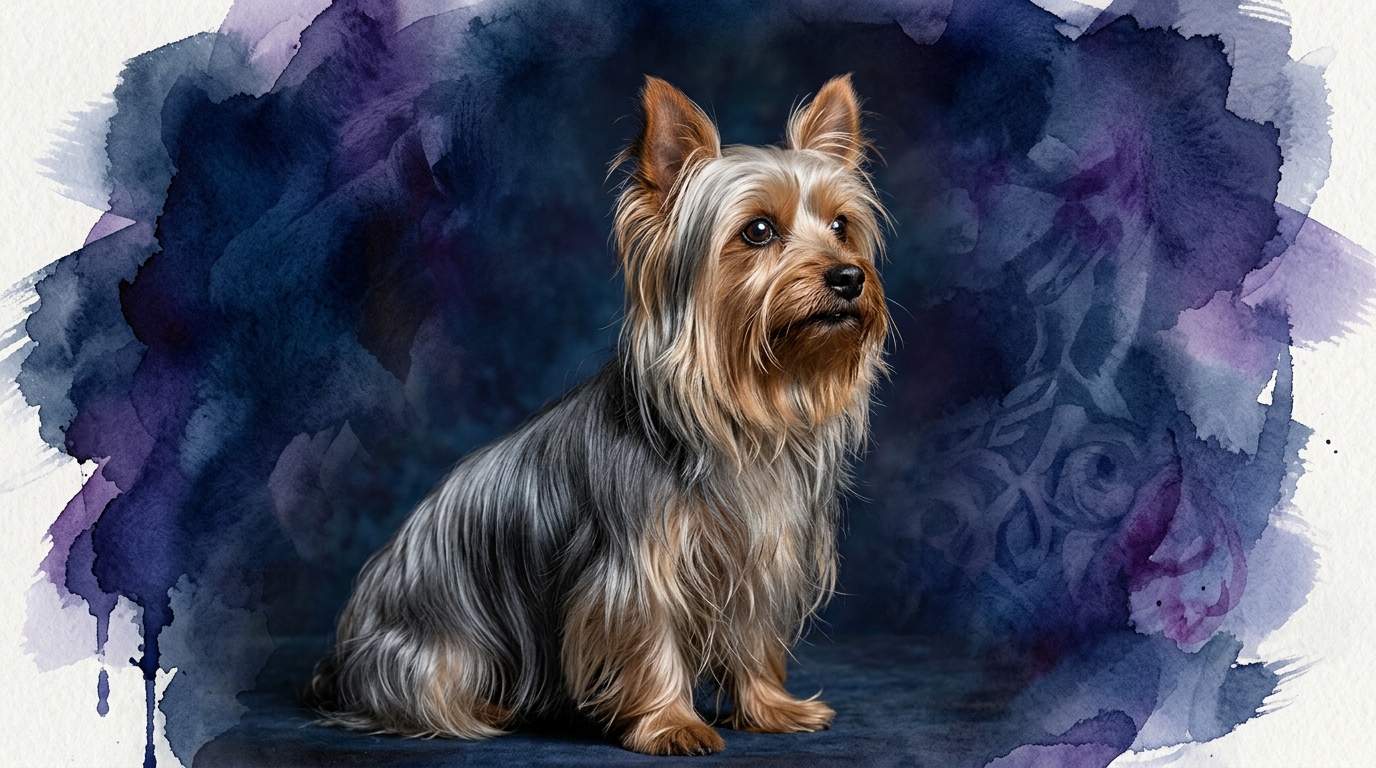
In contrast, the **Silky Terrier**, a member of the Toy group, displays Problem Solving (3/5) through cleverness in navigating household challenges, figuring out how to gain attention, or manipulating toys to achieve a desired outcome. Their solutions often involve observation, trial-and-error, and resource acquisition within a domestic setting. Their Training Speed (3/5) allows them to learn new commands at a moderate pace, frequently motivated by positive reinforcement and human attention. While eager to please a favored human, their inherent terrier independence can sometimes lead to selective hearing. Social Intelligence (3/5) is a hallmark of the Silky, as they are highly attuned to human emotions and social cues within their family unit, excelling at forming close, interactive bonds and understanding how to elicit responses from their people through charm and persistence. Their Instinctive Drive (3/5), while moderate to high, retains a strong terrier inclination for chasing small critters, digging, and maintaining vigilance, manifesting as alertness and a desire to 'work' as a companion and protector. Their Memory (3/5) allows them to recall routines, specific interactions, and the locations of favored toys or sleeping spots, remembering which actions lead to rewards or attention, which is crucial for their role as a devoted companion.
Where the Treeing Walker Coonhound's Cognition Shines
The Treeing Walker Coonhound's cognitive strengths are profoundly linked to their specialized hunting heritage. They exhibit a superior ability to process and follow complex olfactory information, accurately interpreting faint traces over long distances and across varied, challenging terrain. This isn't just about 'smelling things'; it's a sophisticated form of environmental deduction, where they build a mental map and strategy from scent data.
Their unwavering focus on a tracking task, even amidst significant environmental distractions, demonstrates incredible mental stamina and single-minded dedication. This persistence is a cognitive asset, allowing them to continue problem-solving until a resolution is found. Their 'problem-solving' is inherently real-world and dynamic, often requiring independent decision-making in the field—a distinct form of intelligence compared to, for instance, learning a choreographed trick. Furthermore, their memory for specific trails, past successful hunts, and the layout of their hunting grounds is phenomenal, allowing them to refine their strategies and become increasingly effective over time.
Where the Silky Terrier's Cognition Excels
The Silky Terrier’s cognitive prowess shines brightest within a domestic and companion context. They possess exceptional social awareness within a human family, demonstrating a keen understanding of subtle cues, emotional states, and anticipating the needs or desires of their people. This makes them remarkably adept at navigating complex social dynamics within a household.
Their resourcefulness in a home environment is another key strength; they are clever at figuring out how to get what they want, be it attention, a treat, or a preferred sleeping spot. Their problem-solving often revolves around social manipulation or subtly altering their environment for personal comfort or benefit. Their memory is excellent for daily routines, specific positive or negative interactions, and the locations of favored items, which is vital for their role as an integrated and devoted companion. Moreover, their inherent alertness and vigilance, a remnant of their terrier instincts, demand quick cognitive processing of environmental changes, allowing them to act as effective, albeit small, watchdogs.
Training Dynamics: Hound Independence vs. Terrier Tenacity
Despite both breeds scoring 3/5 for Training Speed, the practicalities of training them differ significantly due to their behavioral predispositions. For the Treeing Walker Coonhound, training requires considerable patience, consistency, and a deep understanding of their powerful prey drive. While they possess the capacity to learn commands quickly, their independent nature means they will frequently prioritize a compelling scent or an interesting trail over a human command. It’s not a lack of cognitive ability, but a difference in intrinsic motivation and focus; they learn rapidly when the task aligns with their instincts or offers a strong, immediate reward. Effective training often involves channeling their innate drives rather than attempting to suppress them entirely, and recall can be a persistent challenge when an enticing scent is present.
The Silky Terrier, also rated 3/5 for Training Speed, presents different training challenges. They can be eager to please, particularly for favored family members, and often respond well to positive reinforcement methods, readily picking up tricks and commands. However, their strong terrier tenacity means they can exhibit stubbornness if they don't perceive the value of a command or if they prefer to do something else. Consistency is paramount to overcome their independent streak and prevent them from developing 'selective hearing.' While their small size makes managing physical behaviors relatively easier, their mental stubbornness requires persistence and engaging training techniques to maintain focus and cooperation. Both breeds benefit from early and consistent socialization to shape their responses to the world around them.
Lifestyle Compatibility: Active Explorers vs. Engaged Companions
The cognitive and physical needs of these two breeds dictate very different lifestyle compatibilities. The Treeing Walker Coonhound is ideally suited for active owners or families who genuinely appreciate their outdoor prowess and can provide ample physical exercise alongside significant mental stimulation, particularly related to scent work. They thrive in environments where their instincts can be harnessed, perhaps through tracking sports, extensive walks, or hikes in varied terrain. These are not dogs content with a quick walk around the block; their cognitive and physical well-being demands regular, purposeful exploration and engagement with their environment, making them excellent partners for endurance activities and outdoor adventures. Their minds are constantly at work, processing the world through their nose.
Conversely, the Silky Terrier is a better match for owners who desire an engaged, alert, and affectionate companion and can provide consistent interaction and moderate daily activity. They enjoy walks, playtime, and short bursts of energy, but are equally happy to be curled up on the couch, provided they are actively involved in family life. Their mental stimulation primarily comes from social interaction, learning new things within the home, and being an integral part of the household's routines. They excel in environments where they are central to the family's daily activities, offering charm, wit, and vigilance. Their cognitive strengths are best nurtured through consistent human interaction and integration into domestic life.
The Verdict
Choose the Treeing Walker Coonhound if you are an active individual or family seeking a devoted, determined partner for outdoor adventures, scent work, or a truly independent canine spirit. Their unique cognitive strengths shine when given opportunities to follow their incredible nose and make independent decisions in natural environments.
Choose the Silky Terrier if you desire an alert, affectionate, and spirited companion who thrives on close family interaction and moderate activity, excelling in a home environment. Their cleverness and social intelligence are best appreciated by owners who enjoy a dog deeply integrated into their daily life, providing charm and vigilance.
🧠 Find Your Pet's IQ Score
Our Pet IQ Lab assessment covers 25+ tests across 5 cognitive dimensions — personalized to your breed.
Take the Full IQ Test →Frequently Asked Questions
Do Treeing Walker Coonhounds make good family pets despite their hunting background?
Yes, Treeing Walker Coonhounds can be excellent family companions, forming strong bonds and generally being good with children when properly socialized and exercised. Their gentle nature at home contrasts with their drive in the field, but their vocalizations and need for activity must be understood by their family.
Are Silky Terriers prone to excessive barking?
Silky Terriers, true to their terrier heritage, can be quite vocal, using their bark to alert their owners to anything unusual or to express excitement. Consistent training and early socialization can help manage this tendency, but some degree of alertness and vocalization is inherent to the breed.
How do their similar IQ scores translate to different cognitive behaviors?
While both breeds score 3/5 across cognitive dimensions, the *application* of these abilities differs greatly due to their distinct evolutionary purposes. The Coonhound applies its problem-solving and memory to complex scent trails and independent field work, while the Silky applies its intelligence to navigating domestic social dynamics and manipulating its home environment for comfort and attention.