Side-by-Side Cognitive Profile: Unpacking Identical Scores
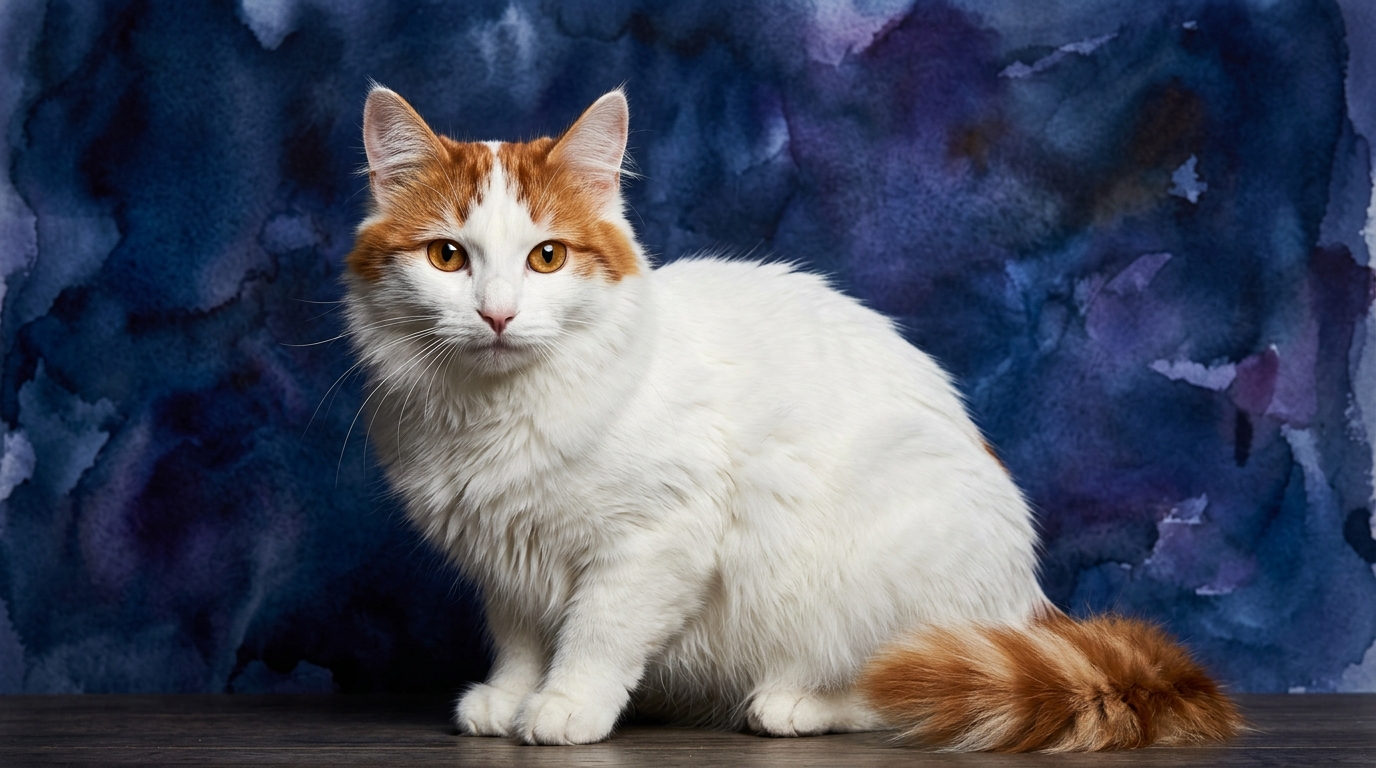
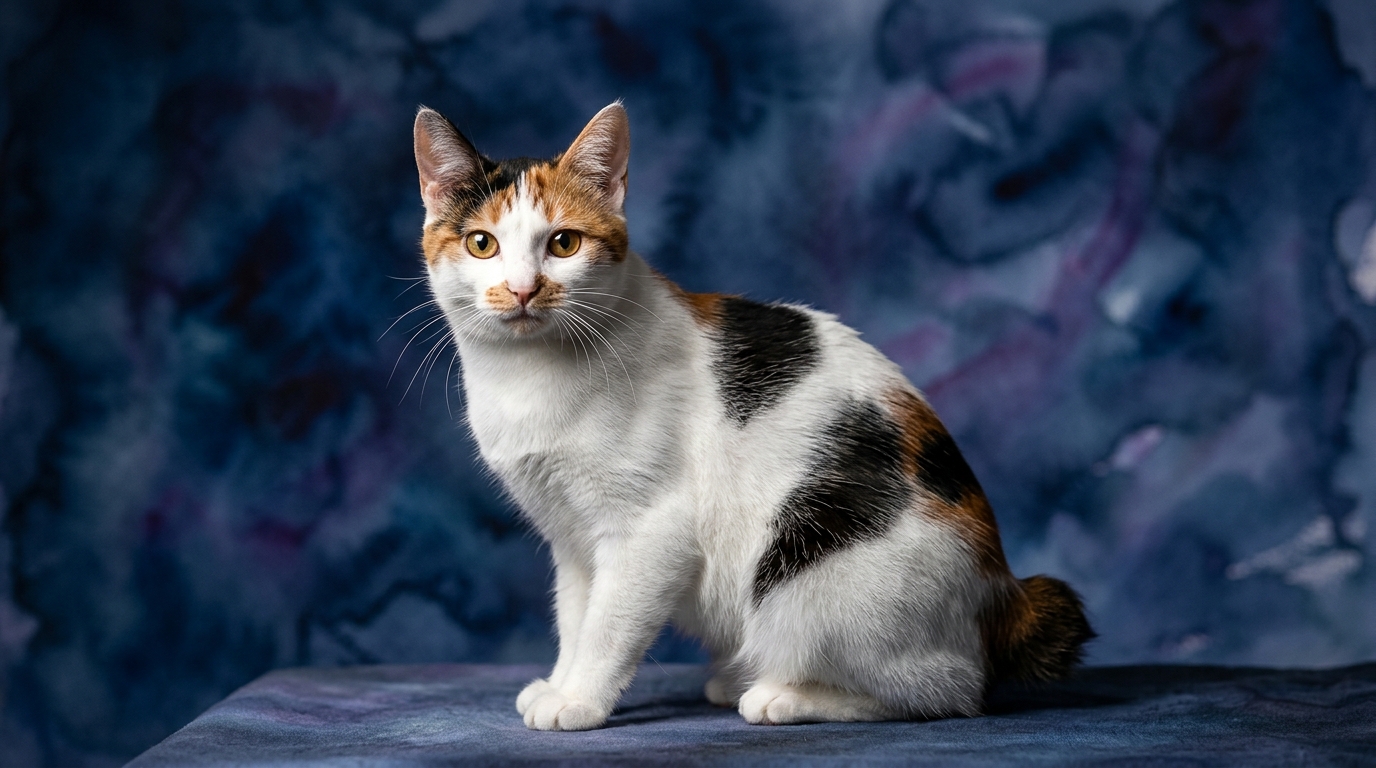
At first glance, The Cosmic Pet Pet IQ Lab data presents an intriguing paradox: both the Turkish Van and the Japanese Bobtail register identical scores across all five intelligence dimensions. Each breed scores 3/5 for Problem Solving, Training Speed, Social Intelligence, Instinctive Drive, and Memory. This parity suggests a similar foundational capacity, yet their distinct breed histories and temperaments shape how these capacities manifest in daily life, inviting us to look beyond the numbers into their unique behavioral expressions.
For Problem Solving (3/5), both breeds demonstrate a moderate capacity to navigate new challenges and achieve desired outcomes. A Turkish Van might apply this by ingeniously manipulating a faucet to access running water, or by devising strategies to reach high, inaccessible perches. Their problem-solving often involves environmental interaction and physical prowess. In contrast, a Japanese Bobtail might exhibit its 3/5 problem-solving by mastering complex puzzle toys designed for mental enrichment, or by figuring out intricate ways to solicit attention or treats from their human companions, often leveraging their charming social skills.
Regarding Training Speed (3/5), both breeds show a moderate aptitude for learning new commands and routines. A Turkish Van, known for its playful and independent spirit, might quickly grasp retrieving games or leash training, especially when motivated by engaging play or their beloved humans. Their learning can be swift when the task aligns with their natural inclinations. The Japanese Bobtail, with its sociable and adaptable nature, also learns at a moderate pace, often excelling in trick training or complex routines due to their eagerness to please and strong desire for interaction, making the training process a shared, enjoyable activity.
In Social Intelligence (3/5), both cats exhibit a moderate ability to understand and respond to social cues. The Turkish Van typically forms deep, singular bonds with its chosen human family, often displaying a discerning social circle. Their social intelligence shines in their intuitive understanding of their primary caregivers' moods and routines, often leading to responsive companionship. The Japanese Bobtail, on the other hand, often extends its social acumen to a broader family unit, including children and other pets. Their 3/5 score is evident in their adaptable nature, their vocal communication (often described as 'singing'), and their ability to integrate smoothly into diverse household dynamics, reading social cues from multiple individuals.
Their Instinctive Drive (3/5) also registers at a moderate level, reflecting a balanced blend of natural feline behaviors. For the Turkish Van, this drive often manifests as a strong inclination for hunting, chasing, and, notably, a unique affinity for water play. Their instincts propel them towards active exploration and engagement with their environment, often involving robust physical activity. The Japanese Bobtail's instinctive drive, while still present for hunting and play, often leans more towards interactive engagement. They might exhibit a keen interest in stalking toys, participating in interactive games, and maintaining a playful curiosity that encourages human participation, rather than purely independent exploration.
Finally, Memory (3/5) indicates a moderate capacity for retaining information, routines, and experiences for both breeds. A Turkish Van will remember complex routes to favored spots, the location of hidden toys, and the routines of their human companions with consistent accuracy. Their memory supports their independent exploration and their strong bond with their family. The Japanese Bobtail also possesses a reliable memory, recalling learned tricks, specific human interactions, and household schedules. Their memory contributes to their consistent social behaviors and their ability to anticipate and participate in daily activities, reinforcing their role as an integral family member.
Where the Turkish Van’s Cognitive Strengths Shine
Despite matching IQ scores, the Turkish Van often excels in cognitive applications demanding physical engagement and independent reasoning. Their 3/5 problem-solving might appear more pronounced in scenarios requiring spatial awareness and mechanical understanding, such as figuring out how to open specific types of doors or cabinets to access desired items, or navigating complex outdoor environments. Their robust build and water affinity mean their instinctive drive for exploration and physical challenges often leads to clever workarounds in their environment. When a Van decides it wants something, its moderate problem-solving and memory combine to create persistent, often successful, strategies, making them adept at self-directed tasks like retrieving specific toys or even 'helping' with household chores involving water.
Where the Japanese Bobtail’s Cognitive Strengths Shine
The Japanese Bobtail's cognitive strengths often come to the forefront in social and interactive contexts. While their scores are identical, their 3/5 social intelligence is often expressed through an exceptional ability to read human emotions and adapt their behavior accordingly, making them highly responsive companions. Their problem-solving might be more directed towards social manipulation—cleverly using their vocalizations or charming antics to get what they want from their humans. Their memory for tricks and social routines, combined with their moderate training speed, means they can quickly become adept at participating in complex interactive games, often delighting owners with their ability to learn and perform sequences of actions, showcasing a playful and highly engaging form of intelligence.
Which is Easier to Train and Why?
Both breeds share a 3/5 Training Speed, implying a moderate capacity for learning, but the 'ease' of training often hinges on the owner's approach and the cat's intrinsic motivations. The Turkish Van's independent streak means training often works best when it aligns with their interests, like retrieving or water play. They respond well to positive reinforcement and consistency, but might disengage if they perceive the activity as unrewarding or overly repetitive. Their desire for vigorous play can be a powerful motivator, making them responsive to training that incorporates physical activity and exploration.
The Japanese Bobtail, with its highly social and adaptable nature, often appears 'easier' to train for a broader range of activities, especially tricks and complex sequences. Their moderate training speed is amplified by their strong desire for human interaction and approval. They thrive on positive feedback and enjoy the shared activity of learning, often using their vocalizations to engage with their trainer. Their adaptability allows them to adjust readily to different training environments and methods, making them a rewarding choice for owners keen on teaching a variety of commands and behaviors through interactive play and vocal encouragement.
Which Suits Active Owners vs. Relaxed Owners?
For active owners, the Turkish Van is often an excellent match. Their 3/5 instinctive drive and problem-solving abilities fuel a need for regular physical and mental stimulation. They thrive in environments where they can explore, climb, and engage in vigorous play, including unique activities like water games. Owners who enjoy interactive play sessions, providing puzzle toys, and perhaps even leash training for outdoor adventures will find the Van a responsive and engaging companion. Their independence means they can entertain themselves, but they truly flourish with active participation from their humans, needing outlets for their considerable energy and curious minds.
The Japanese Bobtail, while playful and active, often suits a wider range of owners, including those with a more relaxed lifestyle, provided they prioritize consistent interaction. Their moderate instinctive drive is often directed towards social play and companionship rather than intense physical exertion. They are adaptable and can be content with varied activity levels, from energetic play sessions to quiet companionship. Owners who appreciate a cat that is deeply integrated into family life, enjoys interactive games, and thrives on social engagement will find the Bobtail a delightful fit. They are excellent for those who seek a cat that is both playful and affectionate, willing to participate in daily activities and offer constant, charming companionship.
The Verdict
Choose the Turkish Van if you are an active owner who values a physically robust, independent cat with a unique affinity for water, and you enjoy engaging in vigorous play and environmental exploration.
Opt for the Japanese Bobtail if you seek a highly social, adaptable, and communicative companion who thrives on interaction, enjoys learning tricks, and integrates seamlessly into a bustling family environment.
🧠 Find Your Pet's IQ Score
Our Pet IQ Lab assessment covers 25+ tests across 5 cognitive dimensions — personalized to your breed.
Take the Full IQ Test →Frequently Asked Questions
Do Turkish Vans really like water?
Yes, Turkish Vans have a unique and well-documented affinity for water, often enjoying playing in sinks, tubs, and even swimming. This behavior is a distinguishing trait, likely rooted in their breed history and contributes to their active, exploratory nature.
Are Japanese Bobtails vocal cats?
Absolutely, Japanese Bobtails are renowned for their distinctive vocalizations, often described as 'singing' or chirping, rather than traditional meows. They use a wide range of tones and sounds to communicate with their humans, making them quite expressive companions.
Can either breed be good with children?
Yes, both can be good with children, though their approaches differ. The Japanese Bobtail is generally more adaptable and overtly social, often enjoying interaction with respectful children. The Turkish Van, while bonding deeply with its family, might be more selective and appreciate respectful boundaries, making supervision important during interactions with very young children.