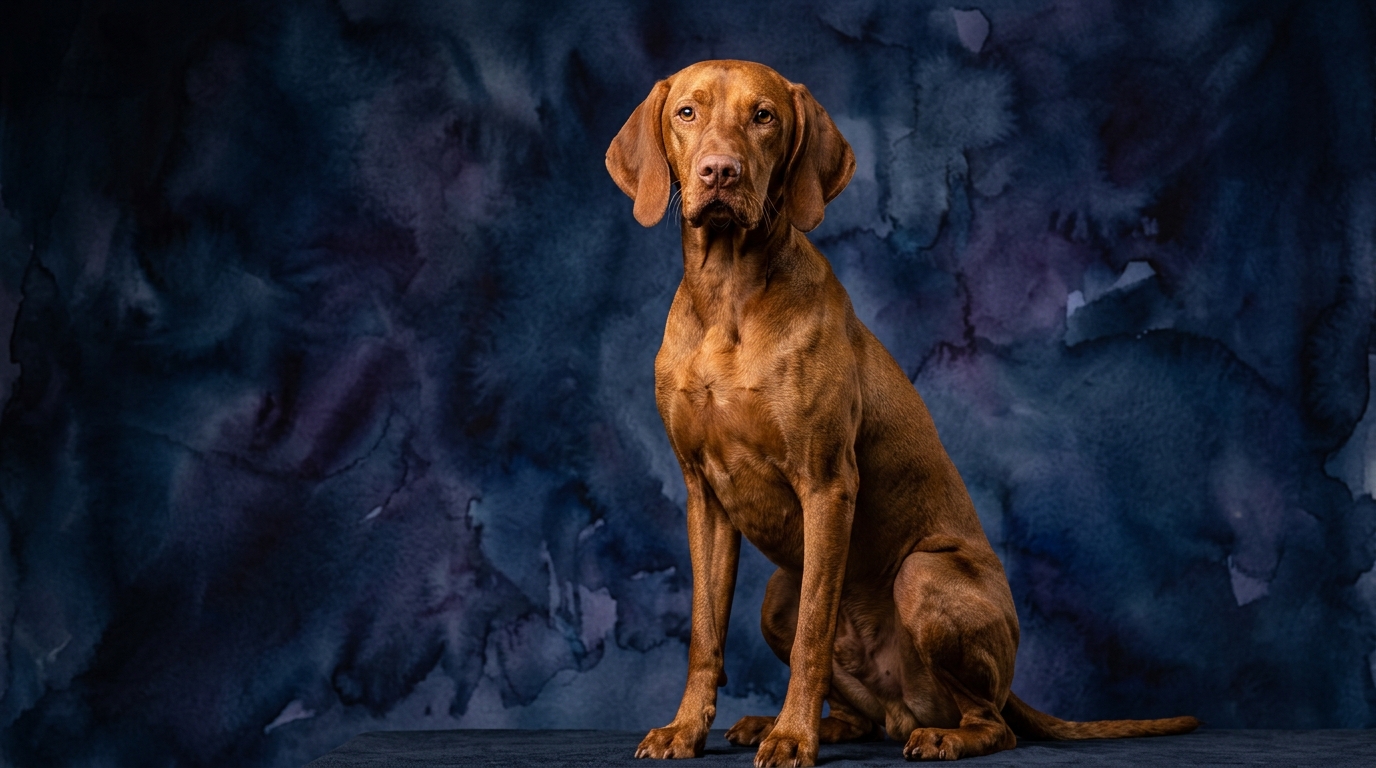
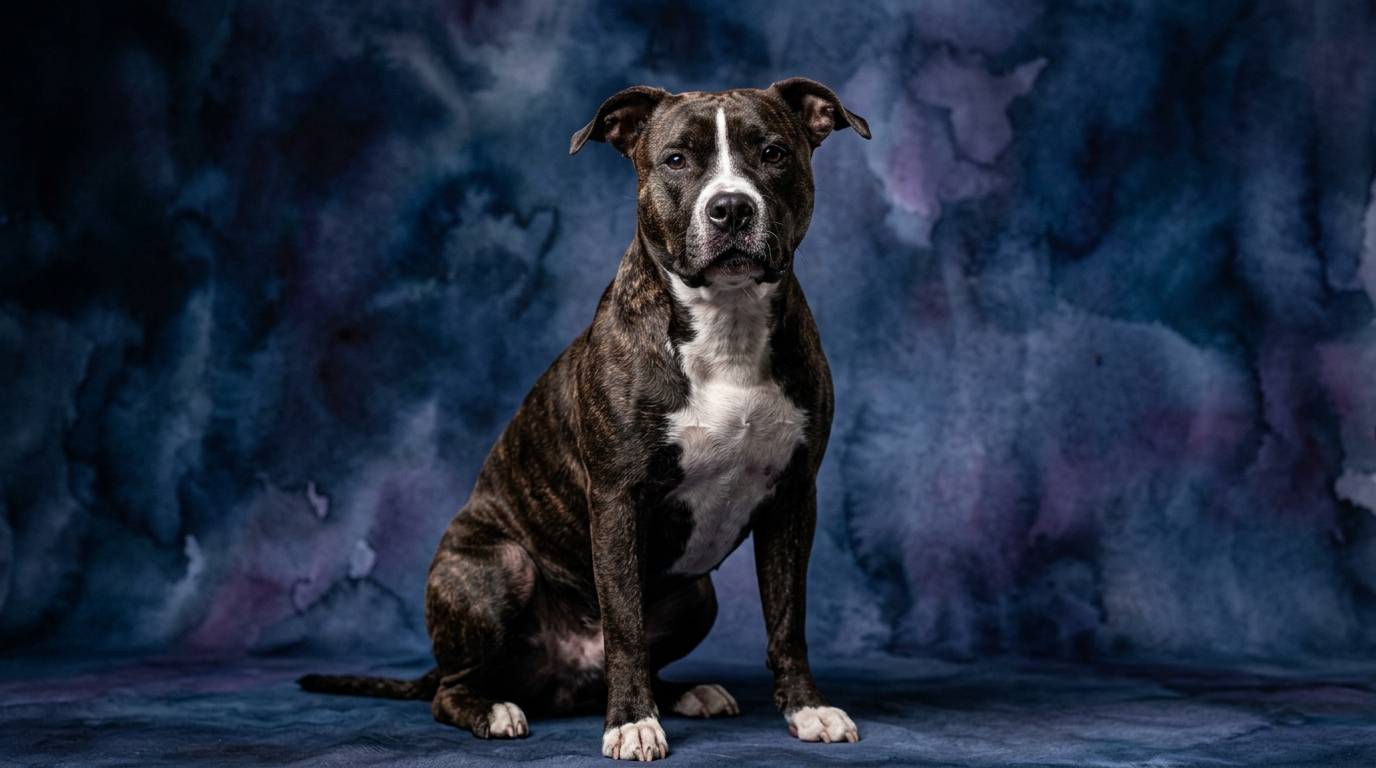
Side-by-Side IQ Profile: Vizsla vs. American Staffordshire Terrier
The Cosmic Pet Pet IQ Lab evaluates canine intelligence across five critical dimensions, providing a granular view of how breeds process information and interact with their world. For the Vizsla, a Sporting group dog with a Coren ranking of #31, its profile highlights a finely tuned intellect geared towards partnership and purpose. Its problem-solving ability scores 4/5, indicating a capacity for navigating complex scenarios and adapting strategies effectively. Training speed is also strong at 4/5, suggesting a quick grasp of new commands and routines. The Vizsla's social intelligence shines with a perfect 5/5, reflecting an exceptional attunement to human cues and emotional states. Its instinctive drive is equally robust at 5/5, showcasing a powerful intrinsic motivation for work and activity. Memory for the Vizsla stands at a solid 4/5, allowing for retention of learned behaviors and experiences.
In contrast, the American Staffordshire Terrier, a Terrier group dog ranked #48 by Coren, presents a different cognitive blueprint, emphasizing resilience and a distinct form of focus. Its problem-solving capacity scores 3/5, indicating a practical approach to challenges, often preferring direct action over intricate strategy. Training speed for the AmStaff is 3/5, meaning it requires consistent, patient instruction and clear motivation to learn new tasks. Social intelligence registers 3/5, suggesting they are observant but may not always prioritize subtle human signals in the same way a Vizsla does, often operating with more independence. Instinctive drive is rated 3/5, showing a moderate but persistent internal motivation, often tied to their terrier heritage of pursuit and engagement. Interestingly, the AmStaff matches the Vizsla in memory, scoring 4/5, demonstrating a strong ability to recall commands and routines over time.
Where the Vizsla Wins Cognitively
The Vizsla's cognitive strengths are most apparent in areas demanding acute social awareness and a high-octane work ethic. Its perfect 5/5 social intelligence score means a Vizsla is exceptionally adept at reading human body language, tone, and intent. This makes them remarkably intuitive partners, often anticipating their owner's next move or emotional state, leading to a profound bond and seamless communication in training or daily life. This isn't merely obedience; it's a deep, reciprocal understanding that allows them to integrate into a family's rhythm with minimal friction.
Furthermore, the Vizsla's 5/5 instinctive drive, coupled with a 4/5 problem-solving ability, makes them outstanding at tasks requiring sustained focus and dynamic decision-making in the field. Whether tracking game, navigating agility courses, or performing complex scent work, their natural drive is channeled into purposeful action. They don't just follow commands; they engage with the task, using their problem-solving skills to overcome obstacles and achieve objectives, often with a self-directed enthusiasm that is a hallmark of their breed. This combination means they excel in environments where their innate desires can be harmonized with human instruction for a shared goal.
Where the American Staffordshire Terrier Wins Cognitively
While the American Staffordshire Terrier may not match the Vizsla's scores in every dimension, its cognitive profile offers distinct advantages, particularly in resilience and focused retention. The AmStaff's 4/5 memory score, equal to the Vizsla, indicates a strong capacity for remembering commands, routines, and experiences. This means that once a behavior is consistently learned, it tends to stick, providing a reliable foundation for long-term training and stability. Their memory, combined with their tenacity, ensures that lessons, though they may take more repetitions to embed, are not easily forgotten.
The AmStaff's 3/5 problem-solving and instinctive drive scores, while lower than the Vizsla, reflect a more independent and direct approach to challenges. They are not easily deterred and often exhibit a singular focus on a task once motivated. This can be an asset in situations requiring steadfastness and determination, rather than nuanced social interpretation. Their cognitive strength lies in their ability to concentrate on a specific objective with unwavering resolve, often showing a robust mental fortitude that allows them to push through distractions where other breeds might falter. They are less prone to overthinking and more inclined to apply learned solutions directly.
Which is Easier to Train and Why
Based on their IQ profiles, the Vizsla is generally considered easier to train due to its higher training speed (4/5) and exceptional social intelligence (5/5). Vizslas possess an innate desire to collaborate with their human partners, making them highly responsive to cues and eager to please. Their keen ability to read human emotions and intentions means they often anticipate what is asked of them, leading to quicker comprehension of new commands. For instance, a Vizsla will likely pick up a complex multi-step retrieve task with fewer repetitions because they are actively engaged in understanding the handler's intent and the purpose of the exercise, driven by their strong instinctive desire to work alongside their person.
The American Staffordshire Terrier, with a training speed of 3/5 and social intelligence of 3/5, requires a different approach to training. While they are capable learners, they often display more independence and a stronger will. Training an AmStaff demands consistent, patient, and positive reinforcement, focusing on clear communication and strong motivation. They may take more repetitions to solidify a new behavior and might test boundaries more frequently. For example, teaching an AmStaff a 'stay' command might require more consistent reinforcement and proofing in various environments, as their independent streak might prompt them to break position if not adequately motivated or if they perceive an opportunity to engage with something more interesting. Understanding their terrier tenacity and channeling it productively is key to successful training.
Which Suits Active Owners vs. Relaxed Owners
For owners seeking a highly active, engaged canine partner, the Vizsla is an ideal choice. Their 5/5 instinctive drive and high problem-solving capacity means they thrive on constant physical and mental stimulation. They are not content to be couch potatoes; a Vizsla needs daily vigorous exercise, such as long runs, hikes, or participation in dog sports like agility, flyball, or scent work. An owner who enjoys outdoor adventures, has ample time for training, and can provide a consistent outlet for their breed-specific drives will find the Vizsla to be an unparalleled companion, always ready for the next challenge and deeply bonded through shared activities. Their exceptional social intelligence further strengthens this partnership, making them an integrated part of an active lifestyle.
The American Staffordshire Terrier, while still requiring significant exercise and mental engagement, can be a better fit for owners who are active but also appreciate a dog that can settle and enjoy downtime. Their moderate instinctive drive (3/5) means they need regular physical activity—daily walks, playtime, and structured training—but they may not demand the relentless, high-intensity output of a Vizsla. An AmStaff can thrive with an owner who provides consistent, engaging activities but also values quiet companionship at home. Their independent streak means they can entertain themselves to a degree, though they still benefit immensely from interactive play and training sessions that challenge their memory and problem-solving skills, allowing them to be a versatile companion for a variety of active, yet balanced, lifestyles.
The Verdict
Choose a Vizsla if you are a highly active individual or family seeking a deeply bonded, intuitive, and driven partner for constant adventure, sport, and complex engagement.
Opt for an American Staffordshire Terrier if you appreciate a resilient, loyal, and steadfast companion who thrives on consistent activity and training, but also enjoys downtime and demonstrates a more independent spirit.
🧠 Find Your Pet's IQ Score
Our Pet IQ Lab assessment covers 25+ tests across 5 cognitive dimensions — personalized to your breed.
Take the Full IQ Test →Frequently Asked Questions
Do Vizslas suffer from separation anxiety?
Vizslas, with their high social intelligence and deep bond with their owners, are prone to separation anxiety if not properly trained and socialized. They thrive on companionship and can become distressed if left alone for extended periods, requiring owners to manage this through gradual desensitization and enriching environments.
Are American Staffordshire Terriers good with children?
When raised with appropriate socialization and training, American Staffordshire Terriers can be excellent family dogs and are often very tolerant and affectionate with children. Supervision is always recommended, and teaching both children and the dog how to interact respectfully is crucial for a harmonious household.
What kind of mental stimulation do these breeds need?
Vizslas require complex mental challenges like advanced obedience, scent work, agility, or puzzle toys that engage their problem-solving and instinctive drive. American Staffordshire Terriers benefit from consistent training, interactive games, and durable chew toys that cater to their tenacity and memory, helping to channel their energy constructively.