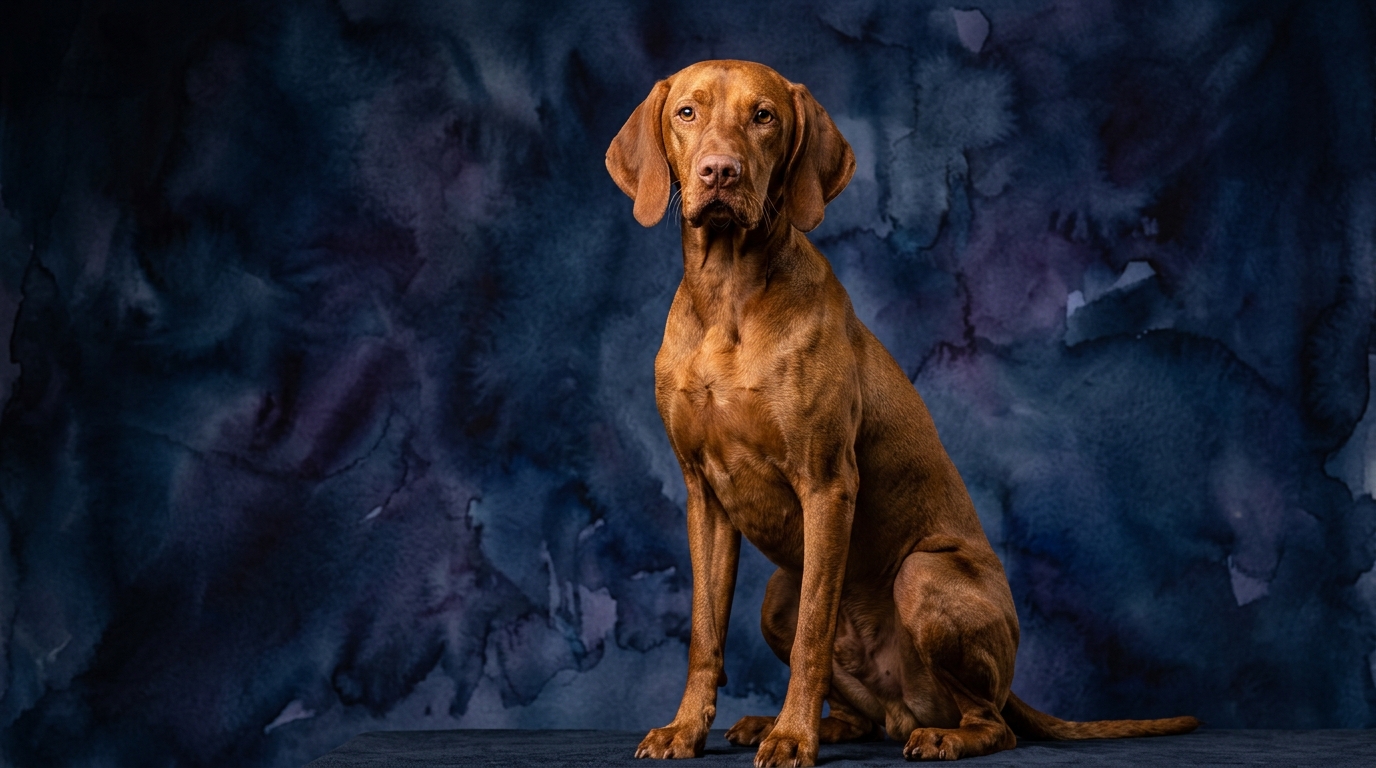
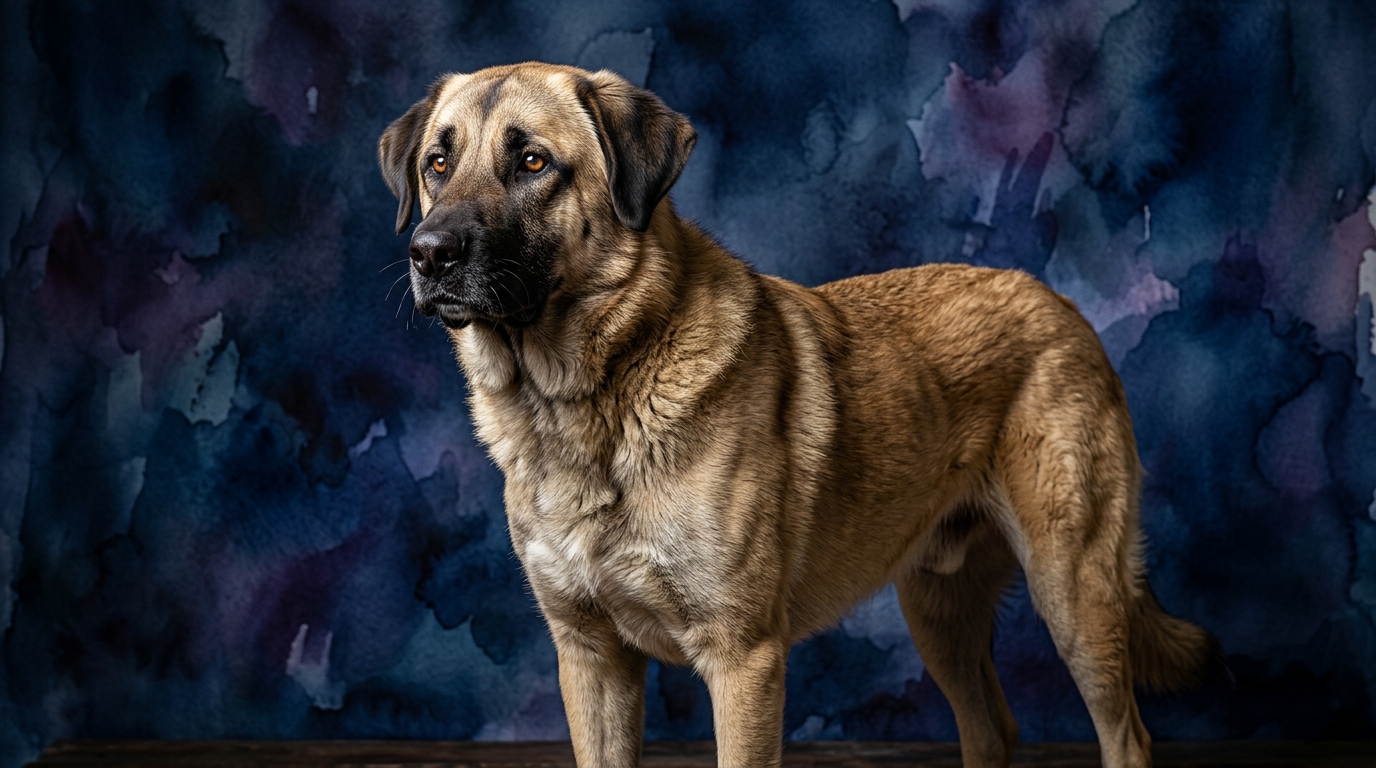
Side-by-Side IQ Profile: Vizsla vs. Anatolian Shepherd Dog
The Cosmic Pet Pet IQ Lab employs a five-dimensional framework to assess canine cognitive abilities, offering a nuanced view beyond simple obedience. For the Vizsla, a Sporting Group dog with a Coren ranking of #31, this profile paints a picture of a highly engaged and adaptable mind. Their Problem Solving is rated 4/5, indicating a strong capacity to navigate novel situations and figure out how to achieve desired outcomes, often involving environmental manipulation. Training Speed for the Vizsla stands at 4/5, reflecting their quick grasp of new commands and enthusiasm for learning sessions. Social Intelligence is exceptionally high at 5/5, meaning they are deeply attuned to human emotions and intentions, seeking out and responding to interaction with remarkable sensitivity. Their Instinctive Drive, also 5/5, points to a powerful genetic predisposition for tasks like pointing and retrieving, demonstrating intense focus and persistence in pursuit. Finally, their Memory at 4/5 ensures good retention of learned behaviors, routines, and experiences over time.
In contrast, the Anatolian Shepherd Dog, a Working Group breed not included in Coren's ranking, presents a cognitive profile optimized for independent guardianship. Their Problem Solving is rated 3/5, which signifies a practical, strategic approach to challenges, primarily focused on assessing and mitigating threats to their charges rather than quickly solving human-devised puzzles. Training Speed for the Anatolian is 3/5; they learn steadily but require patience and consistent, clear methodology, often needing to perceive the purpose behind a command. Social Intelligence is 3/5, indicating that while they form profound protective bonds with their family and flock, they tend to be reserved with strangers and interpret social cues within a more defined, protective context. Their Instinctive Drive, also 3/5, is geared towards sustained vigilance, patrolling, and territorial defense, a lower-intensity but constant cognitive engagement compared to the Vizsla's burst of activity. Their Memory is likewise 3/5, effective for retaining crucial information about their territory, perceived threats, and the individuals they protect, but perhaps not as adept at recalling complex sequences of commands.
Where the Vizsla Wins Cognitively
The Vizsla's cognitive strengths shine particularly bright in scenarios requiring rapid adaptation, collaborative learning, and intricate communication with humans. Their exceptional Social Intelligence (5/5) means they are incredibly responsive to subtle human cues, making them highly receptive partners in activities like competitive obedience, agility, or field work. This deep understanding of human intent allows them to anticipate desires and adjust their behavior accordingly, fostering a seamless working relationship. Their Problem Solving (4/5) and Training Speed (4/5) combine to create a dog that not only quickly understands new concepts but also enjoys the mental exercise of figuring things out. They excel at learning complex sequences of commands and applying them in varied environments, demonstrating a mental agility that allows them to thrive in dynamic, interactive roles.
Furthermore, the Vizsla's Instinctive Drive (5/5), while rooted in hunting, is often channeled into goal-oriented tasks that showcase their persistence and focus. This drive isn't just about chasing; it's about the mental process of tracking, strategizing, and successfully completing a task, whether it's retrieving a dummy or navigating an agility course. Their strong Memory (4/5) supports this by ensuring that once a skill is learned, it is retained, allowing for consistent performance and the building of an extensive repertoire of behaviors. For owners seeking a dog that actively participates in and often anticipates human-directed tasks, the Vizsla's cognitive architecture provides a highly engaged and mentally nimble companion.
Where the Anatolian Shepherd Dog Wins Cognitively
The Anatolian Shepherd Dog's cognitive strengths, though numerically lower in some categories, are profoundly specialized and uniquely effective for their centuries-old purpose: independent guardianship. Their Problem Solving (3/5) is not about quick tricks, but about strategic assessment and long-term planning in a fluid environment. They excel at evaluating potential threats, discerning friend from foe, and making autonomous decisions to protect their charges without constant human direction. This requires a sophisticated, steady mental process of observation, analysis, and calculated response, often involving subtle deterrents rather than overt aggression.
The Anatolian's Instinctive Drive (3/5) is a testament to their unwavering vigilance and commitment to their territory and flock. This isn't a drive for high-energy bursts, but for sustained, quiet awareness, scanning horizons and listening for the slightest anomaly. Their Social Intelligence (3/5), while not outwardly effusive, is deeply focused on identifying and bonding with their 'pack' (human or animal) and understanding the subtle dynamics within it, while maintaining a discerning caution towards outsiders. Their Memory (3/5) is exceptionally robust for retaining information critical to their guardian role, such as the boundaries of their territory, the faces of familiar individuals, and past threats. They possess a deep, stable understanding of their environment and their role within it, demonstrating a cognitive endurance and independent judgment that few breeds can match.
Which is Easier to Train and Why?
When considering ease of training, the Vizsla generally presents a more straightforward experience for most owners. Their Training Speed of 4/5, coupled with their exceptional Social Intelligence of 5/5, means they are eager to please and highly motivated by human interaction and praise. Vizslas thrive on collaborative learning, quickly grasping new commands and enjoying the mental engagement of training sessions. They respond well to positive reinforcement and consistent methods, often anticipating their handler's next move. Their inherent desire to be involved and their mental agility allow for a rapid progression through obedience and specialized skills, making them a rewarding partner in structured training.
The Anatolian Shepherd Dog, with a Training Speed of 3/5 and Social Intelligence of 3/5, requires a different approach. They are independent thinkers, bred to make autonomous decisions without constant human input, which can be perceived as stubbornness if misunderstood. Training an Anatolian demands immense patience, consistency, and a clear, fair leadership style. They are less driven by a desire to 'please' and more by a perceived purpose or logical reason for performing a task. Rote obedience might be less engaging for them than tasks that align with their natural guarding instincts, such as patrolling boundaries or assessing novel stimuli. Success with an Anatolian comes from building trust and respect, understanding their inherent self-reliance, and making training relevant to their world, rather than expecting eager compliance in every situation.
Which Suits Active Owners vs. Owners Seeking a Steady Presence?
For owners with an active lifestyle, the Vizsla is an ideal match. Their high Instinctive Drive (5/5) and need for mental stimulation (Problem Solving 4/5) mean they require significant daily exercise and engagement. They thrive in environments where they can participate in vigorous activities like running, hiking, swimming, or dog sports such as agility, flyball, and field trials. A Vizsla benefits immensely from a routine that includes both physical exertion and mentally challenging tasks, preventing boredom and potential destructive behaviors. Owners who appreciate a constant, enthusiastic companion for outdoor adventures will find the Vizsla's energy levels and cognitive needs perfectly aligned with their lifestyle, creating a deeply bonded and participatory partnership.
The Anatolian Shepherd Dog, by contrast, is better suited for owners who understand and respect their independent nature and guardian role, valuing a steady, watchful presence over constant high-energy interaction. While they are not couch potatoes, their 'activity' often takes the form of patrolling a large, secure property, observing their surroundings, and making strategic assessments. They require ample space to move and fulfill their guardian duties, but their exercise needs are less about intense, structured bursts and more about consistent, purposeful movement within their territory. These dogs are for owners who appreciate a self-reliant, calm, and protective companion, capable of making independent decisions, rather than a dog that constantly seeks high-octane human-directed activity. They offer a deep, stable presence rather than a boisterous one, making them suitable for environments where their innate guardianship is valued and given space to flourish.
The Verdict
Choose a Vizsla if you seek an engaged, highly trainable companion for an active lifestyle, dog sports, or hunting, valuing a dog's deep social connection and quick wit in collaborative endeavors.
Choose an Anatolian Shepherd Dog if you need a steadfast, independent guardian for property or livestock, appreciating a dog's strategic thinking and self-reliance, and can provide ample space and consistent, calm leadership.
🧠 Find Your Pet's IQ Score
Our Pet IQ Lab assessment covers 25+ tests across 5 cognitive dimensions — personalized to your breed.
Take the Full IQ Test →Frequently Asked Questions
Which breed is better for first-time dog owners?
A Vizsla is generally a more suitable choice for first-time dog owners due to their eagerness to please, high trainability, and strong desire for human companionship. Anatolian Shepherd Dogs, with their independent nature and specialized guardian instincts, typically require more experienced handling and a deep understanding of their unique behavioral traits.
Do Anatolian Shepherd Dogs require a lot of exercise?
Anatolian Shepherd Dogs require ample space to patrol and fulfill their guardian duties, but their exercise needs are different from a high-energy sporting dog. They need consistent, purposeful movement within their territory rather than intense, structured exercise, preferring to observe and protect.
How do Vizslas handle being left alone?
Due to their high social intelligence and strong bond with their human family, Vizslas can be prone to separation anxiety if left alone for extended periods without proper conditioning. They thrive on companionship and active involvement in daily life, requiring owners who can provide consistent interaction and engagement.