Side-by-Side Cognitive Profiles
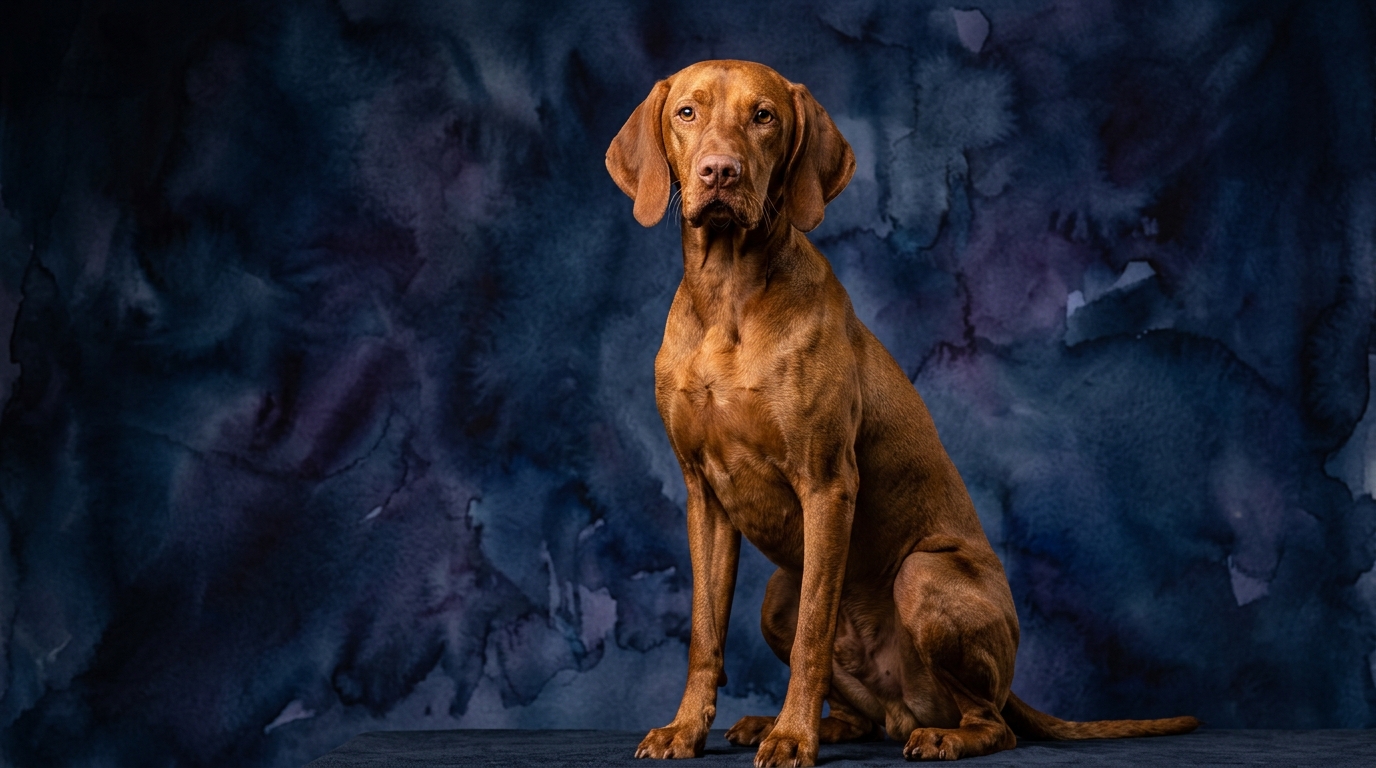
At first glance, the Vizsla and Border Terrier appear closely matched in general obedience, with Coren rankings of #31 and #30 respectively. However, a deeper dive into their specific cognitive dimensions reveals significant differences that shape their behavior and trainability. The Vizsla, a member of the Sporting group, displays a cognitive profile finely tuned for cooperative hunting and close partnership. Their Pet IQ Lab scores include problem Solving 4/5, training Speed 4/5, social Intelligence 5/5, instinctive Drive 5/5, and memory 4/5. This combination paints a picture of a dog eager to engage with humans in complex tasks, driven by a powerful desire to work alongside them.
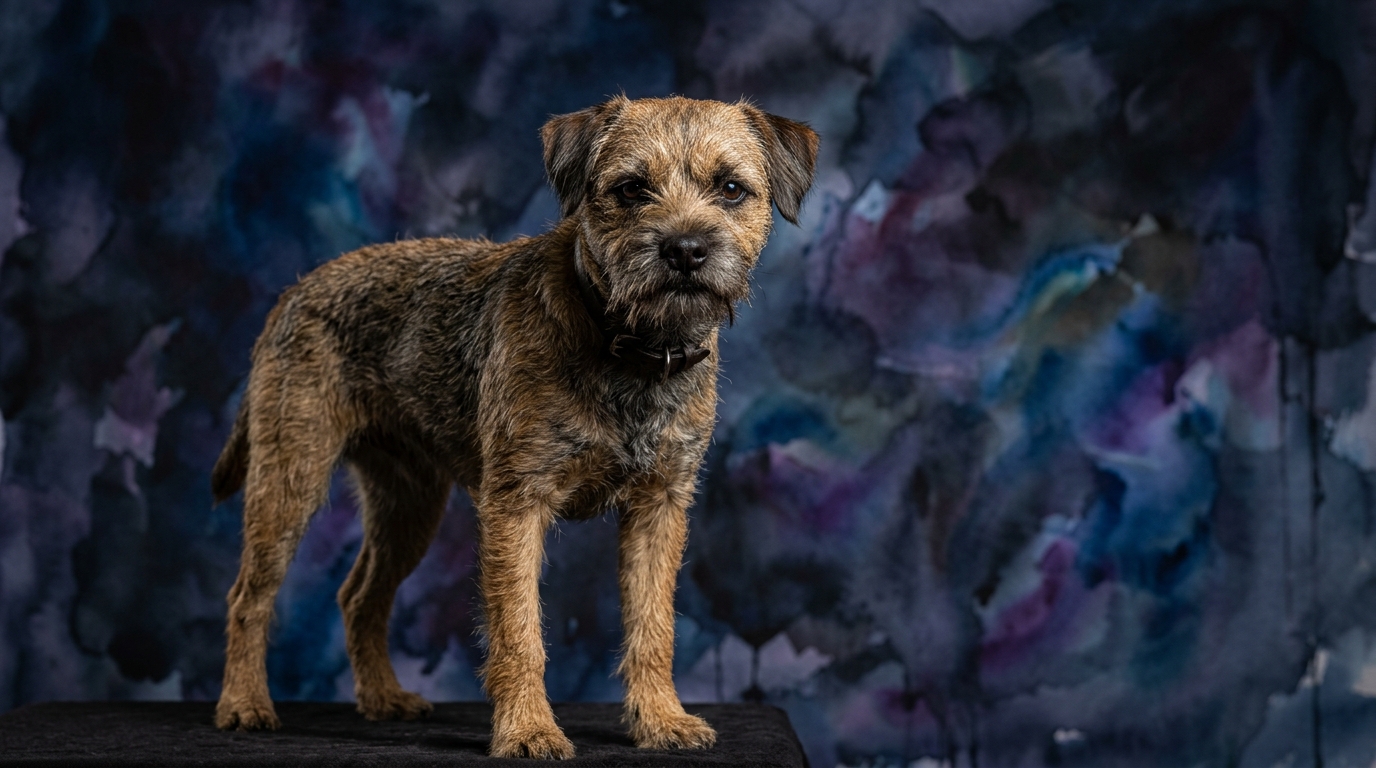
In contrast, the Border Terrier, hailing from the Terrier group, possesses a cognitive makeup reflecting its heritage as a tenacious, independent vermin hunter. Their Pet IQ Lab scores show problem Solving 4/5, training Speed 4/5, social Intelligence 3/5, instinctive Drive 3/5, and memory 4/5. While matching the Vizsla in problem-solving ability, their lower scores in social intelligence and instinctive drive suggest a more self-reliant approach to tasks and a different dynamic in human interaction. Understanding these distinctions is crucial for appreciating each breed's unique intellectual strengths and potential challenges.
Where the Vizsla Shines Cognitively
The Vizsla's exceptional social intelligence (5/5) and potent instinctive drive (5/5) are its standout cognitive strengths, setting it apart as a highly collaborative canine. This breed excels at reading and responding to human cues, often anticipating desires before they are explicitly communicated. Their high social intelligence fosters a profound bond, making them incredibly receptive to praise and eager for shared activities. They are not merely following commands; they are actively participating in a partnership, seeking constant feedback and interaction.
Their instinctive drive, equally impressive at 5/5, is geared towards working *with* a handler. This isn't just about physical drive; it's a cognitive predisposition to engage in tasks that involve shared goals, such as tracking, retrieving, or complex obedience sequences. This drive fuels their motivation to perform and learn within a cooperative framework. A Vizsla’s cognitive makeup means they thrive when included in family life, often developing a reputation as a 'velcro dog' due to their deep desire for proximity and engagement with their human companions.
Cognitive Strengths of the Border Terrier
While their social intelligence (3/5) and instinctive drive (3/5) are more moderate than the Vizsla’s, the Border Terrier demonstrates robust cognitive strengths, particularly in problem-solving (4/5) and training speed (4/5). These scores indicate a sharp, adaptable mind capable of quickly grasping new concepts and devising solutions to environmental challenges. Their problem-solving prowess is often applied in a self-directed manner, reflecting their heritage of independent hunting. They are adept at navigating complex situations, whether it's figuring out how to access a desired object or pursuing a scent trail with unwavering focus.
The Border Terrier's instinctive drive, though rated lower, is characterized by tenacity and persistence. This cognitive trait allows them to stick with a task, even when faced with obstacles, making them formidable in activities like earthdog trials or barn hunt where independent initiative is paramount. Their strong memory (4/5) further supports their learning and problem-solving, enabling them to retain strategies and spatial awareness effectively. This breed's cognitive profile emphasizes a resilient, self-sufficient intellect that, while perhaps less outwardly cooperative, is exceptionally effective in its own right.
Training Aptitude: Vizsla vs. Border Terrier
When it comes to training, both breeds score 4/5 in training speed, indicating they learn new commands at a comparable pace. However, their differing social intelligence and instinctive drives lead to distinct training experiences. The Vizsla, with its high social intelligence (5/5) and cooperative instinctive drive (5/5), is generally perceived as eager to please and highly responsive. They thrive on positive reinforcement and readily form strong associations between commands and actions, often performing with enthusiasm and a desire for partnership. Their intelligence allows for complex command sequences, but their high drive necessitates consistent, engaging training to prevent boredom, which can manifest as undesirable behaviors.
The Border Terrier, while equally capable of learning quickly (training Speed 4/5), approaches training with a more independent mindset due to its moderate social intelligence (3/5) and instinctive drive (3/5). They understand commands but might choose to prioritize their own interests, requiring a patient and consistent approach. Training a Border Terrier often involves appealing to their natural terrier instincts – making tasks into engaging games, scent work, or problem-solving challenges. Early socialization is particularly crucial for Border Terriers to help channel their independence positively, ensuring their tenacity becomes a training asset rather than a source of stubbornness.
Lifestyle Match: Active Owners vs. Relaxed Owners
The Vizsla's cognitive and physical needs align perfectly with active owners seeking a deeply engaged companion. Their powerful instinctive drive and high social intelligence mean they require extensive physical exercise, such as long runs, hikes, or participation in dog sports like agility or field work. Beyond physical activity, they crave constant mental stimulation and thrive on being an integral part of family life. Owners who cannot provide consistent interaction and varied activities may find a Vizsla develops separation anxiety or destructive habits, as their cognitive makeup demands partnership and purpose.
The Border Terrier, while smaller, is by no means a dog for a relaxed owner. Their robust problem-solving skills and moderate instinctive drive for independent work mean they need regular, stimulating exercise and mental challenges. This could involve exploring new trails, engaging in scent games, or providing safe digging opportunities. Their independence means they might tolerate periods of less direct interaction than a Vizsla, but they still require consistent engagement to prevent boredom and mischief. They are well-suited for active owners who appreciate a dog with a tenacious spirit and are prepared to provide outlets for their natural terrier behaviors, understanding their need for both physical activity and cognitive engagement.
The Verdict
Choose the Vizsla if you seek a deeply connected, cooperative canine partner eager for shared adventures and consistent engagement, and if you can provide extensive physical exercise and mental stimulation.
Choose the Border Terrier if you appreciate an independent, resilient companion with a tenacious spirit, capable of learning quickly but requiring a patient, consistent approach to training and varied activities to satisfy their working instincts.
🧠 Find Your Pet's IQ Score
Our Pet IQ Lab assessment covers 25+ tests across 5 cognitive dimensions — personalized to your breed.
Take the Full IQ Test →Frequently Asked Questions
How does social intelligence impact daily life with a Vizsla versus a Border Terrier?
A Vizsla's high social intelligence means they are often highly attuned to their owners' moods and desires, seeking constant interaction and thriving on being part of every family activity. A Border Terrier's moderate social intelligence suggests they are more independent; while affectionate, they may be less overtly needy for constant interaction and more content with their own pursuits at times.
Do their instinctive drives influence their suitability for different dog sports?
Absolutely. A Vizsla's high instinctive drive, geared towards cooperative hunting, makes them exceptional in activities like field trials, obedience, agility, and tracking, where working in sync with a handler is key. A Border Terrier's moderate, more independent instinctive drive lends itself well to earthdog trials, barn hunt, or agility, where their tenacity and problem-solving can shine, even if they sometimes add their own flair to the task.
Given their similar problem-solving scores, are both breeds equally good at puzzle toys?
While both score 4/5 in problem-solving, their approach might differ. A Vizsla might work diligently to solve a puzzle to 'please' their owner or for a shared reward, often looking for guidance. A Border Terrier, with its independent nature, might tackle a puzzle with determined self-reliance, driven by the challenge itself or the inherent reward, often showing great persistence.