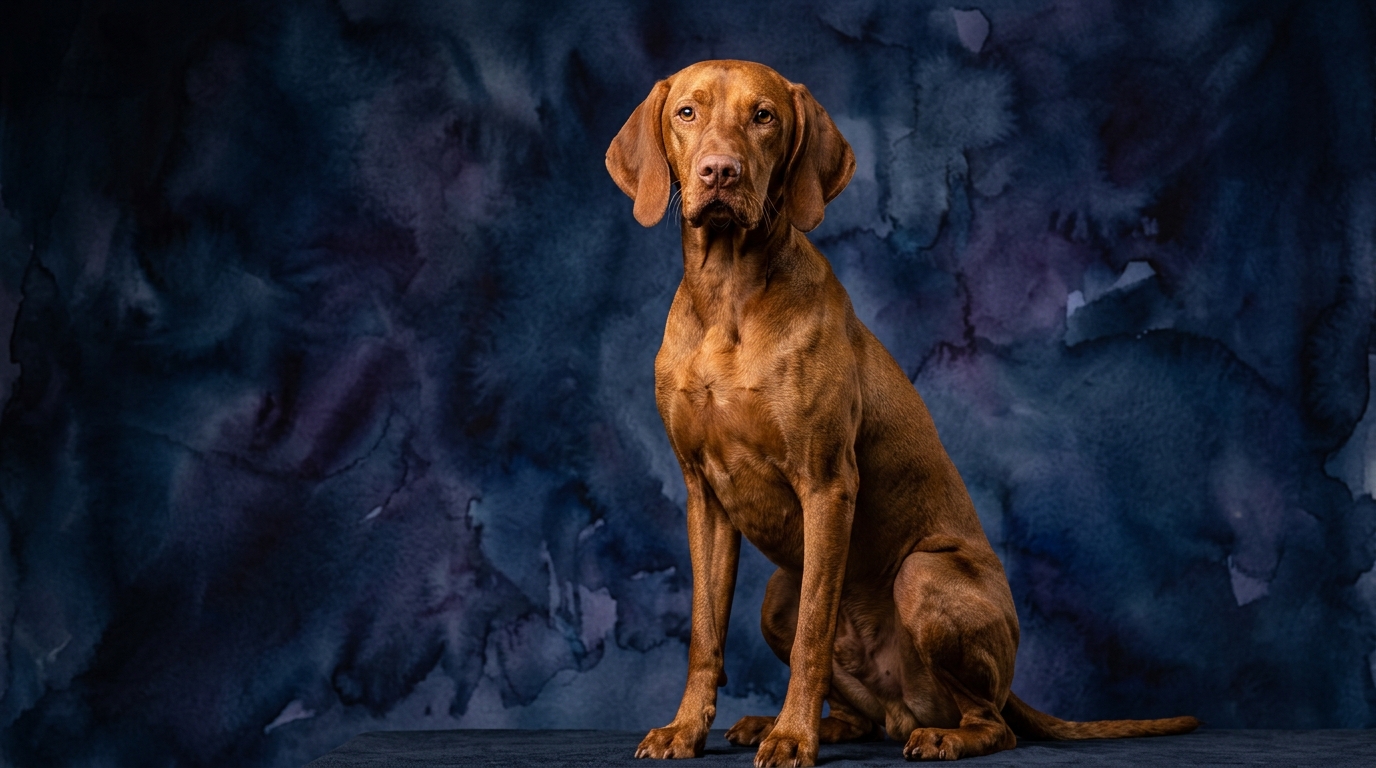
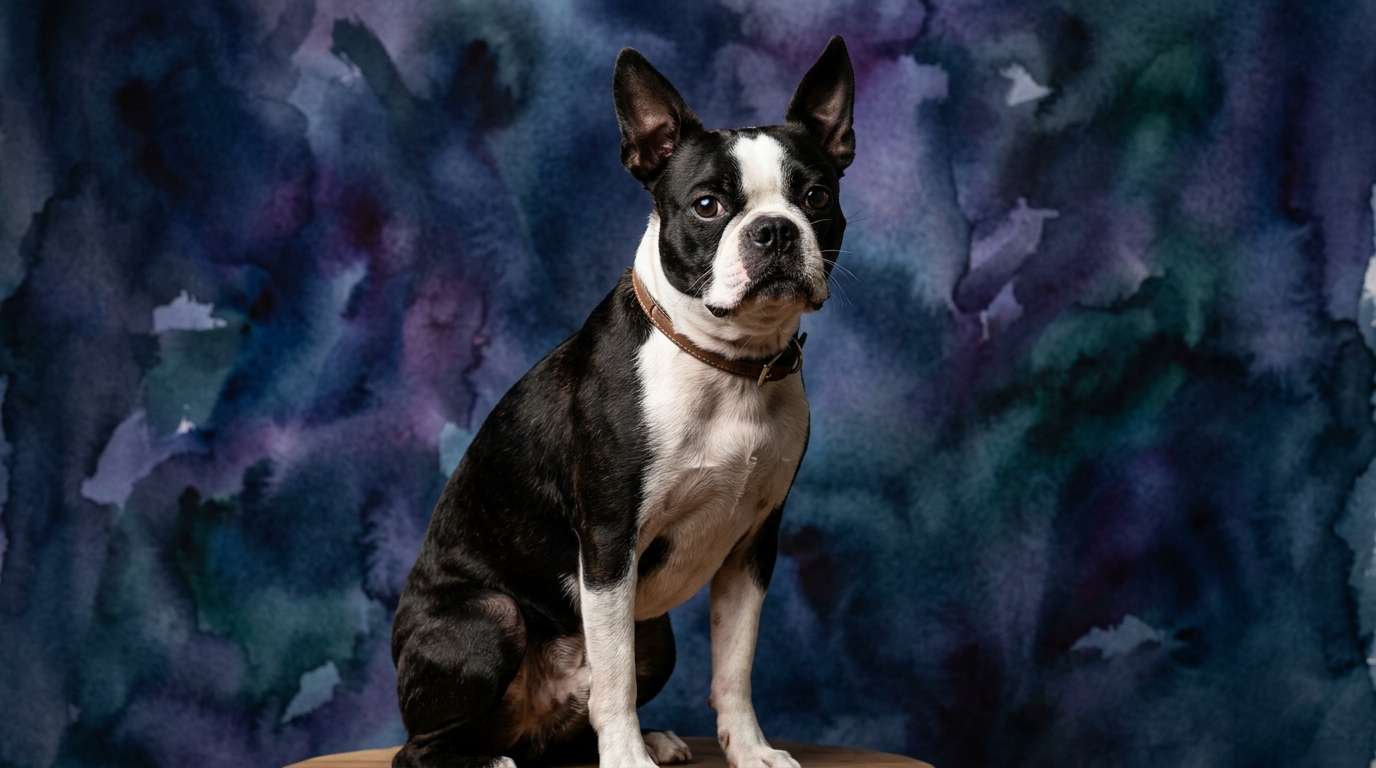
Side-by-Side IQ Profile: Unpacking Cognitive Strengths
The Cosmic Pet Pet IQ Lab employs a five-dimensional framework to evaluate canine intelligence, offering a nuanced perspective beyond simple "smart" labels. Here's how the Vizsla and Boston Terrier stack up:
**Vizsla (Coren Rank #31):**
* **Problem Solving (4/5):** Vizslas exhibit a strong capacity for analytical thought, adept at navigating complex environments, figuring out how to access desired objects, or overcoming obstacles to reach a goal. Their approach often leads to creative, efficient solutions.
* **Training Speed (4/5):** These dogs are notably quick to grasp new commands and routines, often requiring fewer repetitions than many other breeds. They thrive on structured learning and quickly form robust associations between actions and outcomes.
* **Social Intelligence (5/5):** Vizslas are exceptionally attuned to human emotions and intentions, making them highly responsive and intuitive companions. They readily interpret subtle cues, adapting their behavior accordingly, which fosters profoundly deep bonds.
* **Instinctive Drive (5/5):** Possessing a profound, inherent drive for retrieving, tracking, and working alongside humans, their genetic predisposition for active, purposeful tasks fuels a persistent desire to engage with their environment and handler.
* **Memory (4/5):** They exhibit strong retention for learned behaviors, intricate command sequences, and environmental layouts. Vizslas recall specific locations of hidden items or the sequence of events over extended periods.
**Boston Terrier (Coren Rank #54):**
* **Problem Solving (3/5):** Boston Terriers are capable of solving straightforward tasks, such as finding a hidden treat in plain sight or understanding simple puzzle toys. They may require more trial-and-error or simplified steps for complex scenarios.
* **Training Speed (3/5):** These companions learn new commands at a moderate pace, typically needing consistent repetition and positive reinforcement. They can be successful in obedience with patience, clear communication, and engaging methods.
* **Social Intelligence (4/5):** Highly responsive to human interaction and capable of forming strong social attachments, Boston Terriers are generally good at reading social cues within their immediate family unit, often seeking connection and companionship.
* **Instinctive Drive (2/5):** Their innate drives are less focused on traditional working tasks like hunting or herding. Instead, their drives lean towards companionship and play, with a lower predisposition for sustained, goal-oriented physical or mental work.
* **Memory (3/5):** Boston Terriers possess a functional memory for daily routines, familiar faces, and basic commands. They can recall past events or learned behaviors, though perhaps not with the same detailed recall or longevity as higher-ranking breeds.
Where the Vizsla Excels Cognitively
The Vizsla's cognitive profile positions them as exceptional partners for complex, dynamic activities. Their problem-solving score of 4/5 means they are adept at strategizing intricate routes to a desired object or figuring out how to manipulate latches and gates more readily than a Boston Terrier with its 3/5 score. This translates into a dog that actively engages with its environment, seeking solutions rather than passively waiting. Furthermore, the Vizsla's superior social intelligence (5/5) allows them to not only understand their owner's mood but often anticipate their next action, sometimes before a verbal cue is even given. This makes them incredibly intuitive partners in fieldwork, competitive obedience, or even just daily life, forming a remarkably symbiotic bond. Their profound instinctive drive (5/5) is a key differentiator, translating into an unwavering focus on tasks like scent work, retrieving, or agility, maintaining concentration over extended periods. This intrinsic motivation for purpose-driven activity is less pronounced in the Boston Terrier, making the Vizsla naturally more inclined to sustained mental effort in these domains. Finally, their strong memory (4/5) enables them to recall intricate sequences of commands, the layout of a vast hunting ground, or the location of specific hidden items, contributing significantly to their efficiency and adaptability in complex, changing environments.
Where the Boston Terrier Shines Cognitively
While Vizslas excel in demanding, complex tasks, the Boston Terrier's cognitive strengths manifest in areas that align perfectly with a different lifestyle. Their moderate instinctive drive (2/5) is, paradoxically, a cognitive "win" for many owners. It means they are less predisposed to exhibit intense working behaviors that require significant channeling, such as constantly seeking out a scent trail or needing a job to do. This makes them inherently easier to integrate into a relaxed household routine without the constant demand for high-level mental stimulation geared towards traditional working tasks. Owners seeking a companion who is content with more casual engagement will find this trait highly beneficial. The Boston Terrier's social intelligence (4/5), while not a perfect 5/5, is still very high, making them excellent at connecting with family members and adapting to the social nuances within a home environment without the intense 'velcro' nature of a Vizsla. They are perceptive to household dynamics and human moods, often providing comfort or seeking gentle engagement without demanding constant, high-energy interaction. Their problem-solving ability (3/5) is perfectly adequate for navigating the typical challenges of home life, understanding daily routines, and engaging with simpler puzzle toys, which aligns well with their role as a devoted house companion rather than a working dog.
Training Dynamics: Which is Easier to Train and Why?
When it comes to training, the Vizsla generally presents as a quicker study. Their training speed score of 4/5, combined with their profound desire to work alongside humans and a high social intelligence (5/5), makes them exceptionally receptive. Vizslas are acutely attuned to their handler's cues, often anticipating requests, which streamlines the learning process. For example, a Vizsla might master a multi-step retrieve or a complex agility sequence in fewer sessions than many other breeds, driven by their strong instinctive urge to perform tasks and please their person. However, this also means their training needs to be consistently engaging and mentally stimulating to prevent boredom or the development of self-directed, potentially undesirable activities.
Conversely, the Boston Terrier, with a training speed of 3/5, requires a more patient and consistently positive approach. While they are eager to please their family and possess good social intelligence (4/5), their lower instinctive drive (2/5) means they might not possess the same inherent motivation for rigorous, repetitive training drills. Boston Terriers can be prone to charming stubbornness or easily distracted by environmental stimuli, necessitating shorter, more frequent training sessions filled with high-value rewards and clear communication. For instance, teaching a Boston Terrier a reliable 'stay' command might involve more repetitions and creative methods to maintain focus compared to a Vizsla, who might find the task intrinsically rewarding due to their working predisposition and desire for a job. Both breeds respond best to positive reinforcement, but the *intensity* and *duration* of engagement required will differ significantly.
Matching Canine Cognition to Lifestyle: Active vs. Relaxed Owners
The cognitive profiles of the Vizsla and Boston Terrier inherently align with different owner lifestyles. The Vizsla, with its high problem-solving, social intelligence, instinctive drive, and memory, thrives with active owners who can provide ample physical exercise and consistent mental stimulation. These dogs excel in environments where they can run, hike, participate in dog sports like agility or scent work, and engage in complex training. Their cognitive makeup demands a "job" or a consistent outlet for their energy and mental capabilities. An owner who enjoys outdoor adventures and wants a highly engaged, intuitive partner for these activities will find a Vizsla to be an unparalleled companion.
The Boston Terrier, conversely, is an ideal match for more relaxed owners. Their moderate problem-solving, training speed, and memory, coupled with a lower instinctive drive, mean they are generally content with moderate daily exercise, such as walks and indoor play sessions. While they enjoy mental engagement, their demands are less intense and less focused on sustained, complex tasks. A Boston Terrier is happy to be a cherished family companion, adapting well to apartment living or homes with smaller yards, as long as they receive consistent affection and routine mental enrichment like puzzle toys or short training sessions. Their cognitive profile makes them adaptable and less prone to destructive behaviors stemming from unfulfilled working drives.
The Verdict
Choose a Vizsla when: You desire a highly engaged, intuitive partner for active pursuits, dog sports, or a dog that thrives on complex mental challenges and a strong, symbiotic working bond.
Choose a Boston Terrier when: You seek a charming, adaptable companion content with moderate activity, a family-centric lifestyle, and a less intense demand for constant, structured mental engagement.
🧠 Find Your Pet's IQ Score
Our Pet IQ Lab assessment covers 25+ tests across 5 cognitive dimensions — personalized to your breed.
Take the Full IQ Test →Frequently Asked Questions
Are Vizslas difficult to manage due to their high intelligence?
While Vizslas are quick learners, their cognitive strengths mean they require consistent mental and physical engagement to prevent boredom and potential undesirable behaviors. Owners must provide ample stimulation through training, sports, or work to channel their profound drive productively, ensuring they are not "difficult" but rather fulfilled.
Can a Boston Terrier excel in obedience despite their Coren ranking?
Absolutely. Boston Terriers, with their strong social intelligence and willingness to please their family, can achieve significant success in obedience with patient, positive reinforcement training. Their moderate training speed simply means consistency, clear methods, and engaging sessions are key to building their understanding and responsiveness over time.
How does 'instinctive drive' impact daily life for these breeds?
For a Vizsla, a high instinctive drive means they're constantly seeking purpose, whether it's retrieving, scent work, or 'helping' you with chores, requiring structured outlets for this energy. A Boston Terrier's lower instinctive drive means they're generally more content with companionship and less driven by intense, task-oriented behaviors, making them adaptable to a quieter, less demanding home life.