Side-by-Side Cognitive Profiles: Vizsla vs. Bull Terrier
At The Cosmic Pet Pet IQ Lab, we analyze canine intelligence across five key dimensions, offering a nuanced understanding beyond simple rankings. The Vizsla, a Sporting breed, commands a Coren rank of #31, while the Terrier group's Bull Terrier is positioned at #66. These rankings hint at overall differences, but a deeper dive into their specific cognitive scores paints a clearer picture of their individual mental landscapes.
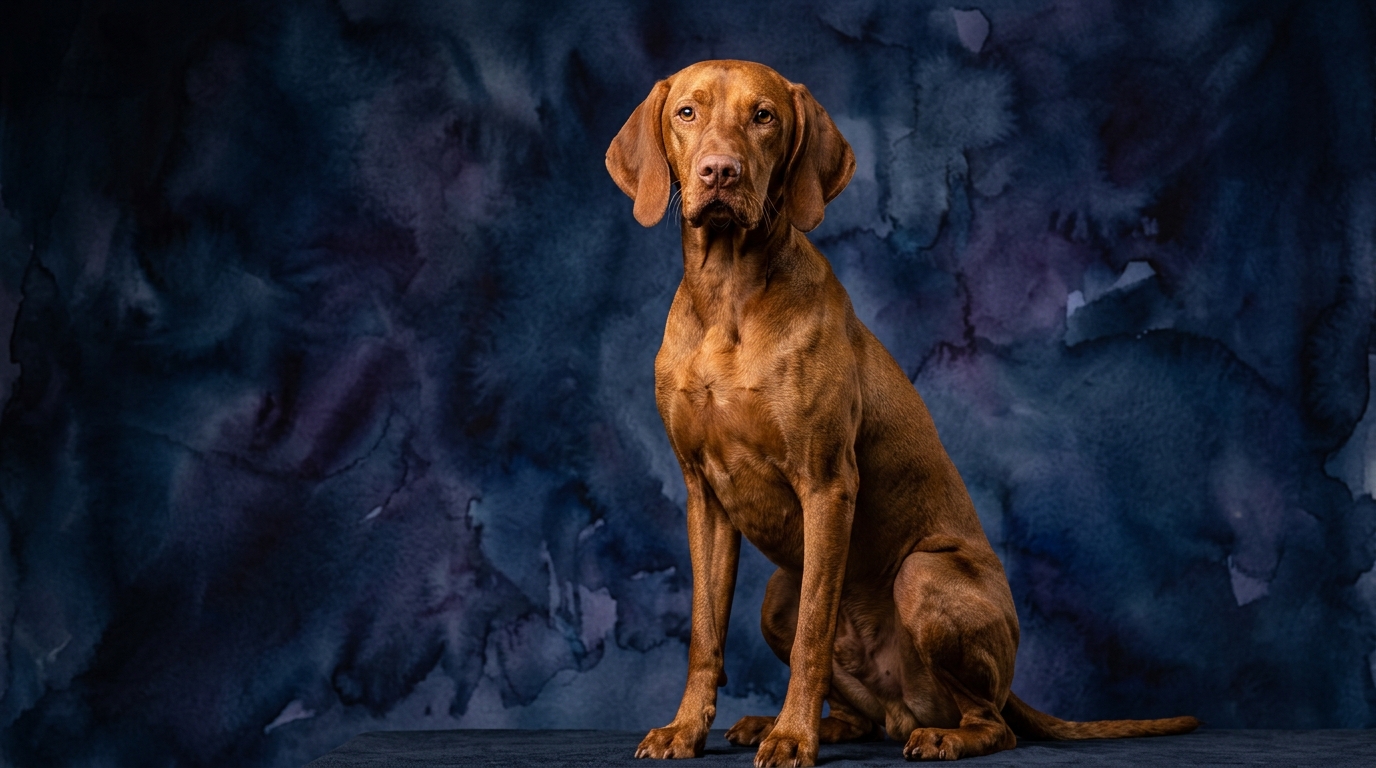
The Vizsla's profile reveals a dog with robust cognitive capabilities across the board. Their Problem Solving is rated at 4/5, indicating a strong capacity for independent thought and navigating complex scenarios to achieve goals. Training Speed, also at 4/5, points to a quick grasp of new commands and routines, making them efficient learners. Where the Vizsla truly shines is in Social Intelligence, scoring a perfect 5/5, reflecting an exceptional ability to read and respond to human cues, fostering deep, empathetic bonds. Their Instinctive Drive, also 5/5, highlights a powerful inherent motivation for tasks, particularly those involving scent or retrieval, paired with a cooperative spirit. Finally, their Memory at 4/5 ensures consistent recall of learned behaviors and routines.
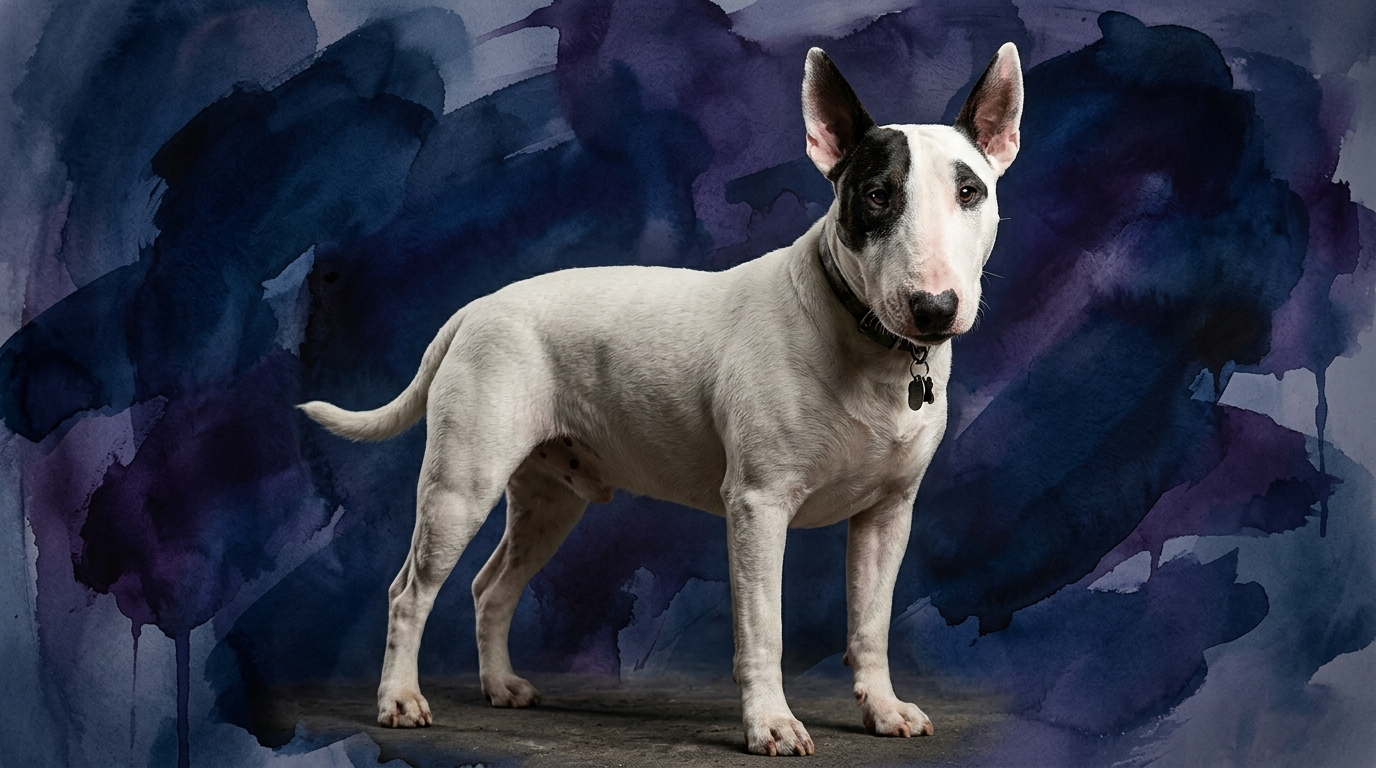
In contrast, the Bull Terrier presents a different set of cognitive strengths, though generally scoring lower in our comparative metrics. Their Problem Solving is rated 3/5, suggesting they can tackle challenges, but might employ more direct, physical methods or require more trial-and-error than a Vizsla. Training Speed also stands at 3/5, indicating a moderate learning pace that benefits from consistent reinforcement and patience. Their Social Intelligence at 3/5 means they form strong attachments to their immediate family but might be less attuned to subtle social cues from strangers or other animals, often expressing affection quite directly. The Bull Terrier's Instinctive Drive, also 3/5, reflects a tenacious terrier nature geared towards independent action, digging, or chasing, which can sometimes present training challenges. Their Memory, at 3/5, is adequate for retaining information but may benefit from regular refreshers to maintain proficiency in commands.
Where the Vizsla Cognitively Excels
The Vizsla's cognitive architecture grants them distinct advantages, particularly in areas demanding nuanced understanding and cooperative spirit. Their superior Social Intelligence (5/5) means they are remarkably adept at interpreting human emotions, intentions, and even unspoken requests. This isn't just about 'reading' a person; it's about proactively responding to subtle shifts in tone, body language, and context, making them incredibly intuitive companions. For instance, a Vizsla might anticipate a family member's need for comfort during distress or understand a handler's frustration during a training session, adjusting their behavior accordingly.
Coupled with their high Training Speed (4/5) and Memory (4/5), this social acumen translates into an exceptional capacity for complex learning. Vizslas can quickly master intricate sequences of commands required in dog sports like agility or obedience, not just performing actions but understanding the 'why' behind them in relation to their handler. Their Problem Solving (4/5) allows them to independently figure out how to navigate obstacles or retrieve items, often demonstrating creative solutions that surprise observers. This isn't brute force; it's often an elegant application of learned principles and spatial awareness, such as figuring out how to open a specific gate or retrieve a toy stuck under furniture without direct instruction.
Furthermore, their robust Instinctive Drive (5/5), specifically channeled towards working alongside humans, means they possess an innate eagerness to participate in tasks, making them highly motivated partners. This drive isn't merely about chasing; it's about a focused, persistent engagement in activities like scent work, retrieving, or even just keeping pace during a long hike, all while remaining attuned to their human companion. This combination of strong drives, rapid learning, and profound social awareness makes the Vizsla an exceptionally pliable and responsive dog for those seeking a true working partner.
Where the Bull Terrier Cognitively Shines
While the Bull Terrier's cognitive scores might appear lower in comparison, their unique mental makeup fosters a distinct set of strengths that are valuable in different contexts. Their Problem Solving (3/5), though not as intuitive as a Vizsla's, often manifests as a tenacious, determined approach. A Bull Terrier might not immediately grasp the most efficient solution, but their sheer persistence can lead them to overcome obstacles through repeated effort and physical engagement. This isn't a flaw; it's a testament to their resilient nature, often trying every possible angle until a solution is found, even if it’s not the most elegant.
The Bull Terrier's Instinctive Drive (3/5) is less about cooperative work and more about independent, focused pursuit. This drive grants them a remarkable single-mindedness when motivated by something they truly desire, whether it's a specific toy, a particular scent, or a play interaction. This tenacity, while sometimes challenging in training if not properly channeled, also translates into an unwavering loyalty and a strong sense of purpose once they commit to an activity or a bond. They are not easily deterred once their mind is set, a cognitive trait that can be a profound asset in certain roles or for owners who appreciate a dog with a strong, independent will.
Their Social Intelligence (3/5), while not as broadly empathetic as a Vizsla's, allows them to form incredibly deep and dedicated bonds with their core family unit. This isn't about reading every subtle cue from every person; it's about an intense, focused loyalty to their chosen few. This selective social focus means that once a Bull Terrier accepts someone into their inner circle, their devotion is often absolute and unwavering, offering a unique brand of steadfast companionship. This cognitive trait, coupled with their moderate Memory (3/5), means they remember their loved ones and routines with enduring fondness, providing a consistent and comforting presence within the home.
Training Dynamics: Vizsla vs. Bull Terrier
When it comes to ease of training, the Vizsla generally presents a more straightforward path for owners. Their high Training Speed (4/5) means they pick up new commands and routines with remarkable alacrity, often requiring fewer repetitions to solidify a behavior. This is significantly aided by their exceptional Social Intelligence (5/5), which makes them highly responsive to human feedback and eager to please their handler. They thrive on positive reinforcement and quickly understand the connection between their actions and desired outcomes, making training sessions efficient and rewarding for both dog and owner. Their strong Memory (4/5) further ensures that once a command is learned, it is retained consistently, leading to reliable responses in various environments. A Vizsla’s cooperative Instinctive Drive also means they are naturally inclined to work with their human, viewing training as a shared activity.
The Bull Terrier, on the other hand, requires a more patient, consistent, and creative approach to training. Their Training Speed (3/5) indicates that they will learn, but often at a slower pace, necessitating more repetitions and unwavering dedication from the owner. Their Instinctive Drive (3/5) is characterized by a strong independent streak and a tenacious focus on their own interests, which means they can be easily distracted from training if not highly motivated. This independence, while endearing in its own right, can translate into selective hearing during training sessions if the reward isn't compelling enough or if they perceive a more interesting alternative. Owners must become adept at finding powerful motivators and maintaining engagement to keep a Bull Terrier focused.
Real behavioral differences highlight this contrast: a Vizsla might look to its handler for direction during a novel situation, eager to comply with a learned command. A Bull Terrier, faced with the same situation, might first attempt to solve it independently, or simply decide to observe rather than actively participate, requiring a handler to redirect their focus with firm yet positive guidance. While both breeds are capable of learning a wide range of commands, the Vizsla's inherent desire to cooperate and their quick cognitive processing make the journey of training considerably smoother, whereas the Bull Terrier's unique personality demands a more tailored and resilient training strategy.
Lifestyle Alignment: Active vs. Relaxed Owners
Matching a dog's cognitive and physical needs to an owner's lifestyle is paramount for a harmonious relationship. For active owners seeking a true partner in adventure, the Vizsla is an exceptional choice. Their high Instinctive Drive (5/5) and Problem Solving (4/5) capabilities, combined with their incredible stamina, mean they thrive in environments that offer ample physical exercise and mental stimulation. These dogs are not content with just a short walk around the block; they need significant daily opportunities to run, hike, swim, or engage in dog sports like agility, flyball, or scent work. Their social intelligence also means they enjoy being included in all family activities, from camping trips to long jogs, acting as an empathetic and enthusiastic companion.
A Vizsla's cognitive makeup requires an owner who understands the breed's need for consistent engagement. Without sufficient mental and physical outlets, their problem-solving skills might be applied to less desirable activities, and their high drive can lead to restlessness or destructive behaviors. They are best suited for individuals or families who lead an active outdoor lifestyle and are willing to dedicate significant time each day to their dog's exercise and training, seeing their dog as an integral part of their active pursuits. Their desire to be close to their humans also means they are not suited to being left alone for extended periods.
The Bull Terrier, while certainly athletic and needing regular exercise, generally suits owners with a slightly different rhythm. While they enjoy vigorous play sessions and daily walks, their stamina isn't typically as enduring as a Vizsla's, and they are often content with moderate activity followed by substantial downtime indoors. Their independent streak (part of their Instinctive Drive 3/5) means they might enjoy exploring their surroundings on their own terms during a walk, but are also perfectly happy to curl up on the couch for a relaxed evening. They require consistent, structured engagement, but perhaps not the same intensity of outdoor activity as their Sporting counterpart.
Owners who appreciate a dog with a distinct personality, a sense of humor, and a loyal, albeit sometimes stubborn, companionship will find the Bull Terrier a rewarding fit. They thrive with owners who provide clear boundaries, consistent training, and who can appreciate their unique blend of tenacity and affection. They can be suitable for owners who enjoy regular, but not extreme, outdoor activities, and who value a dog that is equally comfortable being a playful companion in the yard as they are a relaxed presence indoors. Their moderate social intelligence means they are deeply devoted to their family but may not seek constant interaction with every stranger, making them a good fit for those who value a more reserved, yet profoundly loyal, companion.
The Verdict
Choose a Vizsla if you seek an exceptionally responsive, empathetic, and highly trainable partner for an active lifestyle, thriving on deep cooperative engagement and consistent mental and physical challenges.
Opt for a Bull Terrier if you appreciate a resilient, uniquely tenacious companion with a strong independent streak, capable of forming profoundly loyal bonds with owners who provide consistent structure and appreciate their distinct personality.
🧠 Find Your Pet's IQ Score
Our Pet IQ Lab assessment covers 25+ tests across 5 cognitive dimensions — personalized to your breed.
Take the Full IQ Test →Frequently Asked Questions
Are Vizslas good family dogs?
Yes, their high social intelligence and deep bonding capabilities make them excellent family companions, often forming strong attachments with children and adults alike. They thrive on inclusion in family activities and provide empathetic companionship, though their high energy requires a family committed to regular exercise.
Do Bull Terriers need a lot of exercise?
Bull Terriers benefit from regular, moderate exercise to satisfy their physical and mental needs, but their stamina isn't typically as demanding as a high-energy sporting breed. Consistent daily walks, structured play sessions, and mental enrichment are usually sufficient to keep them content and well-behaved.
How do Vizslas and Bull Terriers handle new situations?
Vizslas, with their strong social intelligence and problem-solving skills, tend to adapt quickly to new environments and people, often approaching new experiences with curiosity and a desire to engage. Bull Terriers may approach new situations with more caution or a reserved independence, relying on their handler for reassurance and a clear understanding of the situation before fully engaging.