A Side-by-Side Look at Cognitive Profiles
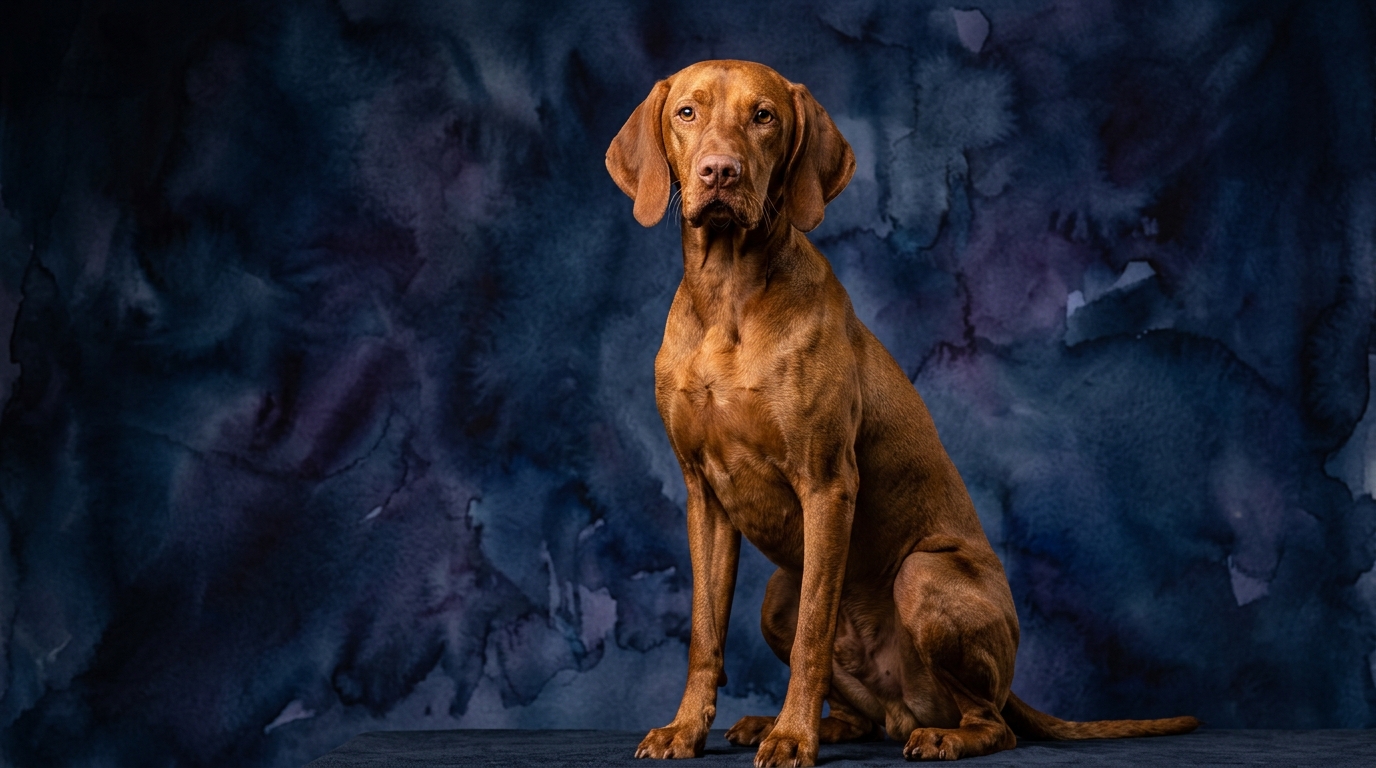
The Vizsla, a breed developed for hunting, possesses a remarkable cognitive toolkit. Its problem-solving ability is 4/5, indicating a capacity to navigate complex situations independently. Training speed also stands at 4/5, reflecting their quick grasp of commands. Social intelligence is exceptional at 5/5, making them highly attuned to human cues, while their instinctive drive, also 5/5, highlights powerful natural working instincts. Memory, rated 4/5, enables effective retention of learned behaviors.
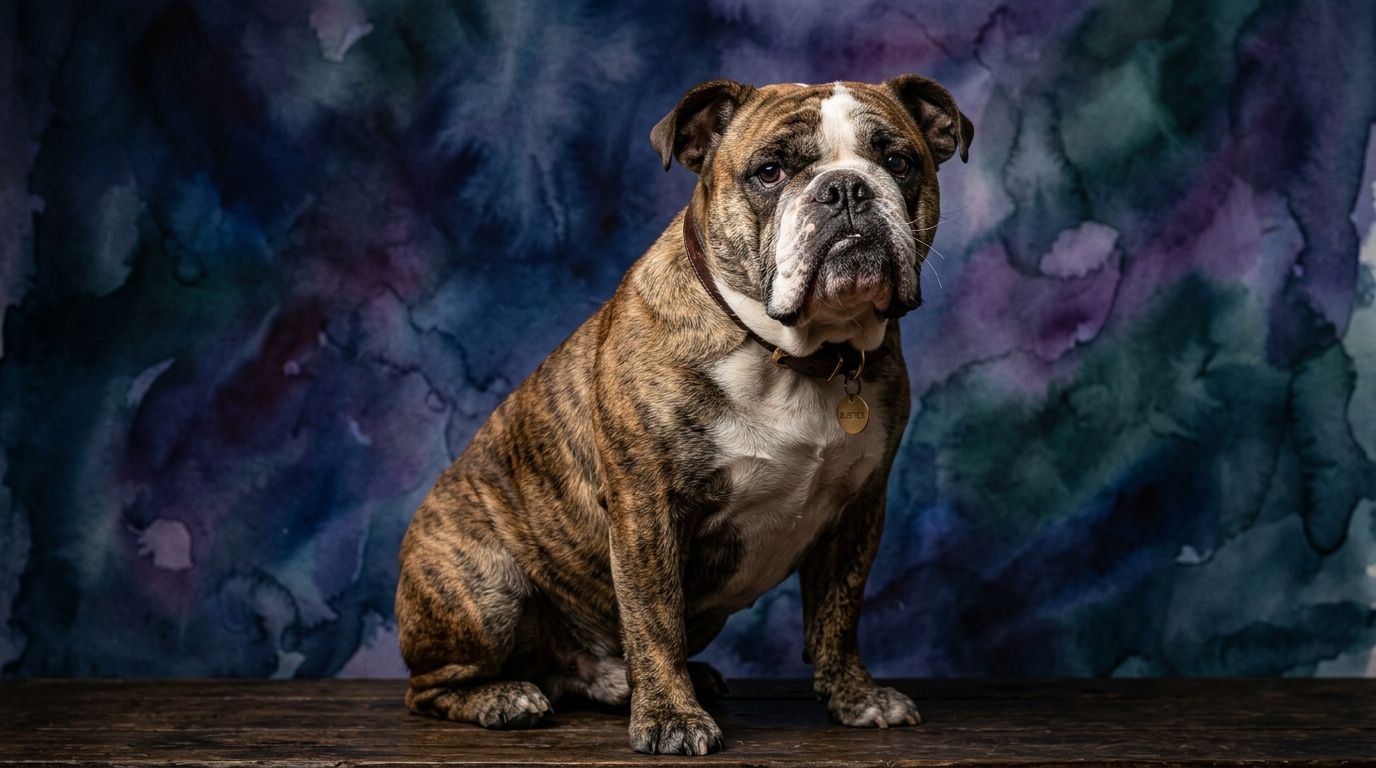
The English Bulldog exhibits a distinct cognitive profile. Their problem-solving ability is 2/5, suggesting less independent initiative. Training speed is also 2/5, indicating a more deliberate pace. Social intelligence is a respectable 4/5, showing capacity for strong bonds. Their instinctive drive is 3/5, moderate, and memory is 2/5, implying more repetition is needed. These scores place Vizsla considerably higher on the Coren ranking at #31, compared to the Bulldog at #77.
Where the Vizsla Excels Cognitively
The Vizsla's cognitive strengths are evident across nearly all dimensions. Their 4/5 problem-solving score means they adeptly navigate complex environments, from figuring out how to open a cabinet to creatively overcoming obstacles during a hike. This mental agility requires consistent engagement to prevent self-directed, potentially mischievous, problem-solving when under-stimulated.
With 4/5 training speed and 4/5 memory, Vizslas are remarkably quick learners, mastering intricate command sequences and advanced tricks easily. This combination makes them excellent candidates for dog sports like obedience or agility, where rapid comprehension and retention are crucial. Their exceptional 5/5 social intelligence further enhances trainability, as they are highly responsive to human communication and eager to please.
The Vizsla's 5/5 instinctive drive is a defining characteristic, manifesting as a powerful desire to work, explore, and utilize their senses, particularly scent. This drive is a profound cognitive engagement with their environment, requiring outlets such as tracking games, retrieving, or long, exploratory walks. Owners must channel this innate drive constructively, providing ample opportunities for mental and physical exertion to foster a well-adjusted companion.
Understanding the English Bulldog's Cognitive Strengths
While the English Bulldog's scores might appear lower in direct comparison, their cognitive profile aligns perfectly with their role as a devoted, laid-back companion. Their 2/5 problem-solving and 2/5 training speed mean they are generally less inclined to independently seek out complex mental challenges or rapidly pick up new, intricate commands. This can be a benefit for owners seeking a dog less likely to 'outsmart' them or create elaborate schemes to access forbidden treats.
The Bulldog's 4/5 social intelligence is a significant strength, underscoring their capacity for deep emotional bonds and their ability to integrate smoothly into family life. They understand social cues and thrive on companionship, often content to simply be near their people without demanding constant interaction or complex tasks. This social acumen allows them to be wonderfully affectionate and attuned to the family's general mood, providing a comforting, stable presence.
Their moderate 3/5 instinctive drive means Bulldogs are typically content with a more relaxed pace of life. They generally don't possess the intense urge to explore, hunt, or work that defines many sporting breeds. This lower drive translates into a dog that is often satisfied with shorter walks, comfortable naps, and quiet time with their family, requiring less rigorous mental and physical stimulation to prevent boredom or destructive behaviors. Their 2/5 memory, while suggesting a need for more repetition in training, also means they might be less prone to dwelling on past negative experiences, contributing to their generally placid disposition.
Training Dynamics: Vizsla vs. English Bulldog
Training ease is a significant differentiator between these two breeds. The Vizsla's 4/5 training speed, coupled with its 4/5 memory and 5/5 social intelligence, means they typically learn new commands and routines with remarkable efficiency. They are eager to engage, respond well to positive reinforcement, and quickly form associations between actions and outcomes. Their high instinctive drive also means they are often motivated by tasks that tap into their natural abilities, such as retrieving or scent work, making training sessions stimulating and productive.
The English Bulldog, with its 2/5 training speed and 2/5 memory, presents a different training experience. They are not inherently difficult to train, but they require more patience, consistency, and repetition to solidify new behaviors. Their independent streak and lower instinctive drive mean they may not always perceive immediate value in performing a command, sometimes leading to a perceived "stubbornness." Successful training with a Bulldog often relies on making sessions fun, short, and highly rewarding, leveraging their social intelligence and desire for comfort to encourage cooperation rather than expecting rapid, complex learning.
Matching Breeds to Lifestyles: Active vs. Relaxed Owners
For active owners, the Vizsla is an exceptional match. Their high problem-solving ability, intense instinctive drive, and need for mental stimulation mean they thrive in homes that offer regular, vigorous exercise and engaging activities. Owners who enjoy hiking, running, dog sports, or extensive outdoor adventures will find a willing and capable partner in a Vizsla. Without sufficient outlets for their considerable energy and sharp mind, Vizslas can become restless, potentially exhibiting behaviors like excessive chewing or vocalization born from boredom.
Conversely, the English Bulldog is ideally suited for more relaxed owners or those with a less intensely active lifestyle. Their lower instinctive drive and contentment with moderate exercise mean they are perfectly happy with shorter daily walks and plenty of lounging time. They are not demanding in terms of constant mental challenges or physical exertion, making them excellent companions for individuals or families who appreciate a calm, affectionate presence. Owners who prioritize comfort, companionship, and a generally placid demeanor will find the Bulldog's cognitive and physical needs align well with their own pace of life.
The Verdict
Choose a Vizsla if you are an active, engaged owner seeking a mentally sharp, highly trainable companion eager for adventure, complex tasks, and deep social interaction.
Opt for an English Bulldog if you prefer a calm, affectionate companion content with a relaxed pace, moderate activity, and a strong, stable social bond without constant demands for complex mental engagement.
🧠 Find Your Pet's IQ Score
Our Pet IQ Lab assessment covers 25+ tests across 5 cognitive dimensions — personalized to your breed.
Take the Full IQ Test →Frequently Asked Questions
Can an English Bulldog learn complex tricks despite its lower training speed?
Yes, an English Bulldog can certainly learn complex tricks, but it will typically require more patience, consistency, and repetition than with a breed like the Vizsla. Focusing on positive reinforcement and breaking down tasks into smaller, manageable steps will yield the best results over time.
How does a Vizsla's high instinctive drive impact daily life?
A Vizsla's high instinctive drive means they possess a strong innate urge to work, explore, and utilize their senses, particularly scent. This manifests as a need for substantial daily physical exercise and mental engagement through activities like retrieving or tracking games to prevent boredom and destructive behaviors.
Is social intelligence the same as obedience for these breeds?
Social intelligence refers to a dog's ability to understand and respond to human cues and emotions, which both breeds possess to varying degrees. Obedience, however, is a learned behavior depending on a combination of social intelligence, training speed, memory, and motivation, making the Vizsla generally quicker to master formal commands.