Side-by-Side Cognitive Profiles
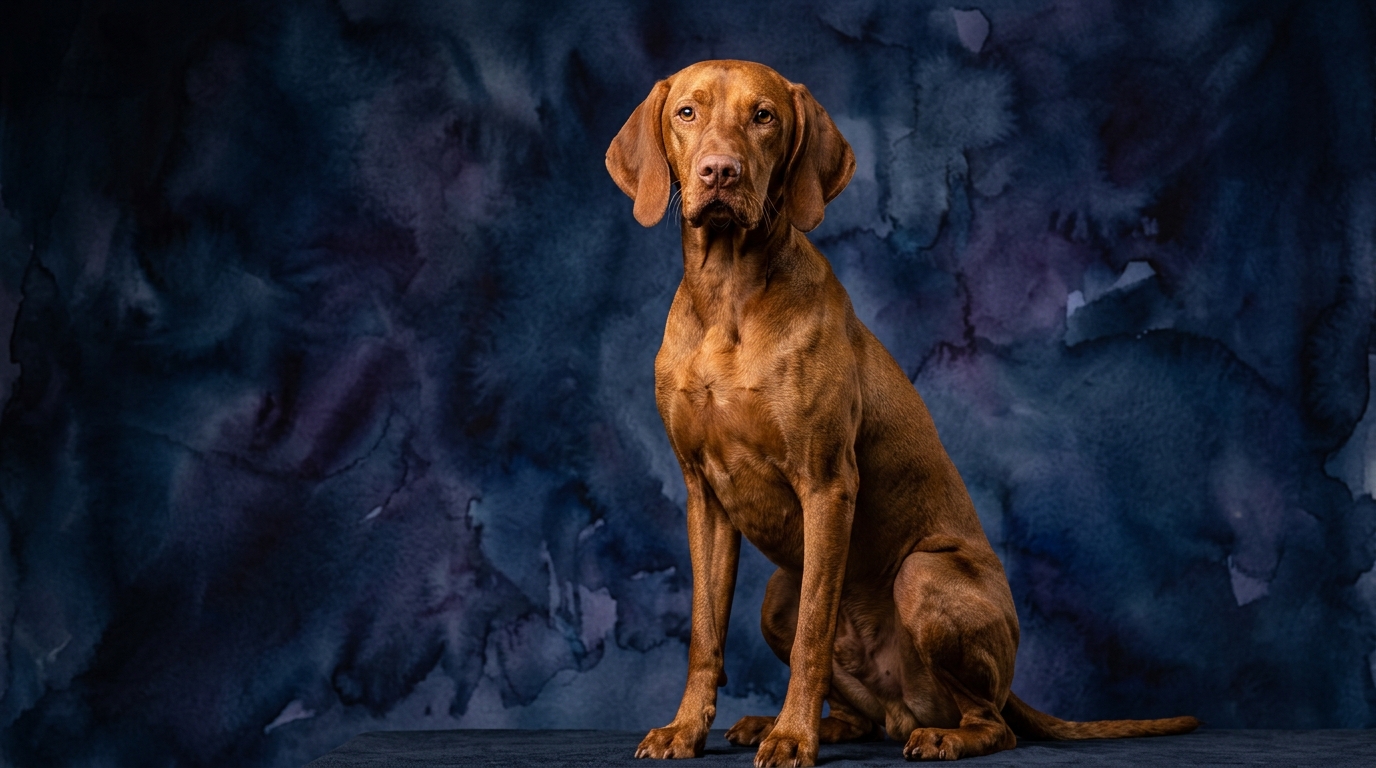
The Cosmic Pet Pet IQ Lab employs a five-dimensional framework to assess canine intelligence, offering a nuanced understanding of how breeds perceive and interact with their environment. For the Vizsla, a sporting dog, this profile is characterized by high scores across the board, reflecting a breed designed for active partnership and complex tasks. Their Problem Solving is rated 4/5, indicating an adeptness at navigating intricate situations and understanding multi-step commands. Training Speed is also 4/5, suggesting a quick grasp of new routines and a readiness to learn. Social Intelligence stands at an exceptional 5/5, highlighting their profound attunement to human emotions and intentions, fostering a deeply responsive companionship. Instinctive Drive, at 5/5, signifies a powerful innate inclination for tracking, pointing, and retrieving, directing their focus and energy. Finally, their Memory is 4/5, enabling them to retain learned behaviors and spatial information effectively over time.
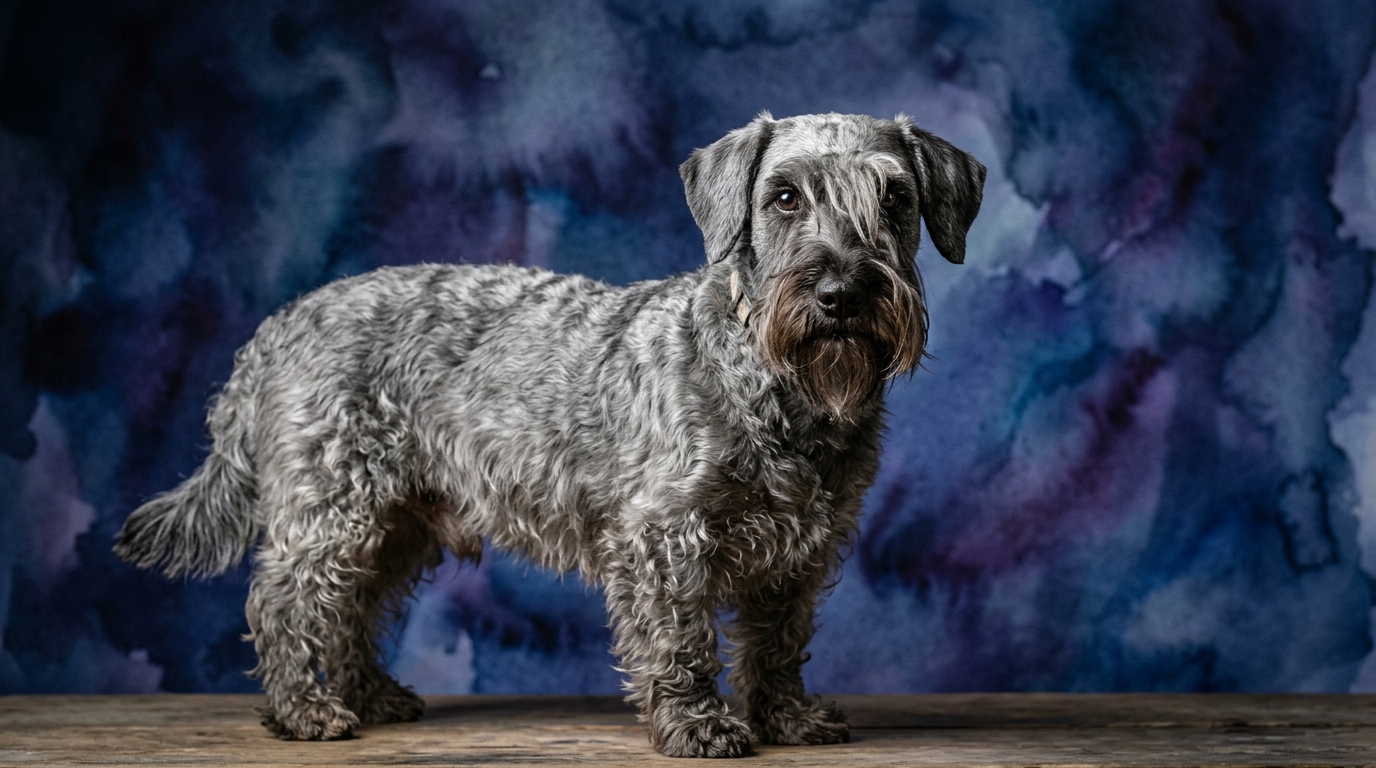
In contrast, the Cesky Terrier, a breed from the Terrier group, presents a more moderate and distinctly terrier-focused cognitive profile. Their Problem Solving is 3/5, demonstrating capability in practical tasks, especially those related to their digging and hunting instincts, often with a methodical approach. Training Speed is 3/5, meaning they learn at a moderate pace, benefiting from consistent and patient instruction. Social Intelligence is 3/5, indicating they form strong bonds with their family but can be more reserved with strangers or in novel social settings, displaying clear but less effusive social cues. Instinctive Drive is 3/5, reflecting a focused terrier drive for exploration, digging, and chasing small prey, which is present but often less broadly energetic than a sporting dog’s. Their Memory is also 3/5, providing a functional retention of routines and commands sufficient for daily life, though perhaps not with the acuity of higher-scoring breeds.
Where the Vizsla Excels Cognitively
The Vizsla's cognitive profile showcases a breed designed for seamless partnership in demanding tasks. Its 5/5 social intelligence means it reads human cues with exceptional clarity, often anticipating desires before they're verbalized, fostering an almost telepathic bond. This deep connection makes them incredibly responsive to subtle commands and emotional shifts, a crucial advantage in the field or in complex home environments. Furthermore, their 5/5 instinctive drive isn't just about chasing; it's about a highly directed, focused problem-solving engine that propels them to pursue tasks with singular determination, whether it's retrieving a dummy or navigating an agility course. Their 4/5 problem-solving and training speed combine to produce a dog that not only figures things out quickly but also integrates new solutions into their behavioral repertoire with impressive efficiency. This means a Vizsla is often quicker to adapt to new situations and learn complex sequences, leveraging its sharp memory to recall past successes and failures.
Where the Cesky Terrier Shines Cognitively
While the Cesky Terrier's scores are generally lower than the Vizsla's, its cognitive strengths lie in a different realm, reflecting its terrier heritage. Its 3/5 problem-solving, though not as high as the Vizsla's, is often applied with a tenacious, independent spirit. This means they are adept at persistent, focused tasks, like figuring out how to access a hidden toy or navigating a complex scent trail, relying on determination rather than immediate insight. Their 3/5 instinctive drive, while less encompassing than a Vizsla's, is specifically geared towards independent hunting and exploration, making them highly effective at tasks requiring self-reliance and focused attention on a specific goal, such as pest control. This focused drive, combined with a 3/5 social intelligence that allows for strong family bonds without the intense, constant need for human validation of a Vizsla, means a Cesky can be a self-sufficient and discerning companion. They excel in situations where a dog needs to think for itself and persist, rather than constantly seeking direction.
Ease of Training: Behavioral Differences
Based on their Pet IQ Lab scores, the Vizsla is unequivocally the easier breed to train. Their 4/5 training speed signifies a natural eagerness to learn and a quick uptake of new commands, often requiring fewer repetitions to solidify a behavior. This is intrinsically linked to their 5/5 social intelligence, which makes them highly attuned to human feedback and eager to please, translating into a strong desire to cooperate during training sessions. They are motivated by partnership and praise, making them responsive to positive reinforcement and clear instructions. Their problem-solving skills also mean they quickly understand the 'why' behind a command, enabling faster generalization of learned behaviors to new contexts.
In contrast, the Cesky Terrier, with a 3/5 training speed, demands more patience and consistency. Their terrier independence means they may require more creative motivation and a greater number of repetitions to fully grasp and reliably perform new commands. While capable of problem-solving (3/5), their approach can be more self-directed, and their social intelligence (3/5) suggests they might be more inclined to ponder a request or decide if it aligns with their own agenda, rather than instantly complying. This isn't a lack of capability, but a difference in motivational drivers and how they process human requests, often requiring trainers to be more engaging and persistent to overcome their self-reliant nature and channel their instinctive drive effectively.
Matching Breeds to Lifestyles: Active vs. Relaxed Owners
For active owners seeking a constant companion for outdoor adventures, the Vizsla is an ideal match. Their 5/5 instinctive drive and high energy levels demand substantial physical exercise, such as long runs, hikes, or vigorous games of fetch. Coupled with their 5/5 social intelligence, they thrive on being an integral part of family activities, often struggling if left alone for extended periods due to their intense need for connection. They need an owner who can commit to daily mental and physical challenges, channeling their problem-solving and memory skills into sports like agility, obedience, or field work, preventing boredom and potential destructive behaviors.
Conversely, the Cesky Terrier is better suited for more relaxed owners, or those who appreciate a dog with bursts of activity followed by periods of calm. While they enjoy walks and opportunities to explore, their 3/5 instinctive drive and moderate energy requirements mean they don't demand the relentless pace of a Vizsla. Their 3/5 social intelligence allows them to be affectionate with their family without needing constant attention, making them content with indoor companionship and a few focused outdoor adventures. They are a good fit for individuals or families who can provide consistent, engaging training and moderate exercise, but don't necessarily want a dog that dictates their entire lifestyle around its need for activity.
The Verdict
Opt for a Vizsla if you're an active individual or family seeking a highly social, intensely driven, and quick-to-learn canine partner for extensive outdoor activities and close companionship.
Select a Cesky Terrier if you appreciate a more independent yet affectionate companion, value a dog that's adept at focused tasks, and can provide consistent training and moderate exercise without the demanding activity level of a sporting breed.
🧠 Find Your Pet's IQ Score
Our Pet IQ Lab assessment covers 25+ tests across 5 cognitive dimensions — personalized to your breed.
Take the Full IQ Test →Frequently Asked Questions
Is the Vizsla truly more affectionate than the Cesky Terrier?
The Vizsla's 5/5 social intelligence means it typically forms extremely strong, demonstrative bonds with its family and seeks constant interaction, often described as 'Velcro dogs.' The Cesky Terrier, with 3/5 social intelligence, is affectionate with its family but tends to be more reserved and less overtly clingy, appreciating companionship without needing to be physically attached at all times.
Do Cesky Terriers need less exercise than Vizslas?
Yes, generally. While both breeds benefit from regular activity, the Vizsla's 5/5 instinctive drive and high energy demand significantly more vigorous and prolonged exercise, often requiring several hours daily. The Cesky Terrier, with a 3/5 instinctive drive, needs moderate daily walks and playtime to satisfy its terrier instincts, but not the same intensity or duration as a Vizsla.
How does the 'instinctive drive' score impact daily life for these breeds?
For a Vizsla (5/5 instinctive drive), this translates to a strong need for purpose-driven activity like fetching, tracking, or running, and they can become restless or destructive if not adequately stimulated. For a Cesky Terrier (3/5 instinctive drive), it means they will likely enjoy activities like digging, chasing small critters, or exploring scents, but this drive is generally less overwhelming and easier to manage within a typical home environment.